Gisburne Park: A Historic Country Estate and Hall
Site at a Glance
- Rating
- 4.4
- Popularity
- Medium
- Country
- United Kingdom
- Primary era
- Early Modern
- Eras represented
- Early Modern, Modern
- Civilizations
- British
- Site type
- Domestic
- Remains
- Manor House
On this page7 sections
History
The Lister family and the hall
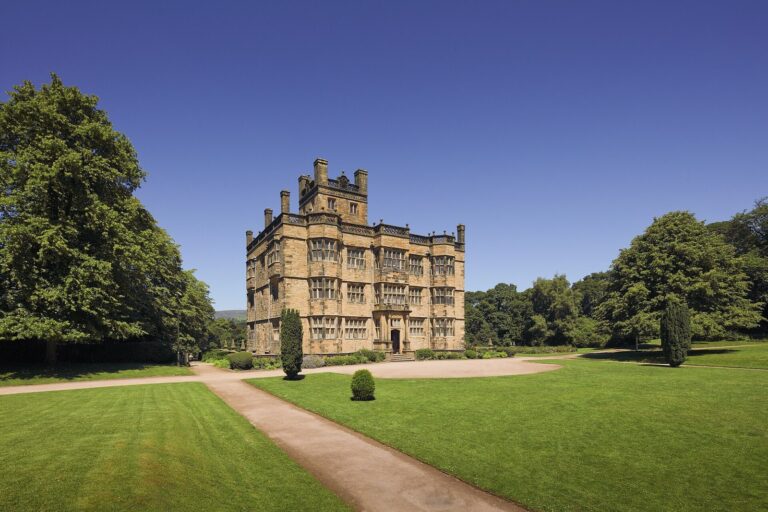
Gisburne Park is a historic country estate in the Ribble Valley, United Kingdom. Its present hall was built between 1727 and 1736 for Thomas Lister, after the Lister family acquired the Manor of Gisburne in 1614.
The family moved from Arnoldsbiggin to Lower Hall at Gisburne in 1706. Thomas Lister represented Clitheroe in Parliament from 1713 until his death in 1745, serving as a Member of Parliament, an elected representative in the UK Parliament. He was reputed to have planted more than a million oak trees in the Ribble Valley and surrounding parkland. He also kept semi-wild white cattle at the estate; the herd died out in 1859.
Succession and estate changes
The estate passed to Thomas Lister’s son, also named Thomas (1723–1761), who represented Clitheroe from 1745 to 1761. It then went to another Thomas Lister (1752–1826), who represented Clitheroe from 1773 to 1790 and became Baron Ribblesdale in 1797, receiving a title in the British peerage. The estate later passed through the second and third Barons Ribblesdale before reaching Thomas Lister, the fourth Baron.
When the fourth Baron died in 1925, part of the estate was sold to meet death duties. Both his sons had been killed in action, one in the Boer War and the other in the First World War; his two sisters survived him. After their deaths in 1944, the remainder of the estate was sold to the Hindley family, one of the founders of British Home Stores.
Hospital use and recent ownership
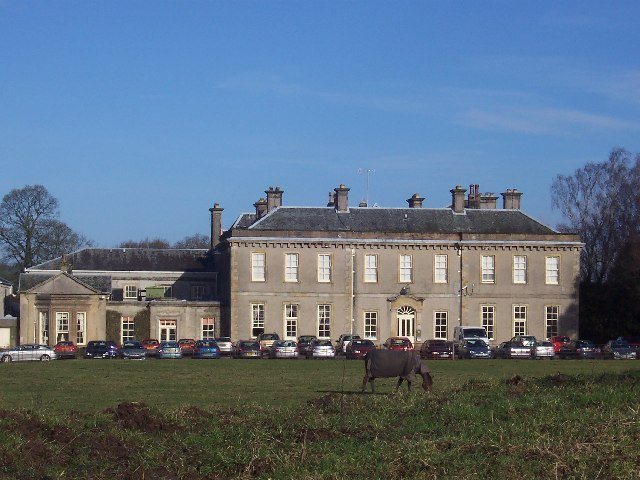
In October 1985, the house was converted and extended as an independent private hospital and rehabilitation centre. Christopher Hindley first served as its chairman and later as its executive director. The house and adjacent land were sold in 1995 and became BMI Gisburne Park Hospital.
Guy Hindley and Amber Mead have owned the associated park since 2003, with part of it continuing as a traditional agricultural estate. The hospital closed in June 2021, after 36 years of operation, and Amber and Guy Hindley then purchased the building. The house has been Grade I listed since 1954, a status for buildings of exceptional interest. In 2011, the park was added to the Register of Historic Parks and Gardens at Grade II, denoting special interest.
Remains
The estate’s physical layout brings the hall together with extensive parkland, former agricultural sites and transport infrastructure. The park covers 1,000 acres.
The hall
The two-storey hall has an H-shaped plan. Its south front is divided into nine bays, or sections, with the central three set back from the rest. The exterior combines pebbledash, a render containing small stones, with sandstone dressings, beneath a roof that slopes down on all sides.
Park and associated features
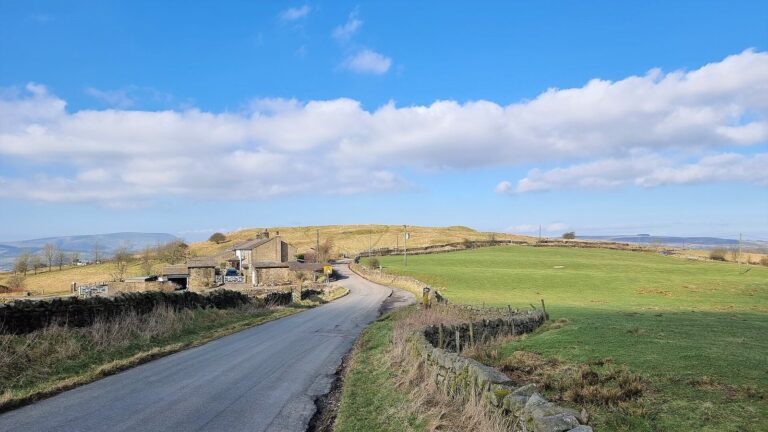
Part of the park’s development was laid out around the former Deer House Farm and dairy. The Pennine Bridleway, a long-distance route for walkers, cyclists and horse riders, crosses the estate. At its southern end, the Ribble Valley railway line runs beneath the park in a cut-and-cover tunnel, built in an excavated trench and then covered over.