Gebang Temple: An Eighth-Century Hindu Temple in Yogyakarta
Site at a Glance
- Rating
- 4.5
- Popularity
- High
- Country
- Indonesia
- Primary era
- Medieval
- Eras represented
- Medieval
- Civilizations
- Unclassified
- Site type
- Religious
- Remains
- Temple
History
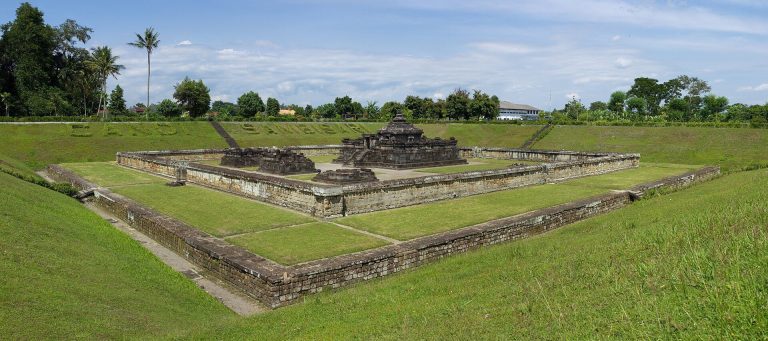
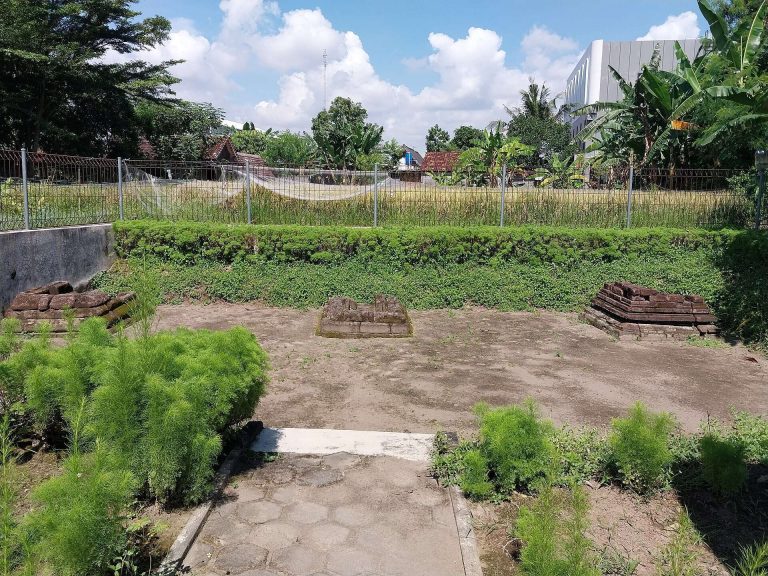
Gebang Temple is an eighth-century Hindu temple in Gebang hamlet, Wedomartani village, Sleman Regency, in Indonesia’s Special Region of Yogyakarta. It was built under the Medang, or Mataram, kingdom, a Javanese kingdom. The temple’s proportions, particularly its unusually high base, support a proposed construction date of about AD 730 to 800, during the kingdom’s earlier period.
Rediscovery and reconstruction
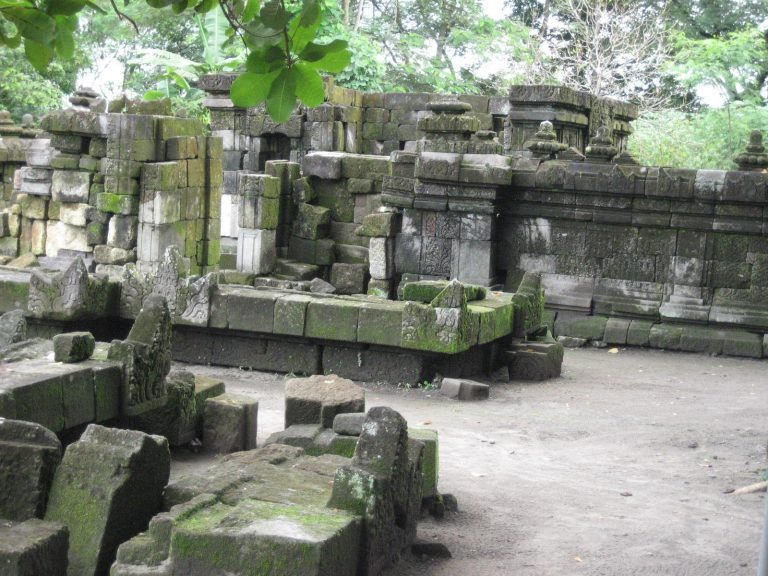
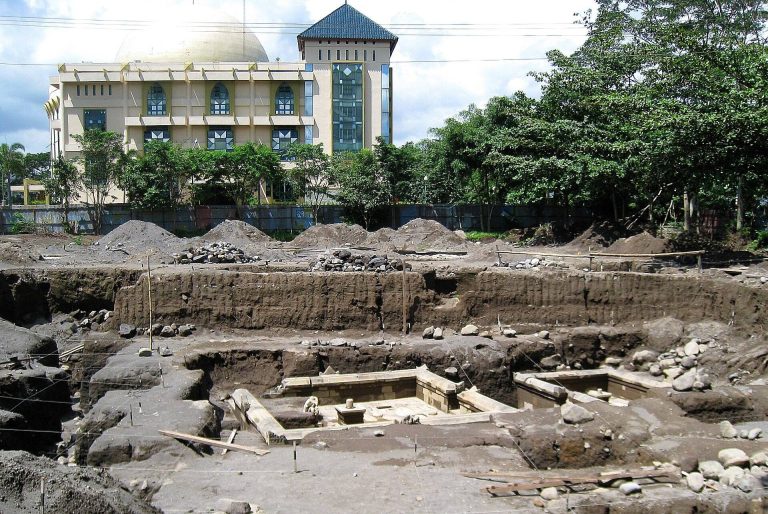
In November 1936, a villager found a statue of Ganesha, the elephant-headed Hindu deity. The Oudheid Dienst, the Netherlands Indies archaeological service, excavated the spot and identified the statue as part of a small stone building. Further work that year uncovered the temple ruins. Finds included pottery, statuettes, stone boxes, and a lingam, a symbol associated with Shiva. The temple was named for the hamlet where it stands.
By the time of its excavation, volcanic mud and debris flows from Mount Merapi had buried the site. The walls and roof had collapsed, although the base remained intact. Andesite stones from the roof and base also survived. Dutch archaeologist Van Romondt reconstructed the temple between 1937 and 1939.
Remains
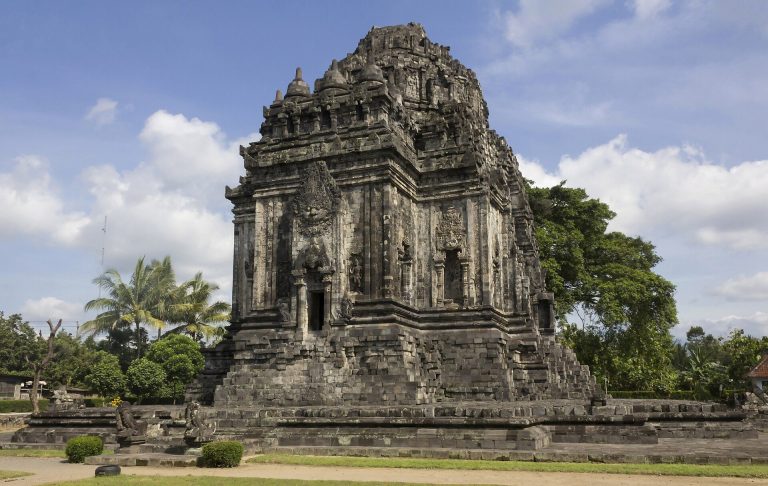
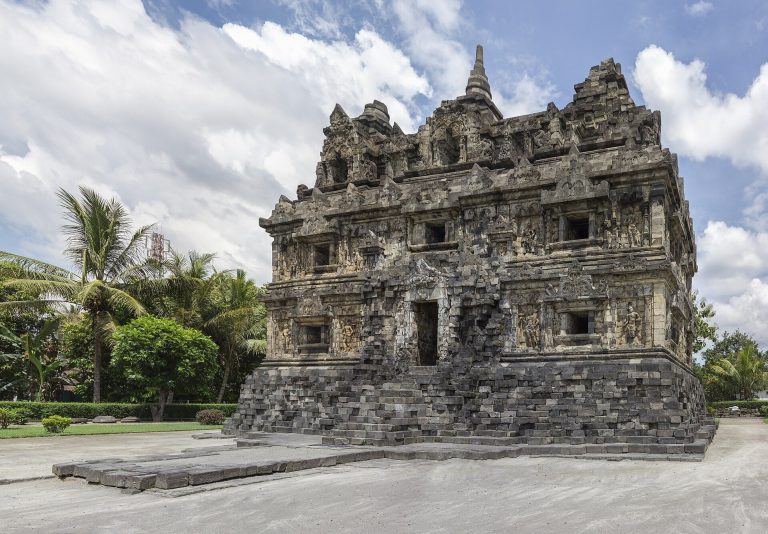
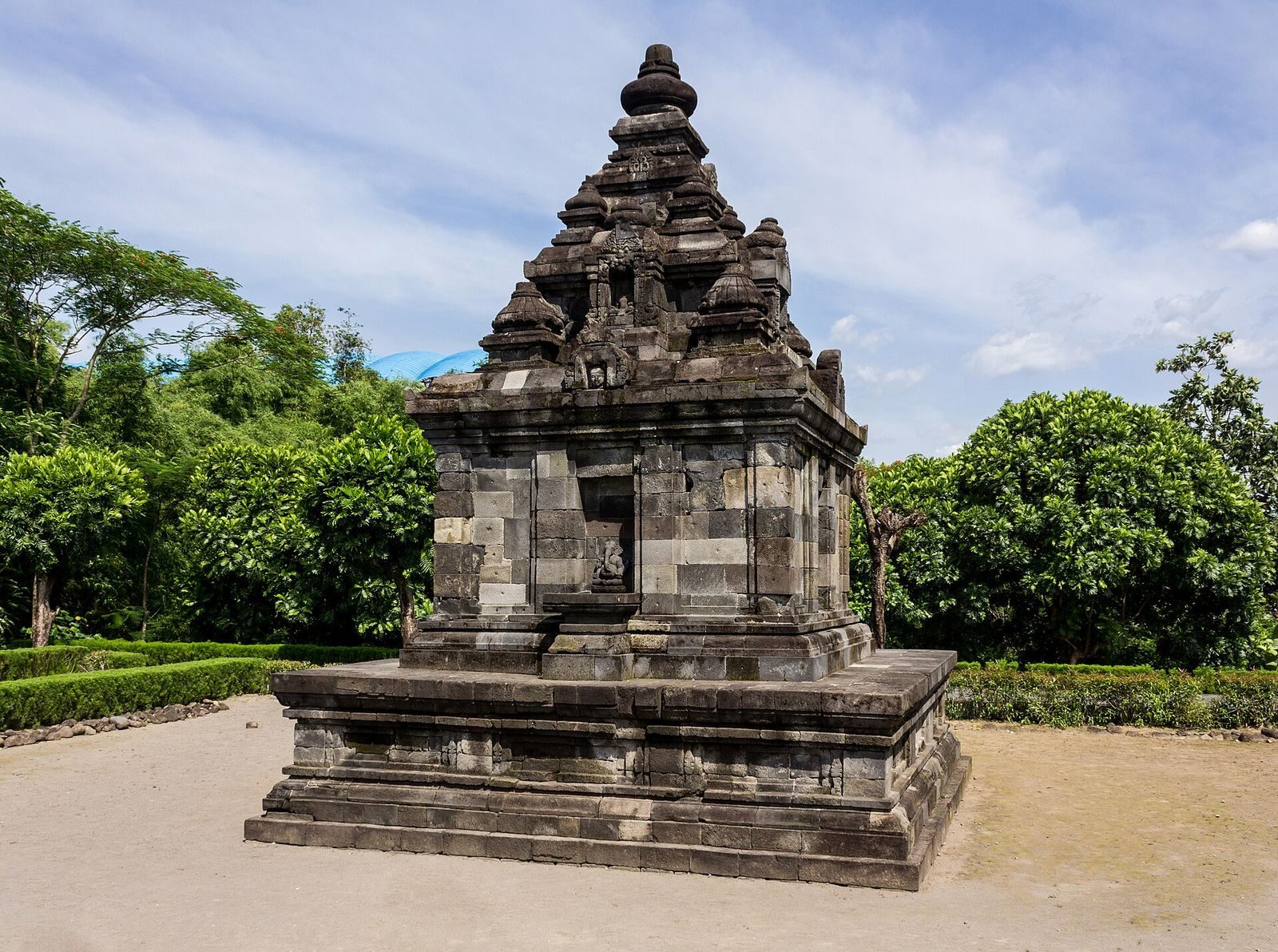
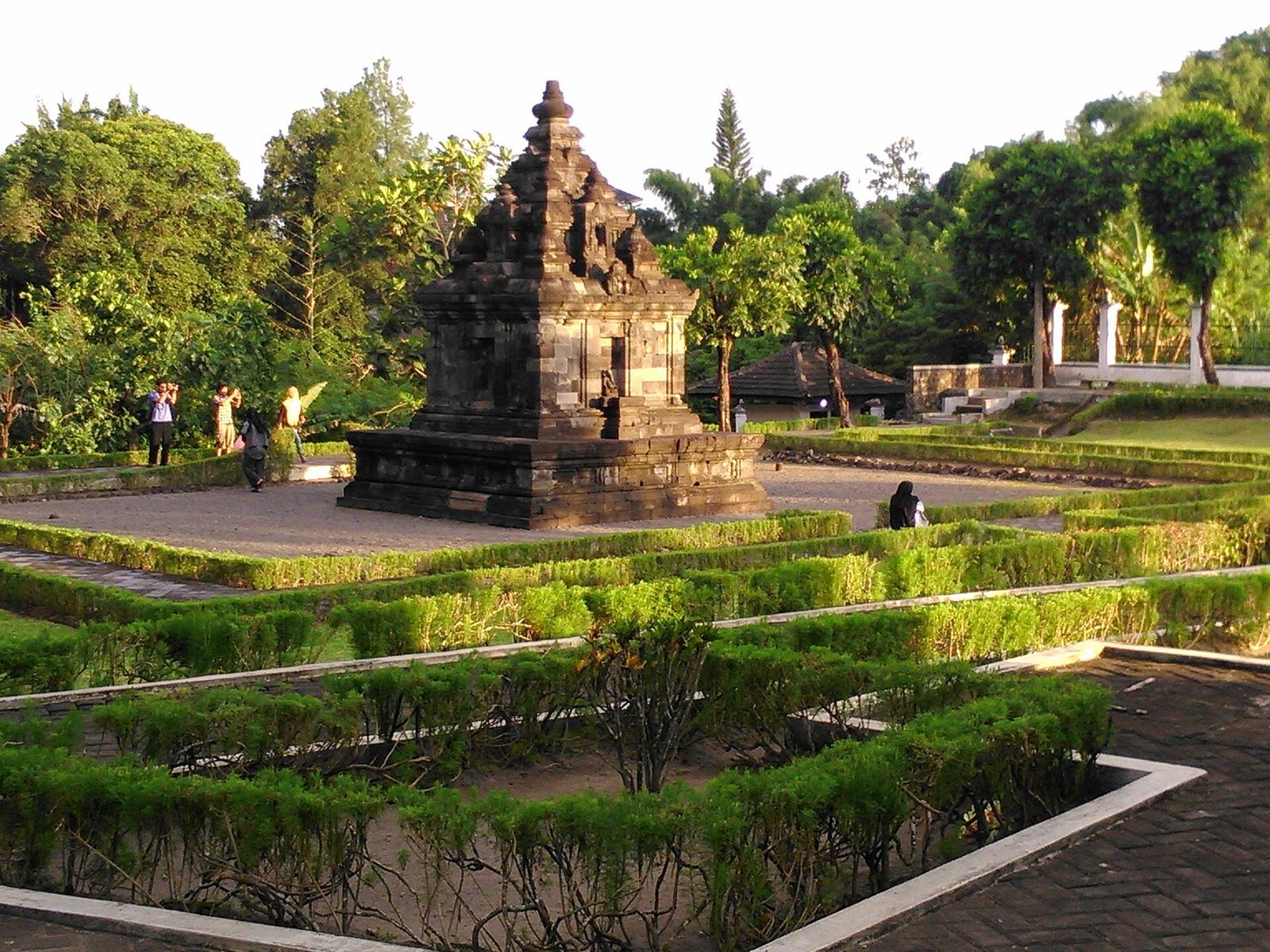
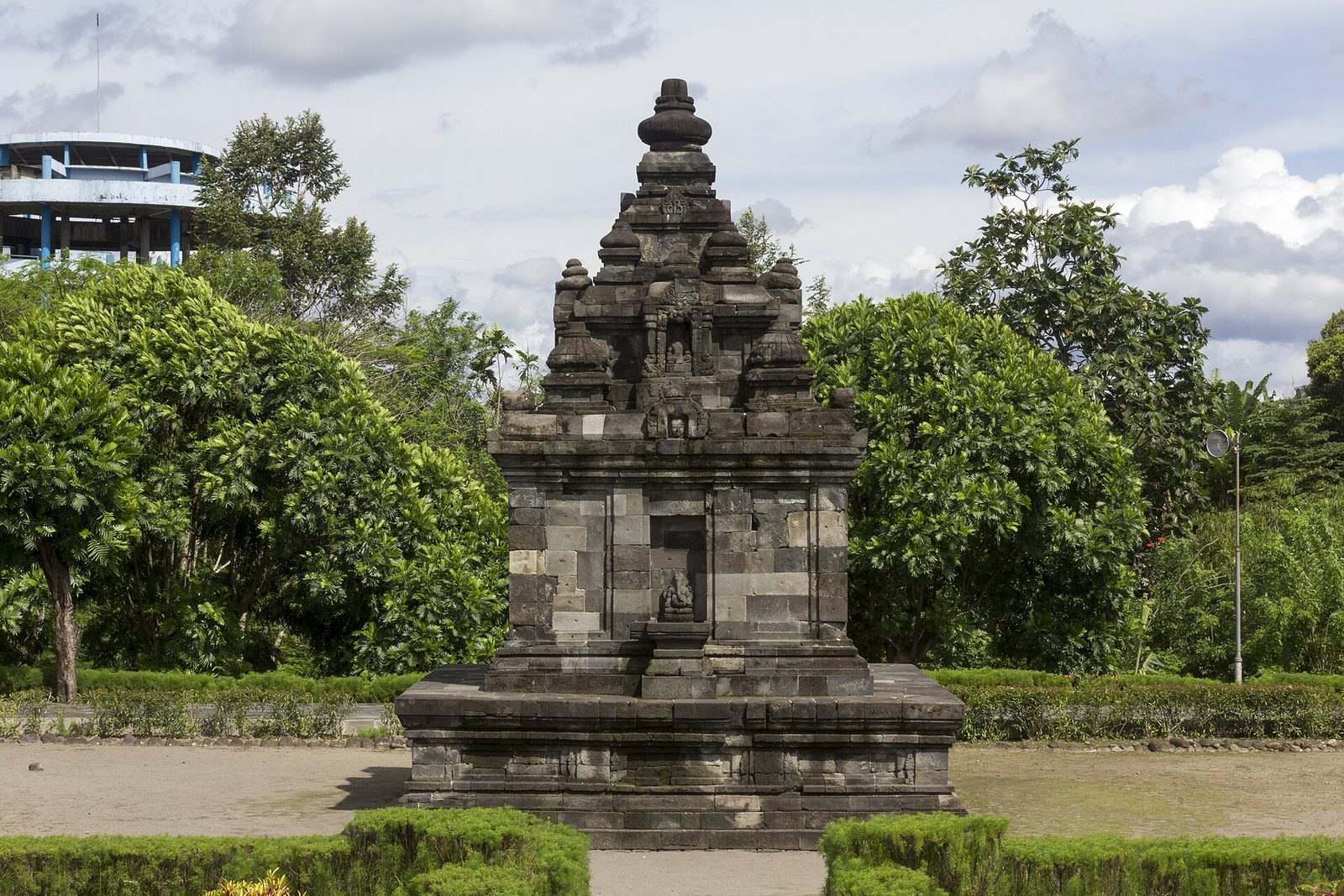
The reconstructed stone temple has a square base measuring 5.25 metres on each side and reaches 7.75 metres in height. It faces east, with its entrance on that side. Temporary wooden stairs now provide access; any original stairs may have been made from perishable wood.
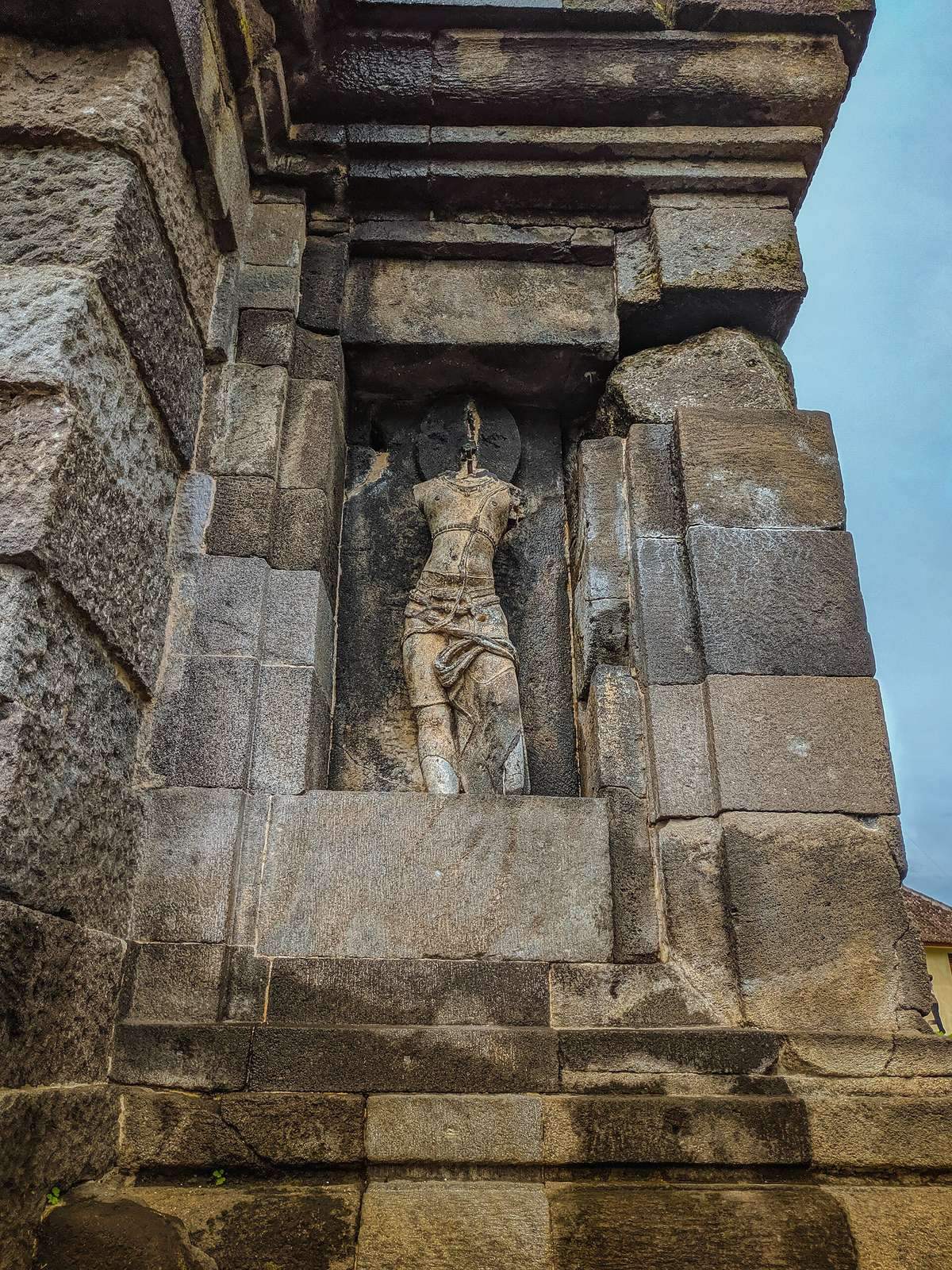
Niches flank the entrance. One contains an image of Nandiswara, a figure associated with Shiva; its head was stolen in November 1989. The niche opposite is thought to have been intended for Mahakala, a fierce form of Shiva. A yoni, a symbol of the feminine principle, occupies the centre of the inner chamber. Niches also appear on the north, south, and east outer walls. On the west side, a separate niche holds Ganesha seated on a yoni with a spout.
The roof combines small divine heads projecting from a window frame with seated male divine figures in small niches. The head ornaments, called kudu, form a decorative motif. Roof decoration at Gebang has been compared with that of Bima Temple in the Dieng Plateau. A ratna, a crowning architectural ornament, tops the temple. Four pseudo-lingams, forms shaped like Shiva lingams and generally used symbolically or decoratively, stand at the corners of the courtyard.