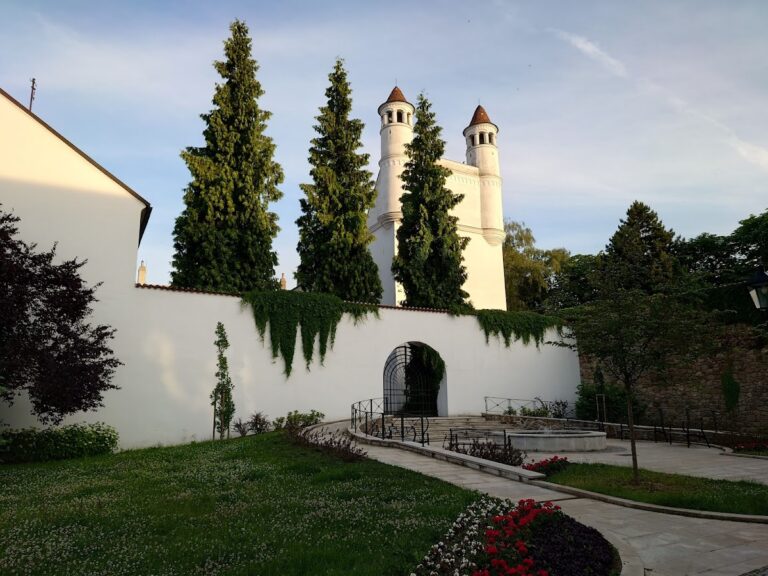
Fulnek Castle: A Renaissance Chateau Complex in Czechia
Site at a Glance
- Rating
- 4.3
- Popularity
- Very Low
- Country
- Czechia
- Primary era
- Early Modern
- Eras represented
- Medieval, Early Modern, Modern
- Civilizations
- Austrian Empire, Habsburg, Holy Roman Empire
- Site type
- Domestic
- Remains
- Castle
On this page9 sections
History
Fulnek Castle is a chateau complex in Fulnek, Czechia, whose origins lie in a fourteenth-century medieval castle and whose principal transformation created a Renaissance residence in the sixteenth century. The complex later endured military occupation, fire, changing ownership, twentieth-century confiscation, and repeated rebuilding.
Medieval origins and Renaissance transformation
Fulnek was first recorded in 1293, when it belonged to the Lords of Lichtenburk. The Lords of Kravaře later held the estate for a long period and built a castle there in the fourteenth century. The castle was first mentioned in 1372, after which Fulnek passed to the Lords of Šternberk and then to the Lords of Žerotín.
In 1540, the Silesian nobleman Oldřich Cetrys of Kynšperk acquired Fulnek. Ownership later passed through his wife’s second marriage to Baltazar Schweinitz, who transformed the medieval castle into a Renaissance chateau during the second half of the sixteenth century. He invited Italian artists to work on the residence, including the decoration of its principal hall with frescoes, paintings made on fresh plaster, depicting Roman emperors.
Seventeenth- and eighteenth-century changes
At the beginning of the seventeenth century, the Skrbenský family made further alterations. Jan II the Elder Skrbenský of Hříště later joined the Moravian Estates’ uprising, a political revolt by the Moravian nobility. The estate was confiscated, and Count Václav Bruntálský of Vrbno acquired it in 1622. His family retained Fulnek until 1788.
During the Thirty Years’ War, a Swedish garrison occupied Fulnek and remained until 1650. The chateau was then practically uninhabitable. Although the Bruntálský family had moved its residence to Bohemia, Jan František took measures to preserve the complex. A French-style park with fountains was established in the eighteenth century, while the Lower Chateau acquired the form that it largely retains today.
Fire, reconstruction, and aristocratic ownership
In 1788, the indebted estate was purchased from the Vrbno family by the wealthy Opava merchant Karel Čejka of Badenfeld, who was raised to the rank of knight in the same year. A destructive fire damaged the chateau in 1801. Only the eastern wing of the Upper Chateau was restored afterward, with the participation of the Liechtenstein builder Jan Mihatsch. Further building work followed in 1824, and another reconstruction took place in 1912.
Baron Christian Friedrich Stockmar bought Fulnek in 1842 for three-quarters of a million gulden. Stockmar was the personal physician of Leopold I, king of the Belgians from 1831 to 1865, and acted as his intermediary because reigning monarchs were then prohibited from owning estates abroad. After Leopold I, the property passed to his younger son, Prince Philippe of Flanders, and later to Philippe’s daughters.
Twentieth-century ownership and protection
The land reform of the First Czechoslovak Republic, the state established in 1918, affected the estate during the 1920s. The demesne covered 2,636 hectares and was jointly owned by the Belgian princesses Henriette, Duchess of Vendôme, and Joséphine, Princess of Hohenzollern. They sold the remaining estate and chateau for 6.5 million crowns to industrialist and former Valašské Meziříčí mayor František Chrastina and lawyer and National Assembly deputy Jaromír Špaček. Špaček bought Chrastina’s share in 1928 and became the sole owner.
After the German occupation, Špaček moved to Prague and lived in seclusion. He returned to Fulnek after the Second World War and tried to restore the looted chateau. He definitively lost the property in 1950 after the communist takeover and later lived in a rented apartment. The Czechoslovak army used the chateau through Garrison Administration 55 Fulnek until early 1954. The military unit then moved to Rokytnice in the Orlické Mountains, where it operated as Military Unit 8014, an engineering regiment, until its dissolution in 1967.
The chateau subsequently changed hands several times and for a long period belonged to the Municipal Institute of National Health in Ostrava, which used it to store medicines. After 1989, the property was restituted, meaning returned after communist confiscation, to Rostislav Špaček, the last owner’s son. He began partial reconstruction and restored the chateau park, but later sold the deteriorated property. The complex was auctioned in 2008 to Ostrava businessman Teodor Reinhold for ten million crowns, after which reconstruction began. It remains privately owned. Fulnek has been protected as an immovable cultural monument since 1958, covering the Upper and Lower Chateaus.
Remains
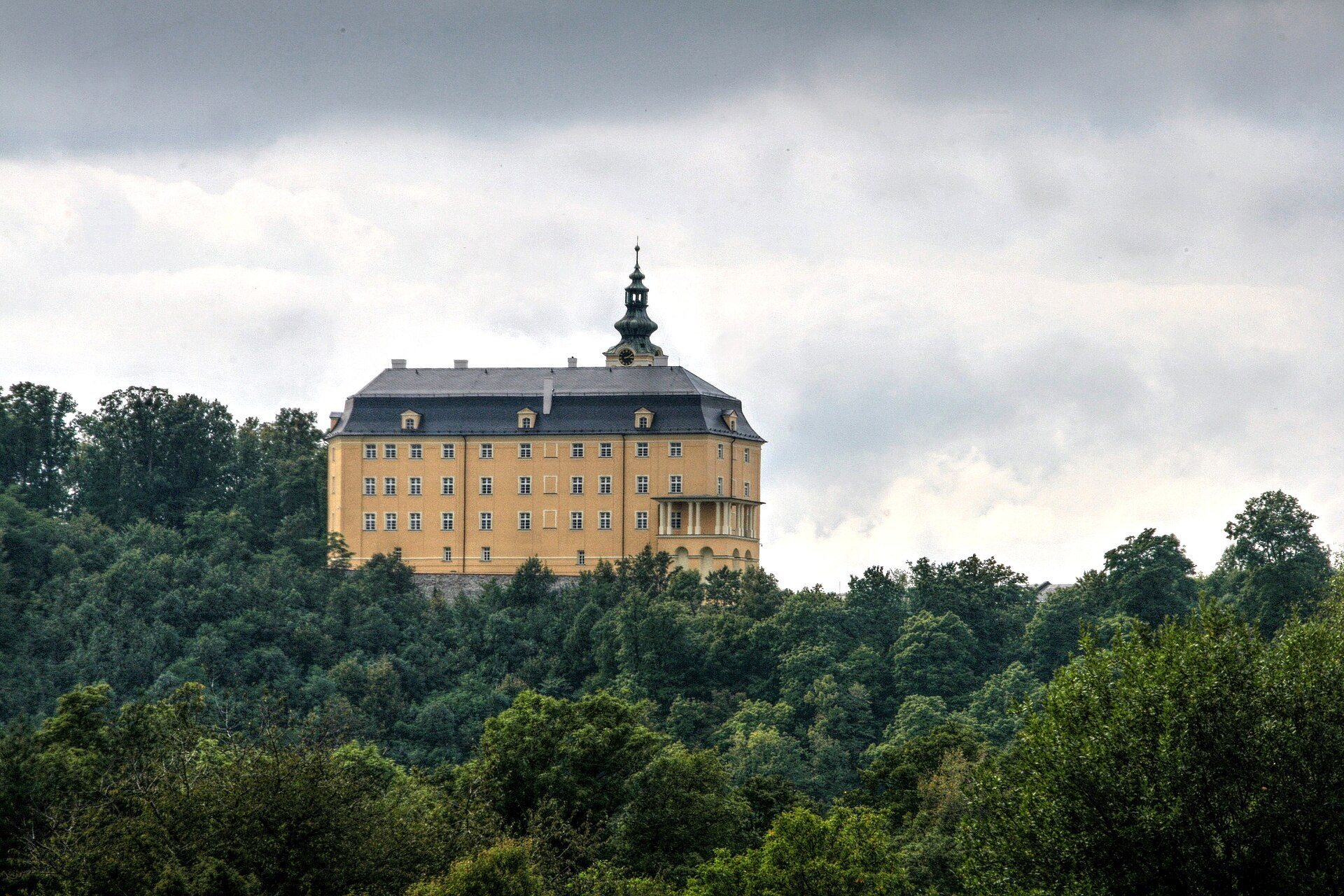
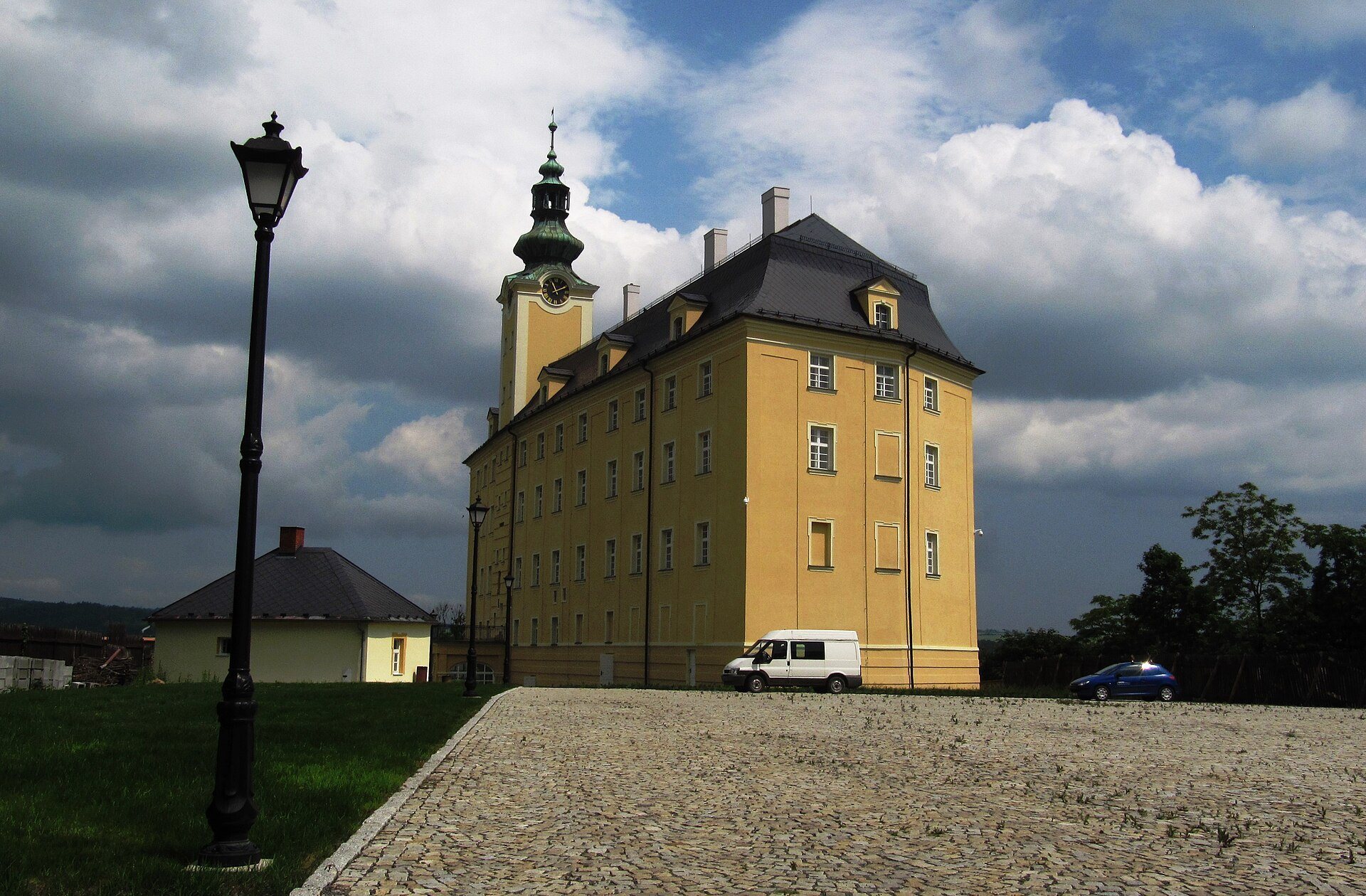
Fulnek Castle forms an extensive complex of Upper and Lower Chateaus on Castle Hill east of the town centre. The surviving buildings reflect repeated reconstruction from the sixteenth through the twentieth centuries. The Upper Chateau occupies the medieval castle site, while the Lower Chateau stands on part of the settlement that existed below the castle in the fourteenth century.
Upper Chateau
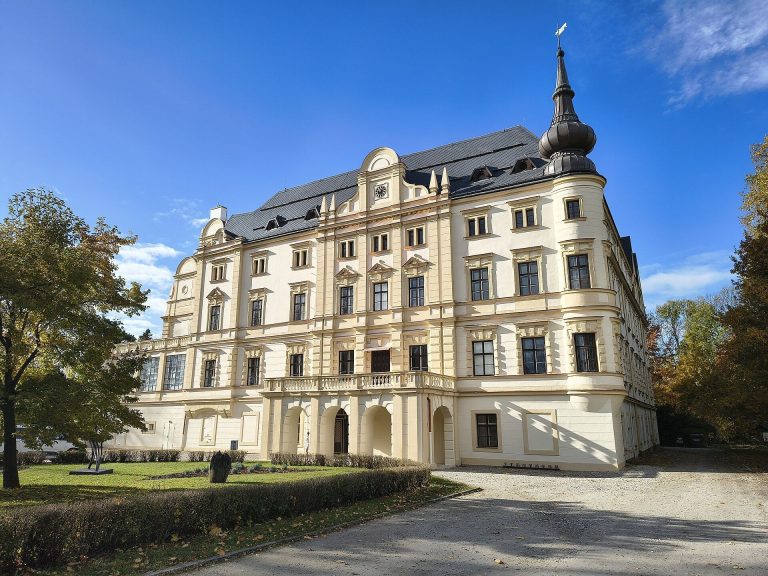
The Upper Chateau is a prominent landmark visible from many kilometres away. Its sixteenth-century Renaissance rebuilding produced a two-storey residence. The principal hall once contained frescoes of Roman emperors, but the artistically valuable decoration was destroyed in a later fire. After the Swedish occupation, the building retained the form of a four-winged chateau with a tall tower enclosing a small courtyard.
The 1801 fire left only the eastern wing restored, with work involving Jan Mihatsch, a Liechtenstein builder. Alterations followed in 1824, and the building was reconstructed again in 1912. Restoration begun after 2008 has continued on the deteriorated structures, leaving the Upper Chateau as a layered complex shaped by medieval origins, Renaissance remodelling, fire damage, and later rebuilding.
Lower Chateau
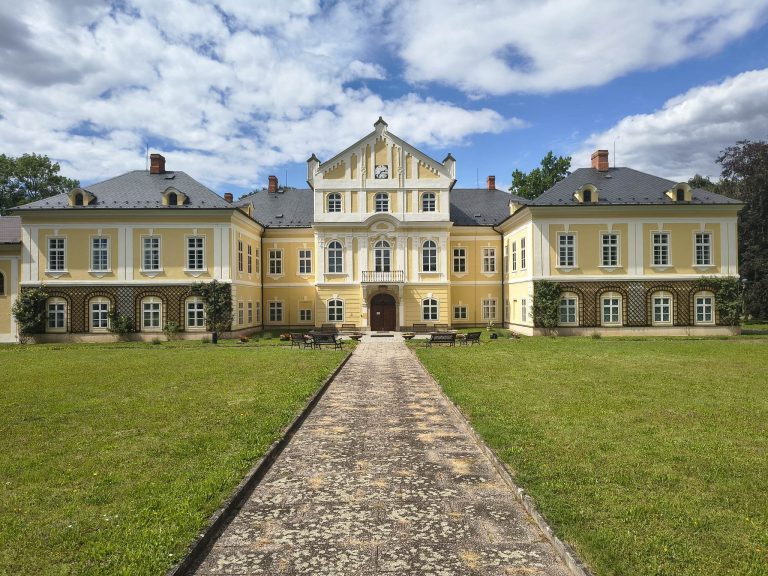
The Lower Chateau occupies part of the area of the settlement below the medieval castle. It acquired its present form in the mid-eighteenth century and served the administration of the estate. Its rooms included offices for estate officials, apartments for officials, and an inn. Together with the Upper Chateau, it forms the protected architectural complex of Fulnek Castle.
Park
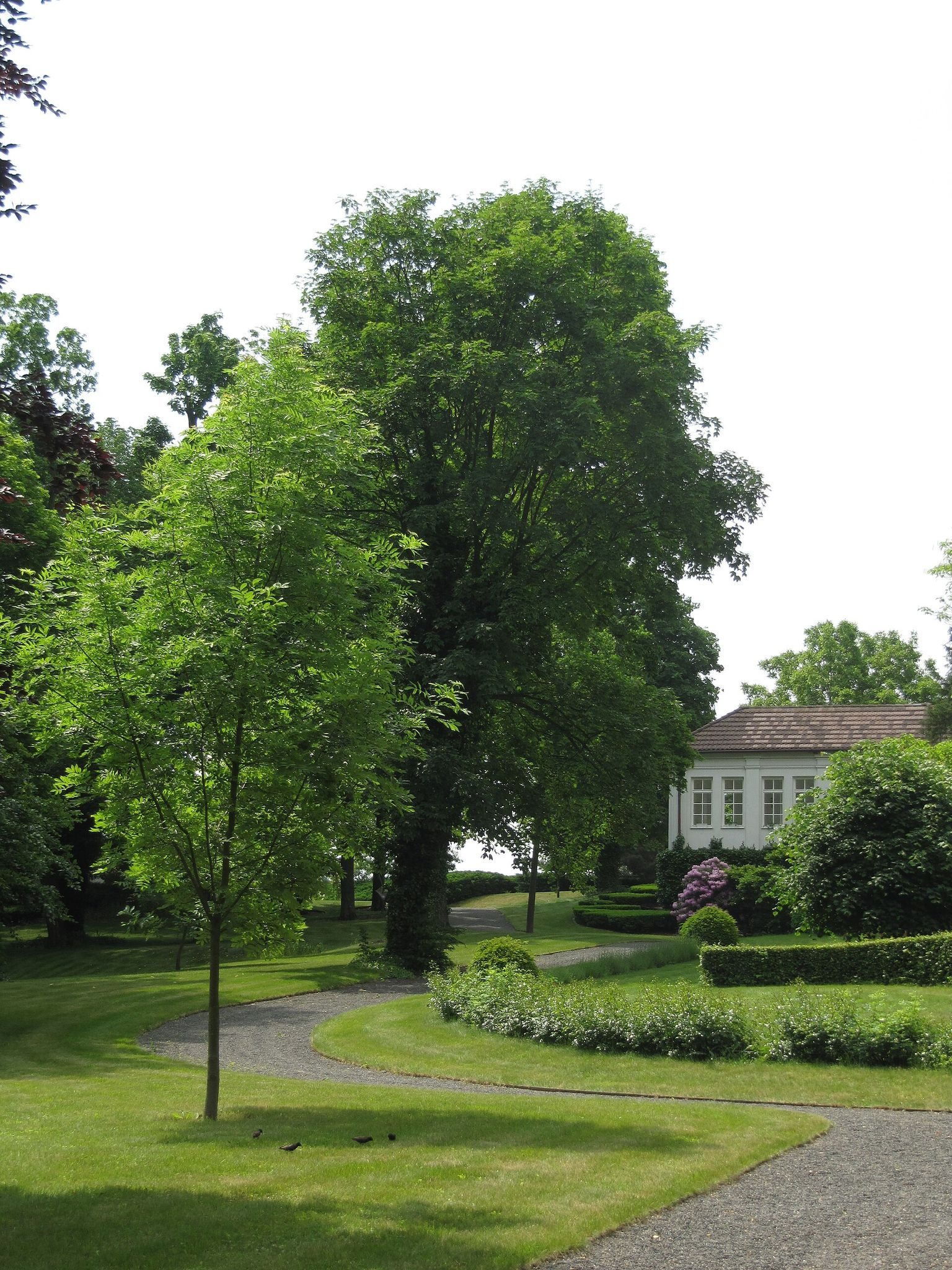
A French-style park with fountains was created in the eighteenth century as part of the chateau complex. The park was restored during the period after 1989, alongside partial reconstruction of the buildings. Its surviving arrangement forms part of the later landscape setting of the Upper and Lower Chateaus.