Forty Hall: A Seventeenth-Century Manor House in Enfield
Site at a Glance
- Popularity
- High
- Country
- United Kingdom
- Primary era
- Early Modern
- Eras represented
- Early Modern, Modern
- Civilizations
- British, English
- Site type
- Domestic
- Remains
- Manor House
On this page6 sections
History
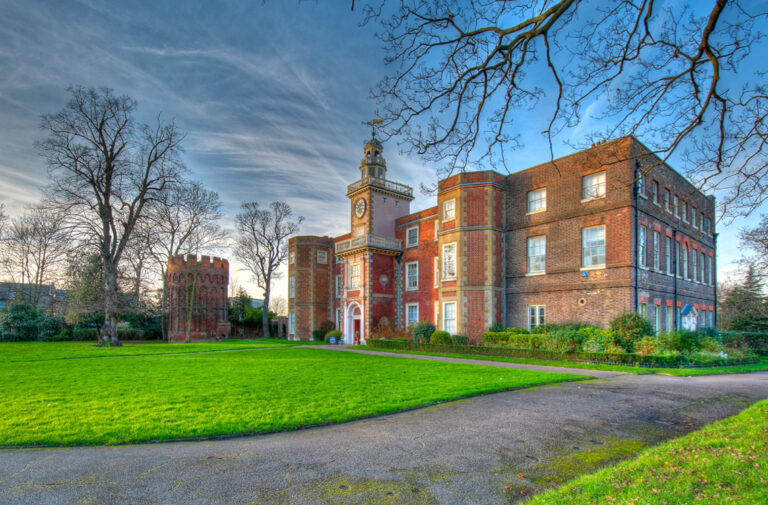
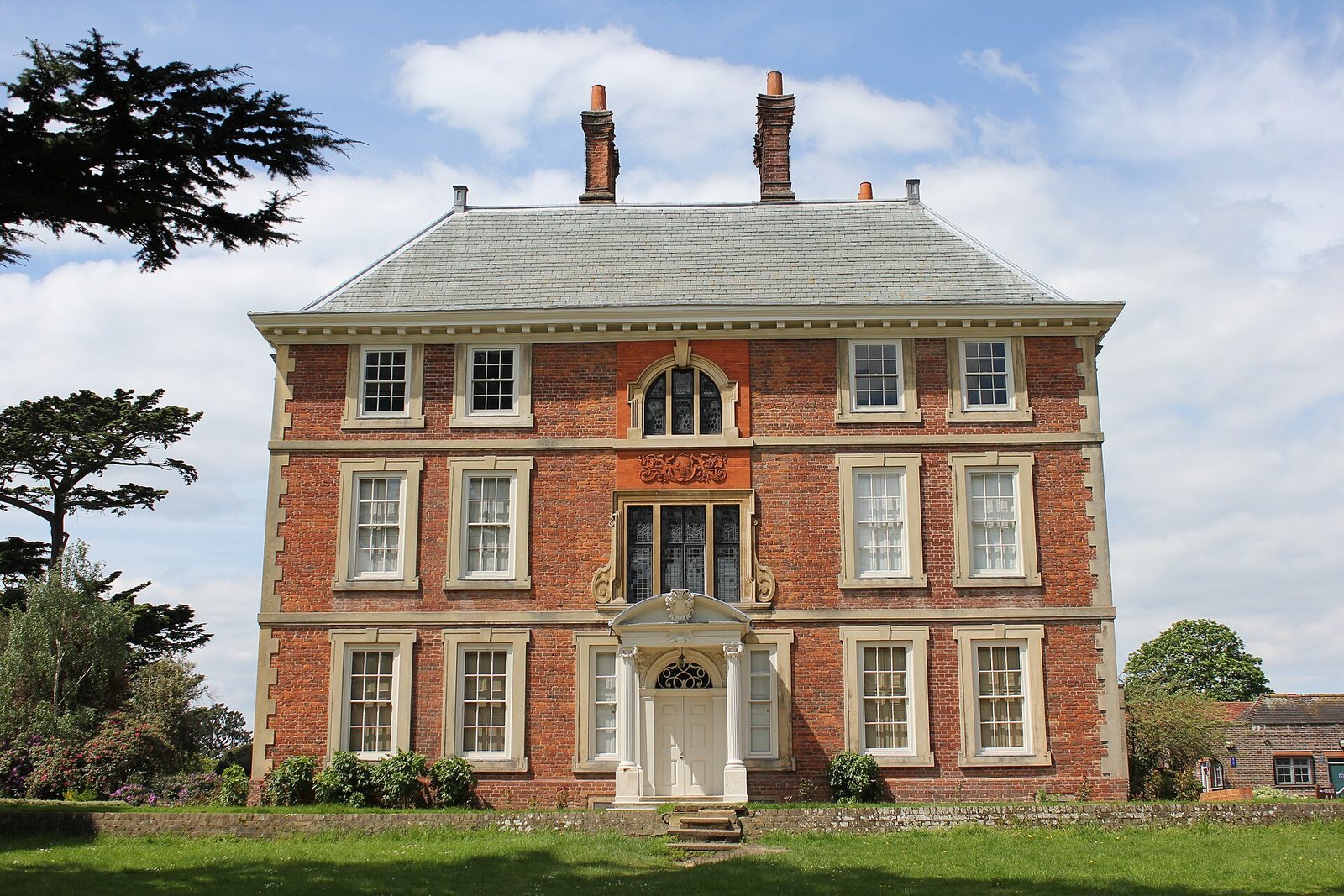
Forty Hall is a seventeenth-century manor house in Enfield, United Kingdom, built from 1629 to 1632 and generally attributed to Sir Nicholas Rainton. Its ownership passed through several families before the hall became a museum under public ownership.
Rainton and the early hall
Rainton was a wealthy London haberdasher, a merchant who sold clothing accessories and sewing goods. He served as Lord Mayor, the City of London’s senior civic officer, from 1632 to 1633. A nineteenth-century account instead credited Sir Hugh Fortee with building the house and said that Rainton bought it. A 1635 survey described it as copyhold, a form of tenure governed by a manor’s customs, and linked the property first with Fortee and later with Sir Thomas Gurney. Fortee’s name has also been proposed as the origin of “Forty.” A conservation assessment judged that the house was more likely designed by a skilled artisan-builder than by a leading architect such as Inigo Jones.
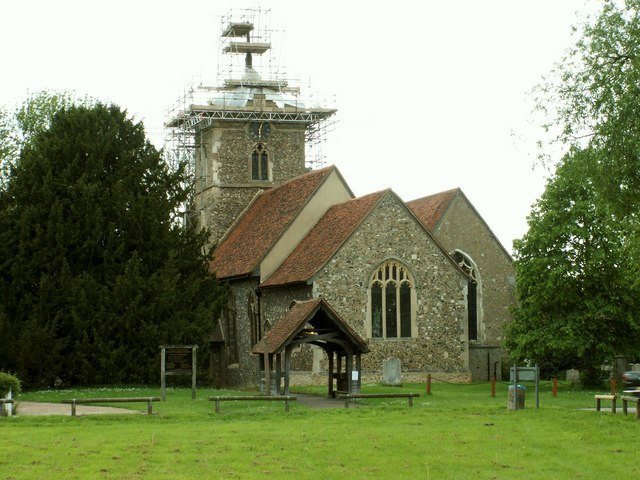
In 1640, Rainton was imprisoned after refusing to help Charles I, king of England, Scotland and Ireland, raise a loan. Rainton died in 1646, aged 77, and was buried at St Andrew’s Church in Enfield. The hall then passed to his great-nephew, also named Nicholas. In 1656, the younger Nicholas enlarged the estate northwards by purchasing and demolishing the neighbouring Elsyng Palace, built during England’s Tudor period.
Later owners and alterations
In 1696, the property passed to John Wolstenholme, probably a descendant of a merchant and financier of the same name who belonged to the Virginia Company, an English company involved in overseas colonization. Wolstenholme undertook a major refurbishment, possibly following a fire. Eliab Breton acquired the hall in 1740; later owners included Edmund Armstrong from 1787 and James Meyer from 1799.
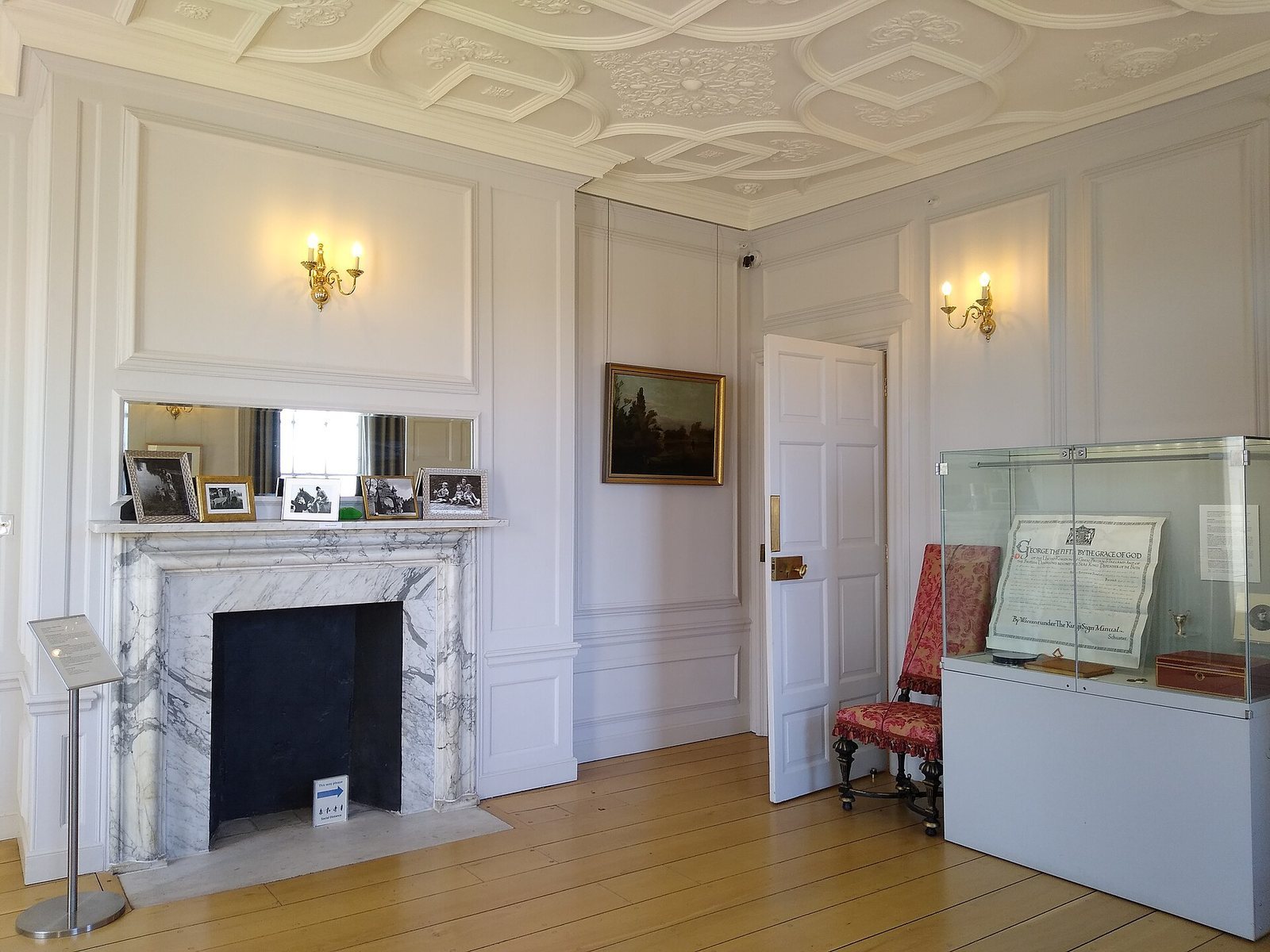
Henry Carrington Bowles bought the hall in 1894 for his son, Major Henry Ferryman Bowles, an Enfield MP who later became the first Baronet Bowles. Further alterations followed in 1897. In 1951, the Bowles family sold the property to the Municipal Borough of Enfield, predecessor of the London Borough of Enfield. The hall became a museum and received Grade I listed status, the highest level of listed-building protection in England, for buildings of exceptional architectural or historic interest. A later major redevelopment restored the staircase to its original position. The museum’s permanent displays explore the house and estate, Rainton’s life and seventeenth-century life through visual and audio material.
Remains
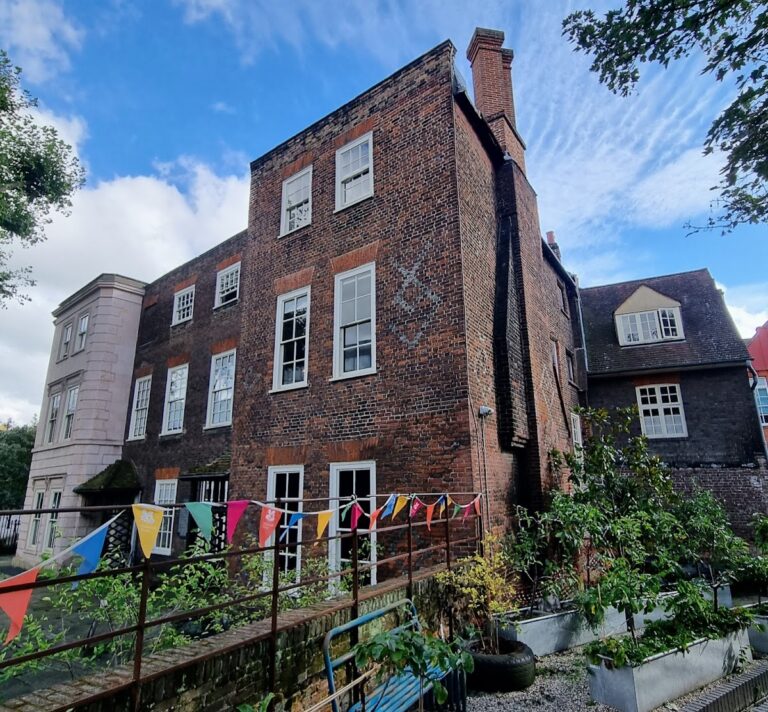
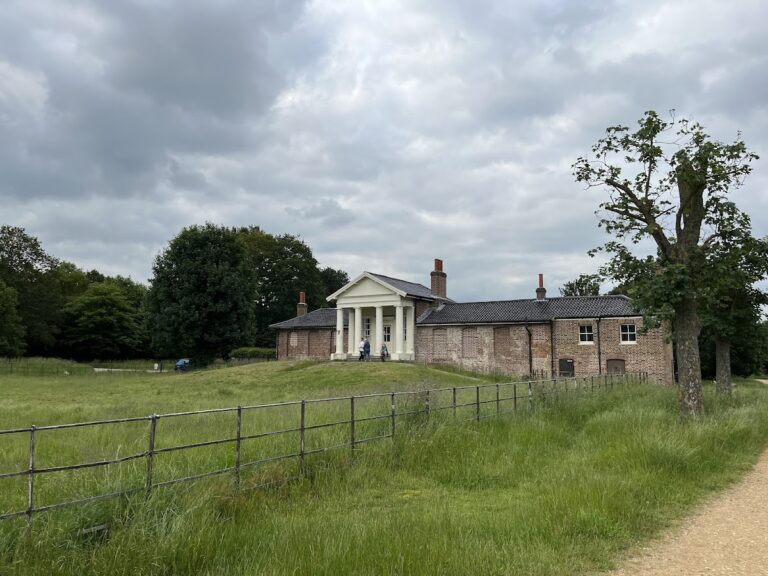
The manor house has an original square plan, although its exterior has the appearance of an eighteenth-century house. The hall and formal park stand on a level gravel plateau on Forty Hill, above the River Lea floodplain to the east and the Turkey Brook valley to the north and west. The grounds descend into the valley, where old ponds lie on London Clay.
The manor house
A small extension was added to the northwest of the original house in 1636. The southwest extension dates to the major refurbishment associated with Wolstenholme, and its wing was enlarged in 1897.
Parkland and estate features
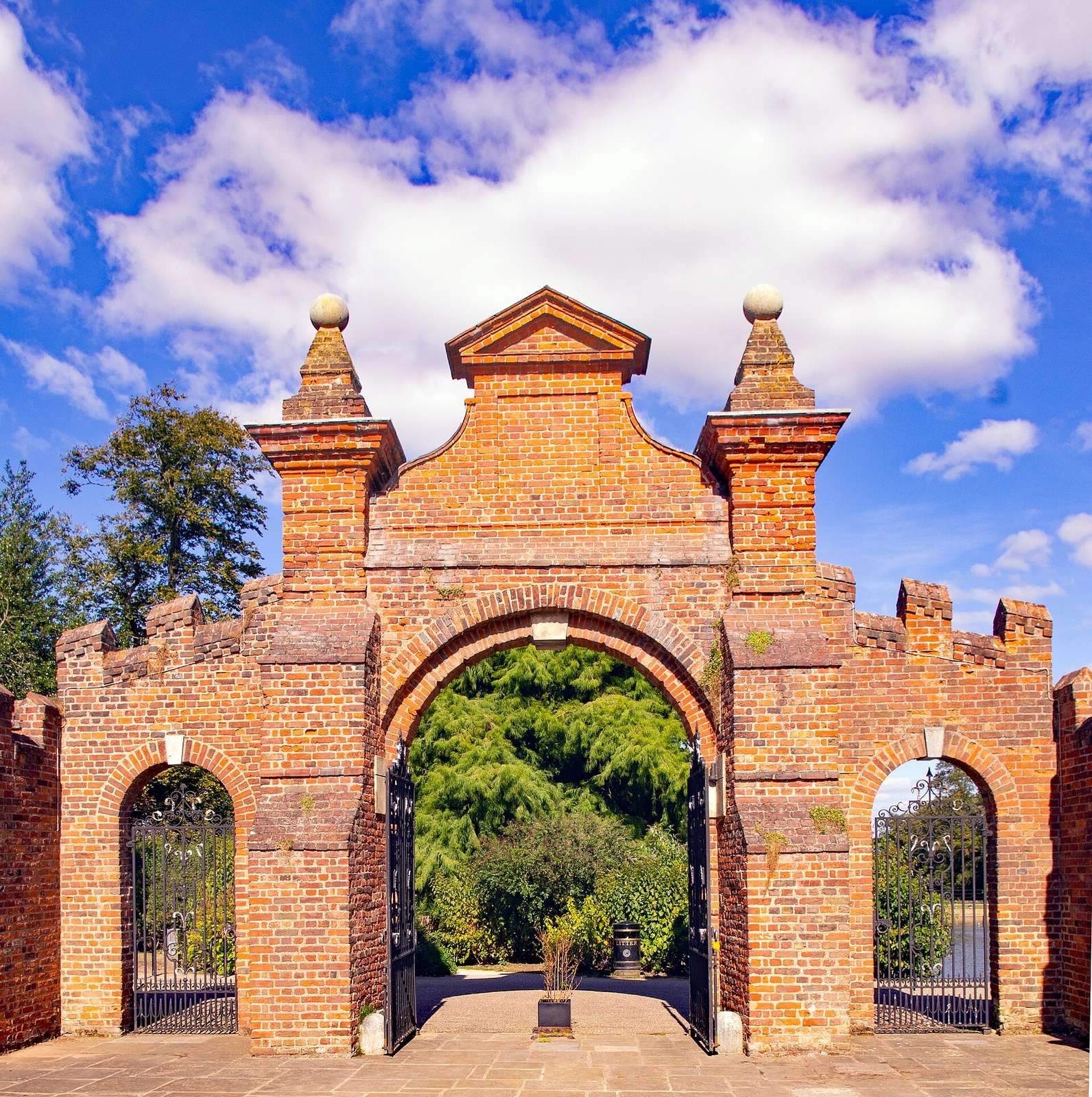
The estate covers about 107 hectares (260 acres) and includes formal gardens, a small lake, a public park and a farm. An avenue of trees descends from the house into the Turkey Brook valley; the brook is also known locally as Maidens Brook. A loop of the former New River course once formed much of the estate boundary and has since been rerouted eastward; its former alignment marks the northern and much of the southern boundary. The grounds also contain the site of Elsyng Palace and a Cedar of Lebanon recognized as one of the Great Trees of London and Greater London’s county-girth champion.