Fortified Church in Merghindeal, Sibiu: A Romanesque Evangelical Church
Site at a Glance
- Rating
- 4.3
- Popularity
- Very Low
- Country
- Romania
- Primary era
- Medieval
- Eras represented
- Medieval, Early Modern
- Civilizations
- Hungarian
- Site type
- Religious
- Remains
- Fortified Church
On this page10 sections
History
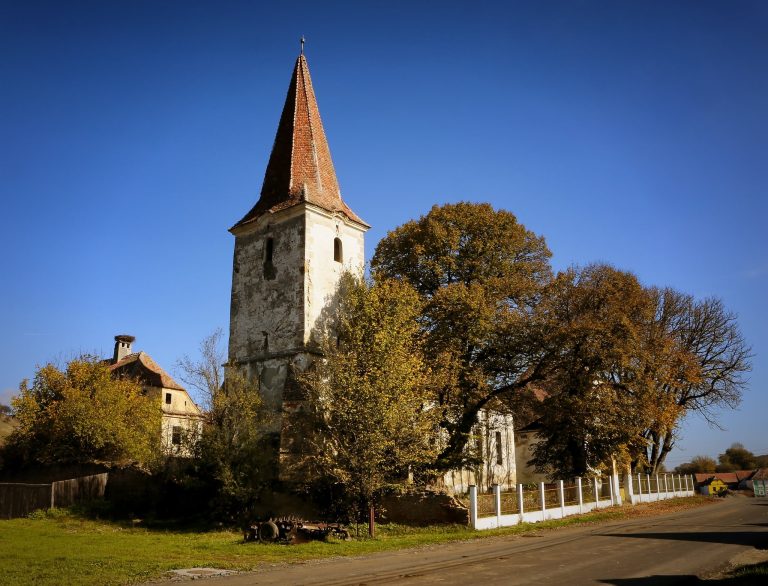
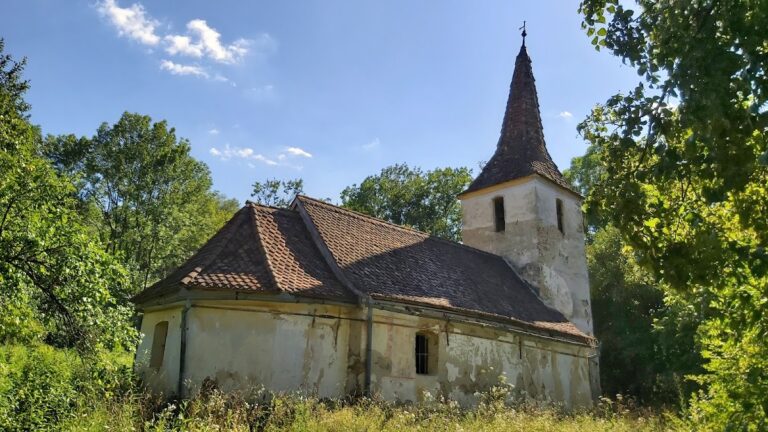
The fortified church in Merghindeal, Sibiu, Romania, is a Romanesque evangelical church built in the second half of the thirteenth century. Romanesque architecture is characterized by massive masonry, rounded arches, small openings, and sturdy geometric forms. The settlement was first documented in 1336, placing the church within the medieval development of Transylvania.
Medieval Church and Lutheran Tradition
The church belongs to the Romanian Evangelical Church of the Augsburg Confession, a Lutheran church identified with the principal Lutheran statement of faith presented in 1530. It is associated with the Sibiu district and the Upper Hârtibaciu parish. In 1995, Merghindeal had 41 inhabitants, and services were conducted by the priest from Dealu Frumos.
Fortification and Destruction
The church was fortified around 1500, and a larger enclosure with defensive towers was added during the sixteenth century. The ensemble was devastated soon afterward by the army of Michael the Brave, a late-sixteenth-century prince who ruled Wallachia, Transylvania, and Moldavia at different points and briefly brought the three principalities under his rule. An interior inscription preserves the memory of this destruction.
Renovation and Protection
After the damage, the evangelical church complex was renovated in 1634, 1732, 1773, 1803, and 1958. The church itself was also modified in 1803. The complex is listed as a historic monument in Romania under code SB-II-a-A-12458, with the fortified evangelical church and the sixteenth-century enclosure identified separately.
Remains
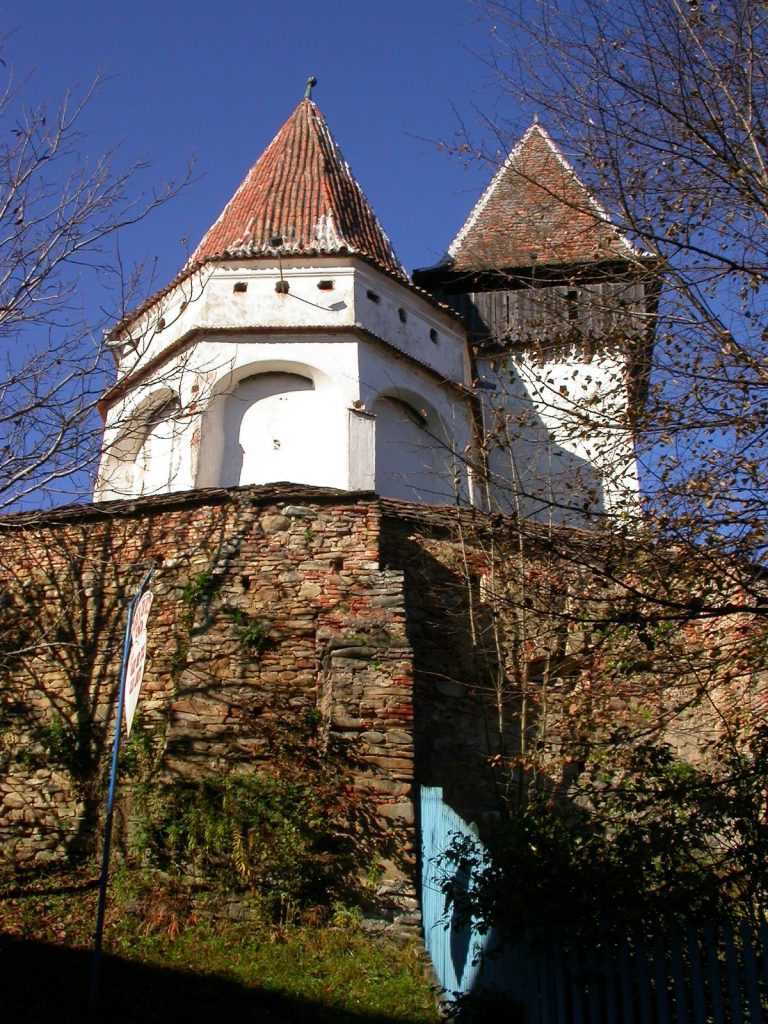
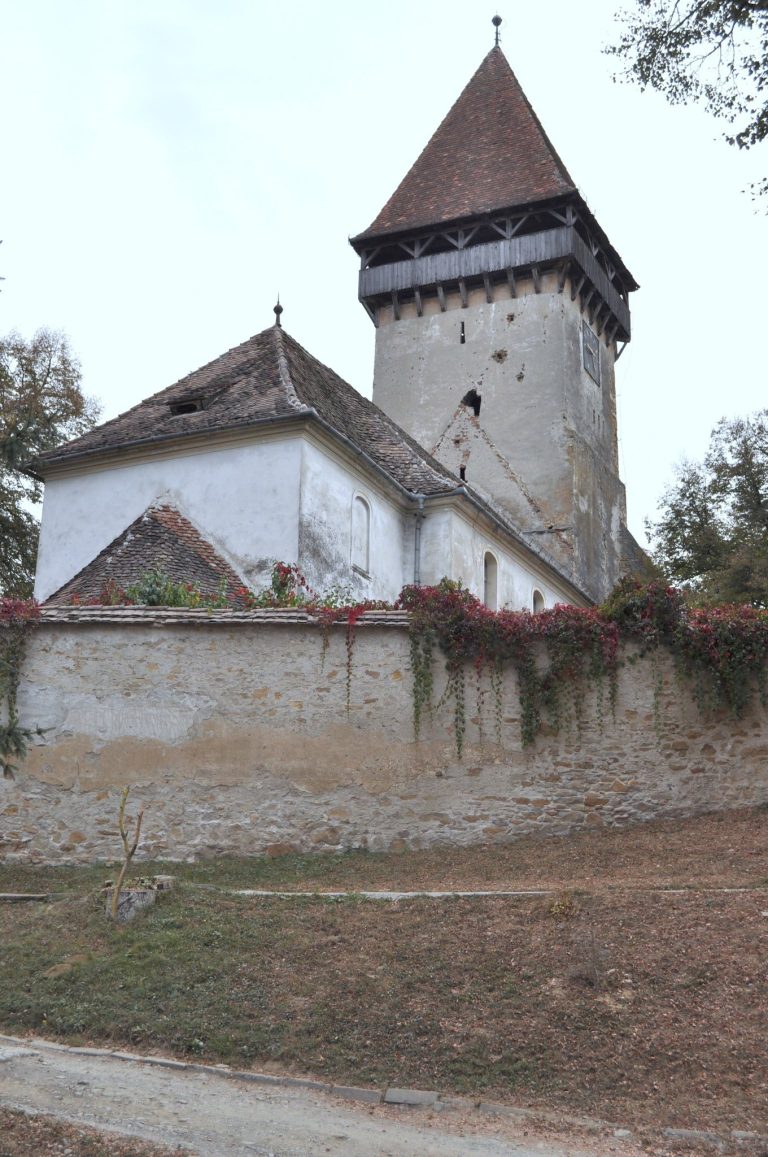
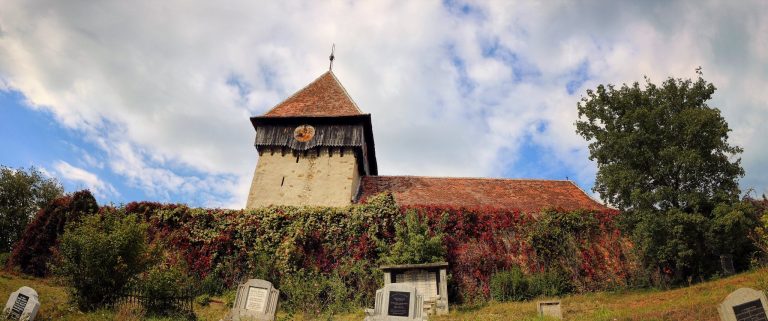
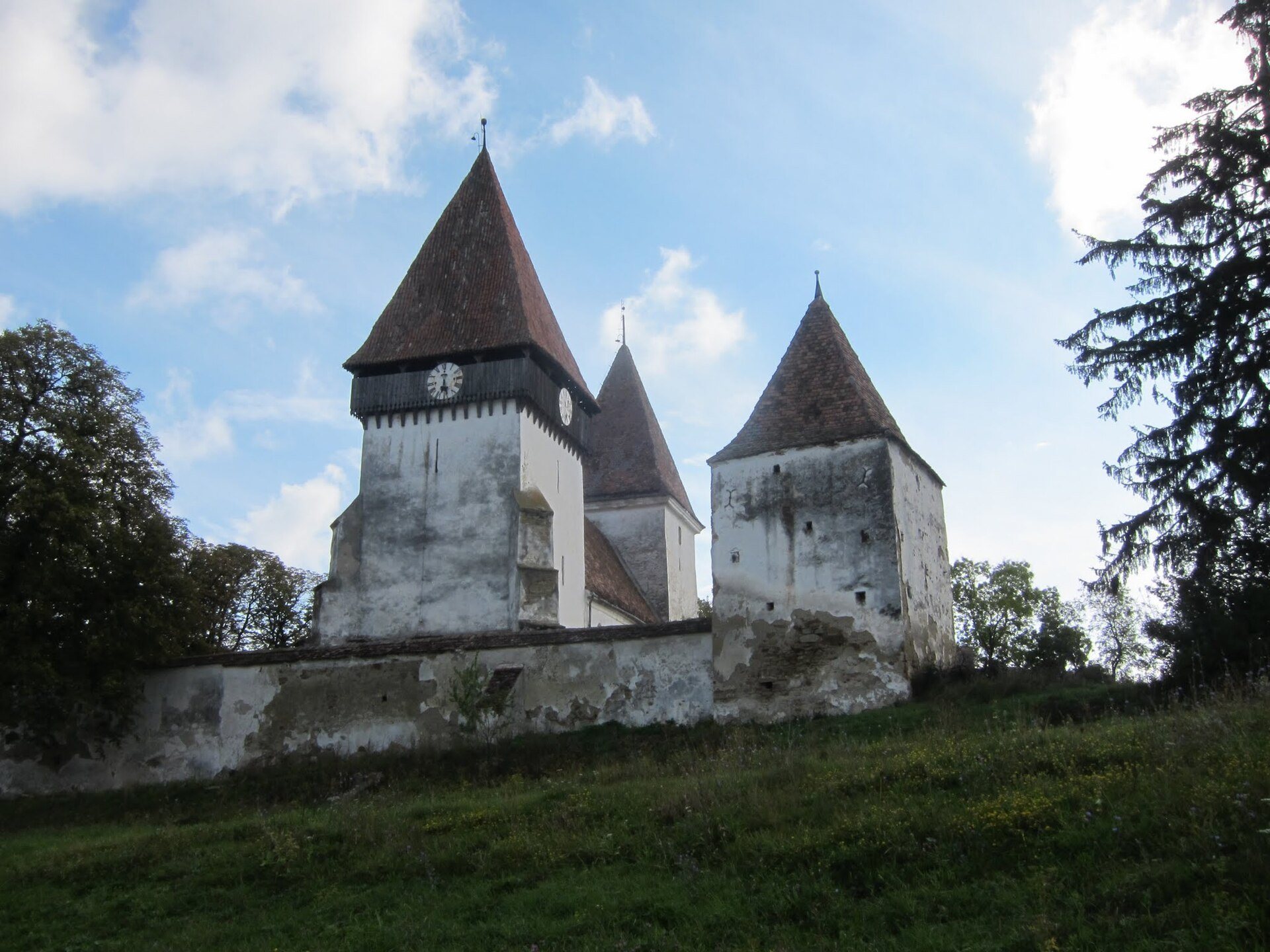
The site consists of a Romanesque basilica and a detached defensive bell tower within a trapezoidal fortified enclosure. The church represents the simplest type of fortified or reduit church, meaning a church designed or adapted to provide a defensible refuge through features such as thick walls, towers, elevated defensive passages, and loopholes. Comparable forms occur at Homorod, Veseud, Bruiu, and Dealu Frumos, while the enclosure’s shape and corner-tower defenses resemble those at Homorod, Biertan, Șeica Mică, Moșna, and Ațel.
Church and Bell Tower
Romanesque Basilica
Seen from the south, the church retains the exterior appearance of a basilica. Its northern exterior was altered, and the central and side naves now share one roof. The north wall of the central nave contains five Romanesque windows. Two symmetrical entrances, on the north and south sides, are sheltered by porticoes. Inside, the choir has a cross vault and a semicircular triumphal arch, while recently built vaults cover the side naves. A gallery inside the western tower opens toward the central nave, and an inscription is set into the east wall of the southern side nave.
Defensive Bell Tower and Choir
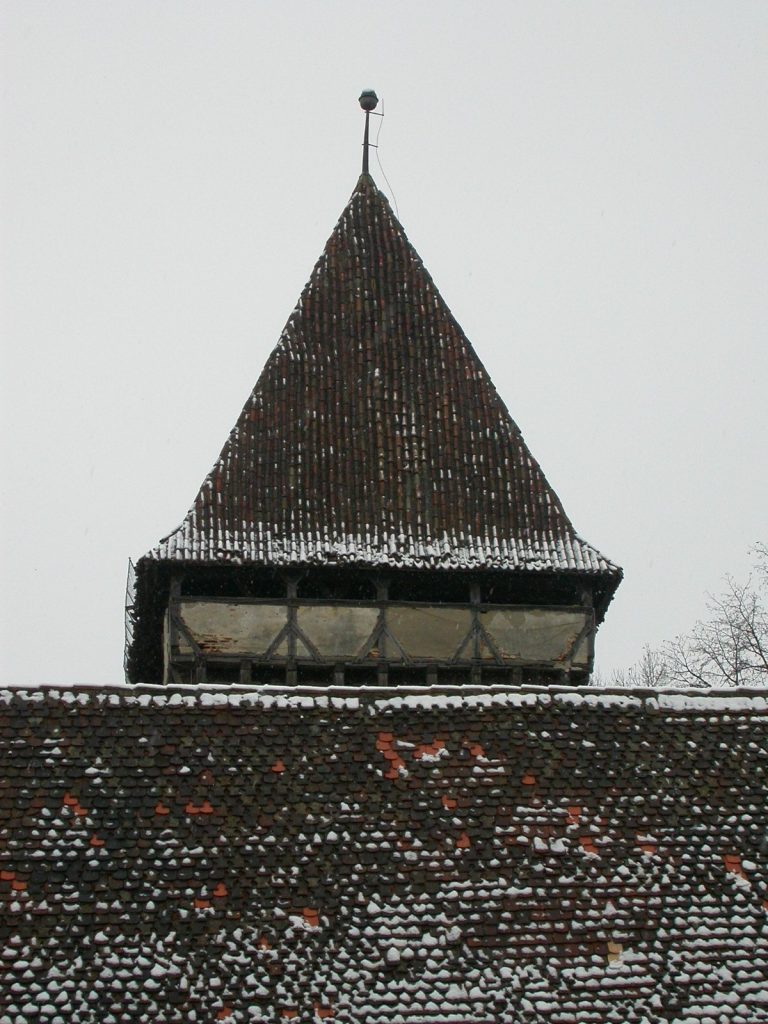
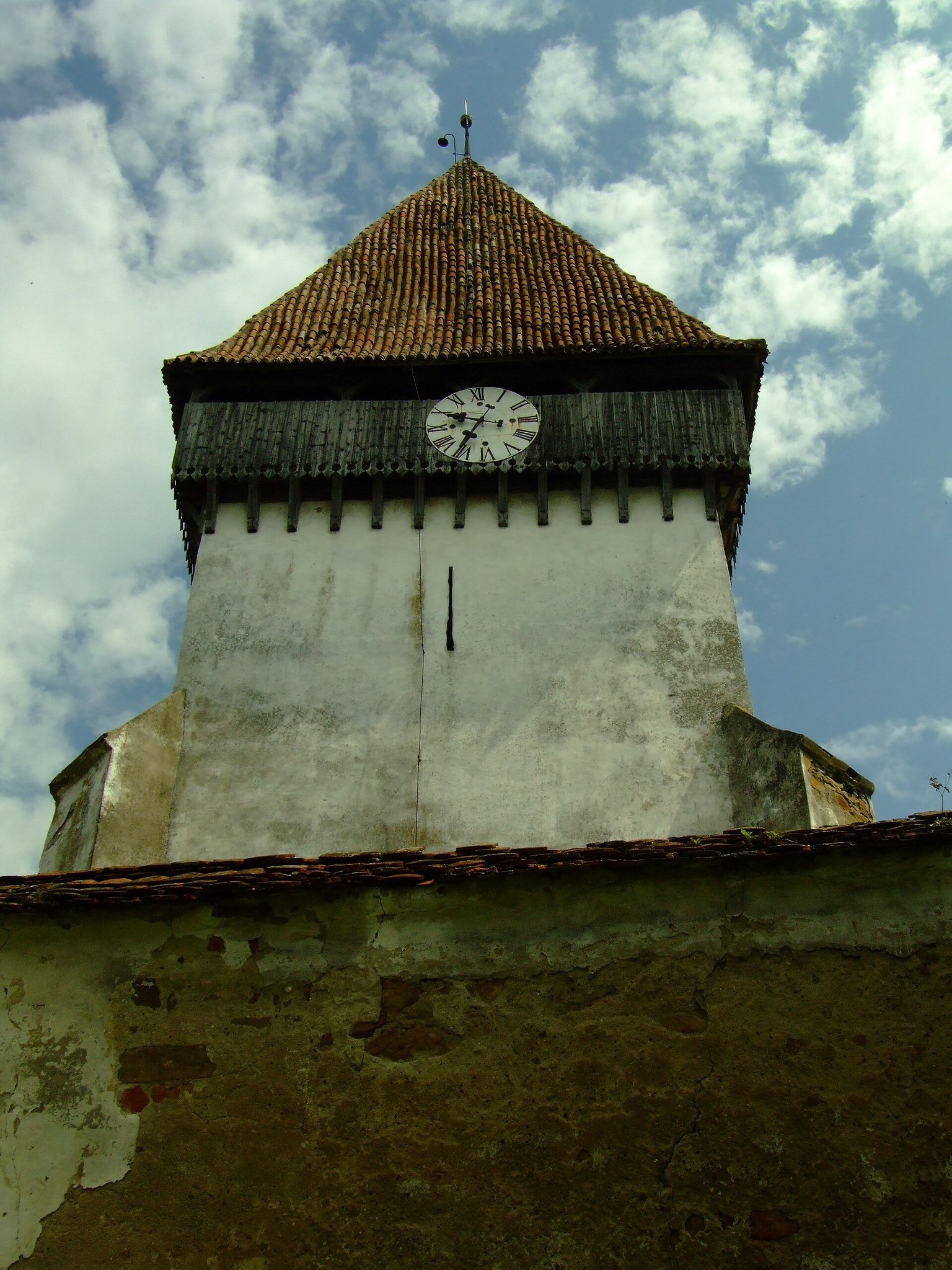
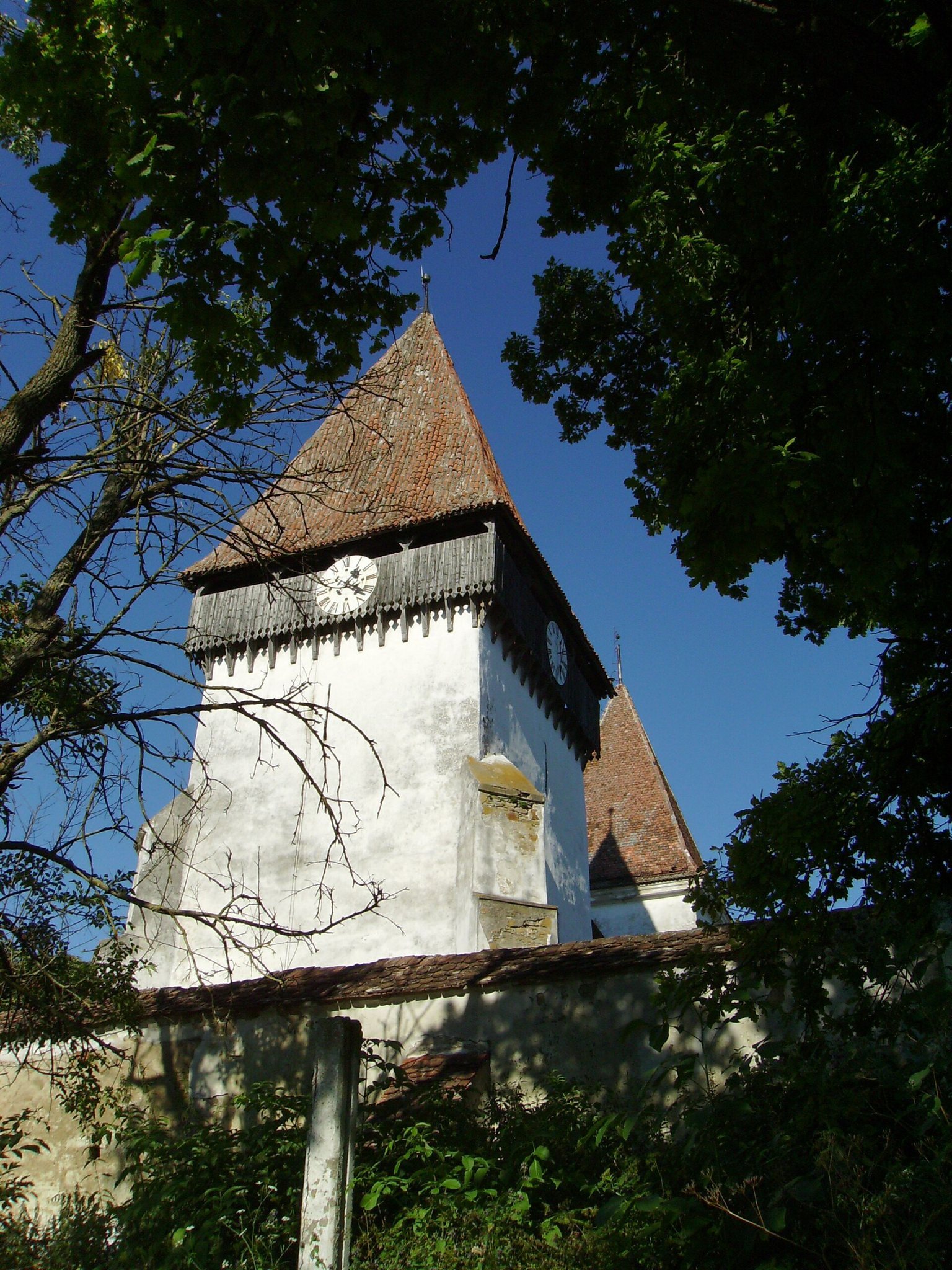
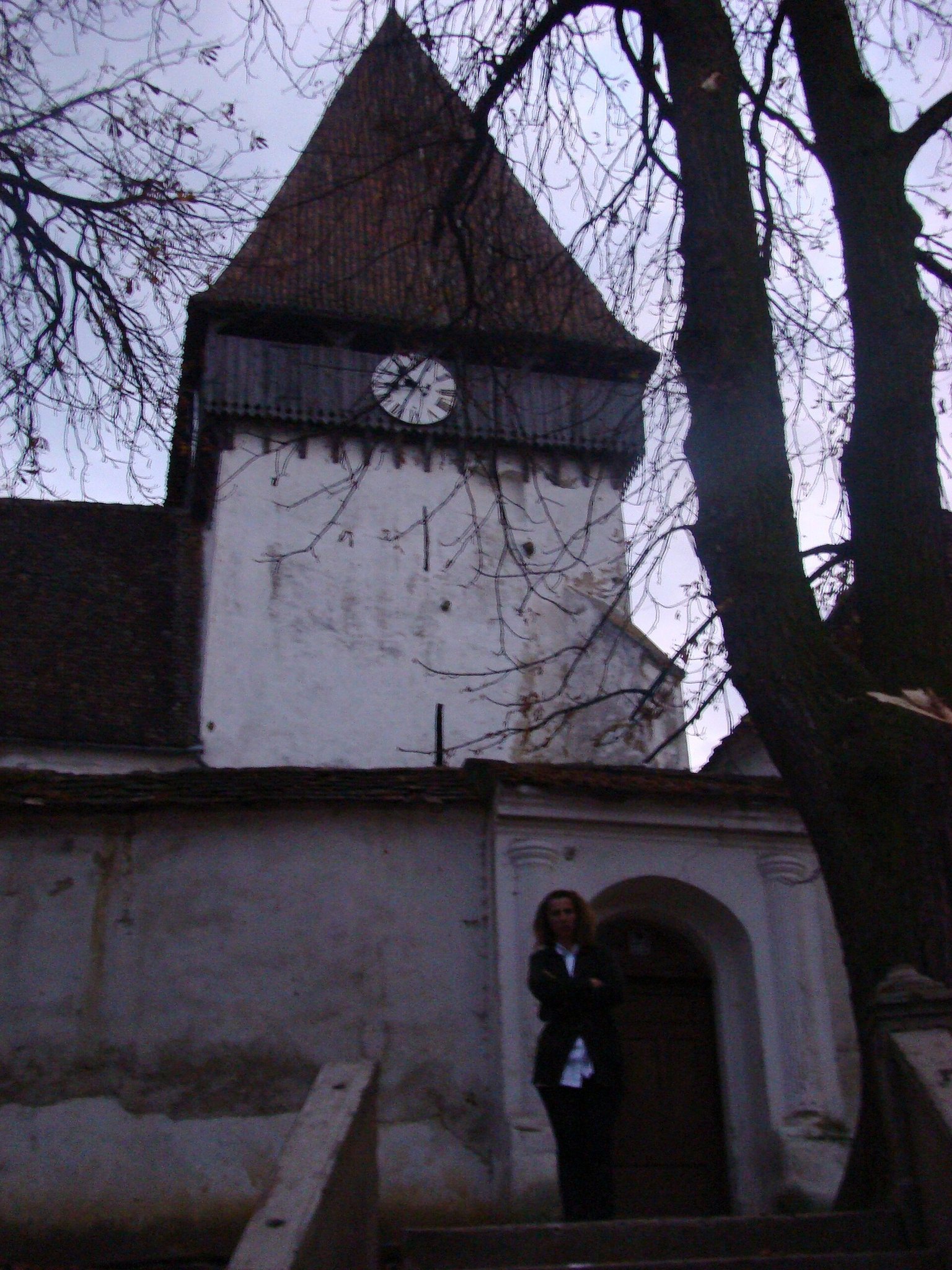
The detached bell tower stands west of the basilical body. It is a massive three-storey structure whose first level was substantially thickened and strengthened by a gallery with a wooden parapet. Directly below the pyramidal roof, the third level has a wooden defensive corridor. Narrow defensive loopholes pierce each storey. The choir is enclosed within massive five-level masonry, and its upper three levels contain narrow rectangular loopholes.
Altar Figures
The altar originally held seven statues, including angels, two of them carrying musical instruments, as well as John the Evangelist and the Virgin Mary. The surviving statue is a crucified Jesus positioned at the centre of the altar. It is in an advanced state of deterioration, while the other altar statues were stolen over time.
Fortified Enclosure
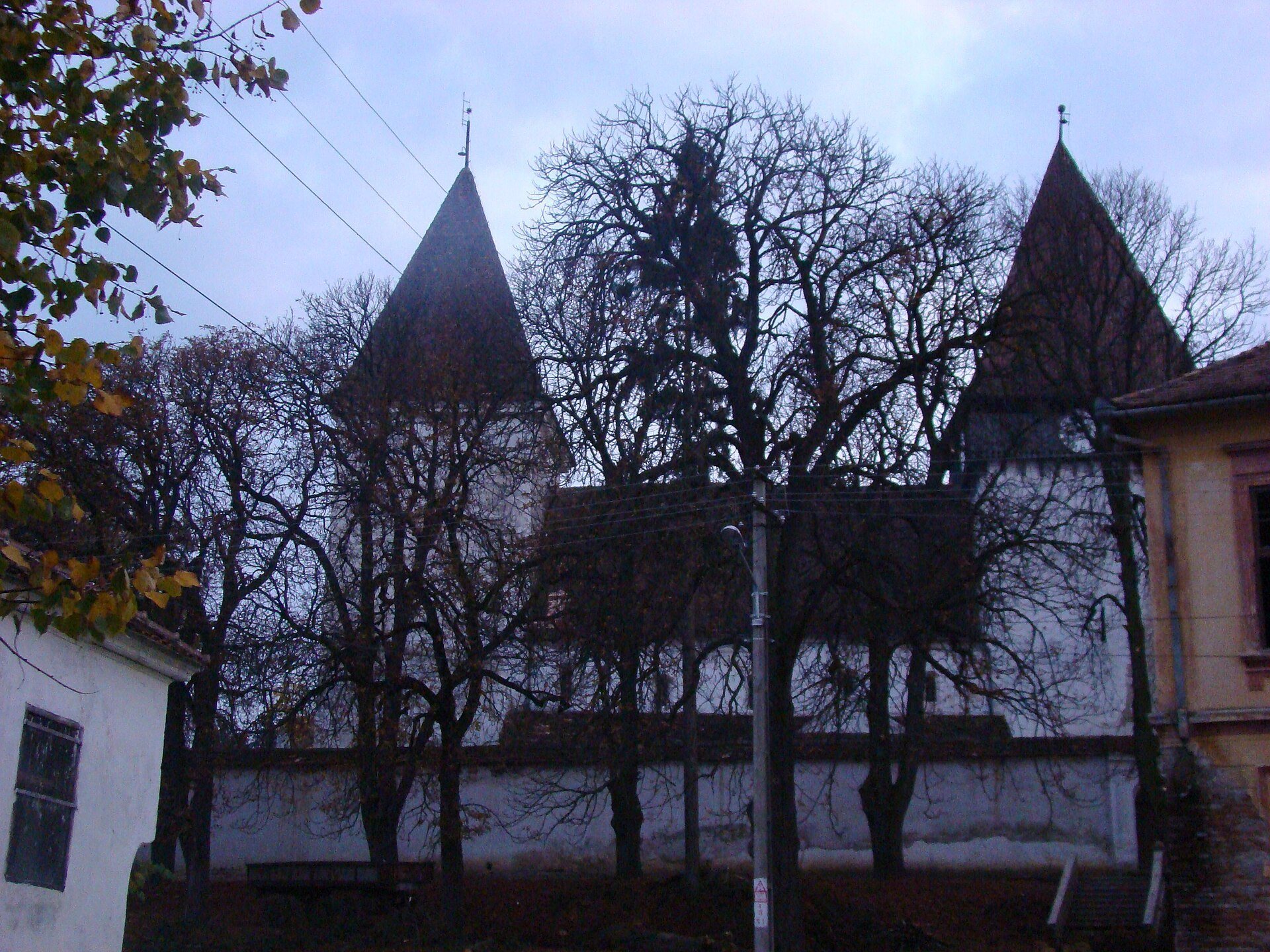
The surrounding enclosure is trapezoidal, approximately 17 metres wide and 37 metres long. Its southern wall is reinforced by towers at the south-west and south-east corners. Four towers originally formed part of the defenses, but two survive.