Fortezza di Montecristo: A Medieval Coastal Fortress in Italy
Site at a Glance
- Popularity
- High
- Country
- Italy
- Primary era
- Medieval
- Eras represented
- Medieval
- Civilizations
- Holy Roman Empire, Republic of Pisa
- Site type
- Military
- Remains
- Fort
On this page4 sections
History
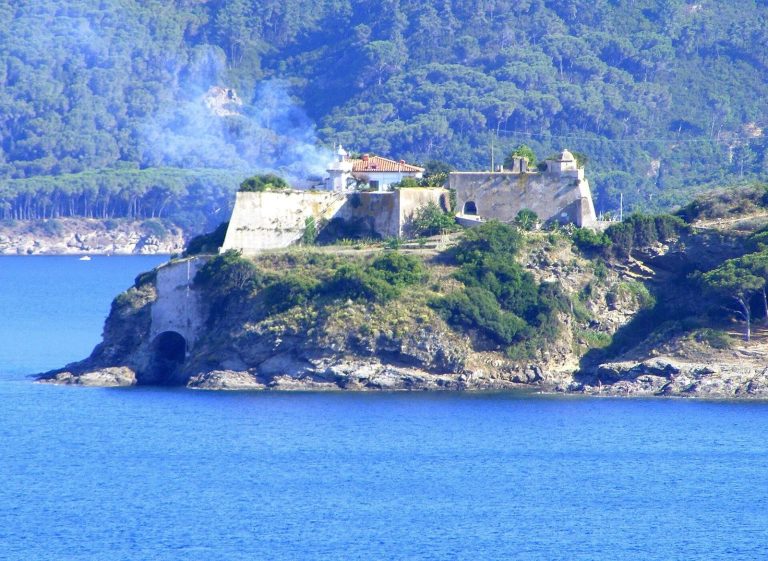
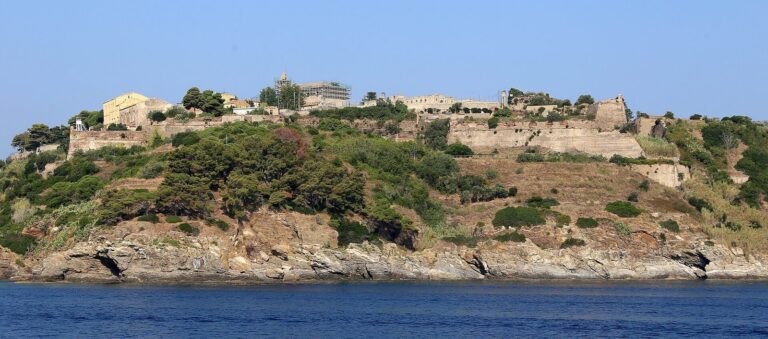
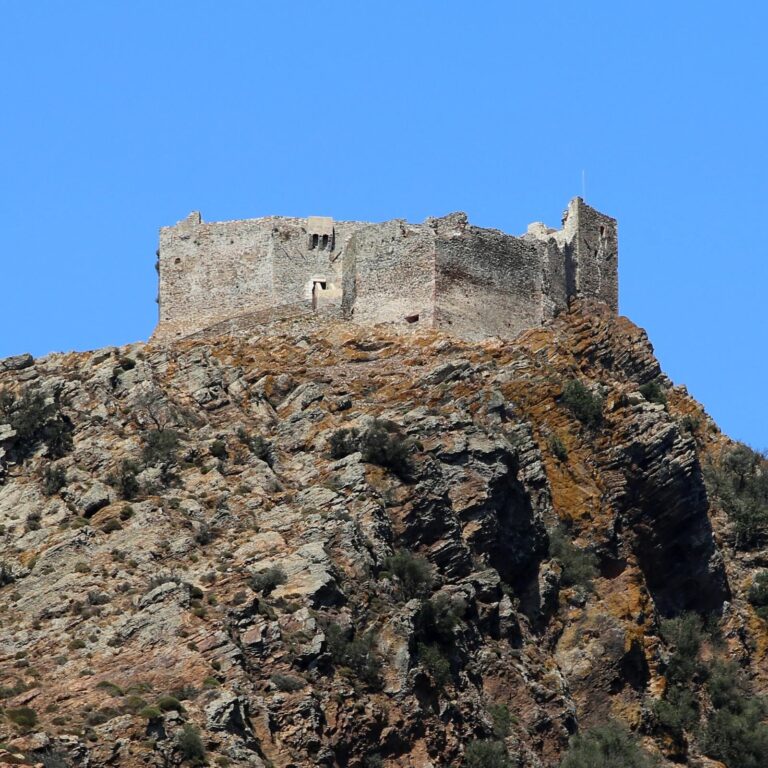
The Fortezza di Montecristo is a ruined coastal fortress on Monte della Fortezza, the highest point of the island of Montecristo in Italy. A first fortification was probably built under the Republic of Pisa, a medieval maritime state centered on Pisa, in the first half of the thirteenth century. Its summit position offered a lookout over the sea and a defensible position that was difficult to capture.
Reconstruction under the Appiani
The Appiani family later rebuilt the fortress. In the 1460s, Jacopo III Appiano, a member of Piombino’s ruling family, carried out its reconstruction to counter possible pirate raids.
Depopulation and decline
Montecristo’s isolation and harsh terrain limited habitation to small, temporary settlements near Cala Maestra. Repeated pirate and corsair raids led to the island’s complete depopulation in the sixteenth century. In later centuries, raiders used the island as a hideout, while the fortress, left without maintenance, rapidly deteriorated in the elements. It was once mistakenly identified as a Roman temple dedicated to Jupiter, the chief god of ancient Roman religion.
Remains
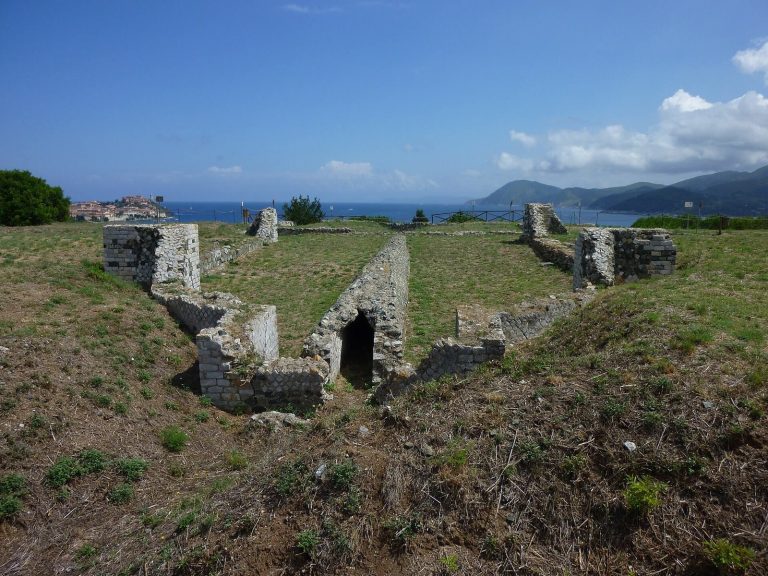
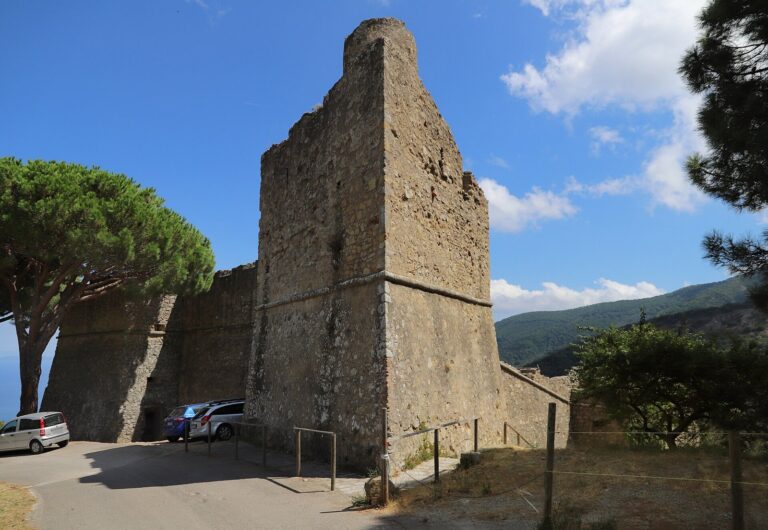
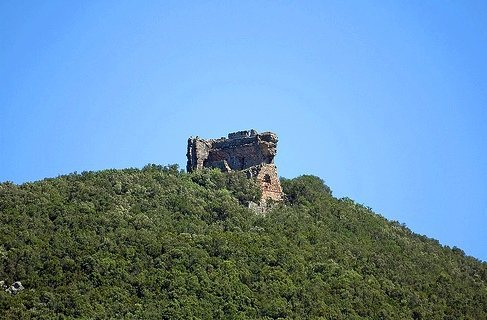
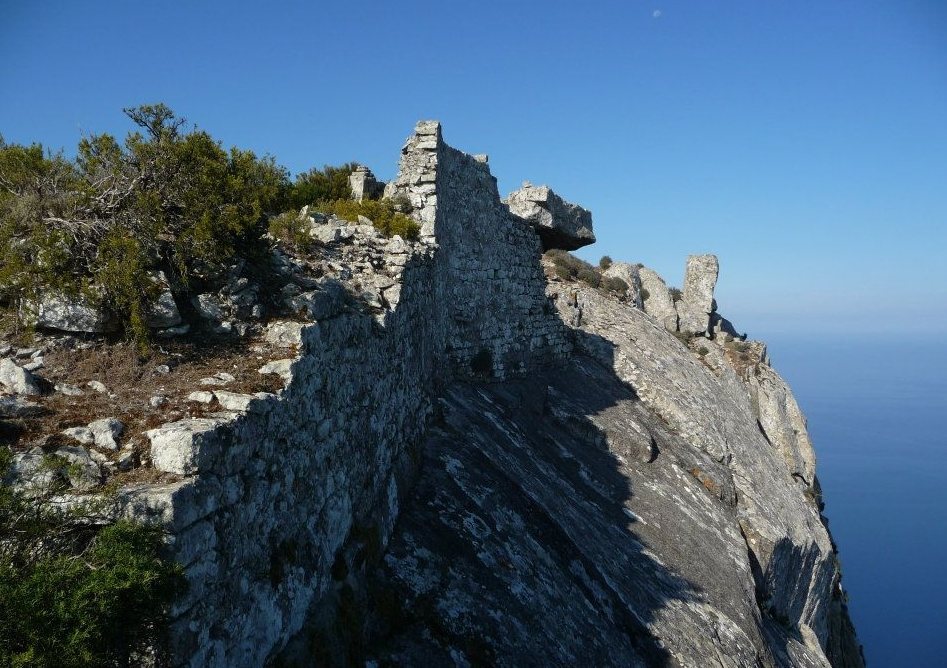
The ruined fortress stands at 645 metres above sea level on the summit of Monte della Fortezza. Its elevated position commands a broad view over the surrounding open sea. The remains of its enclosing walls can still be distinguished. They rest irregularly on granodiorite, a coarse-grained igneous rock, and follow the contours of the summit. Their surviving arrangement indicates that the defensive complex was imposing.