Forte San Giuliano: A Coastal Fort Defending Genoa
Site at a Glance
- Popularity
- Medium
- Country
- Italy
- Primary era
- Modern
- Eras represented
- Modern
- Civilizations
- Italian, Kingdom of Sardinia
- Site type
- Military
- Remains
- Fort
On this page13 sections
History
Forte San Giuliano is a coastal fort in Genoa, Italy, constructed between 1826 and 1836 to defend the city’s eastern approaches against landings and naval bombardment. It formed the seaward end of Genoa’s eastern defensive line and later served as a prison during the Second World War.
Earlier defenses and construction
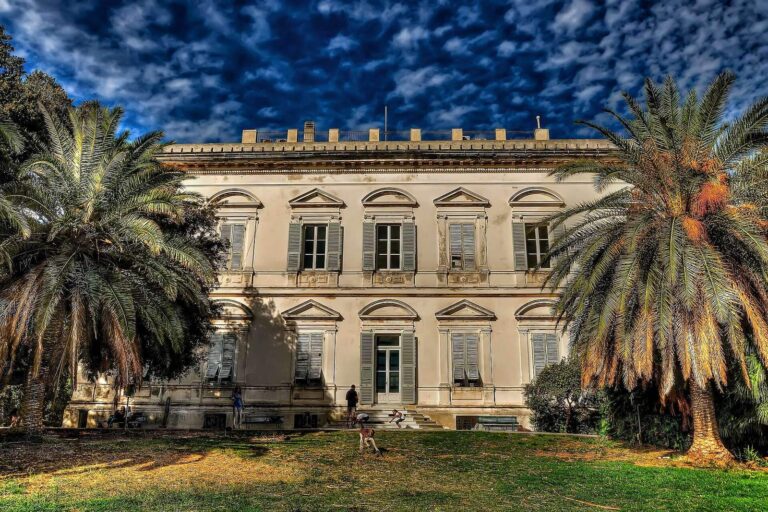
A coastal battery was established on the cliffs near the present fort in late summer 1745. Facing Villa Sopranis, it was intended to counter enemy landings and attacks from the sea. In 1818, authorities approved a plan to fortify the villa, but set it aside after work had just begun. They instead selected nearby ground for a new fort, placing the villa within its perimeter.
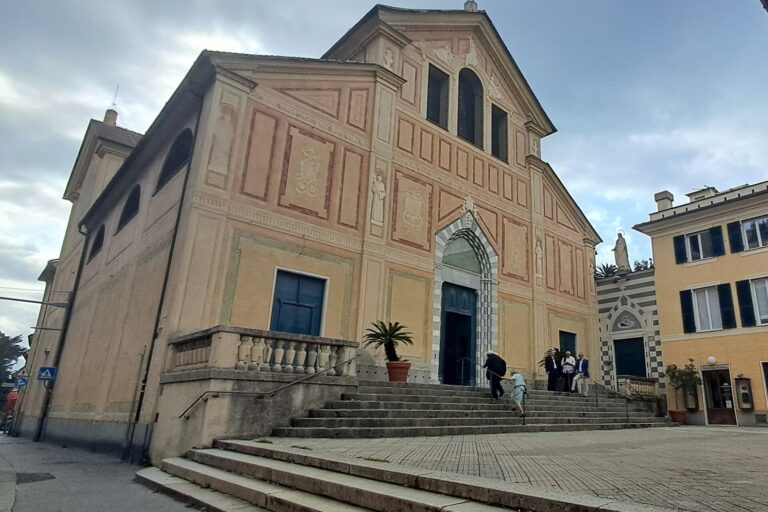
The fort was named for the nearby abbey. Together with Vagno Battery, it guarded the coast east of Genoa. The wider eastern defense line included Forts San Martino, Santa Tecla, Richelieu, and Quezzi, and extended to Forte Ratti.
Service and nineteenth-century changes
Forte San Giuliano served the Kingdom of Sardinia, the state ruled by the House of Savoy before Italian unification. Its garrison numbered about 380 soldiers and could be raised to roughly 1,200 when needed. The armament comprised ten cannons, seven howitzers, a petriera, an artillery piece for firing stone projectiles, and many smaller guns.
During the 1849 uprisings, insurgents seized the fort. Forces of the Kingdom of Sardinia quickly retook it, aided by the garrison commander’s betrayal. In 1889, a new coastal battery was installed between the barracks to protect the waters east of Genoa’s harbor entrance. Construction of the coastal road began in 1908, and in 1913 part of the fort’s outer ditch-wall gallery was demolished to make way for it.
Twentieth-century use and wartime repression
An anti-aircraft battery was established on the seaward part of the upper earthwork in 1937. Two small, partly underground Tobruk fighting positions were added during the Second World War. After Italy’s armistice with the Allies on 8 September 1943, the fort and its battery were requisitioned by the Wehrmacht, Nazi Germany’s armed forces, and the Italian Social Republic, the fascist state established in northern Italy under German influence. The site became a prison for anti-fascists and partisans, who were interrogated and tortured there.
Eleven partisans were shot at the fort. Giacomo Buranello, commander of Genoa’s Patriotic Action Groups, partisan resistance units, was executed on 3 March 1944 after 24 hours of torture. Giovanni Battista Torre, an Italian Navy supply and administrative specialist who fought with the partisans, was shot on 23 May. On 29 July, five more partisans were executed after their request to be shot in the chest rather than the back was refused.
The fort’s strategic military role ended after the war, and the coastal battery was dismantled. In 1948 the fort was assigned to the Liguria Carabinieri Legion. The Carabinieri are Italy’s national gendarmerie, a force with military status, and the former battery area was used to store service vehicles. After a period of abandonment during renovation and adaptation, the fort became the headquarters of the Provincial Carabinieri Command of Genoa on 13 May 1995. It is owned by Italy’s Ministry of Defence.
Remains
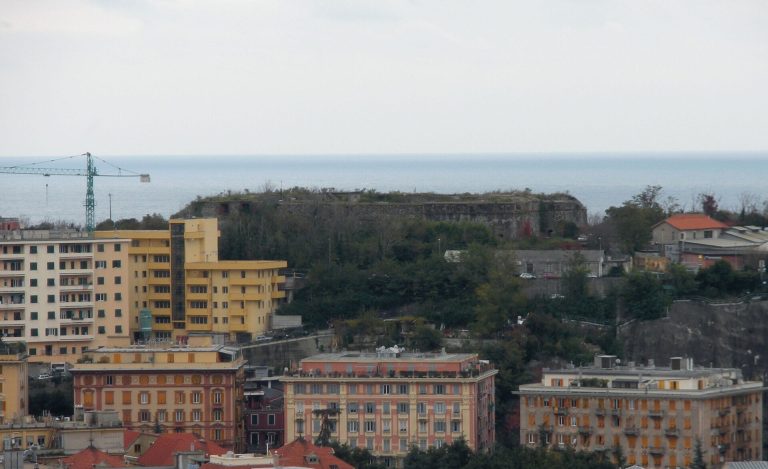
Built of stone and brick, Forte San Giuliano comprises two barracks within a defensive perimeter. It stands about 29 metres above sea level on the coast of Genoa’s Albaro district, between Punta Vagno and the small promontory of San Giuliano, facing Corso Italia. Before the coastal road was built, steep cliffs fell to the sea here, with narrow paths from the area of present-day Via Albaro providing access to the shore.
Fort layout and barracks
Ditch and galleries
A ditch runs around three sides of the complex, bordered by a zigzagging outer wall. An inner gallery and a second gallery along the outer ditch wall encircled the fort. The inner gallery had narrow firing openings overlooking the ditch and connected the barracks underground. Rooms opening from it served as ammunition stores and powder magazines. Tunnels in the galleries provided routes down toward the sea, and some of these tunnels survive.
North barracks
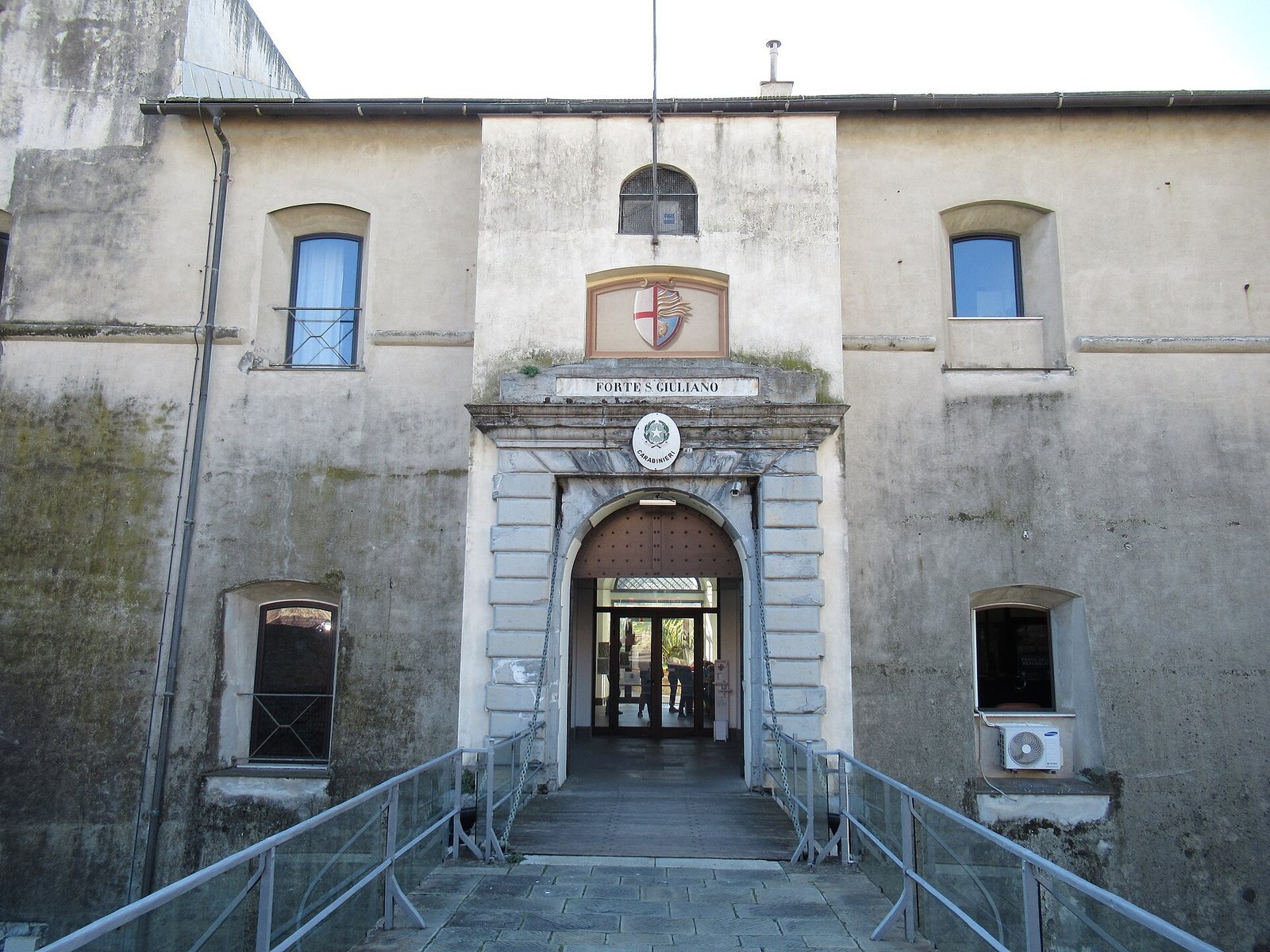
The four-storey north barracks faces Via Gobetti and contains the fort entrance on its third floor. A drawbridge provided access, and both the bridge and its operating mechanisms remain. This is the best-preserved part of the complex.
South barracks
The south barracks is a three-storey building set against the outer ditch wall on the seaward side of the fort.
Batteries and surviving alterations
Coastal battery
The coastal battery occupied the ground between the two barracks and was armed with six 28 GRC (Ret) howitzers. Powder magazines were housed in galleries beneath it. Its construction required the removal of the terrace of Villa Sopranis, which obstructed the rangefinder’s view. A rangefinder is an instrument used to estimate distance. The battery was later dismantled, and a large open area now occupies its former site.
Upper earthwork positions
The anti-aircraft battery occupied the upper southern earthwork facing the sea and had eight 76/45 guns. The two Tobruk positions, small defensive posts built partly below ground, still project from the earthwork slope facing Corso Italia, near the present access road.
Seafront gallery remains
Visible fragments of the gallery demolished during construction of the coastal road remain along the seafront.