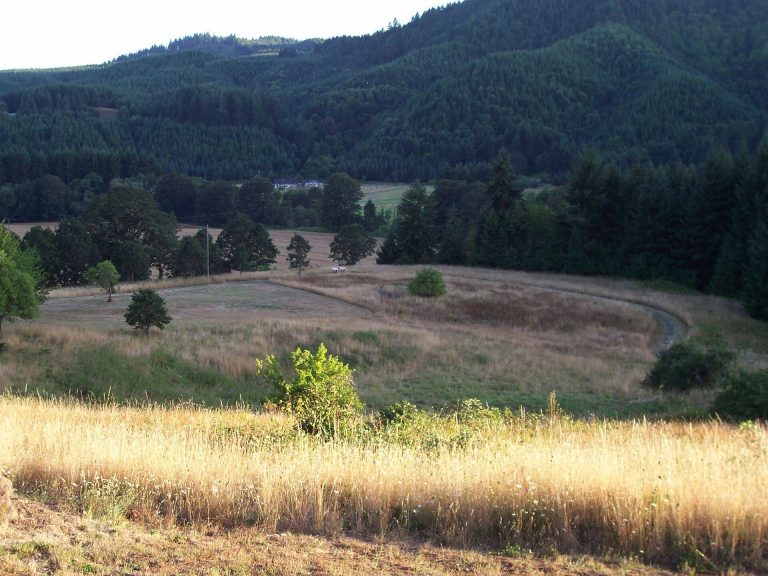
Fort Yamhill: A United States Army Outpost in Oregon
Site at a Glance
- Rating
- 4.5
- Popularity
- Low
- Country
- United States
- Primary era
- Modern
- External website
- Open
- Eras represented
- Modern
- Civilizations
- Unclassified
- Site type
- Military
- Remains
- Fort
On this page8 sections
History
Fort Yamhill was a United States Army outpost established in 1856 near Grand Ronde, Oregon, in the United States. Built during the Oregon Territory period, before Oregon became a state in 1859, the wooden post maintained a military presence near the Grand Ronde Agency Coastal Reservation, a federal administration connected with the reservation and the Indigenous communities placed there.
Establishment and military service
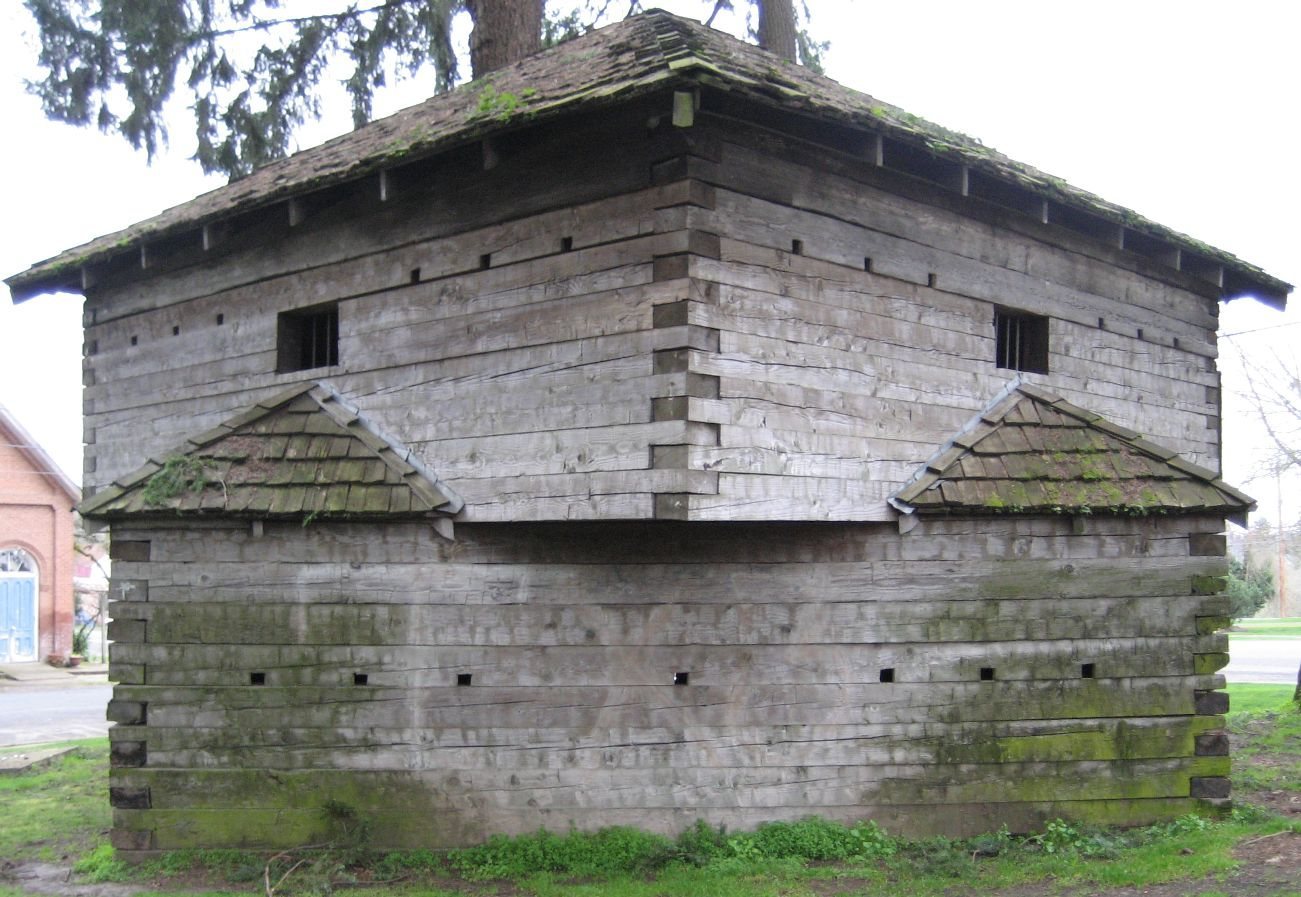
The fort was intended partly to protect local settlers. Its blockhouse, a small fortified building designed for defensive shelter and firearms, could provide refuge during an attack by Native Americans. Construction cost $36,053. The first garrison served under William Babcock Hazen and included 76 men and three officers. In 1858, the force was reduced to two officers and 33 enlisted men.
Philip Sheridan supervised the fort’s construction and was stationed there before the American Civil War. He commanded the post from June 26 to July 31, 1857, and again from June 26 to September 1, 1861. He received promotion to captain on May 14, 1861. Joseph Hooker, Joseph Wheeler, and David Allen Russell also served at Fort Yamhill before becoming generals during the war. Corporal Royal A. Bensell was stationed there as well, and his journals later formed the basis of All Quiet on the Yamhill: The Civil War in Oregon.
On November 11, 1861, Company D of the Fourth California Infantry took over the post under Lyman S. Scott, replacing the Ninth Infantry under First Lieutenant Philip A. Owen. Second Lieutenant James Davison commanded Fort Yamhill from September 1863 to October 1864. The post remained in active service until 1866, when it was abandoned and demolished.
After abandonment
After the fort closed, its blockhouse was removed and first used as a jail in the Valley Junction area. It was later moved about 30 miles, or 48 kilometers, east to Dayton, where it was placed in Courthouse Square Park in 1911 as a memorial to city founder Joel Palmer.
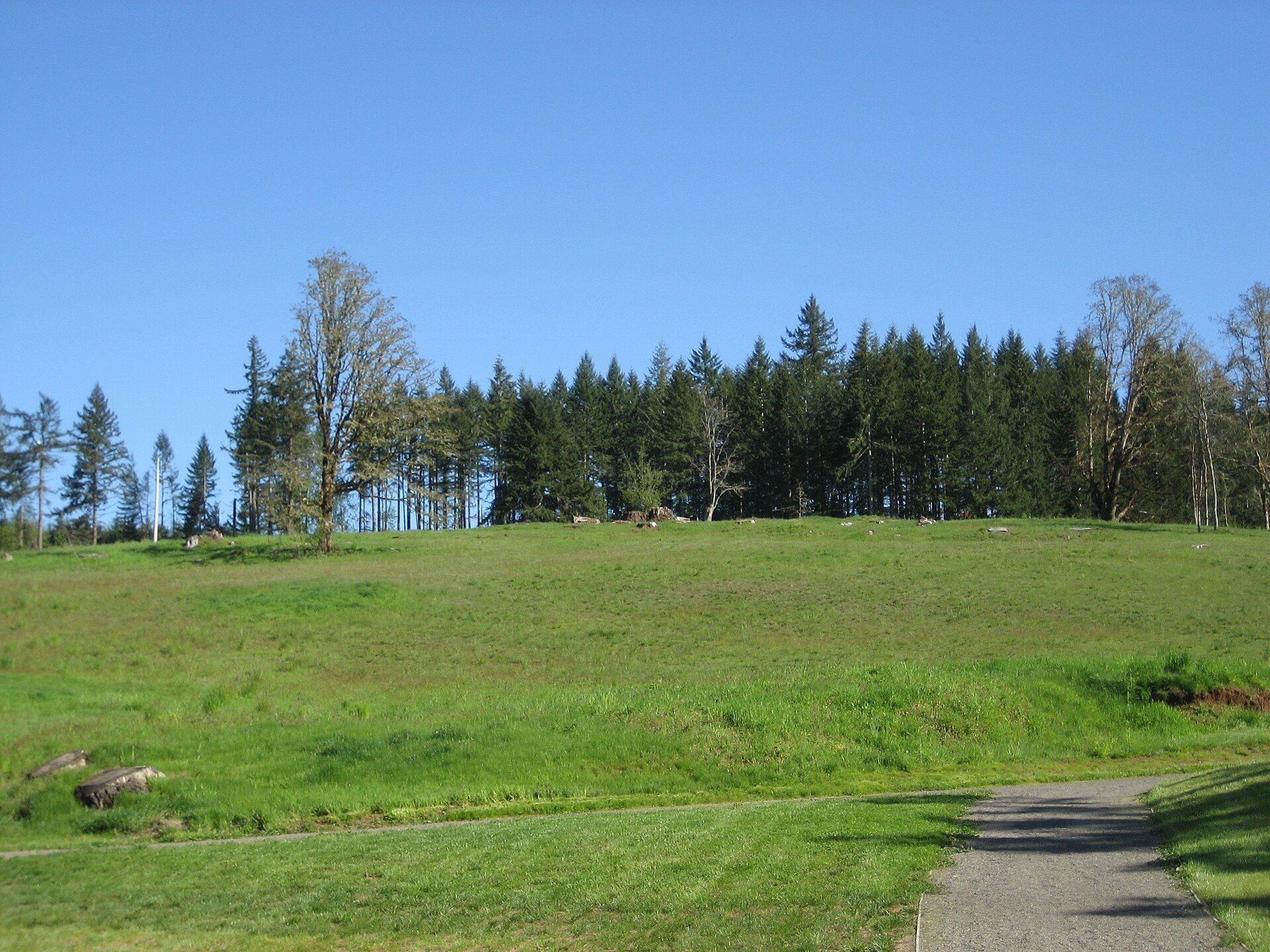
The former fort grounds cover 54.4 acres, or 22 hectares, near Willamina. They have been listed on the National Register of Historic Places since July 27, 1971. The National Register is the United States’ official list of places recognized for historical, architectural, archaeological, engineering, or cultural importance. Oregon State University historical archaeology field schools investigated the grounds in 2005 and 2013, revealing foundations associated with the military post.
Remains
Fort Yamhill was a wooden military post composed of a blockhouse and a range of service, residential, and administrative buildings. The original buildings no longer stand together as a complete fort, but the grounds preserve archaeological foundations, while two structures associated with the post survive after relocation.
Buildings and archaeological remains
Blockhouse
The blockhouse was a wooden defensive building intended to shelter people and provide a protected position for firearms. After Fort Yamhill was demolished, the structure served as a jail in the Valley Junction area before being moved to Dayton. Since 1911, it has stood in Courthouse Square Park as a memorial associated with Joel Palmer and the former fort.
Post buildings
The original post included barracks, officers’ quarters, a carpenter’s shop, hospital, cookhouses, blacksmith shop, stables, barn, sutler’s store, and laundresses’ quarters. A sutler’s store was a trading establishment that supplied soldiers with goods not normally issued by the army. The fort grounds retain a relocated officers’ quarters building, while the blockhouse survives separately in Dayton.
Archaeological foundations
Excavations by Oregon State University historical archaeology field schools in 2005 and 2013 exposed foundations connected with buildings from the Fort Yamhill period. These foundations provide physical evidence of the post’s former buildings within the present heritage area.