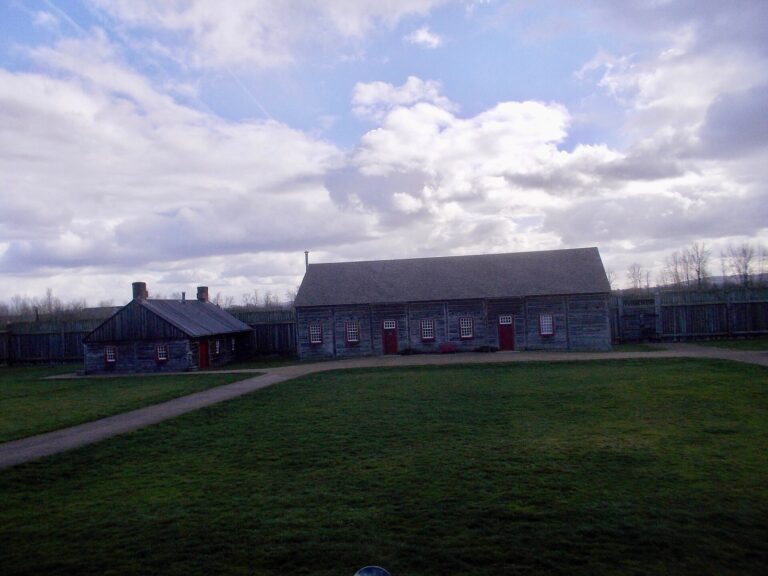
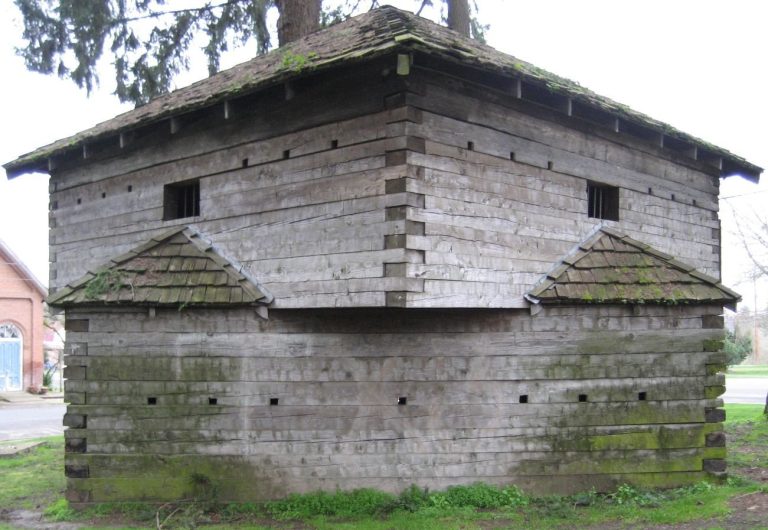
Champoeg: An Oregon Settlement and Provisional Government Capital
Site at a Glance
- Popularity
- High
- Country
- United States
- Primary era
- Modern
- Eras represented
- Modern
- Civilizations
- Unclassified
- Site type
- City
On this page13 sections
History
Founding and the provisional government
Champoeg was a settlement on the south bank of the Willamette River in Champoeg, Oregon, United States. Founded in the early 1830s, it became an important community in the Willamette Valley. Its name is linked to a Kalapuyan word, possibly a shortened reference to yampa, an edible root.
On February 7, 1841, Willamette Valley settlers met at Champoeg for the first time. They chose Methodist missionary Jason Lee to chair the meeting and discussed wolves threatening their settlements. These gatherings began a series known as the Wolf Meetings, which helped establish civil codes.
On May 2, 1843, settlers voted 52 to 50 to create a provisional government, a temporary governing authority established before a permanent political arrangement. Nine representatives were appointed to form it, and Champoeg became its capital.
Regional development, flood, and preservation
William Gilpin, who had helped draft a petition to the U.S. Congress, carried it east and presented it in 1845. He had arrived in the Willamette Valley with John C. Frémont’s expedition, and his advocacy helped encourage settlement in the Pacific Northwest. The 1846 Oregon Treaty resolved the dispute between the United States and Britain over the Oregon Country, a region both claimed. When the United States organized Oregon Territory in 1848, Champoeg was not chosen as its capital.
By 1852, Champoeg served river, road, and stagecoach traffic. The settlement continued after Oregon became a state, with much of the town on Donation Land Claims held by Robert Newell and André Longtain. These were land claims made under U.S. policies intended to encourage settlement in the region.
On December 2, 1861, the Willamette River rose 55 feet (17 m) above its usual summer level and flooded the town with about 7 feet (2.1 m) of water. The flood destroyed most of Champoeg’s buildings, although two saloons survived. Residents took shelter at Newell’s house on higher ground, and he nearly went bankrupt caring for those affected. Champoeg was not rebuilt.
The former townsite is now preserved within Champoeg State Heritage Area. Dams installed from the 1930s onward make another catastrophic flood unlikely. The Champoeg State Park Historic Archeological District was added to the National Register of Historic Places in 1984, the U.S. federal register of historic properties.
Remains
Town plan and transport facilities
Setting and street plan
Champoeg stood on French Prairie in northern Marion County, between Oregon City and Salem. By about 1852, its street plan included ten streets running north to south and six running east to west. Four roads met at the settlement, connecting it with St. Paul, Salem, Oregon City, and DeGuire’s Ferry.
River and road facilities
The town’s transport facilities included a ferry across the Willamette River, a steamboat landing, and a stagecoach office. Commercial buildings included a warehouse owned by Francis Pettygrove and Alanson Beers, as well as a granary belonging to the Hudson’s Bay Company, a British fur-trading company with operations across North America.
Surviving buildings, archaeology, and memorials
Newell House
Robert Newell’s house was built on a hill in 1852. Restored, it now serves as the Newell House Museum.
Pioneer Mothers cabin and garden
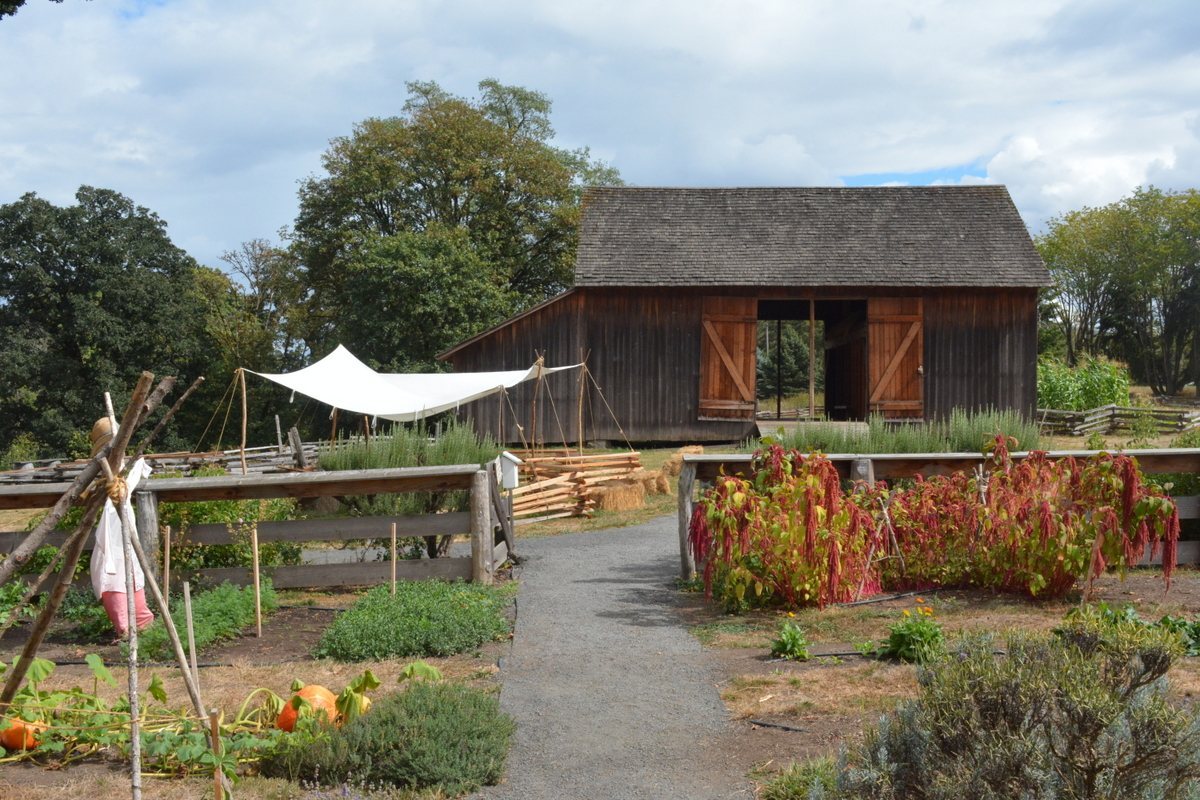
The heritage area also includes the Pioneer Mothers Memorial Cabin Museum and a garden designed in the style of the 1860s.
Historic Butteville Store
Founded in 1863, the Historic Butteville Store stands within the park. It is the last remaining commercial building of nearby Butteville and is considered Oregon’s oldest operating store.
Early homesite
The site includes the only mostly intact early homesite yet identified on French Prairie. It is thought to have been Robert Newell’s first homesite.
1843 monument
Erected in 1901, the monument commemorates the settlers who voted in favor of forming the provisional government. It bears their names.