Fort San Giovanni: An Advanced Fortress of Finalborgo


Site at a Glance
- Rating
- 4.4
- Popularity
- Low
- Country
- Italy
- Primary era
- Early Modern
- External website
- Open
- Eras represented
- Medieval, Early Modern
- Civilizations
- Holy Roman Empire, Spanish
- Site type
- Military
- Remains
- Fort
On this page4 sections
History
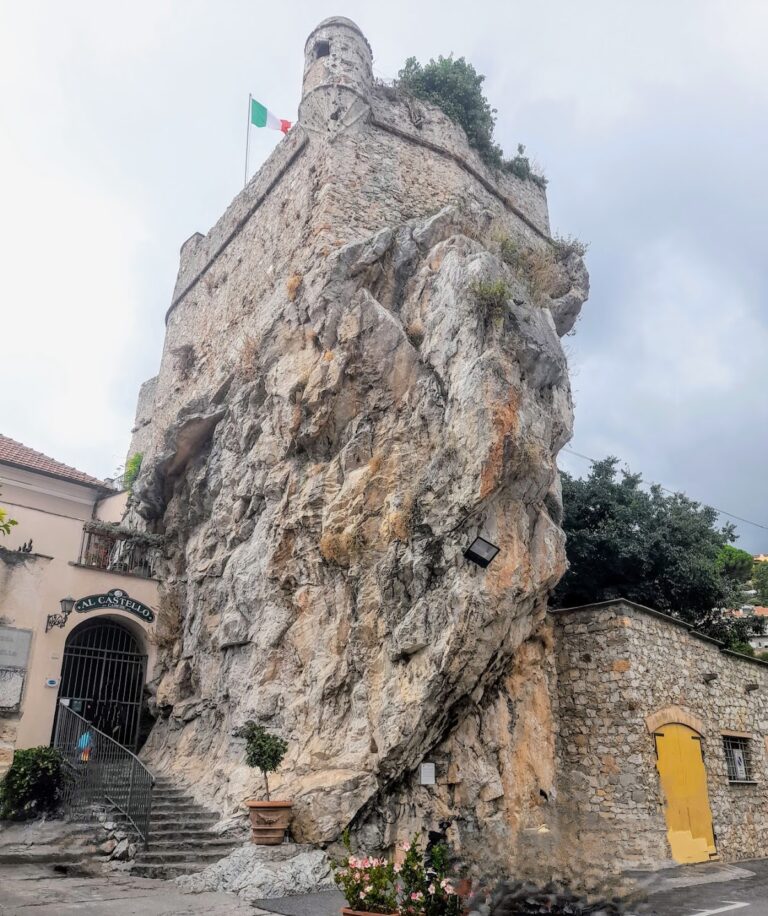
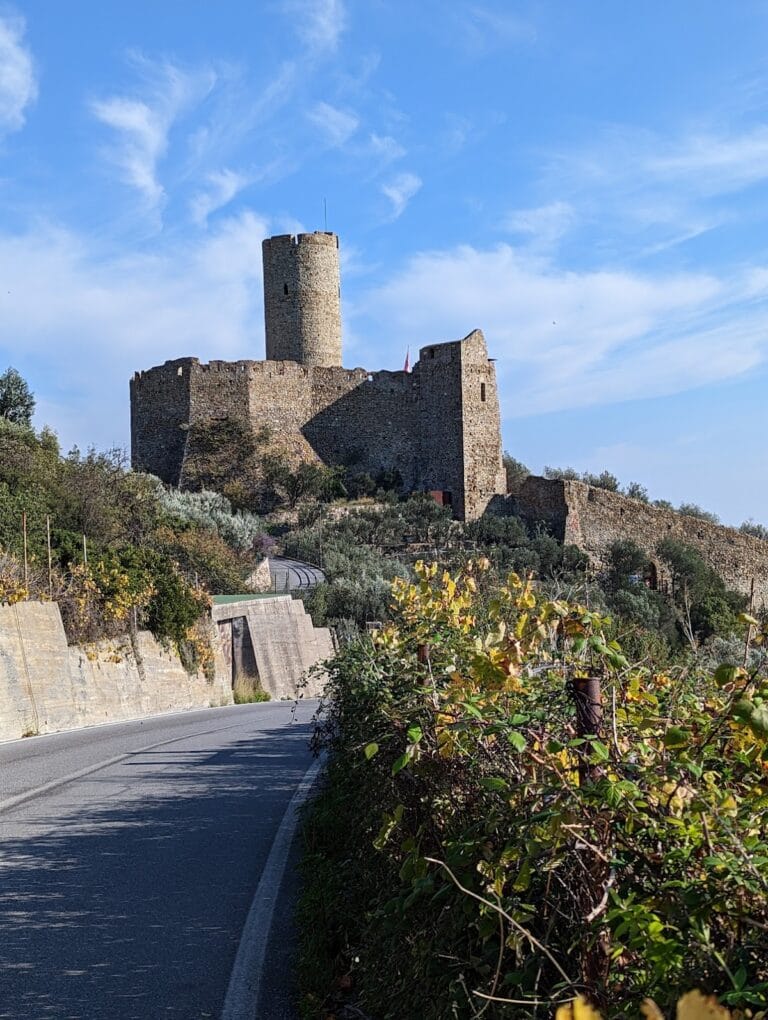
Fort San Giovanni is a Spanish-origin fortress in Finalborgo, Italy, within the municipality of Finale Ligure, built in 1642–1643 to defend and control the capital of the Marquisate of Finale. It served as an advanced defensive position below Castel Gavone, the older castle overlooking the town.
Seventeenth-Century Construction
The present fortress replaced a tower dating from the mid-fifteenth century. Francesco Prestino, a chamber engineer from Milan, designed the seventeenth-century complex on the earlier structure’s ruins. Its purpose was to strengthen the defenses of Finalborgo against the Spanish and to protect the political and urban center of the marquisate.
Spanish Expansion and Later Uses
Between 1674 and 1678, Spanish forces restored and enlarged the fortress under the direction of the engineer Gaspare Beretta. The work reinforced the fortifications and created a direct connection with Finalborgo. The fortress was abandoned in 1707. In 1713, Austria ceded it to Genoa, which demolished part of the complex.
In 1822, the site was converted into a penitentiary. It became state property in 1960 and was wholly restored in recent years. Since December 2014, it has been managed by Italy’s Ministry of Culture through the Liguria Museum Complex, renamed the Regional Directorate of Museums of Liguria in December 2019. Fort San Giovanni is recognized as a national monument.
Remains
Fort San Giovanni stands at approximately 50 metres above sea level on the hill overlooking Finalborgo, with Castel Gavone rising above it. The central body incorporates the remains of the earlier tower and forms the core of the present fortress. This tower has an octagonal plan and was depicted in a 1571 drawing; the fifteenth-century Italian writer and humanist Gianmario Filelfo also recorded its existence.
The complex includes the defensive works strengthened during the Spanish enlargement campaign of 1674–1678, as well as the direct connection established with Finalborgo. These surviving elements combine the earlier tower with the later fortification system and reflect the fortress’s development from a pre-existing defensive structure into an expanded Spanish military complex.
Nearby sites