Fort Richelieu: An Eighteenth-Century Coastal Fort in France
Site at a Glance
- Popularity
- Medium
- Country
- France
- Primary era
- Early Modern
- Eras represented
- Early Modern
- Civilizations
- French
- Site type
- Military
- Remains
- Fort
On this page8 sections
History
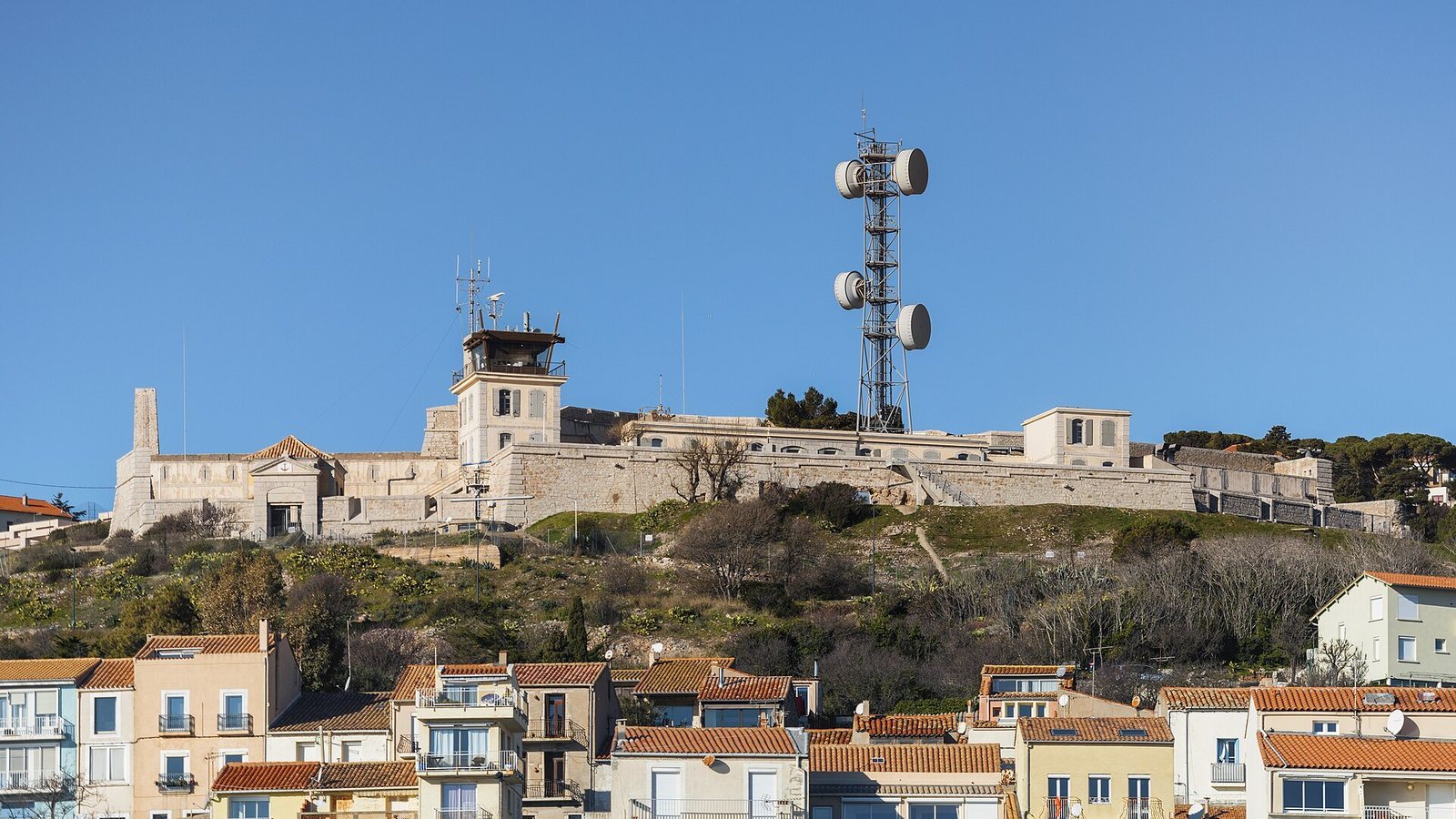
Fort Richelieu is an eighteenth-century coastal fortification on the slopes of Mont Saint-Clair in France, overlooking Sète and its port. Construction began in 1745, during the reign of Louis XV, as part of a system of defenses along the Languedoc coast.
Construction and coastal defense
Antoine de Niquet, a French military engineer and fortifications official, designed the fort. The Estates of Languedoc, a provincial body involved in regional administration and public finance, paid 50,000 livres, a French monetary unit used before the decimal franc.
The fort served a military purpose within the coastal defense system. In 1746, Sète had 52 cannons, while two soldiers and a sailor were assigned to keep watch.
Ownership and protection
The fort belongs to the French state and the French Navy. It has been listed as a historic monument in France since 10 May 1996.
Remains
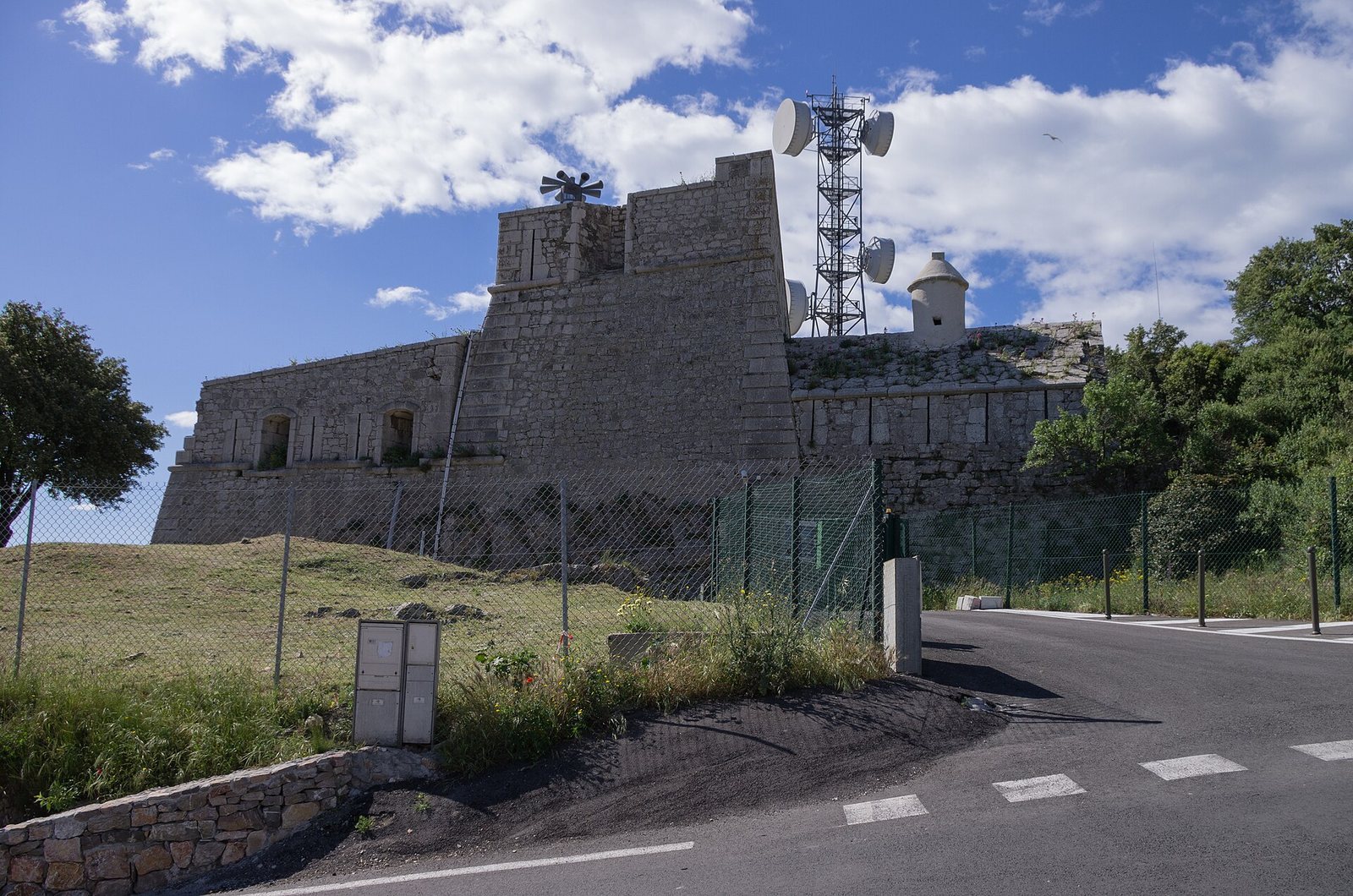
Fort Richelieu is arranged across three terraces shaped like wings. It stands between the Thau lagoon and the Gulf of Lion, with its defenses oriented toward the sea and the slopes of Mont Saint-Clair.
Defensive layout and associated structures
Central body and barracks
The central body faces the sea. Its platform held the main artillery battery, a group of guns positioned for defense, while the barracks stood behind it.
Half-moon work and powder magazine
On the Mont Saint-Clair side, a projecting defensive work curves into a half-moon shape. It protects the fort’s structures and contains a powder magazine, a store for gunpowder.
Semaphore
A semaphore, a station for sending visual signals over distance, is also associated with the fort.