Fort Patience: A Dutch Coastal Fort at Apam, Ghana
Site at a Glance
- Rating
- 3.9
- Popularity
- Very Low
- Country
- Ghana
- Primary era
- Early Modern
- Eras represented
- Early Modern
- Civilizations
- Dutch
- Site type
- Military
- Remains
- Fort
On this page9 sections
History
Fort Patience is a Dutch fort at Apam, Ghana, begun in 1697 as a stone trading lodge by the Dutch West India Company, a chartered company active in Atlantic commerce. It developed into a defensive stronghold within the Dutch Gold Coast, the Netherlands’ coastal trading and colonial presence in what is now Ghana.
Construction and the Acron treaty
The Dutch began the lodge at the request of the King of Acron, with whom the company had a treaty. Acron and neighboring Agona were coastal kingdoms, and Acron lay between Agona and Fante states that had treaties with Britain. The wider area also fell under the general protection of the Fante Confederation, a political alliance of Fante states. Acron’s ruler sought Dutch support against powerful neighbors allied with Britain.
The company’s executives were reluctant to invest in a fort where trade was limited, and agreed to keep costs down. Acron’s leaders repeatedly threatened to expel the Dutch unless they extended the defenses. Disputes with neighboring chiefs hostile to Europeans also slowed construction. Work on the lodge began in 1697 and took about five years, reaching completion in 1702. The fort became known as Fort Lijdzaamheid, meaning “Fort of Patience”; Vestung de la Patience is considered the historically more accurate form of the name.
From trading lodge to fortification
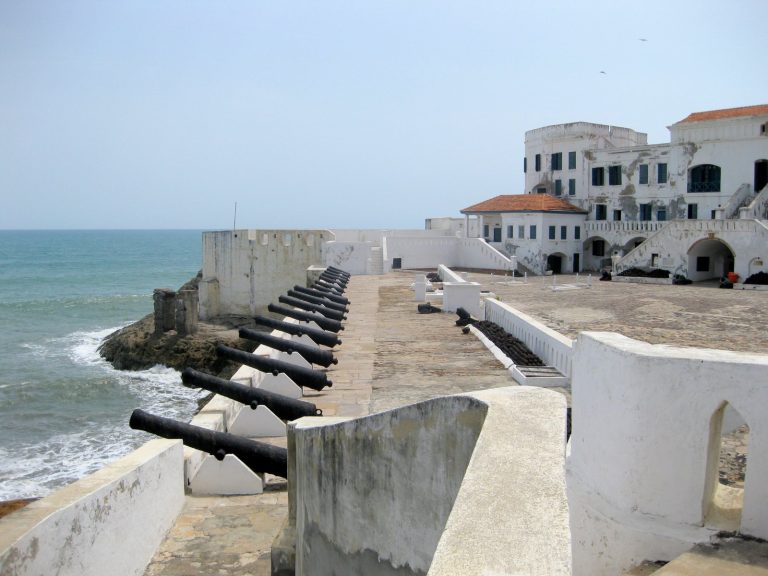
The Dutch strengthened the building between 1701 and 1721. They fortified it and installed eight cannon in 1704, and by 1721 the former lodge had been converted into a defensive fort. Its evolving role reflected the Dutch company’s growing investment in the site.
British capture and Dutch return
During the war between Britain and the Netherlands, British naval captain Thomas Shirley led an expedition to the Dutch Gold Coast in 1782. His force sailed aboard the 50-gun Leander and the smaller sailing warship Alligator. The British captured Fort Patience, which then had 22 guns. The Dutch regained it three years later.
The 1811 attack and later transfer
On 1 March 1811, during the Fante-Ashanti War, an Ashanti force captured and plundered Apam, destroying much of the town but sparing the Dutch fort. About a week after the Ashanti withdrew, an Akim army entered Apam to block the retreat of Ashanti troops operating near the coast. It was led by Atta Wusu Yiakosan, ruler of the neighboring polity of Akim-Abuakwa. Because the Dutch were generally regarded as Ashanti allies, Atta ordered an attack on the fort.
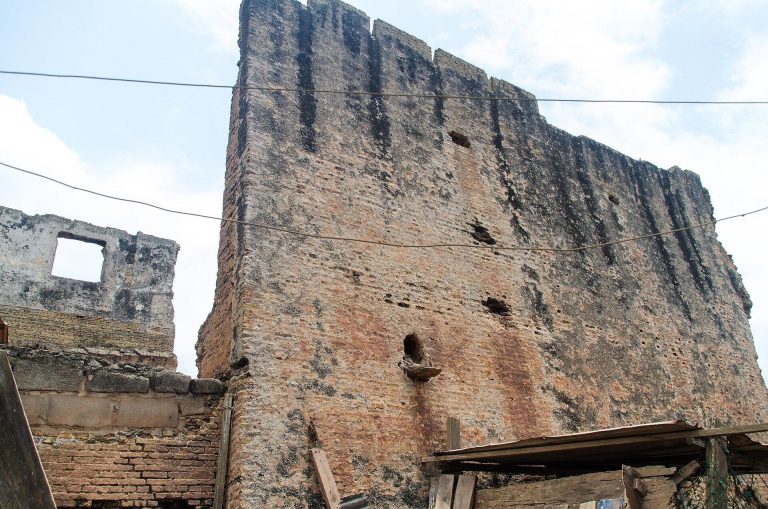
The fort was heavily looted and partly damaged. Sections of its walls were pulled down, and its gun carriages were smashed or made unusable. Enslaved people belonging to the Dutch company escaped to Fort Beraku, which was also under Dutch control. The attack was said to have followed the Dutch sergeant’s refusal to tell the Akim ruler which route the Ashanti army had taken as it withdrew. The Dutch rebuilt Fort Patience after the assault.
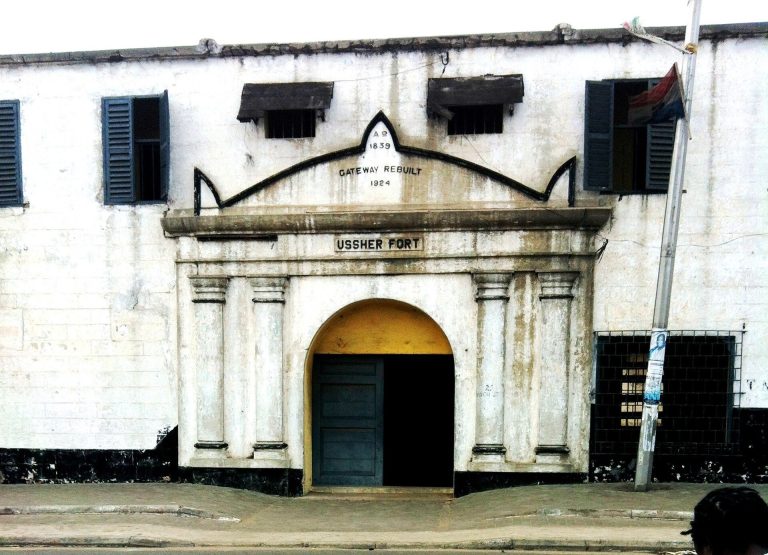
Under an exchange of Gold Coast forts agreed between the Netherlands and Britain in 1867, Fort Patience passed to British control in 1868. In more recent times it served as a police station and post office, and a guesthouse now operates there.
Heritage and preservation
In 1979, Fort Patience was included in UNESCO’s World Heritage listing of forts and castles in Ghana’s Volta, Greater Accra, Central, and Western regions. Its listing under criterion (vi), which recognizes associations with events, ideas, beliefs, traditions, or works of outstanding universal importance, recognizes the fort as evidence of European influence in West Africa before and during the colonial period. On 9 April 2008, the Apam Youth and Development Association appealed to the National Museums and Monuments Board, the Dutch Embassy in Ghana, the Gomoa District Assembly, and other stakeholders to act against further deterioration.
Remains
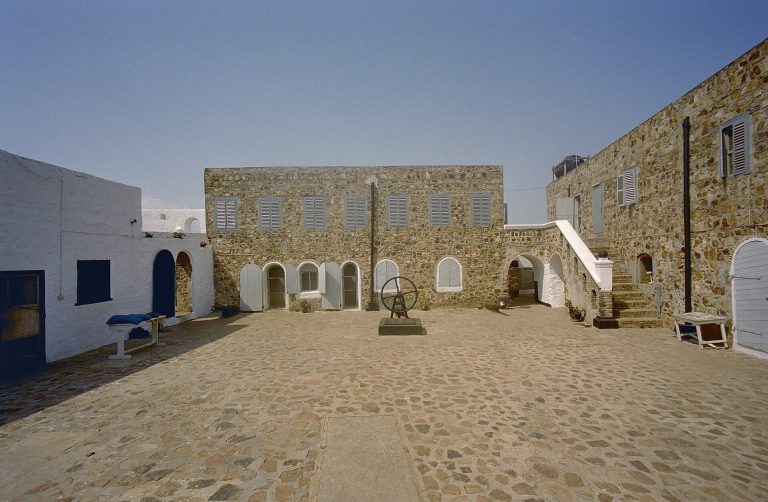
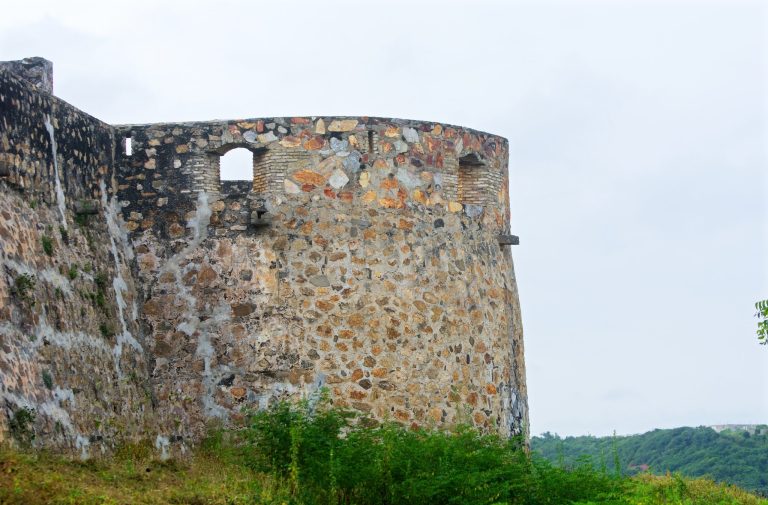
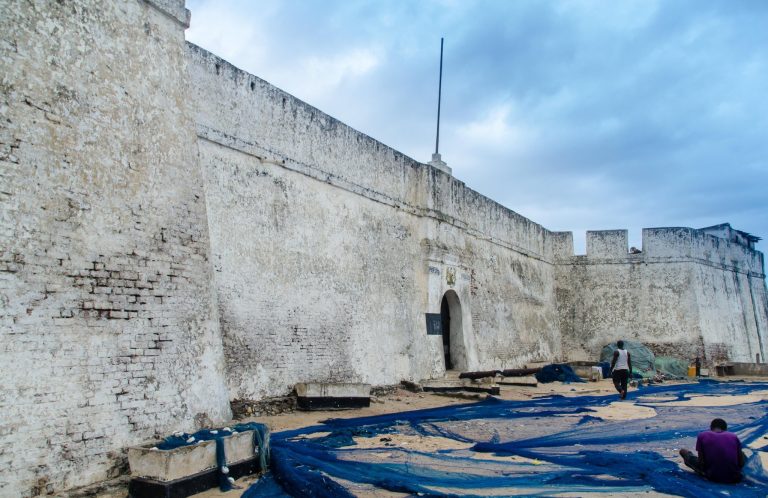
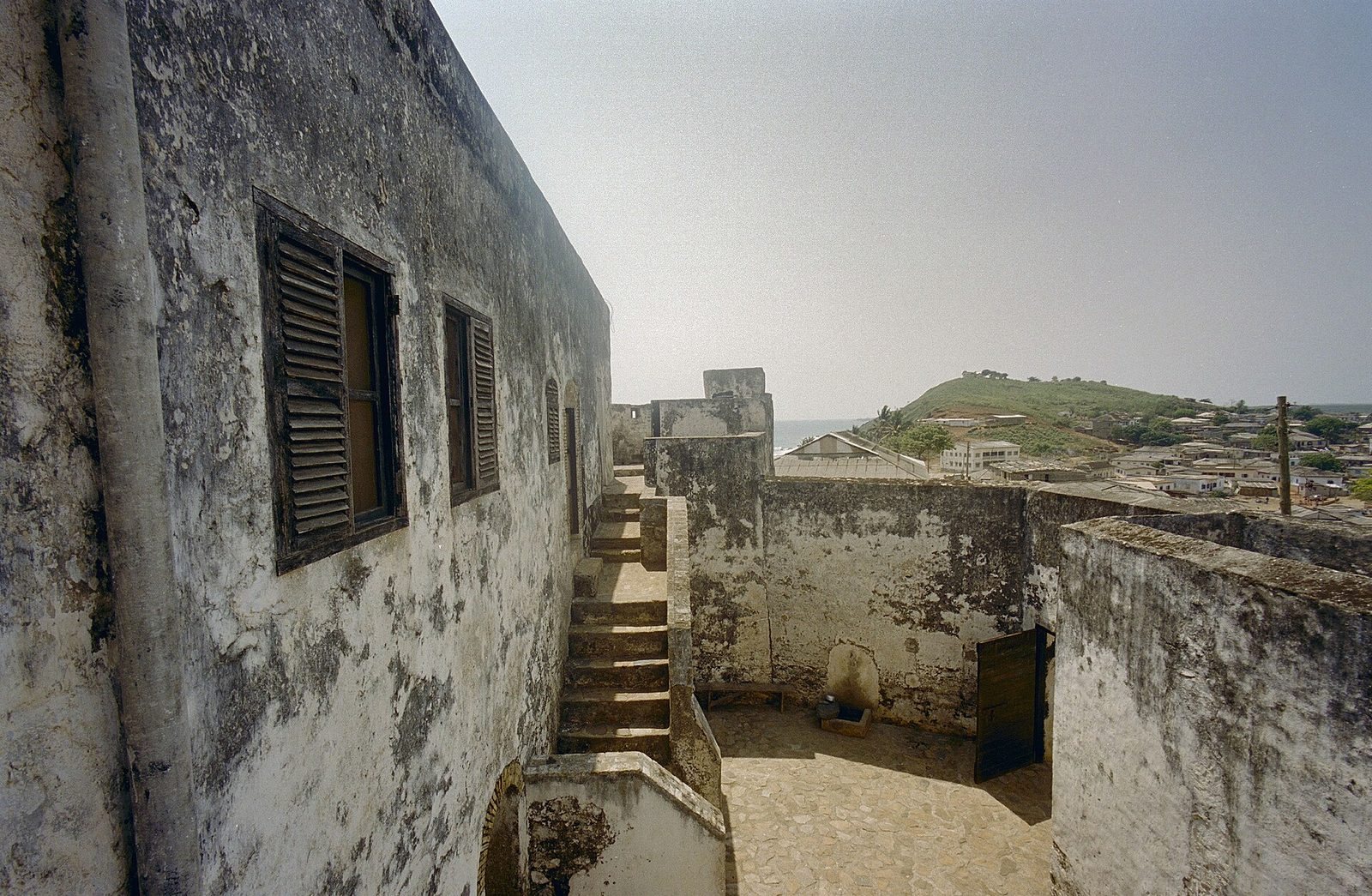
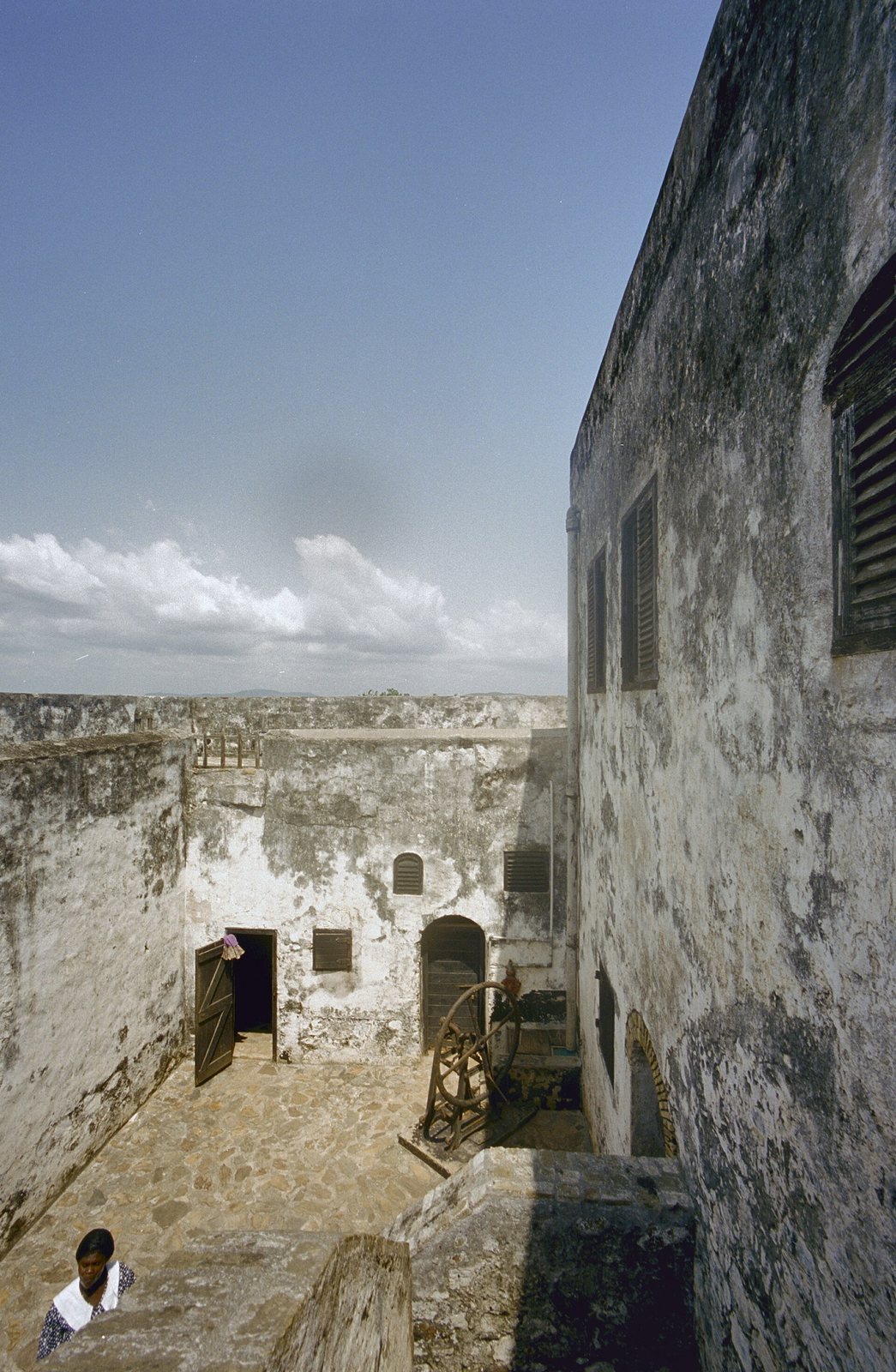
The fort occupies a rocky peninsula extending south from Apam. Its position gave it a view north over Apam’s harbour and south, east, and west across the Gulf of Guinea coast. The layout combined a two-storey stone core and defensive projections with two large service yards to the south.
Main lodge and defenses
The original structure was a small, two-storey stone lodge. Its defenses included demi-bastions, reduced projections from a defensive line, at the northwest and southeast. Together, the lodge and these projections formed the fort’s central defensive group.
Southern service yards
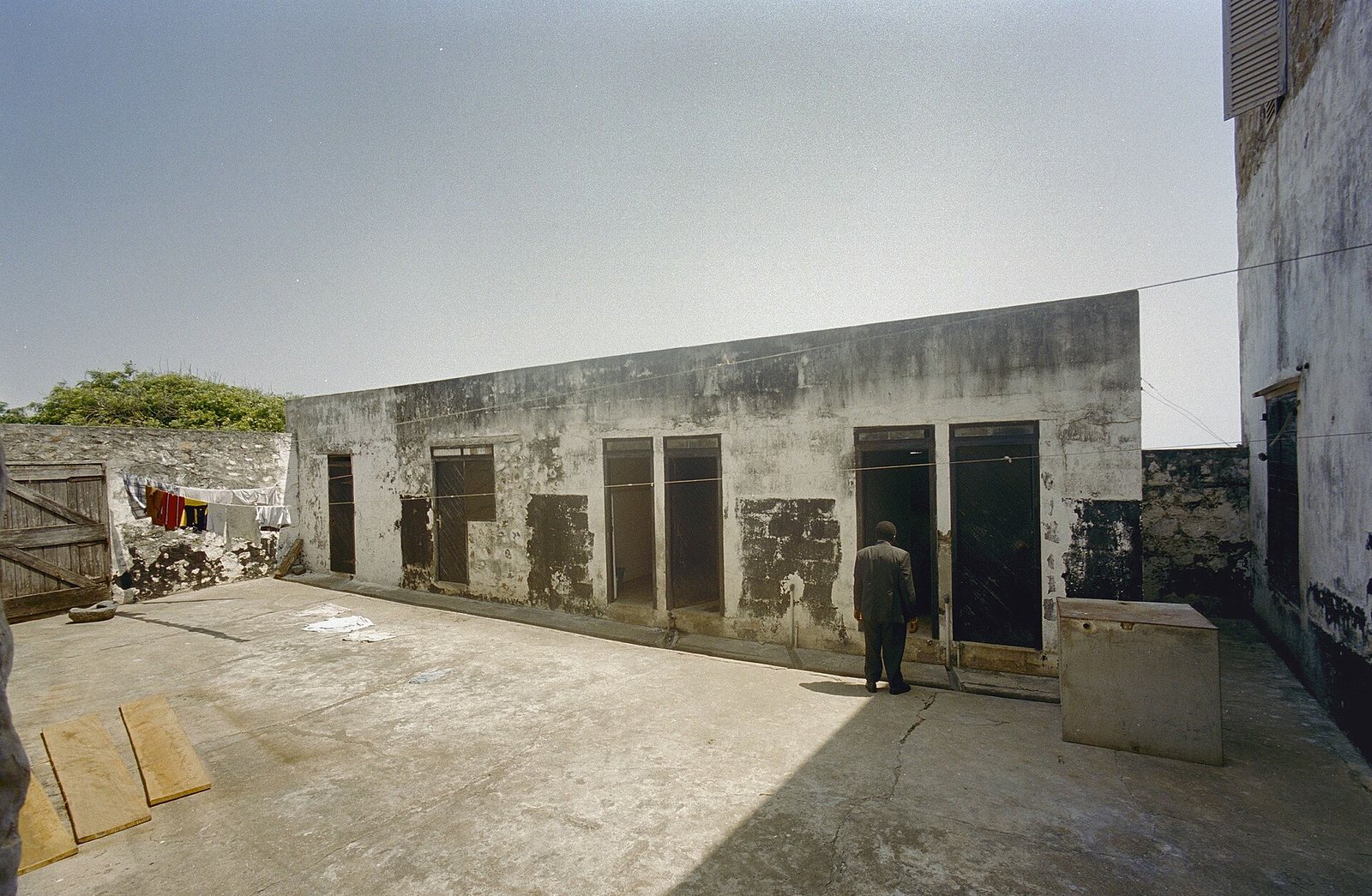
The two service yards south of the main building contained kitchens and an Orange Hall used for receptions and palavers, or formal meetings. Such service additions were built when the Dutch had reached an understanding with surrounding communities, and Orange Halls also appeared at other Dutch forts.