Fort Goede Hoop: A Dutch Coastal Fort in Ghana
Site at a Glance
- Rating
- 4.1
- Popularity
- Low
- Country
- Ghana
- Primary era
- Early Modern
- Eras represented
- Early Modern
- Civilizations
- Dutch
- Site type
- Military
- Remains
- Fort
On this page8 sections
History
Fort Goede Hoop, also known as Fort Good Hope, is a Dutch colonial trading post and coastal fort in Ghana near Senya Beraku. Established in 1667 during the Dutch presence on the Gold Coast, it was built to support commerce with Akim and later became involved in the Atlantic slave trade, the forced transportation and sale of enslaved Africans across the Atlantic.
Dutch establishment and trade
A Dutch trading lodge stood at the site in the 1660s, but it was abandoned after the British established a fort nearby at Winneba. In 1704, the Dutch received permission from the Queen of Agona to construct a fort at Senya Beraku. The settlement was intended mainly to support the gold trade with Akim, a political region and people in present-day southern Ghana. That trade was not especially prosperous, and the fort later became a place where enslaved people were sold. Fort Goede Hoop was the last fort built by the Dutch on the Gold Coast.
British capture and changing control
During the Fourth Anglo-Dutch War, a conflict between Britain and the Netherlands, British Captain Thomas Shirley captured Fort Goede Hoop in 1782 along with several other Dutch forts on the Gold Coast. Britain held it until 1785, when the fort returned to Dutch administration. The local Akim population controlled it from 1811 to 1816.
In 1868, the fort was ceded to the United Kingdom under the Anglo-Dutch Gold Coast Treaty of 1867, which involved a major exchange of forts between the Netherlands and Britain. British control continued until Ghanaian independence in 1957, after which the fort came under Ghanaian control. It is preserved and used as a rest house.
Heritage and historical meaning
Fort Goede Hoop was inscribed in 1979 as part of the UNESCO World Heritage property “Forts and Castles, Volta, Greater Accra, Central and Western Regions,” together with 27 other sites. Its inclusion reflects the fort’s evidence of European colonial exploitation and the Atlantic slave trade.
Remains
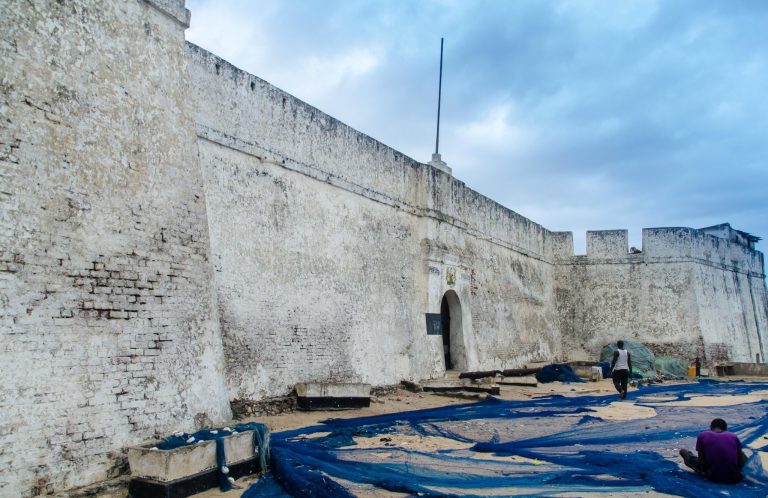
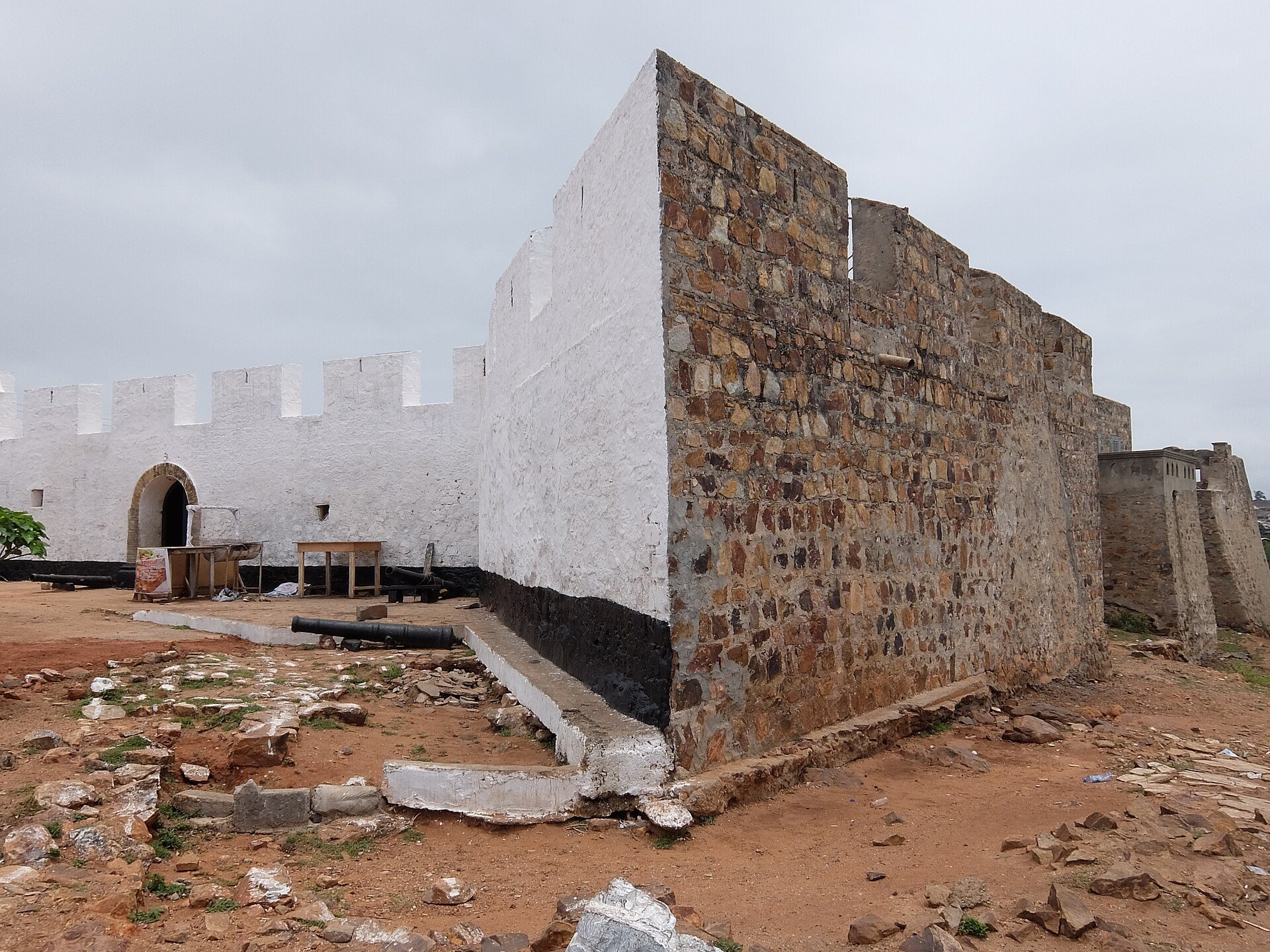
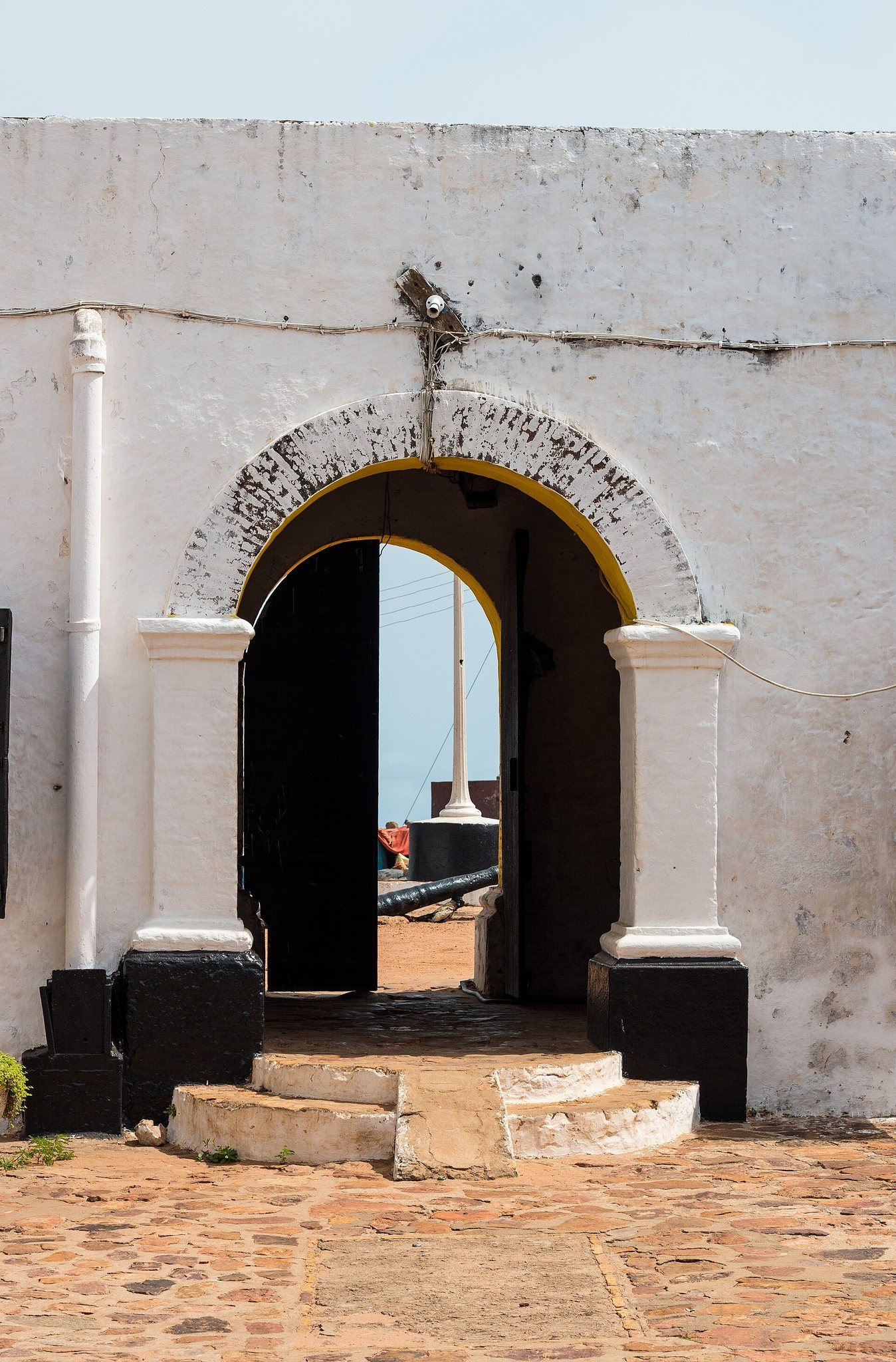
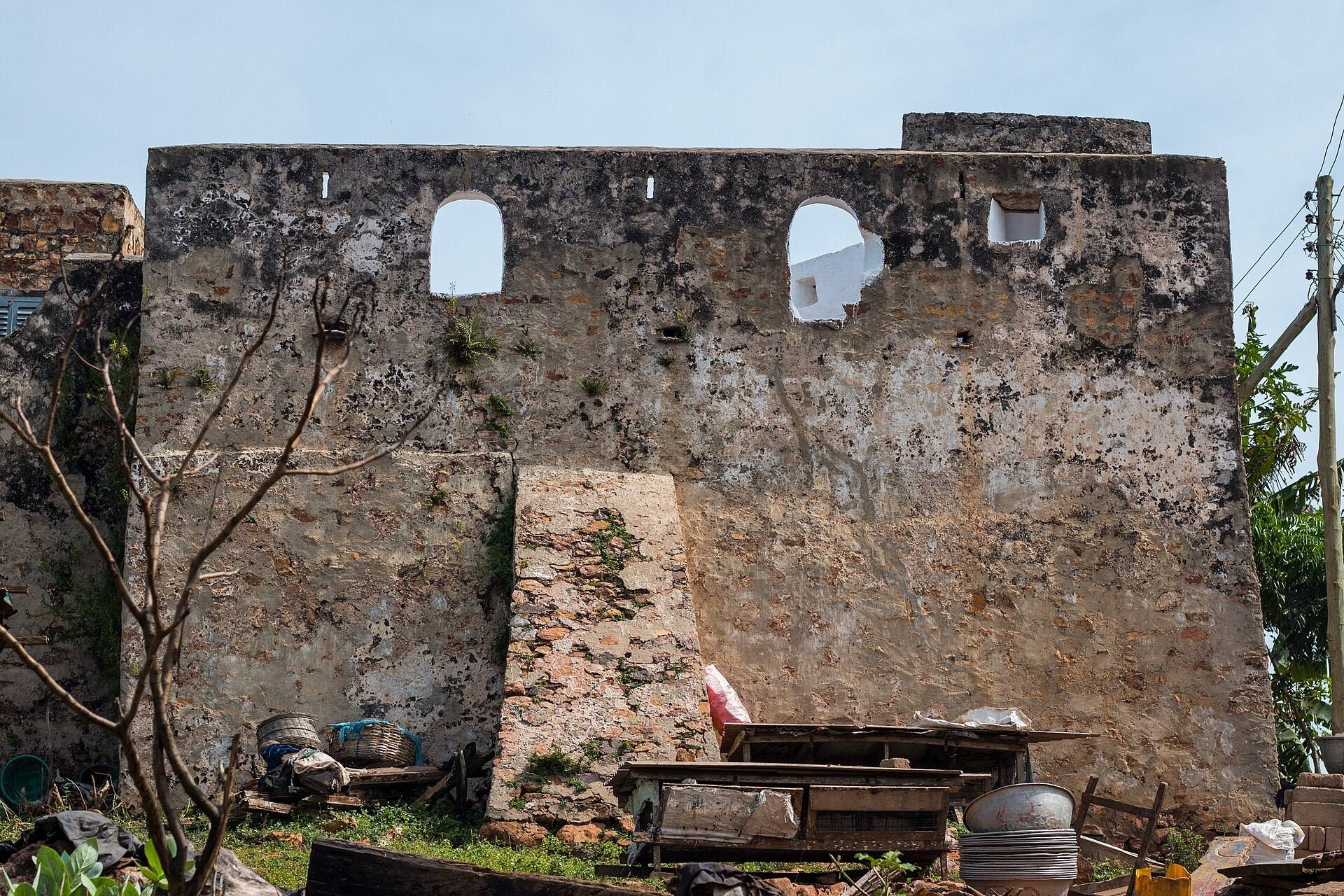
The fort stands on a coastal promontory near a cove and a suitable landing beach. Built of stone and brick, it rises approximately 12 metres. Its layout developed from a small triangular fort into a larger rectangular stronghold with bastions, curtain walls, accommodation, storage areas, and separate prisons.
Triangular foundation
The initial fort was small and triangular, with three bastions at the northeast, southwest, and southeast corners. A bastion is a projecting fortification designed to provide defensive fire along the faces of a fort’s walls. The early structure was identified as Fort de Goede Hoop, meaning “Fort Good Hope.”
Expansion and rectangular fort
By 1715, the original fort had proved too small. Its diagonal was removed and the plan was changed to a square or rectangular form. A prison for enslaved people was installed in the southwest bastion.
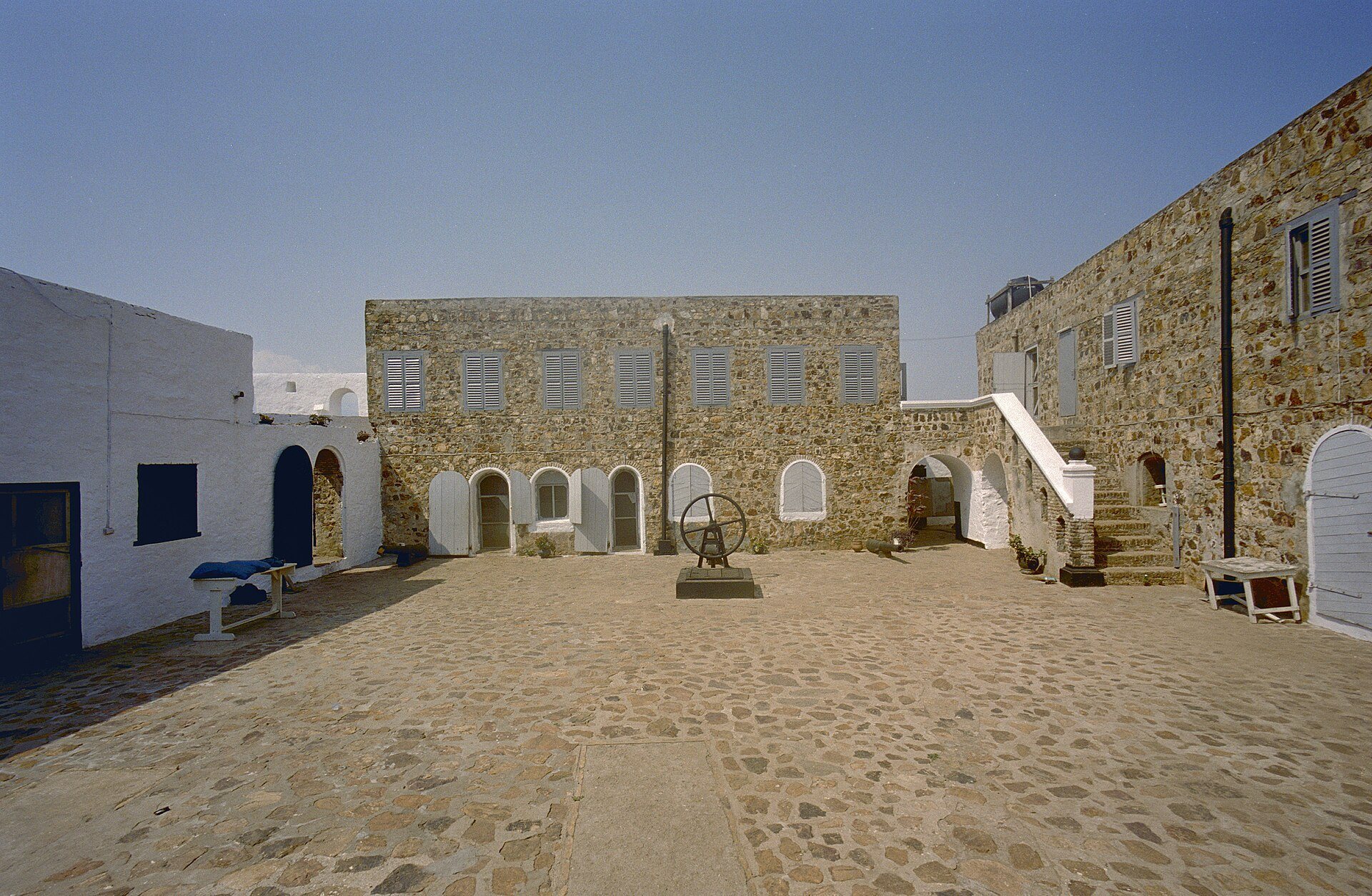
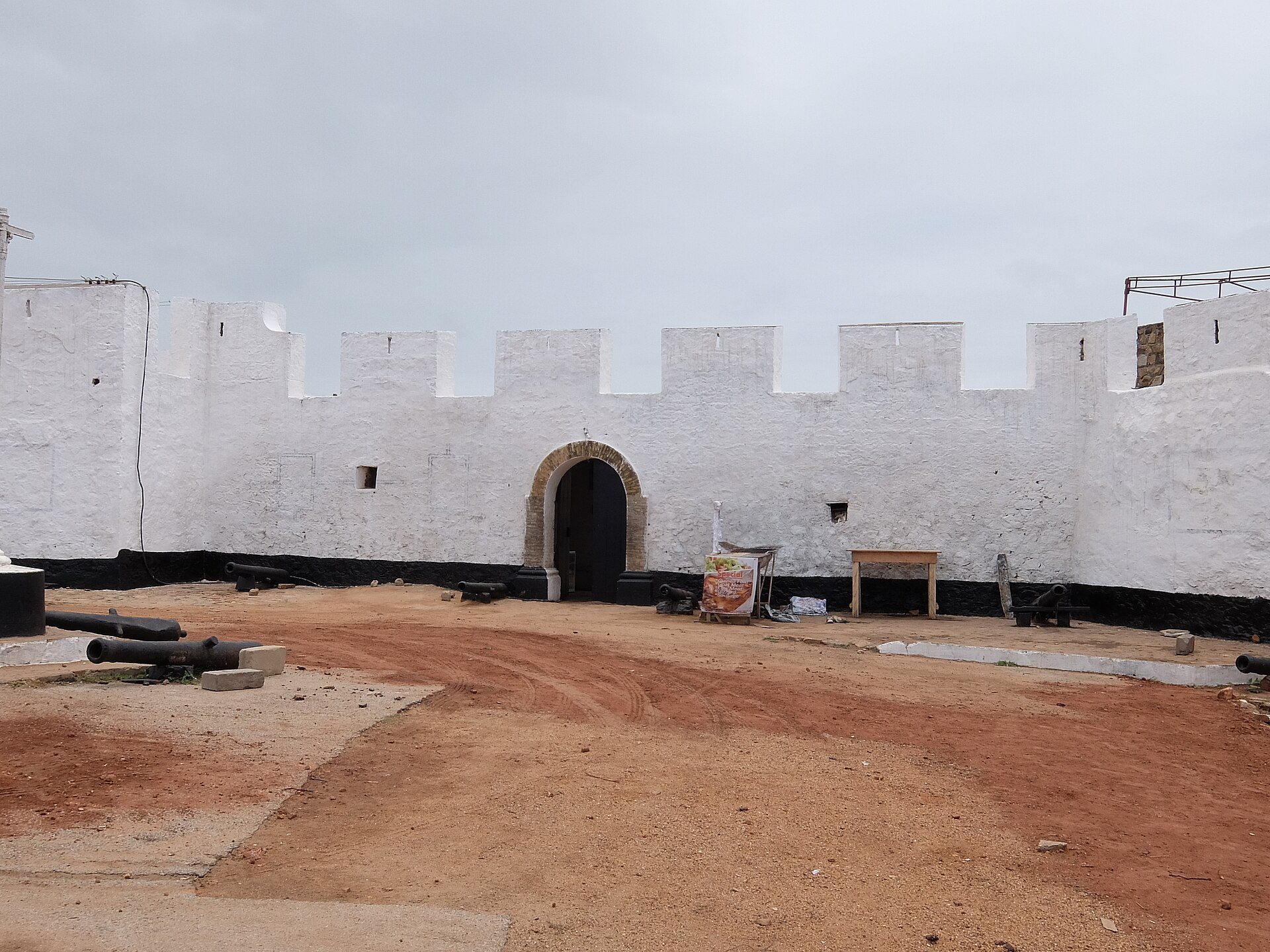
In 1724, the fort was rebuilt in its present rectangular form because it could not accommodate the increasing number of enslaved people. The enlarged structure had four bastions linked by curtain walls, the sections of wall connecting two bastions. It included garrisons, officers’ halls, kitchens, separate prisons for women and men, stores, a granary, and a powder magazine, a room used to store gunpowder.
Outer defenses and present condition
An outer defensive wall was added later in the eighteenth century, although almost all of it has disappeared. The main fort remains preserved and repurposed as a rest house.