Fort William: A British Colonial Trading Fort in Ghana
Site at a Glance
- Rating
- 4.2
- Popularity
- Low
- Country
- Ghana
- Primary era
- Early Modern
- External website
- Open
- Eras represented
- Early Modern, Modern
- Civilizations
- British
- Site type
- Military
- Remains
- Fort
On this page12 sections
History
Fort William is a fortified colonial trading post in Anomabu, Ghana, built by the British in 1753 during the European struggle for control of the Gold Coast. Originally called Fort Anomabo, it remained under British occupation until Ghana gained independence in 1957.
Early European occupations
The site had already been used for European fortifications before the present fort was built. The Dutch established a stone-and-brick lodge there in 1640 under Arent Jacobsz van der Graeff. Swedish forces seized it in 1653, Danish forces took control in 1657, and the Dutch regained it in 1659 or 1660. During this earlier period, an Anomabo chief, identified possibly as Eno or Eno Besi, occupied the lodge and declared it his palace.
After the Second Anglo-Dutch War, a conflict between England and the Dutch Republic that ended with the Treaty of Breda in 1667, the English secured a foothold at Anomabo. In the early 1670s they began building Fort Charles on the site. Named after King Charles II, the fort was abandoned in 1730 when English resources were concentrated at Fort Carolusburg in Cape Coast. Fort Charles was later destroyed.
Anomabo and the Atlantic slave trade
Anomabo became an important base for independent English ship captains after the Royal African Company opened parts of its trading monopoly to them in 1698. These merchants, known as “Ten Percenters” because they paid a 10-percent affiliation fee, operated there until their licenses ended in 1712. Anomabo also became a major center for the export of enslaved people.
Between January 1702 and August 1708, at least 30,141 enslaved people were exported from Anomabo to Barbados and Jamaica. That total excluded dealings involving other destinations and companies, while Anomabo was said to have accounted for about one-third of a larger overall figure. The Atlantic slave trade forcibly transported and enslaved Africans through European-controlled coastal networks linking Africa with the Americas.
Construction and British rule
In 1753, after British forces prevented a French attempt to establish a fort at Anomabu, the British African Company of Merchants began constructing Anomabu Castle, also known as Fort William. The company succeeded the Royal African Company, an English chartered trading corporation involved in commerce along the West African coast.
British military engineer John Apperly designed the fort and became its first governor. Following his death in 1756, Richard Brew, an Irish governor and colonial official, assumed the post and completed the construction in 1760. Fort William then served as the center of British slave trading along the Gold Coast until Britain outlawed its slave trade in 1807.
Later alteration and preservation
In the 1830s, the fort’s commander, Brodie Cruickshank, added a storey to the main building. The enlarged fort was renamed Fort William after King William IV, who ruled Britain from 1830 to 1837.
Fort William and other forts and castles in Ghana were added to the UNESCO World Heritage List in 1979. The inscription covers the Forts and Castles of Volta, Greater Accra, and the Central and Western Regions, recognizing their importance as evidence of the Atlantic slave trade and its coastal trading system.
Remains
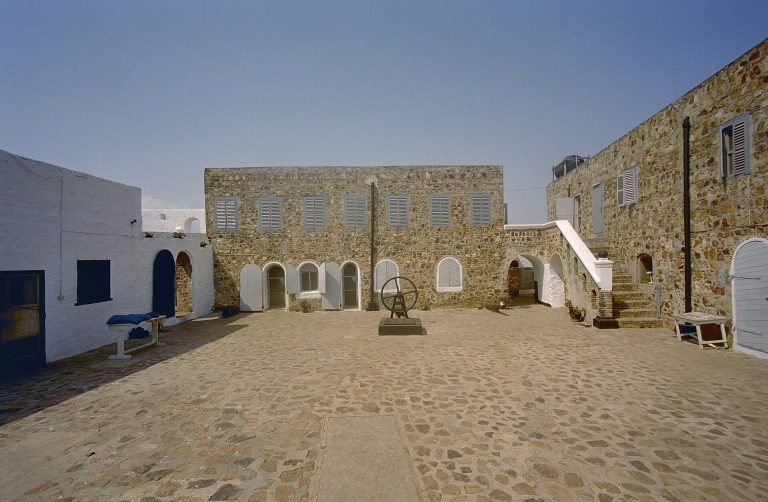
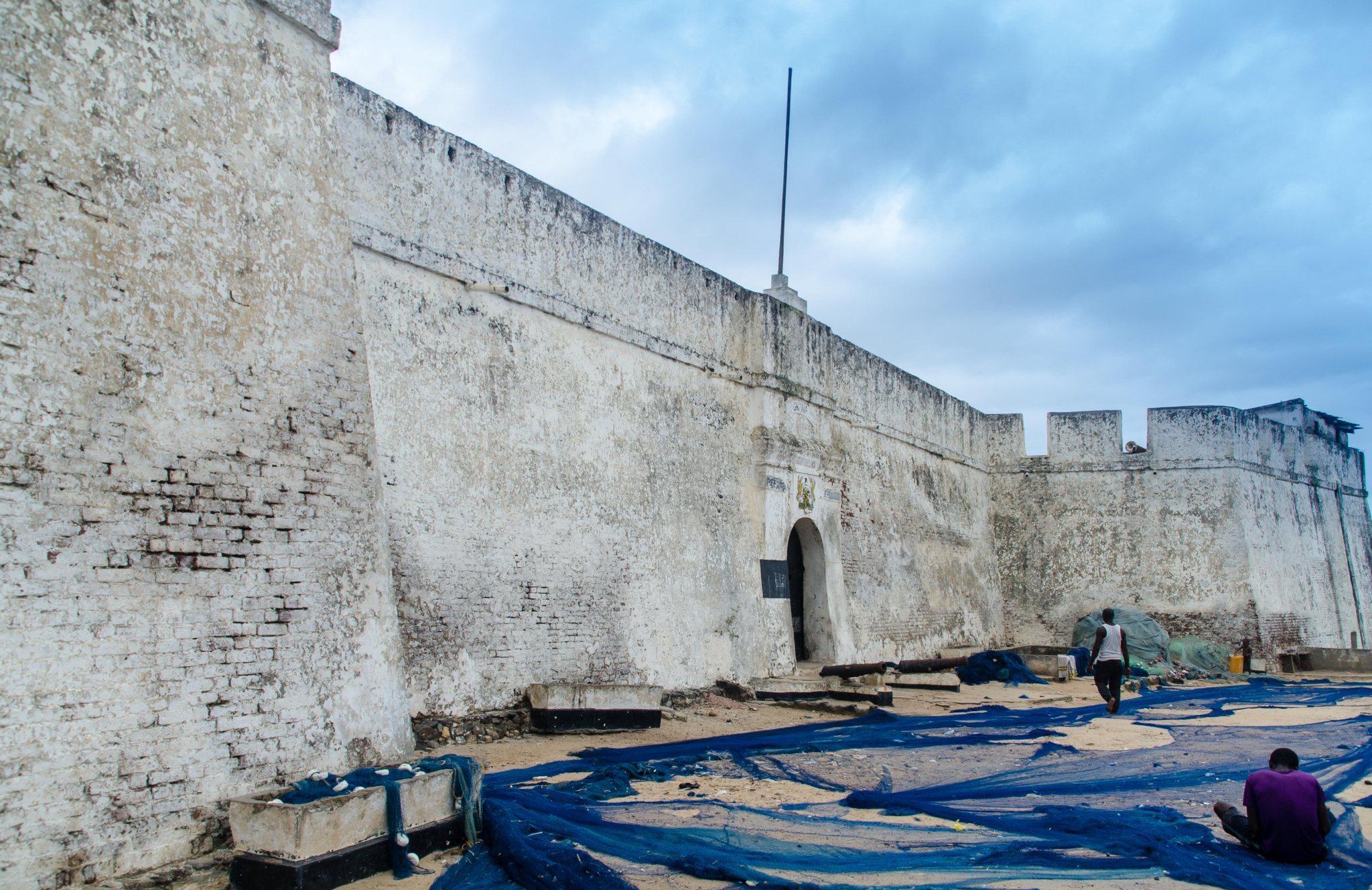
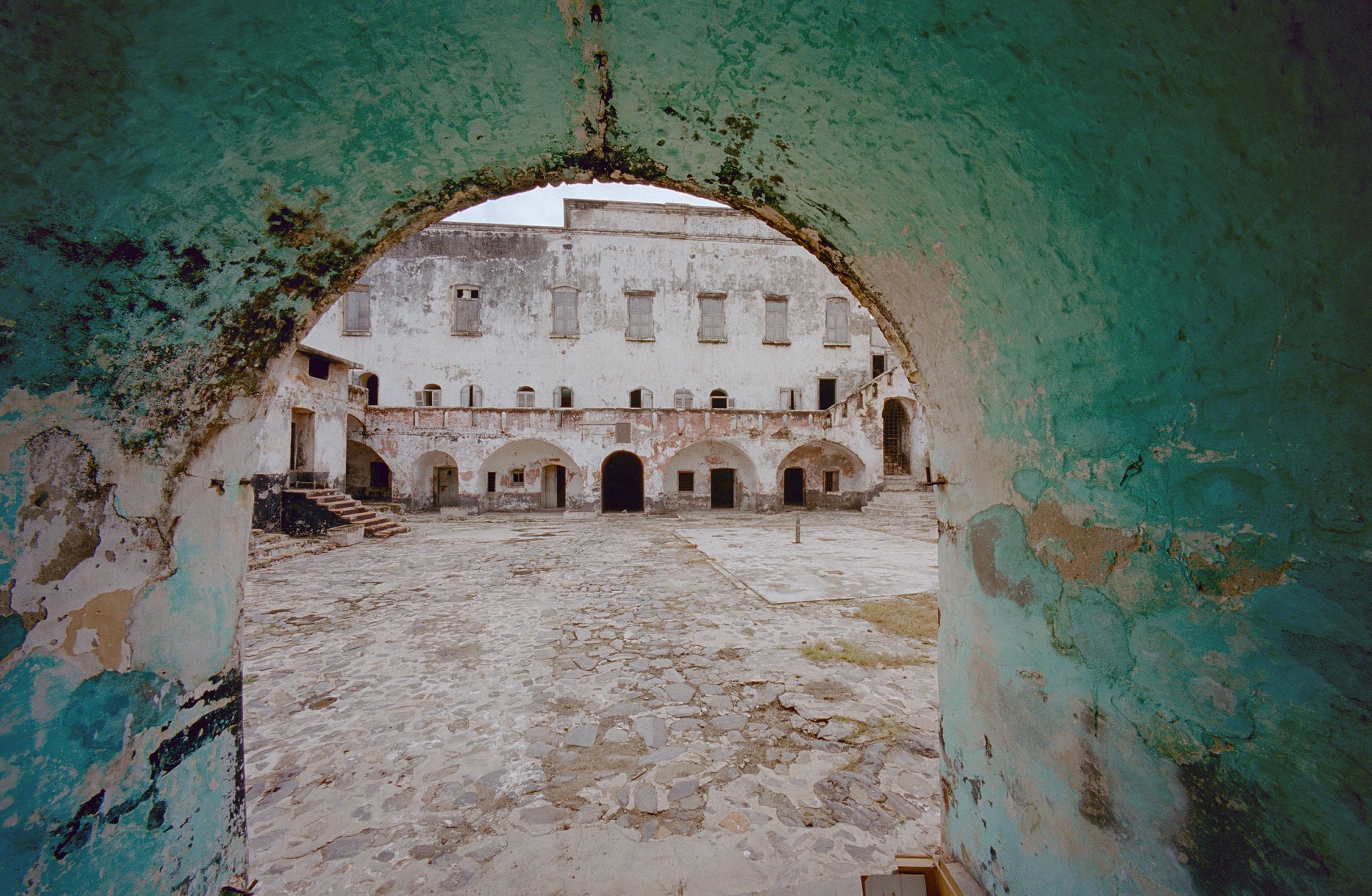
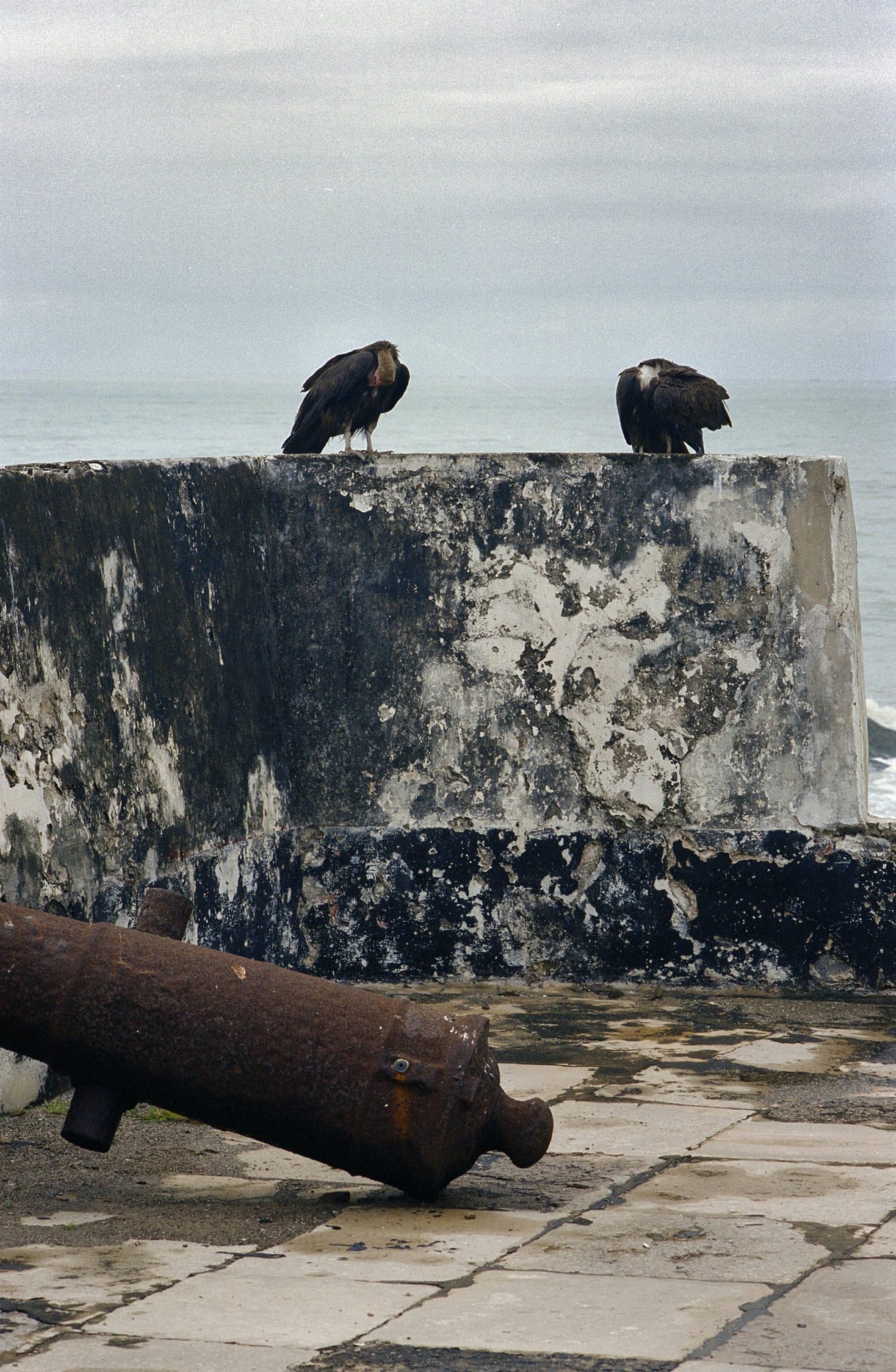
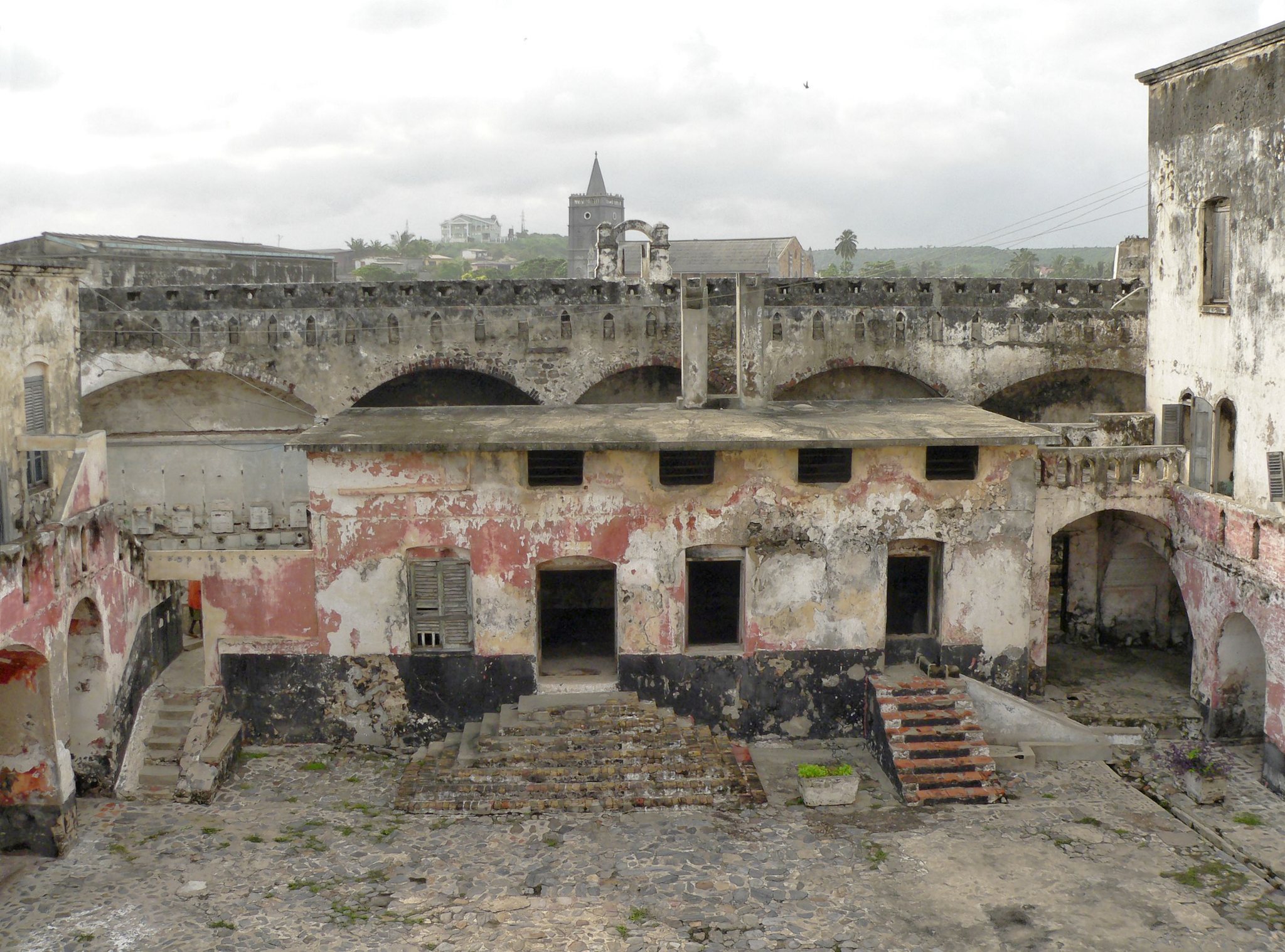
Fort William occupies the earlier site of the Dutch lodge and English Fort Charles at Anomabu. Its surviving remains are described as well preserved and remain visible, retaining the form of a fortified colonial trading establishment whose main building was enlarged during the 1830s.
Earlier installations
Dutch lodge
The first European structure was a simple lodge built in 1640 from stone and brick under Arent Jacobsz van der Graeff. This installation formed the earliest known fortified European phase of the site and was later occupied by an Anomabo chief as a palace.
Fort Charles
English builders established Fort Charles in the early 1670s on the same location. The fort was named after King Charles II, abandoned in 1730, and subsequently destroyed. Its position beneath the later Fort William links the surviving structure to the site’s earlier English occupation.
Fort William
Main building
John Apperly designed Fort William as a fortified colonial trading establishment. Construction began in 1753 and was completed in 1760 after Richard Brew took over the governorship. The main building gained an additional storey in the 1830s, when the fort was renamed after King William IV.
Surviving features
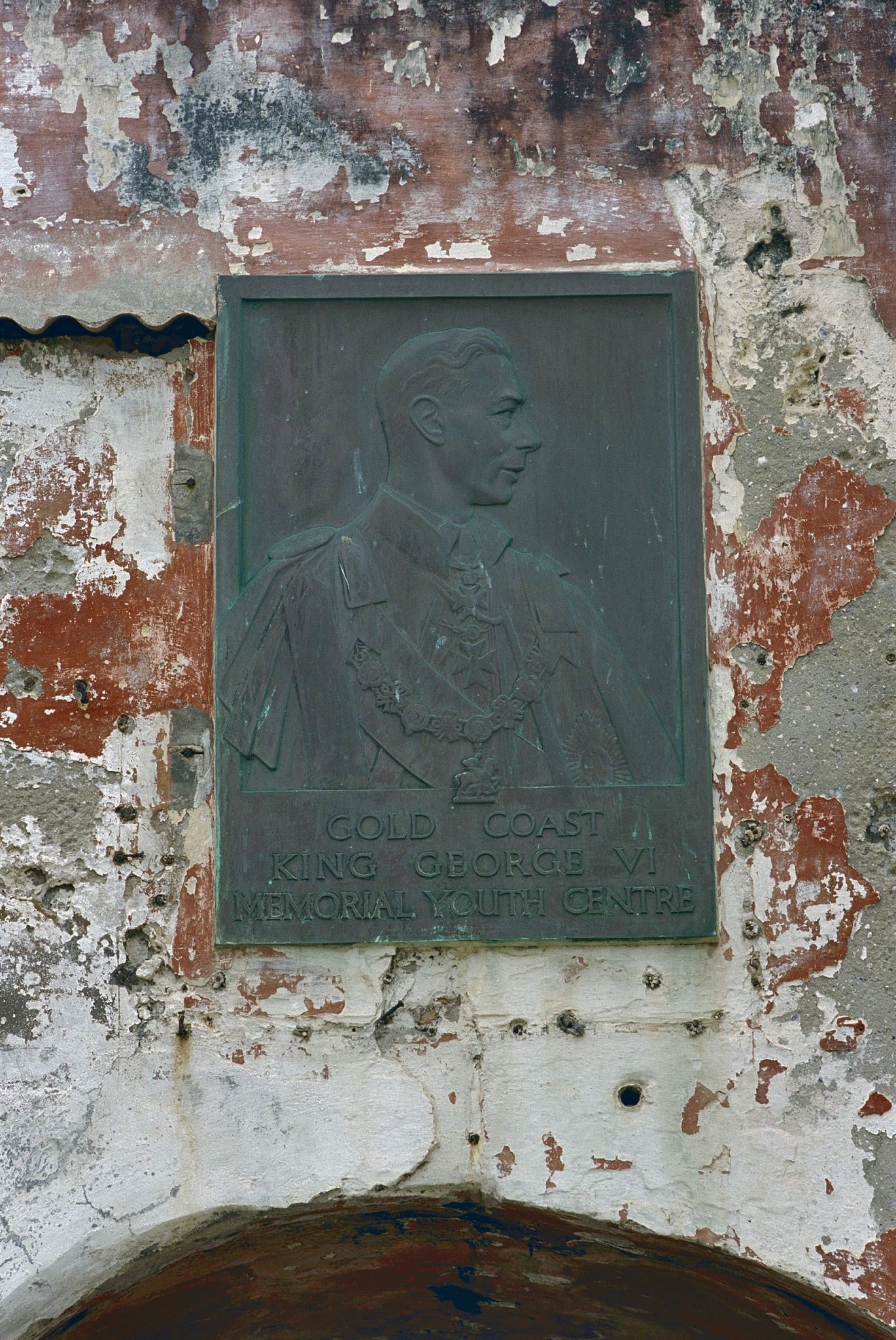
The visible remains include a prison cell, a coat of arms, and a commemorative plaque for King George IV, the British monarch who reigned from 1820 to 1830. These features form part of the preserved fabric and historical interpretation of the fort.