Fort of Cego: A Defensive Work of the Lines of Torres Vedras
Site at a Glance
- Rating
- 3.9
- Popularity
- Very Low
- Country
- Portugal
- Primary era
- Modern
- External website
- Open
- Eras represented
- Modern
- Civilizations
- British, Portuguese
- Site type
- Military
- Remains
- Fort
On this page6 sections
History
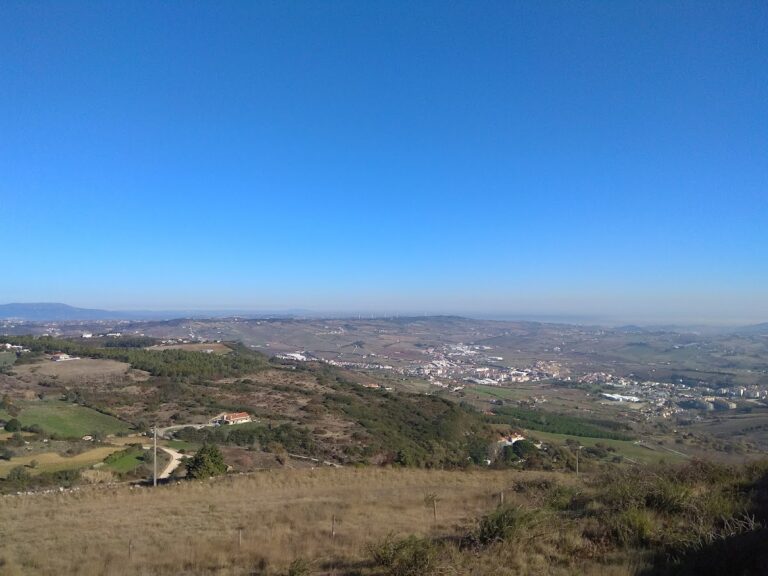
The Fort of Cego is a Portuguese defensive work in Arruda dos Vinhos, Portugal, built in 1809–1810 as part of the first, northernmost line of the Lines of Torres Vedras. This system of field fortifications protected the approaches to Lisbon during the Peninsular War, the conflict in which Portugal, Britain, and their allies fought French forces in the Iberian Peninsula. The lines were also intended to secure the British Army’s retreat and embarkation if the defense failed.
Construction during the Peninsular War
On October 20, 1809, Arthur Wellesley, 1st Duke of Wellington, the British commander in Portugal, ordered defensive works to be built north of Lisbon between the Atlantic Ocean and the River Tagus. Construction proceeded rapidly and in secrecy. Colonel Richard Fletcher, commander of the Royal Engineers, supervised the military engineering, including the design and construction of the fortifications. The resulting system comprised 152 forts, redoubts, and other military installations.
The Fort of Cego was designated Military Work No. 9. Its position helped protect the Arruda Valley through mutually supporting fire with the nearby Fort of Carvalha. Portuguese Major Brandão de Sousa originally gave it the name São Sebastião, or Saint Sebastian. The fort later became known as the Fort of Cego.
Military role and later history
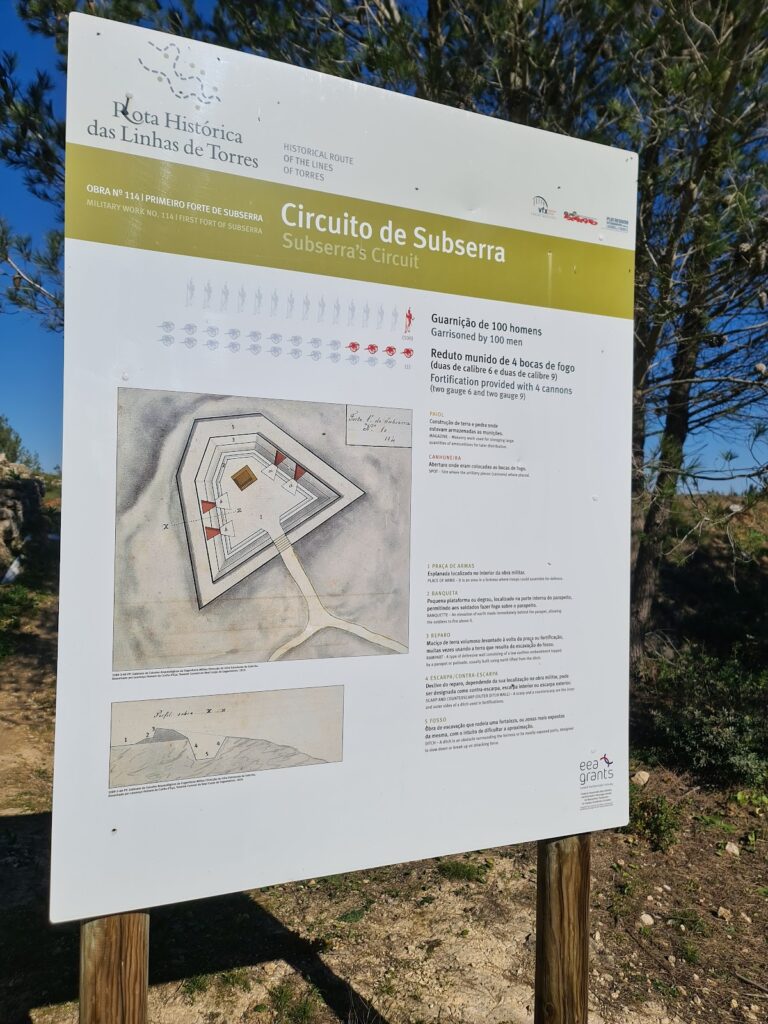
The fort was armed with three nine-pounder cannon and had a garrison of 280 men. Although prepared as part of Lisbon’s defensive system, it was not used in battle. In 2010, the Fort of Cego was restored during commemorative work marking the bicentenary of the construction of the Lines of Torres Vedras. It is now partly restored.
Remains
Plan, drainage, and earthworks
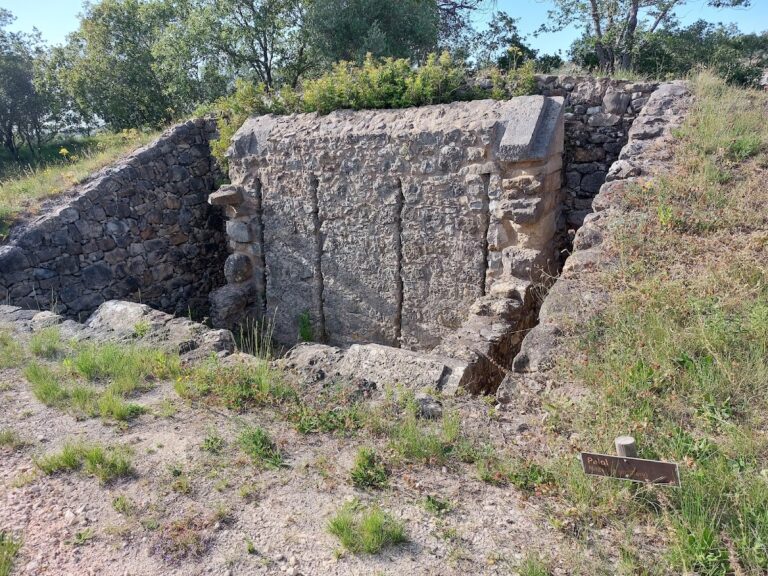
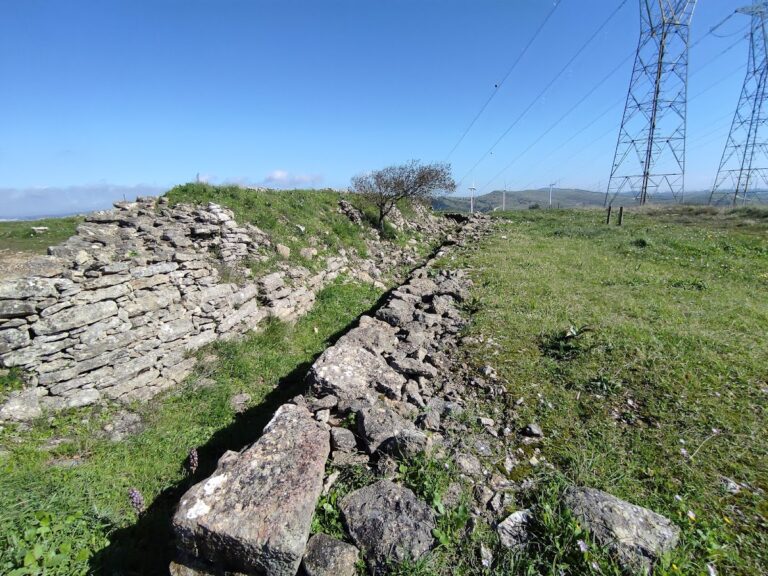
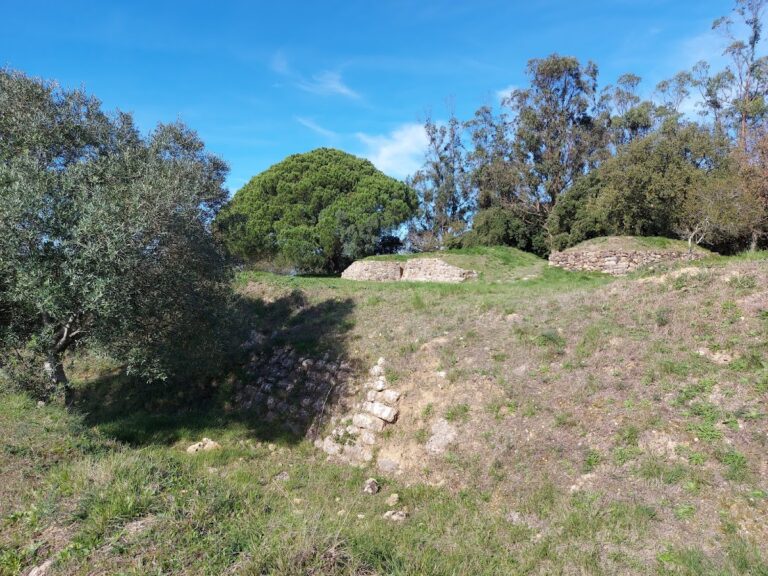
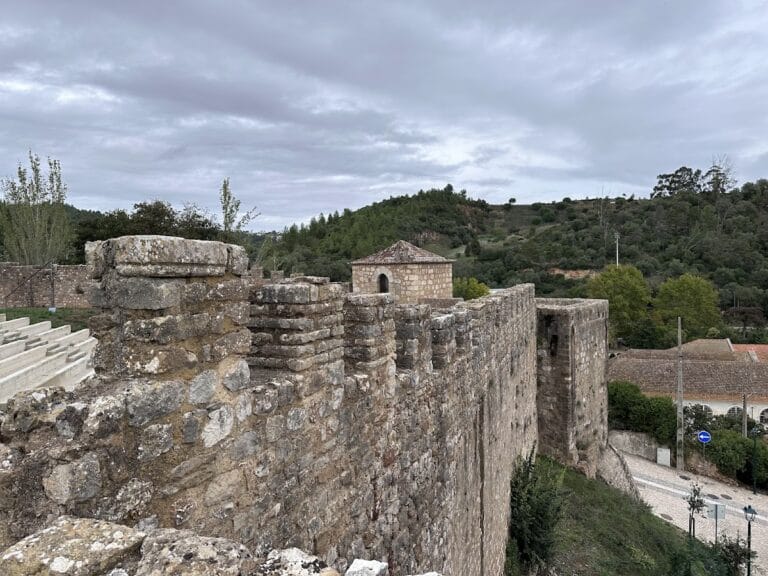
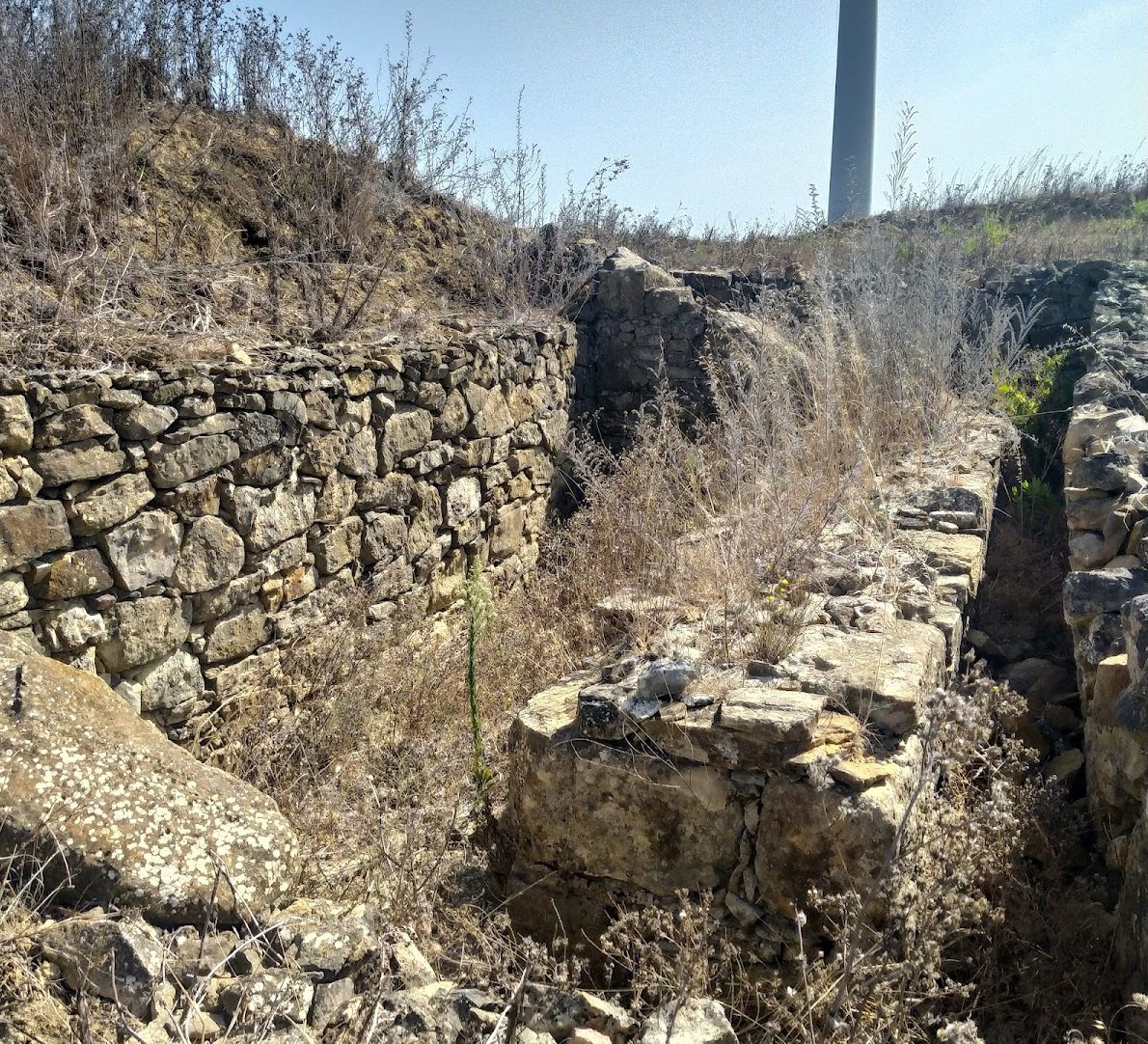
Standing at an elevation of 353 metres above sea level, the fort has an irregular star-shaped plan. It was notable within the Lines of Torres Vedras for an elaborate drainage system intended to prevent water from collecting inside the defenses. The interior floor was formed from stones bonded with mortar, while flagstones were used at the gun positions. Earth ramparts surrounded and protected the fort, providing cover from enemy fire.
Defensive relationship
The surviving layout is understood within the wider arrangement of defenses in the Arruda Valley. The nearby Fort of Carvalha worked with the Fort of Cego through crossfire, allowing the two positions to support one another. This relationship formed part of the broader defensive design of the first line north of Lisbon.
Nearby sites