Fort Dunree: A Coastal Defence Fort on Lough Swilly
Site at a Glance
- Country
- Ireland
- Primary era
- Modern
- Eras represented
- Modern
- Civilizations
- British
- Site type
- Military
- Remains
- Fort
On this page9 sections
History
Construction and changing armament
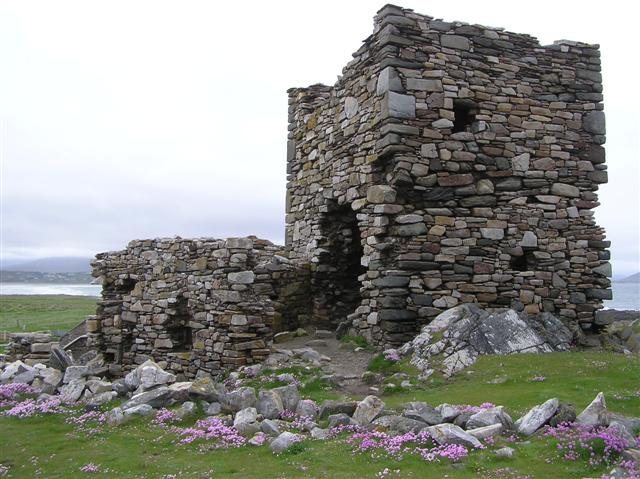
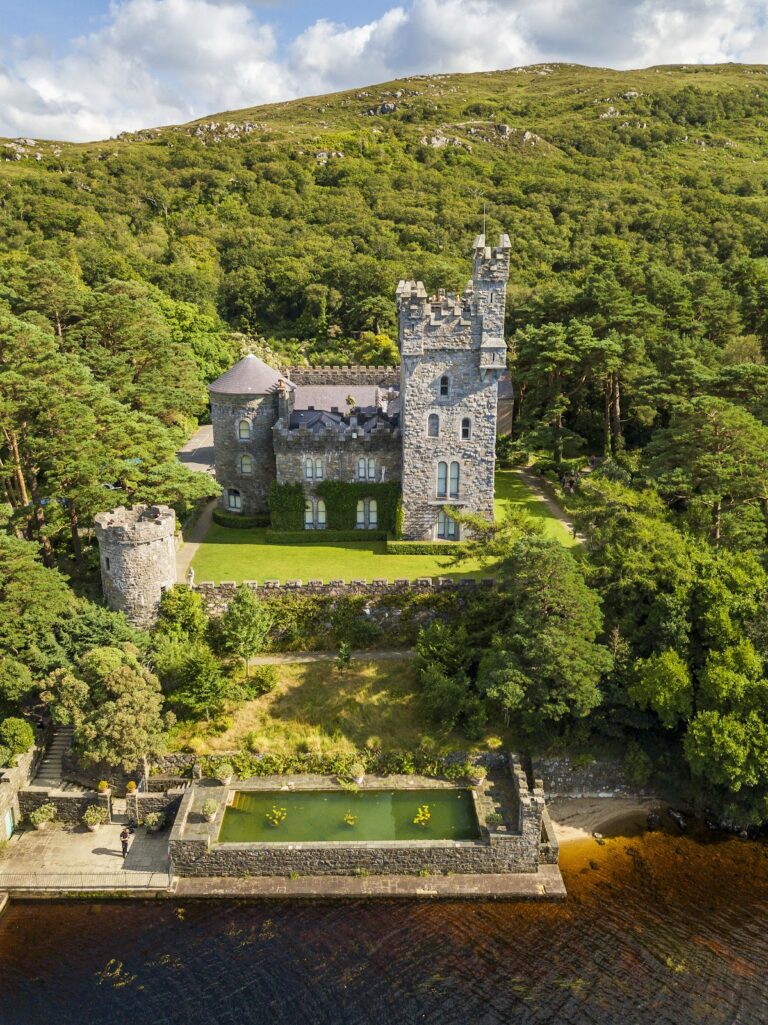
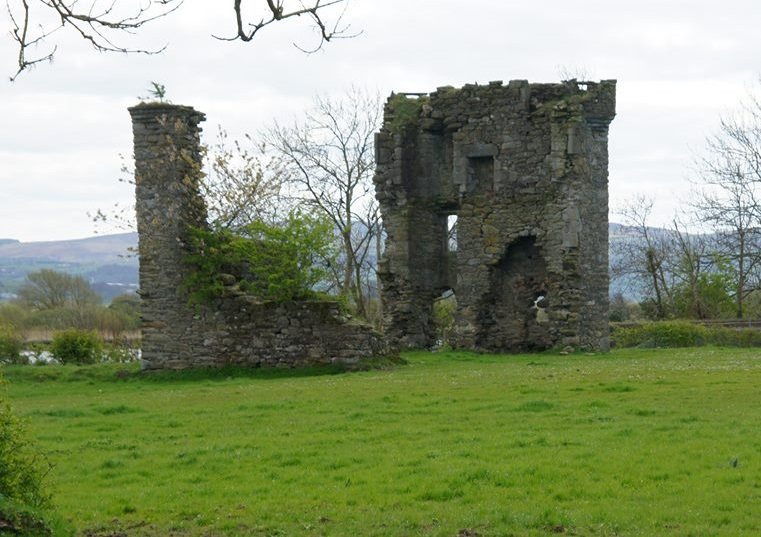
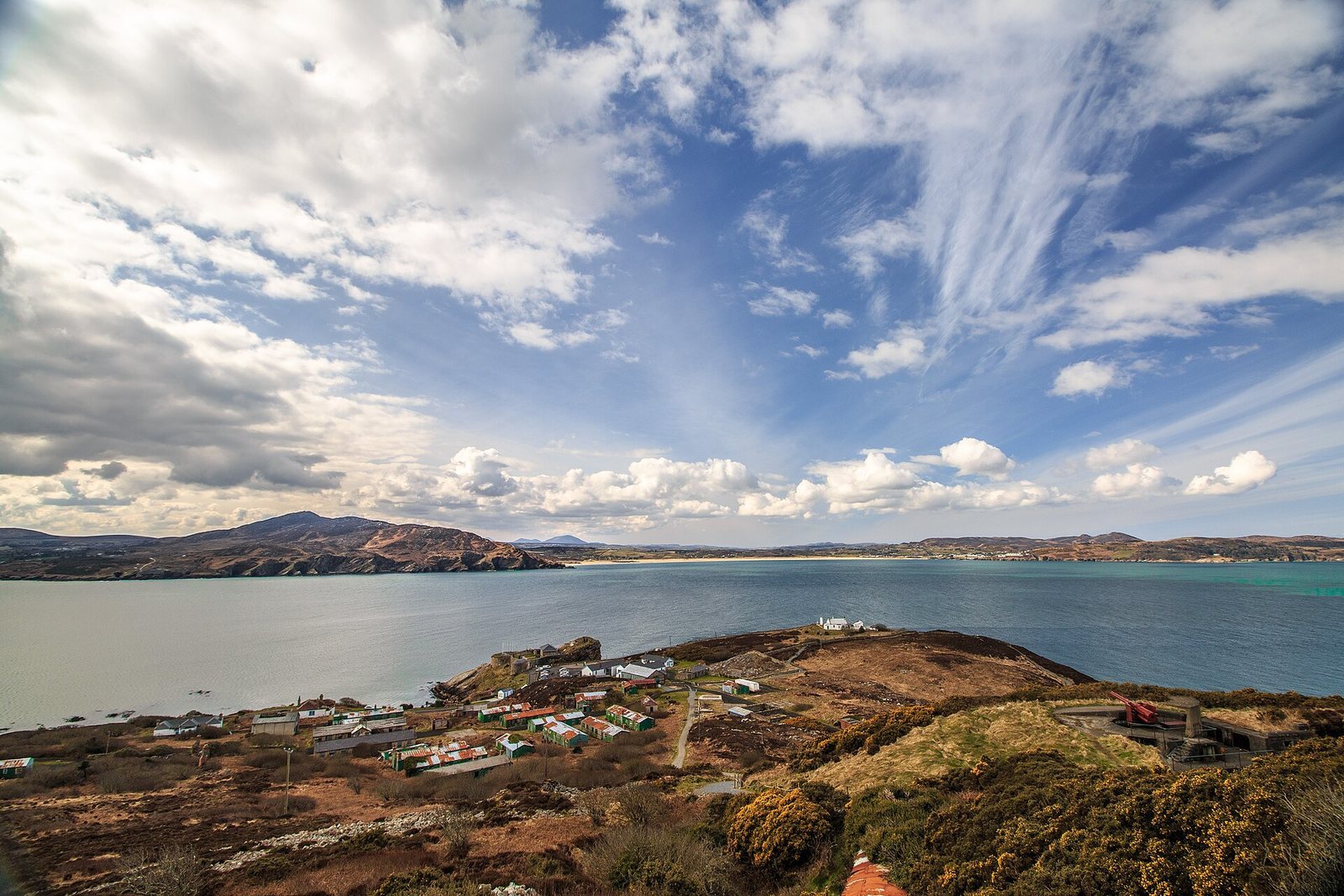
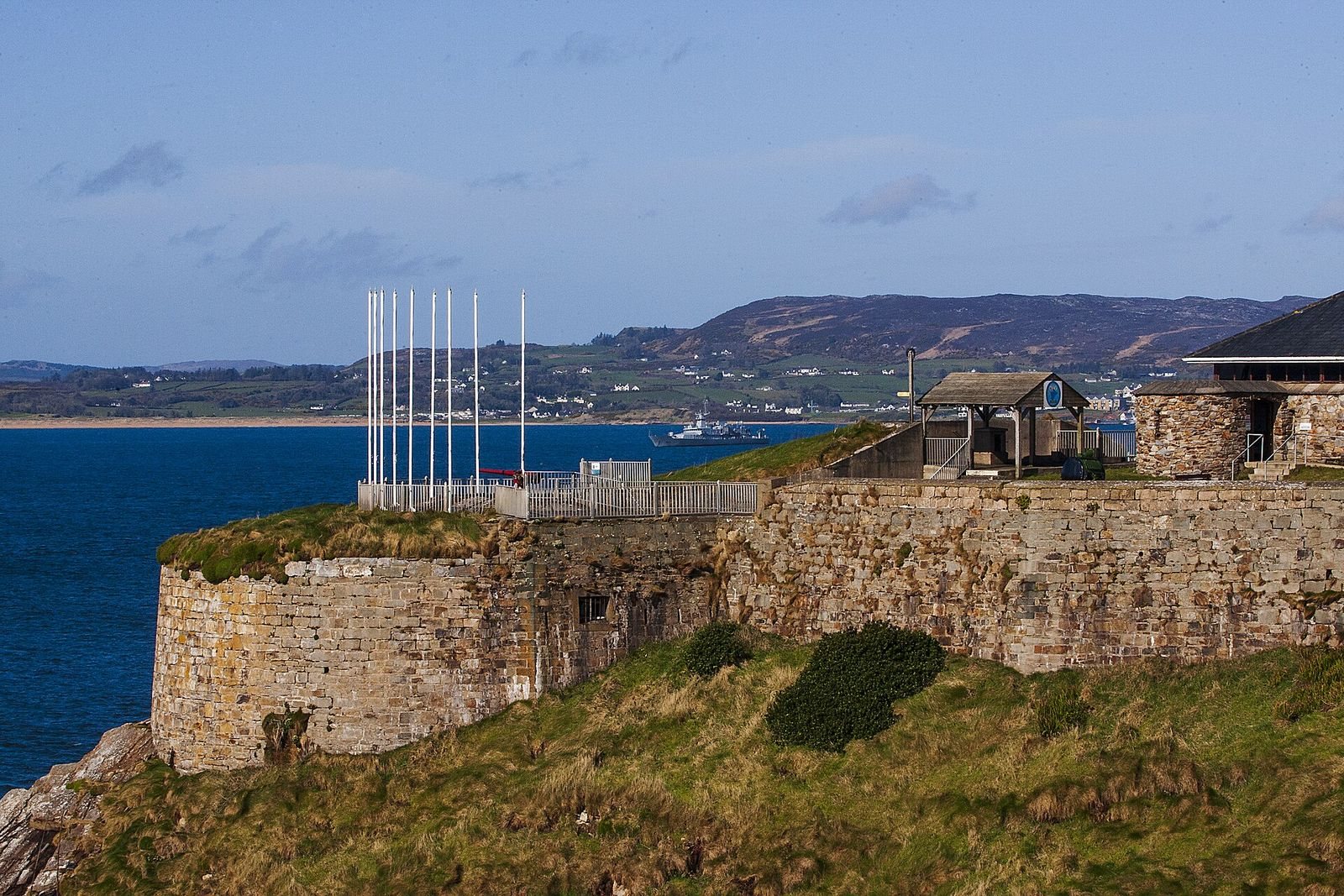
Fort Dunree is a stone coastal fort on the western side of the Inishowen Peninsula in Ireland, built by the Royal Navy, the United Kingdom’s naval service, around 1812–1813. It formed part of a chain of coastal defences created during the Napoleonic Wars, conflicts between France under Napoleon and coalitions of European powers that ended in 1815. Across Lough Swilly, the fort faced Knockalla Fort.
After peace in 1815, the fort fell into neglect. It was armed with seven 24-pounder guns in 1874, each named for the weight of the projectile it fired, and remodelled in 1895. Its two 6-inch guns remained operational during the First World War.
British control and transfer to Ireland
The 1921 Anglo-Irish Treaty provided for British sovereignty over three strategically important ports, including Lough Swilly, with Britain responsible for maintaining their harbour defences. The treaty led to the establishment of the Irish Free State in 1922, a self-governing dominion in the British Commonwealth, but the Royal Navy continued to maintain its presence at Fort Dunree.
Under the Anglo-Irish Trade Agreement of 1938, British sovereignty over the fort ended on 3 October, when Dunree and Leenan, the Lough Swilly forts, were handed to the Irish Defence Forces. The transfer was brought forward from 26 October because of the international situation. The departing British troops left for Shoeburyness. This was the last time sovereignty over any territory was ceded to Ireland.
Irish military use and museum
The Irish Army, the land force of the Irish state, manned the fort’s guns until they were decommissioned after the Second World War. The army continued to use the site for training until 1990. Fort Dunree now houses a military museum, with exhibitions that include an old military camp and displays about local birds, marine life and coastal vegetation. Irish names associated with the fort are An Dún Riabhach, meaning “Grey Fort,” and Dún Fhraoigh, meaning “Fort of Heather.”
Remains
Defensive layout
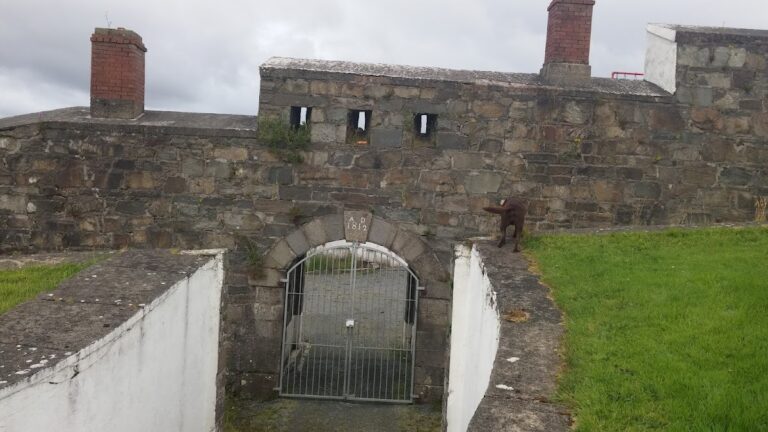
The stone fort occupies a rocky promontory on the western side of the Inishowen Peninsula. A natural fissure gives access to the headland. Its artillery positions were arranged at lower and higher levels, with a hilltop overlooking the fort enclosed by a wall.
Lower gun position
The lower level held two 4.7-inch guns, about 120 millimetres in calibre. These quick-firing weapons were designed to fire at a relatively rapid rate.
Hilltop redoubt and upper battery
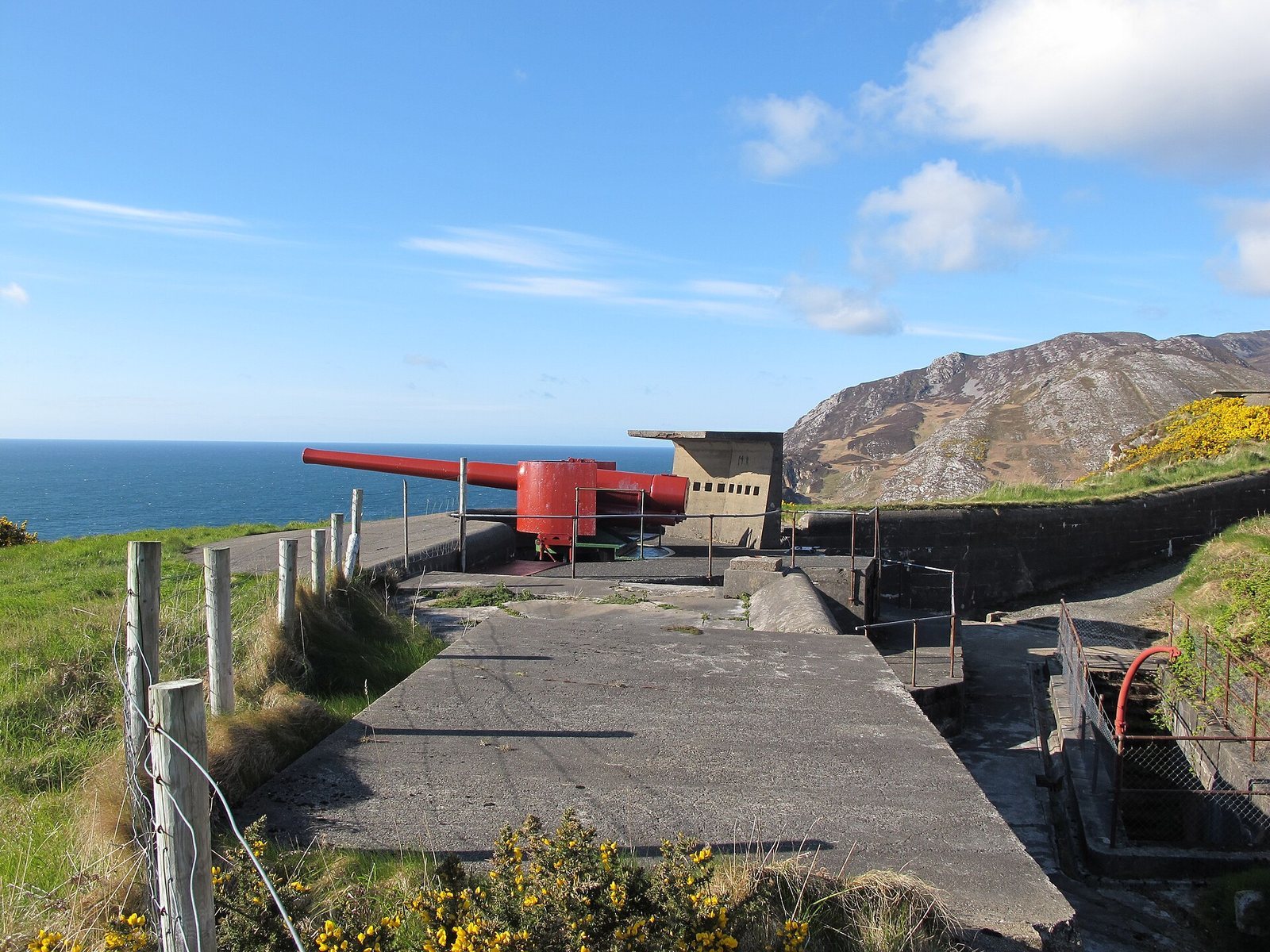
The enclosing wall formed a redoubt, an enclosed defensive work. The upper land battery later held 12-pounder quick-firing guns, named for their projectile weight, as well as two 6-inch guns.
Museum gun exhibits
The museum includes four breech-loading 6-inch Mk VII naval guns. Breech-loading guns are loaded from the rear, and restored guns are among the museum’s exhibits.