Fort du Télégraphe: A French Alpine Defensive Fort
Site at a Glance
- Rating
- 4.6
- Popularity
- Low
- Country
- France
- Primary era
- Modern
- External website
- Open
- Eras represented
- Modern
- Civilizations
- French
- Site type
- Military
- Remains
- Fort
On this page13 sections
History
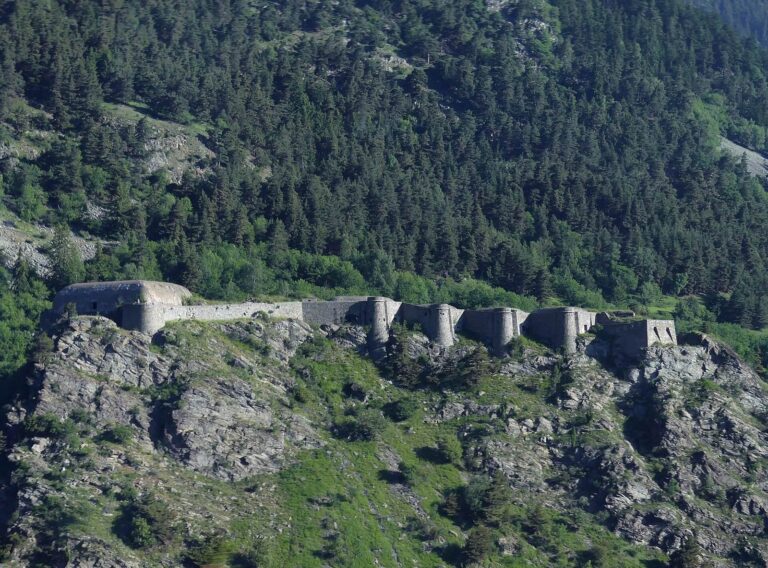
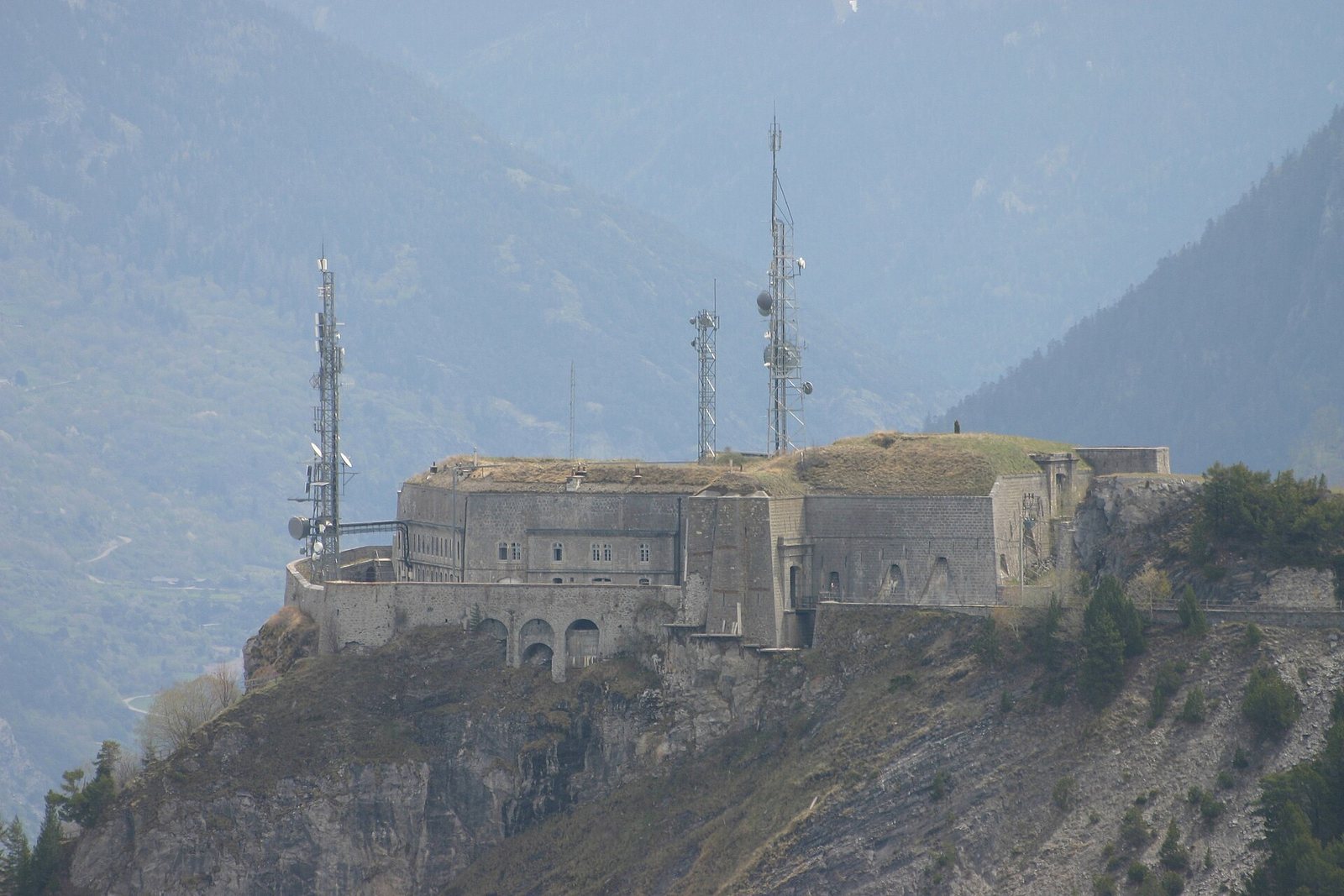
Fort du Télégraphe is a French military fort at Col du Télégraphe in Valloire, France, built in the 1880s to help defend routes through the Alps. It formed a principal part of the fortified position of Saint-Michel-de-Maurienne and belonged to the Séré de Rivières system, a network of French fortifications associated with military engineer Raymond Adolphe Séré de Rivières.
Before the fort
The position was occupied by Marshal Berwick in the early eighteenth century. Before the fort was built, a Chappe optical-telegraph post stood here on the Lyon–Milan line. The Chappe system sent messages using movable arms, and this line was extended to Venice in 1809.
Construction and name changes
The fort was designed to block movement through the valley. Its intended tasks included countering an attack from the Thabor region, stopping an advance through the Galibier or Rochilles passes via Valloire, and holding back an offensive that had passed through the defenses of Modane. It was also meant to prevent forces from Tarentaise crossing the Encombres pass if necessary. The fort initially mounted four artillery pieces, with four more in separate batteries. Its garrison numbered 170 men in 1890, while a separate figure gives 138.
On 21 January 1887, a decree by French minister of war Georges Boulanger temporarily renamed the fort Fort Berwick. The name honored Jacques I Fitz-James, Duke of Berwick-upon-Tweed, also known as Marshal Berwick. Boulanger’s successor, Théophile Ferron, reversed the decree on 13 October that year, restoring the fort’s previous name. Restructuring plans proposed in 1900 and 1908 were not implemented.
Wartime service and continued military use
In 1940, the fort fired 155 mm guns against Italian forces. It formed part of the Second Position, a fallback behind the main Alpine Line defenses, and was manned by the 6th Battery of the 164th Position Artillery Regiment. Its armament included six 155 mm guns and four 95 mm guns. In 1944, the French Forces of the Interior, a wartime resistance organization, used it as an artillery position. The fort is also associated with Operation Dragoon, the Allied invasion of southern France in 1944.
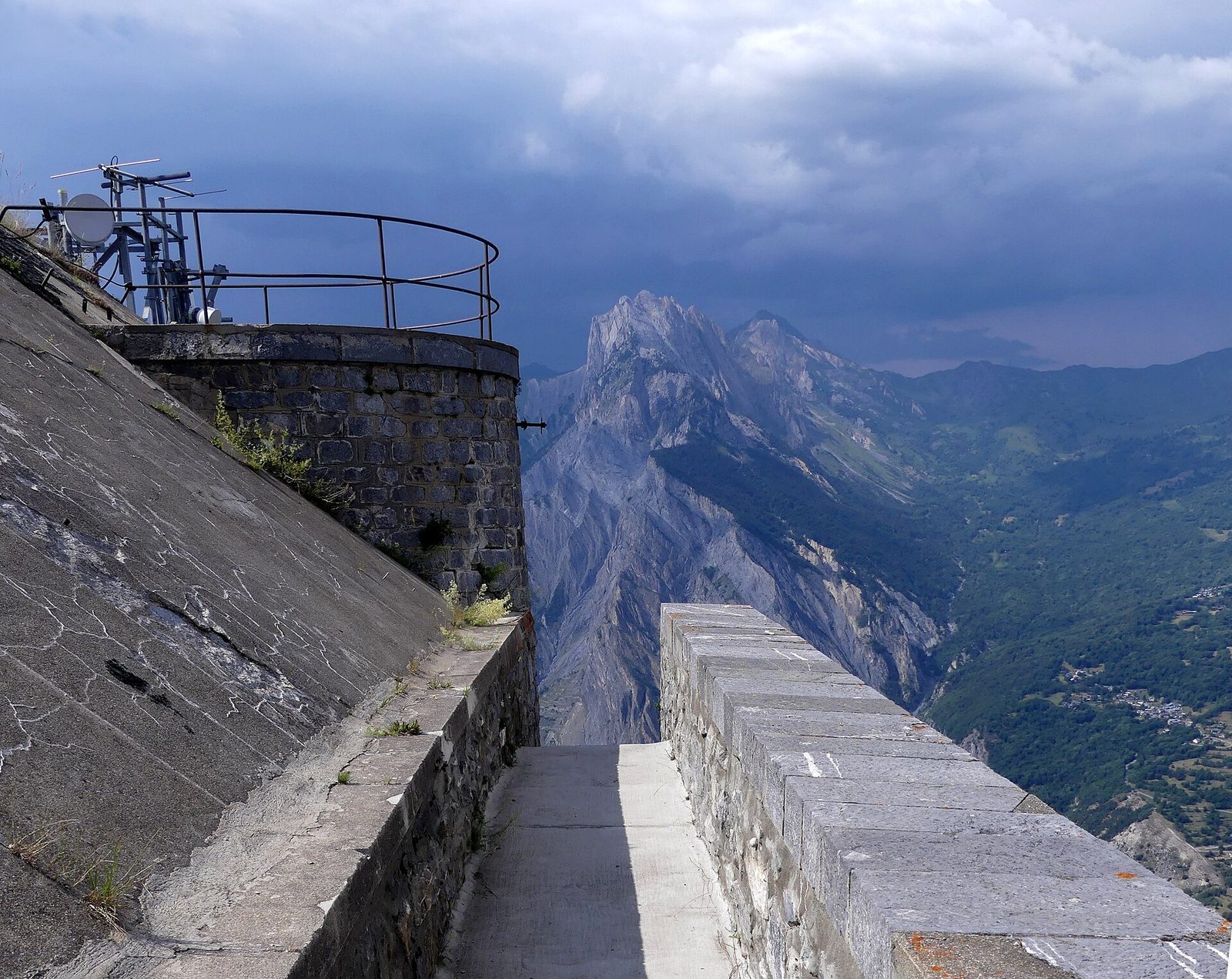
Military use continued in peacetime. The barracks served as high-altitude quarters for the 93rd Mountain Artillery Regiment, part of the 27th Mountain Infantry Brigade, and continued use helped preserve the fort. It also remained a communications post, with microwave links taking the place of semaphore signaling.
Remains
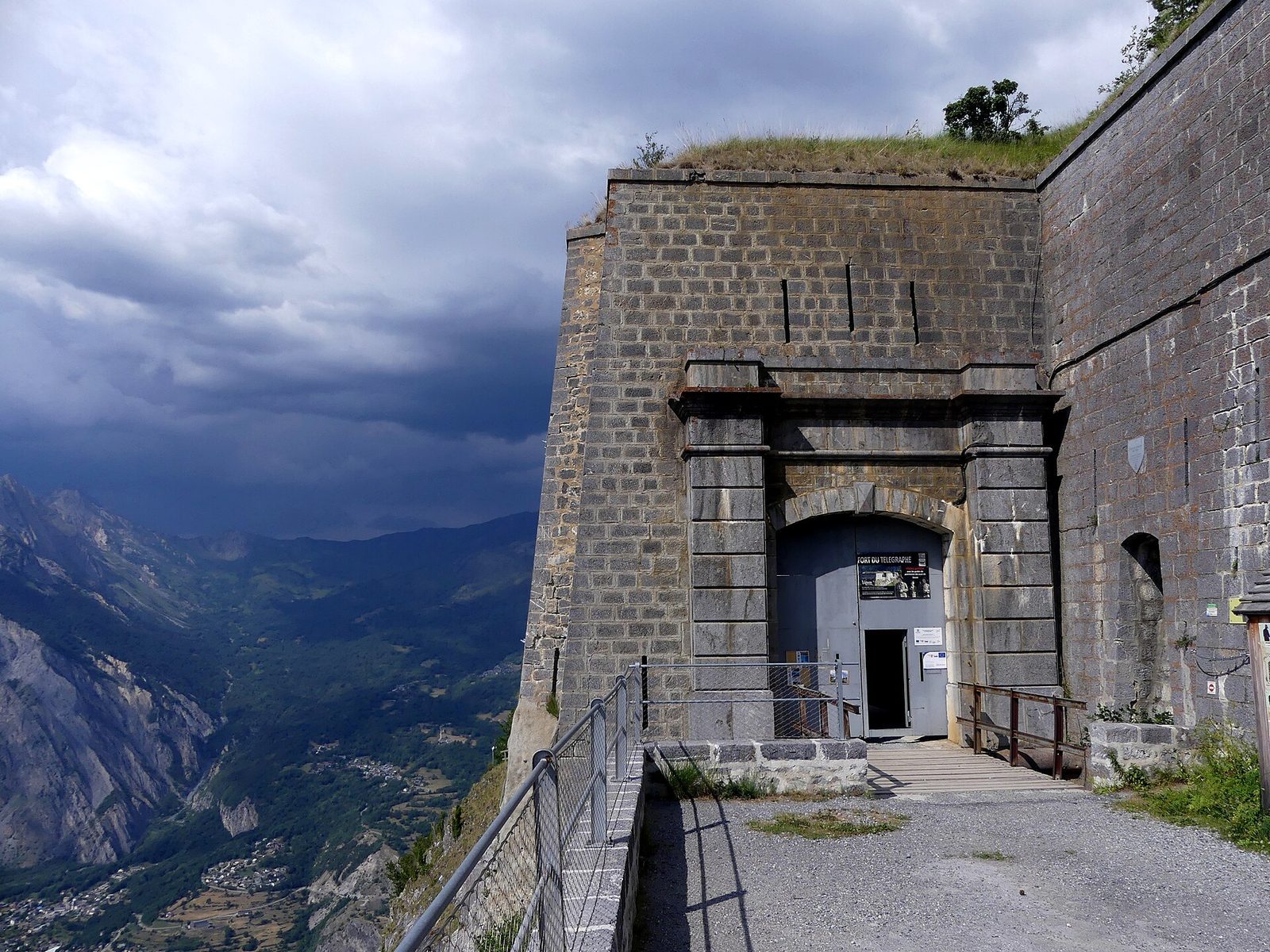
The fort stands at roughly 1,600 metres above sea level at the pass between Valloire and Saint-Michel-de-Maurienne, overlooking the Arc valley. Built from brick and stone, it has a compact, irregular hexagonal plan shaped by the limited area of its supporting rock.
Entrances and access
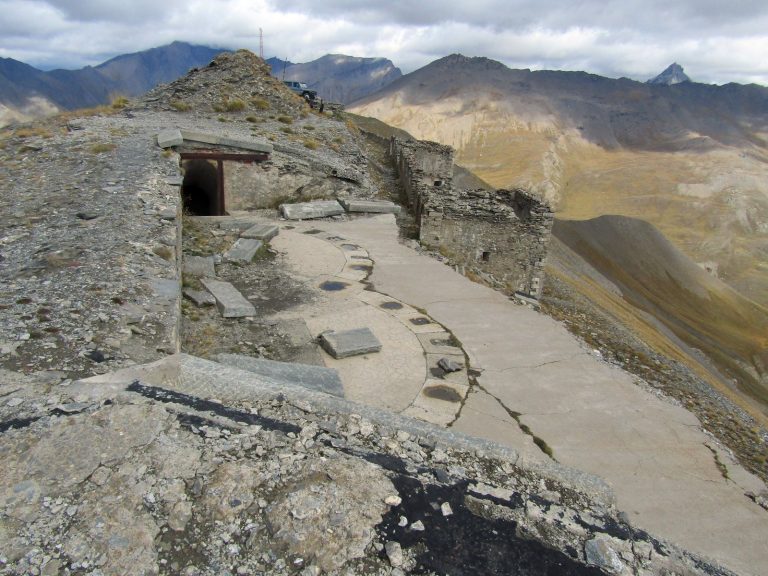
Two entrances, one upper and one lower, open onto the gorge-facing side and serve different levels. Each had a removable drawbridge. A protected firing chamber above the upper entrance has openings for rifle fire. A ramp from the upper entrance leads to the upper works, passing through a tunnel; two artillery platforms lie above the tunnel, behind front VI-I.
Artillery and perimeter defenses
Upper gun positions
Four open-air artillery platforms occupy the upper works. Solid protective barriers, known as traverses, separate the positions. The ramp and tunnel provided a way to move artillery pieces up from the upper entrance.
Perimeter and detached batteries
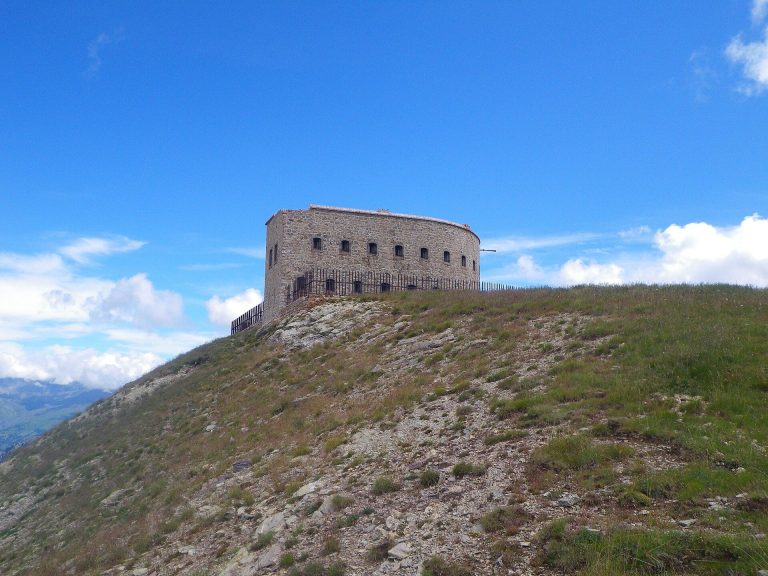
Small projecting angles strengthened the perimeter, with one at each such angle except angle IV. At angle II, the upper station of a cableway connected to a lower battery built in 1908. A second artillery battery, separate from the main fort, lay to the south.
Accommodation and services
Barracks and powder magazine
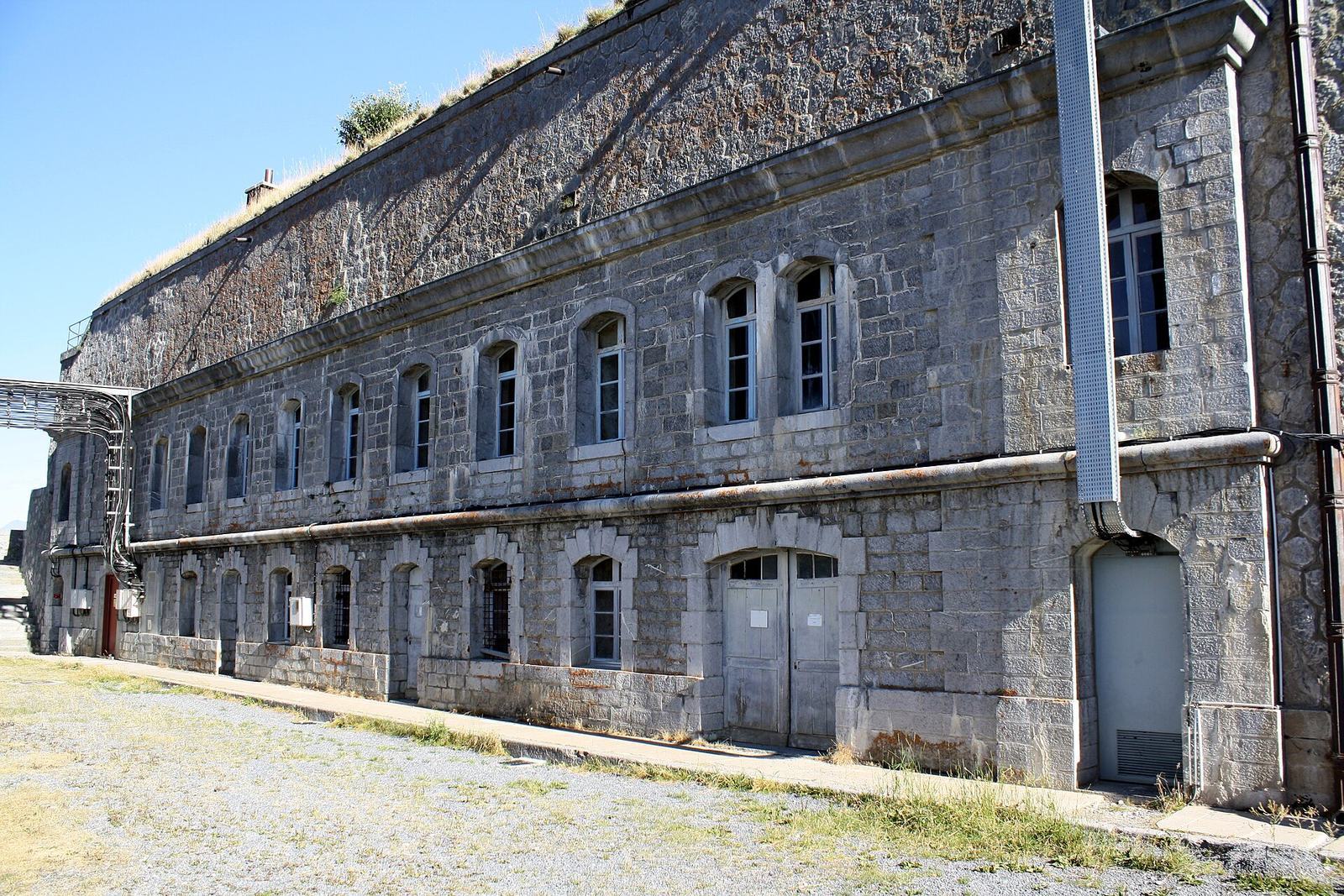
The barracks have four bays arranged on two levels. A small powder magazine is set behind them on the left.
Water, baking, and wall painting
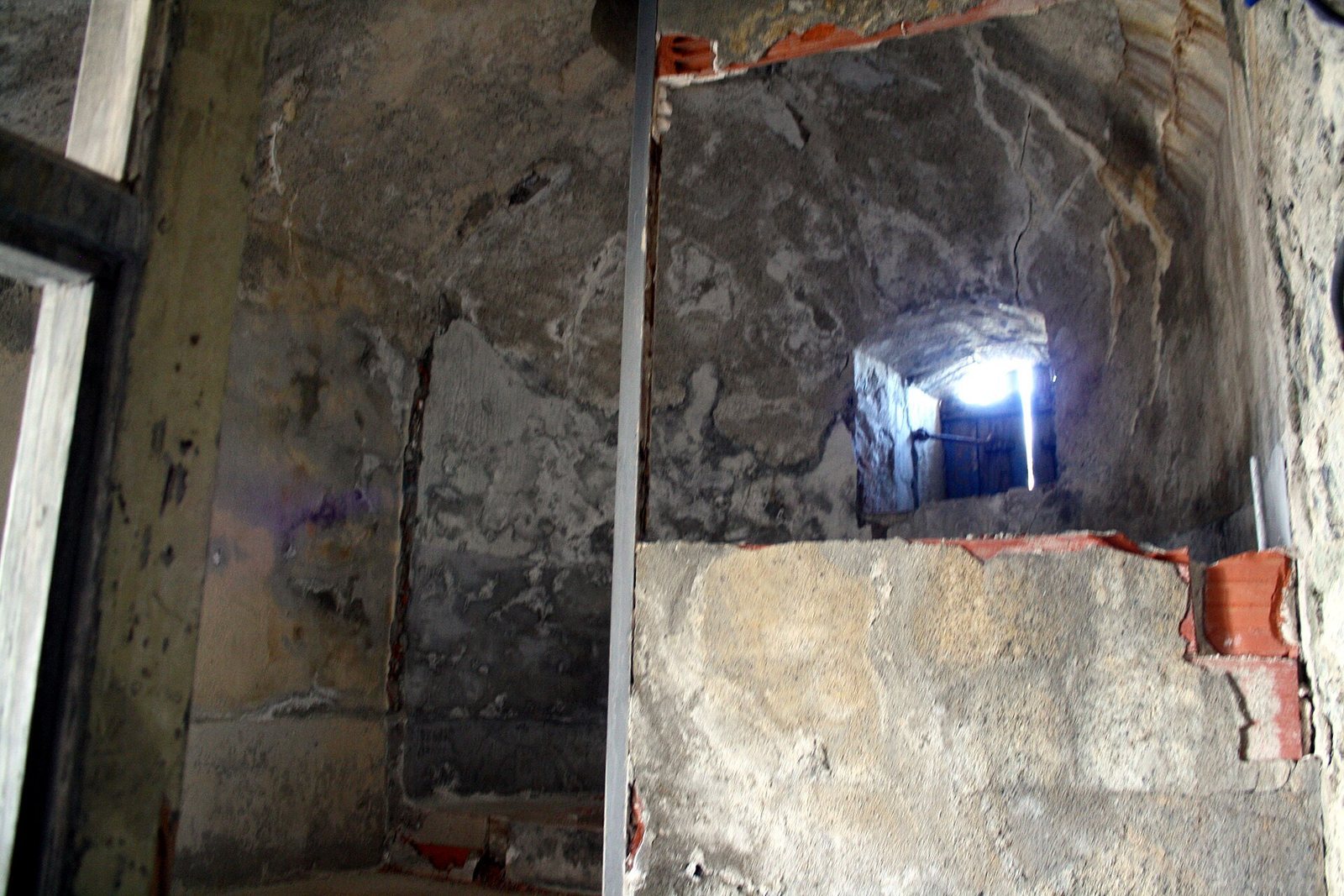
A water pump stands beside a metal reservoir, and the fort’s bake oven could be restored. A wall painting inside depicts the insignia of the 164th Position Artillery Regiment.
Cavern shelter
A modernization using special concrete between 1886 and 1889 included a cavern shelter, a protected space built into the rock. The fort remains in good condition.