Fort de Port-Man: A French Coastal Battery on Port-Cros Island


Site at a Glance
- Rating
- 4.5
- Popularity
- Very Low
- Country
- France
- Primary era
- Early Modern
- External website
- Open
- Eras represented
- Early Modern, Modern
- Civilizations
- French
- Site type
- Military
- Remains
- Fort
On this page5 sections
History
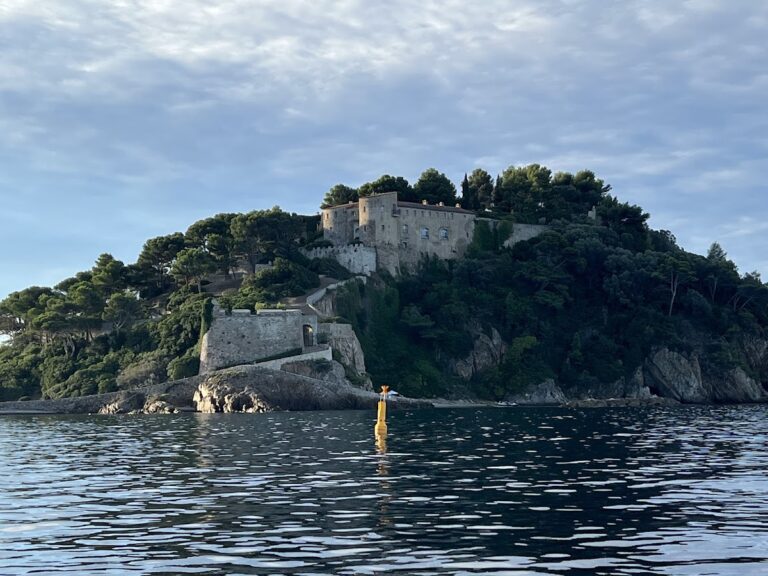
Fort de Port-Man is a former French military battery on the northeastern tip of Port-Cros Island in Hyères, France. Constructed from 1635 to 1637, it formed part of a defensive system promoted by Cardinal Richelieu to strengthen France’s military and naval defenses against the Spanish threat. The system also included Fort de l’Estissac, Fort du Moulin, and Fort de l’Éminence.
Seventeenth-century foundation
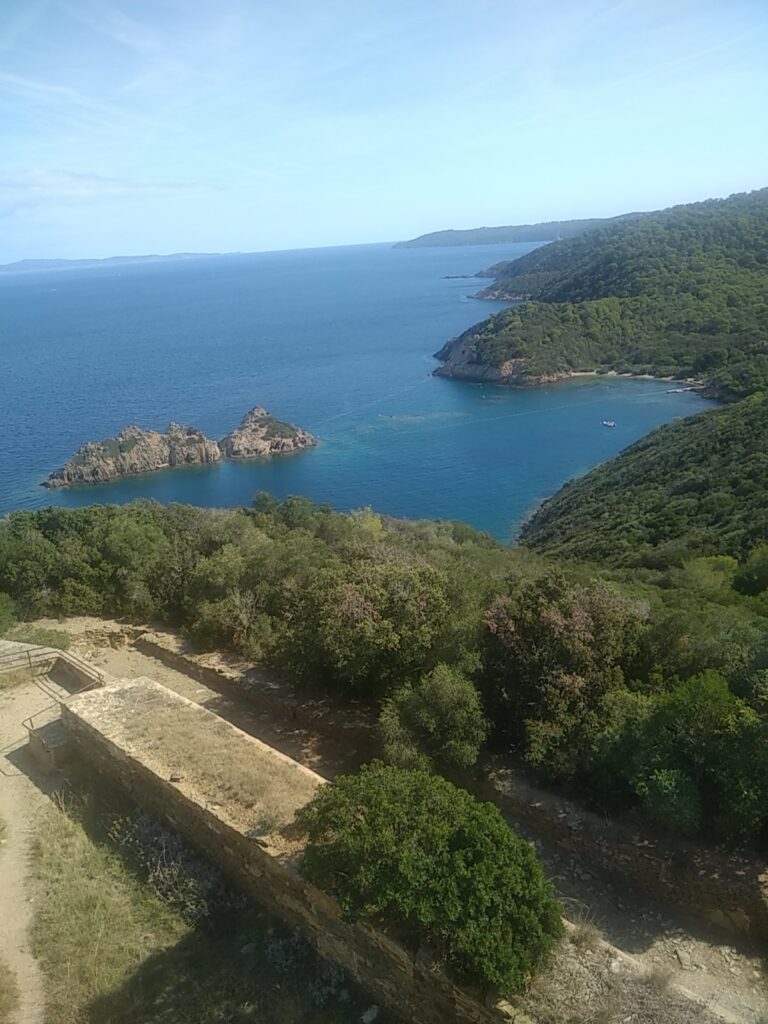
The fort was probably built on the site of an earlier watchtower dating from the reign of Francis I, King of France from 1515 to 1547. Its first form was a simple battery, a fortified position intended to house and operate artillery. From its position at the island’s northeastern tip, it controlled the maritime passage between the Îles du Levant and Port-Cros, as well as access to the roadstead, an anchorage area for ships.
Expansion and abandonment
Fort de Port-Man was enlarged at the beginning of the eighteenth century and remodeled during the nineteenth century. These changes adapted the defensive work to later military requirements while preserving its role in controlling the surrounding maritime approaches.
A ministerial decision disarmed the fort on 21 November 1881. It was subsequently abandoned. In 1947, it was entered on France’s register of historic monuments, and the State retained ownership.
National-park administration
In 1977, the abandoned fort was assigned to Port-Cros National Park. In 2003, the State granted photographer Yann Arthus-Bertrand use of the building on the condition that he undertake its restoration.
Remains
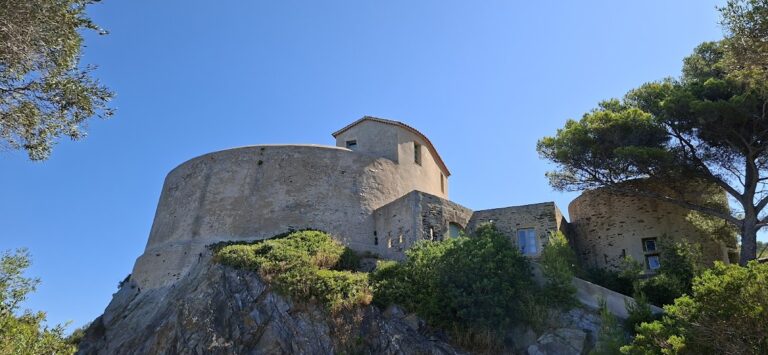
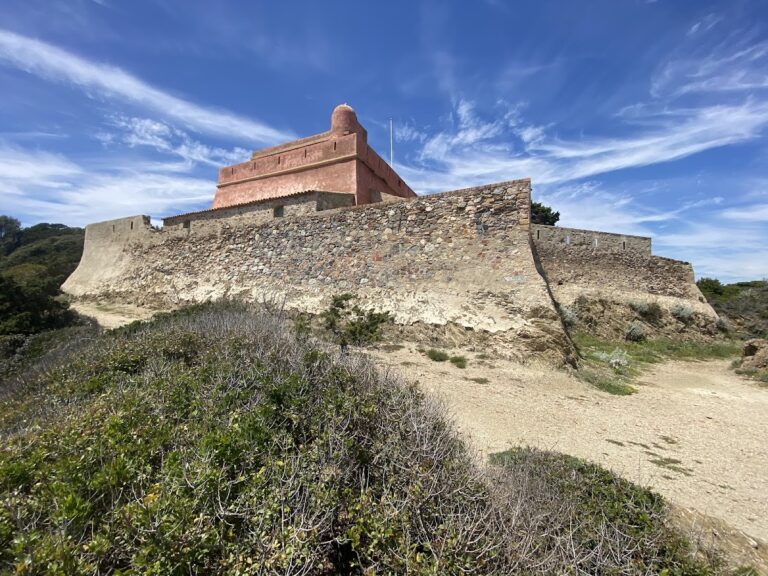
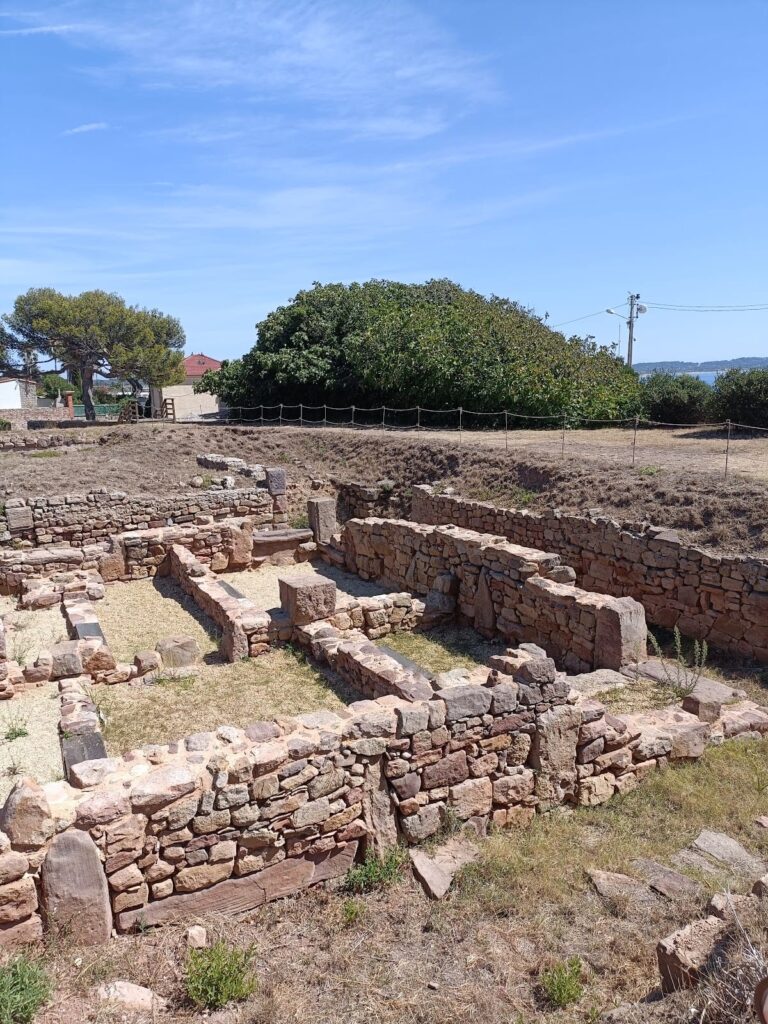
Fort de Port-Man survives as a military battery and defensive work at the northeastern tip of Port-Cros Island. Its position was chosen to oversee the passage between the Îles du Levant and Port-Cros and the approach to the roadstead. The structure began as a simple artillery battery, was enlarged in the early eighteenth century, and was remodeled during the nineteenth century. These successive phases give the surviving fort its character as a defensive installation altered over several periods of military use.
Nearby sites