Fort Béar: A Coastal Surveillance Fort in France
Site at a Glance
- Popularity
- Medium
- Country
- France
- Primary era
- Modern
- Eras represented
- Modern
- Civilizations
- French
- Site type
- Military
- Remains
- Fort
On this page5 sections
History
Construction and coastal defence
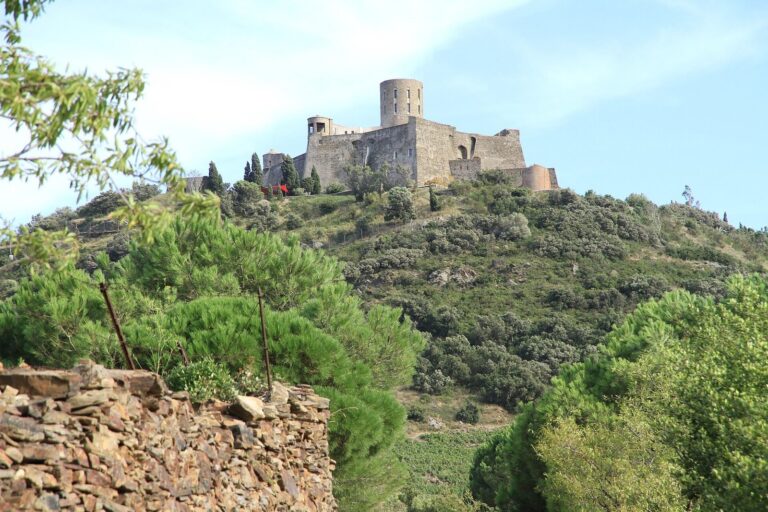
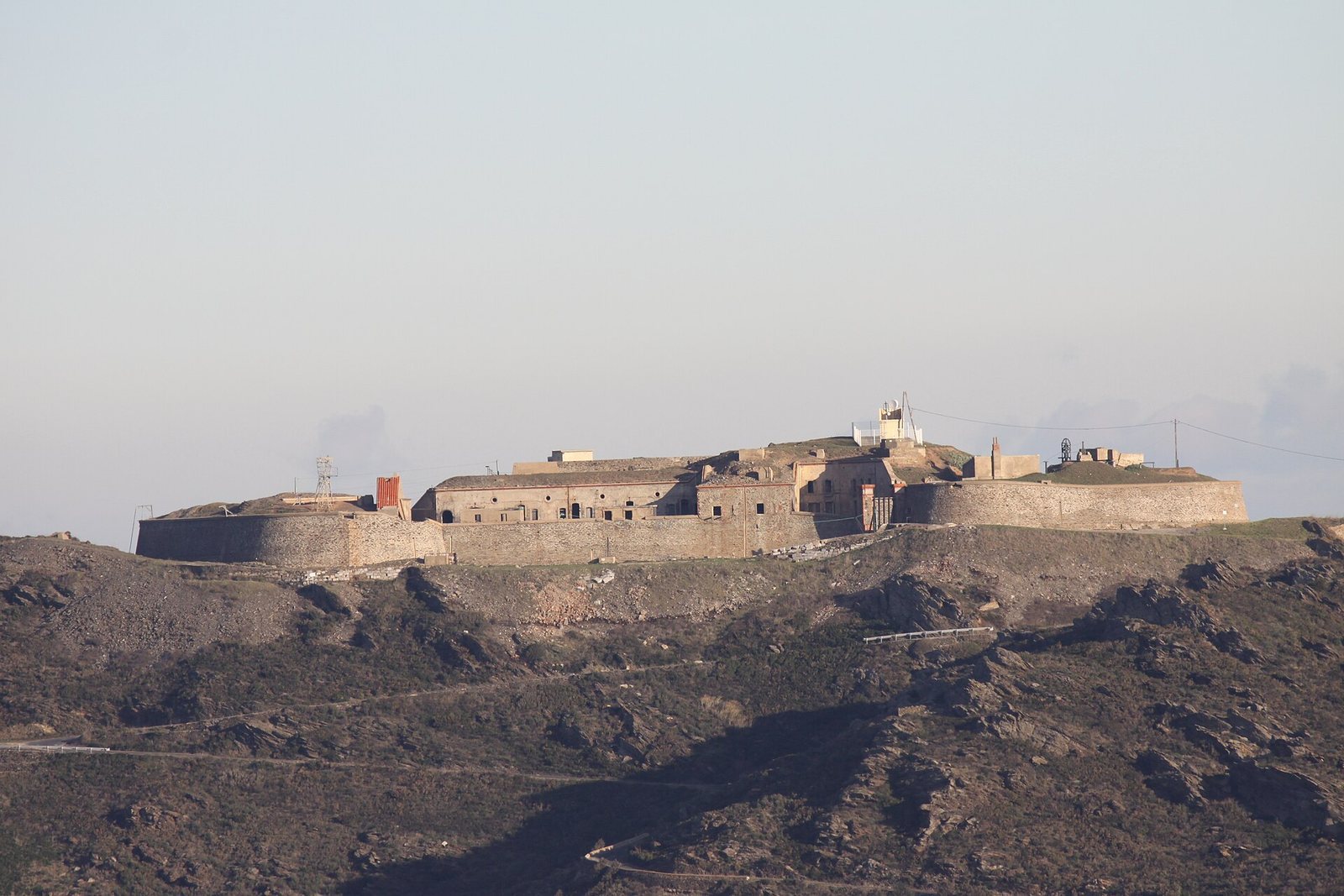
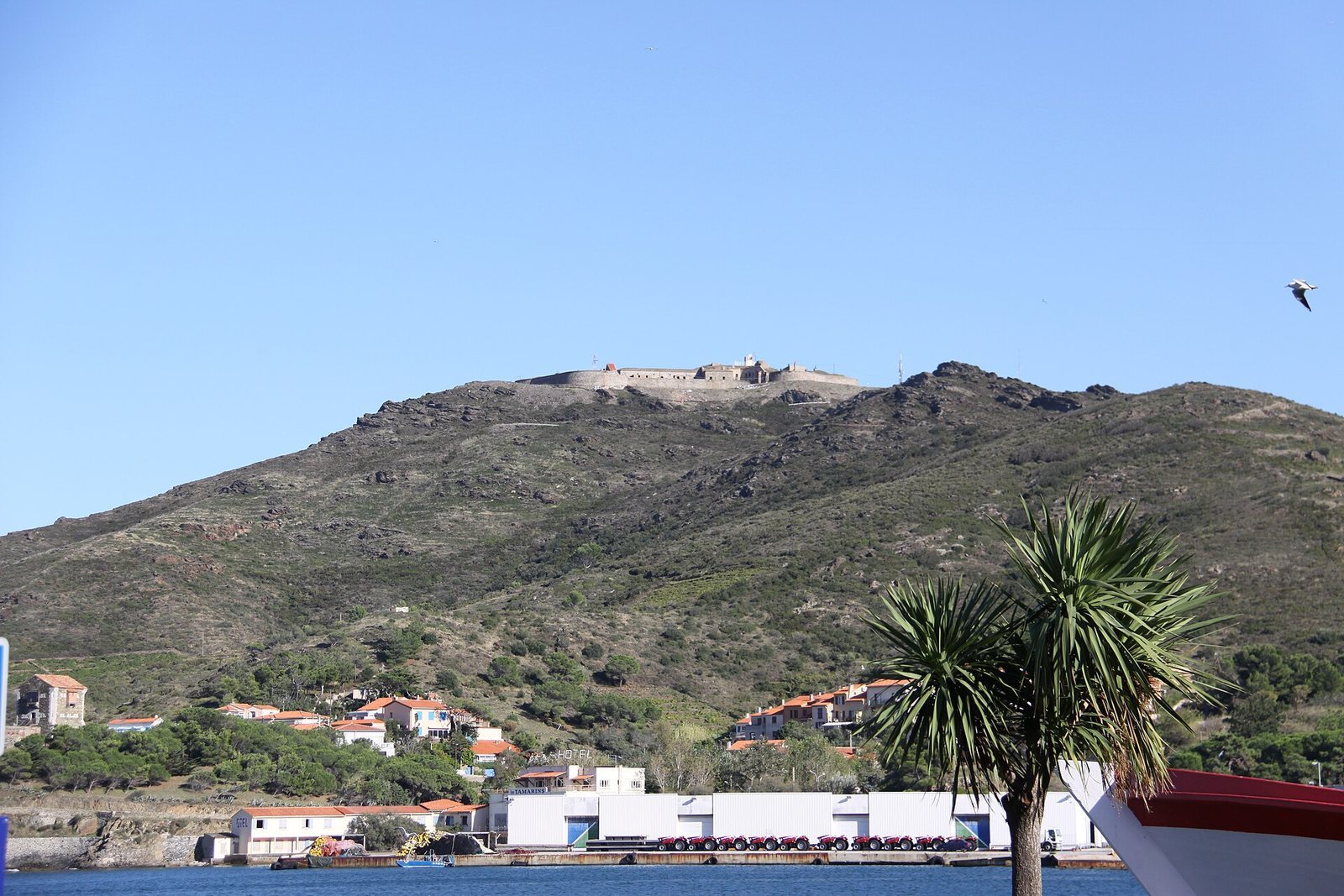
Fort Béar is a coastal surveillance fort on Mont Béar, east of Port-Vendres in the Pyrénées-Orientales department of France. France built it between 1877 and 1880 as a first-generation fort in the Séré de Rivières system, a French fortification network developed in the decades after the Franco-Prussian War of 1870 to 1871. The fort was intended to watch the open sea and defend the roadstead of Port-Vendres, a sheltered coastal anchorage. It was the only major work of the 1883 program built within the fortified position.
Military use
Today, Fort Béar remains state-owned and is used intermittently for military training, especially urban combat. Trainees attend courses at the National Commando Training Center, which teaches commando techniques to elite elements of the French Army and armed forces from other countries. Instructors lead the exercises, sometimes drawing on special-forces personnel.
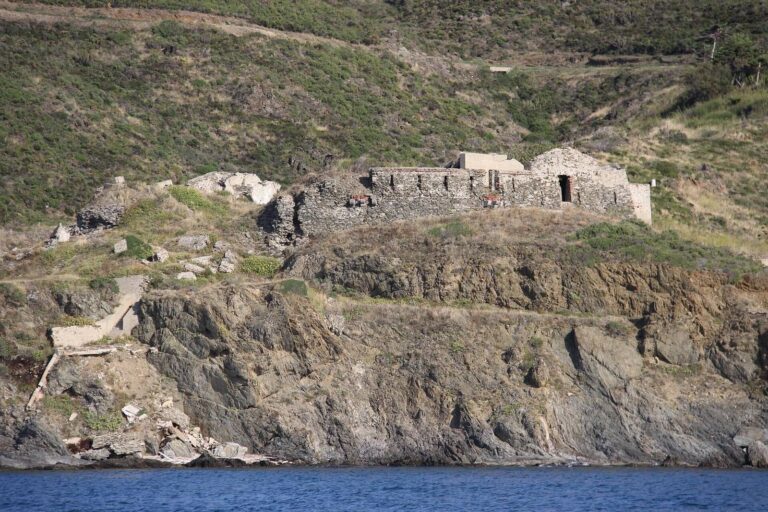
In July 2015, three suspects admitted an Islamist attack plot. Early reports mistakenly named Fort Béar as the intended target. The target was instead the French Navy’s Béar signal station, about 700 metres farther east on the same mountain, at an elevation of roughly 80 metres.
Remains
Plan and armament
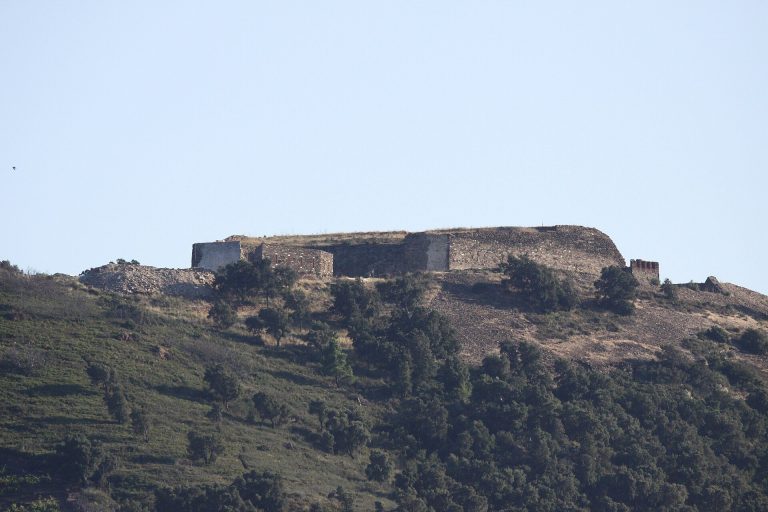
The fort has a pentagonal plan and stands on a promontory at about 205 metres above sea level, overlooking Cape Béar and the Côte Vermeille, a stretch of Mediterranean coast in southern France. Its armament included eight 19 cm C model 1878 coastal guns and four 120 mm de Bange cannons. De Bange artillery takes its name from French artillery officer Charles Ragon de Bange, whose designs included breech-loading guns.