Fort 12 (IVa) “Luneta Warszawska”: A Redit Fort in Kraków
Site at a Glance
- Popularity
- Medium
- Country
- Poland
- Primary era
- Modern
- Eras represented
- Modern
- Civilizations
- Austria-Hungary, Austrian Empire, Habsburg
- Site type
- Military
- Remains
- Fort
On this page6 sections
History
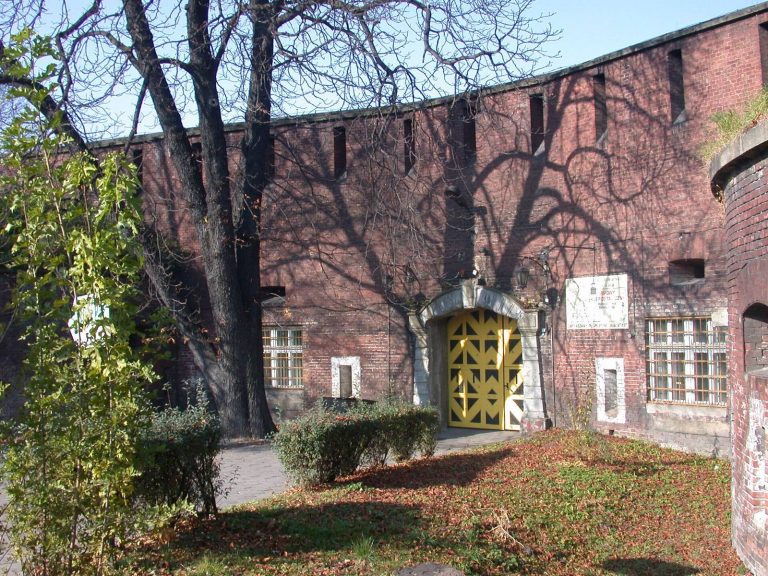
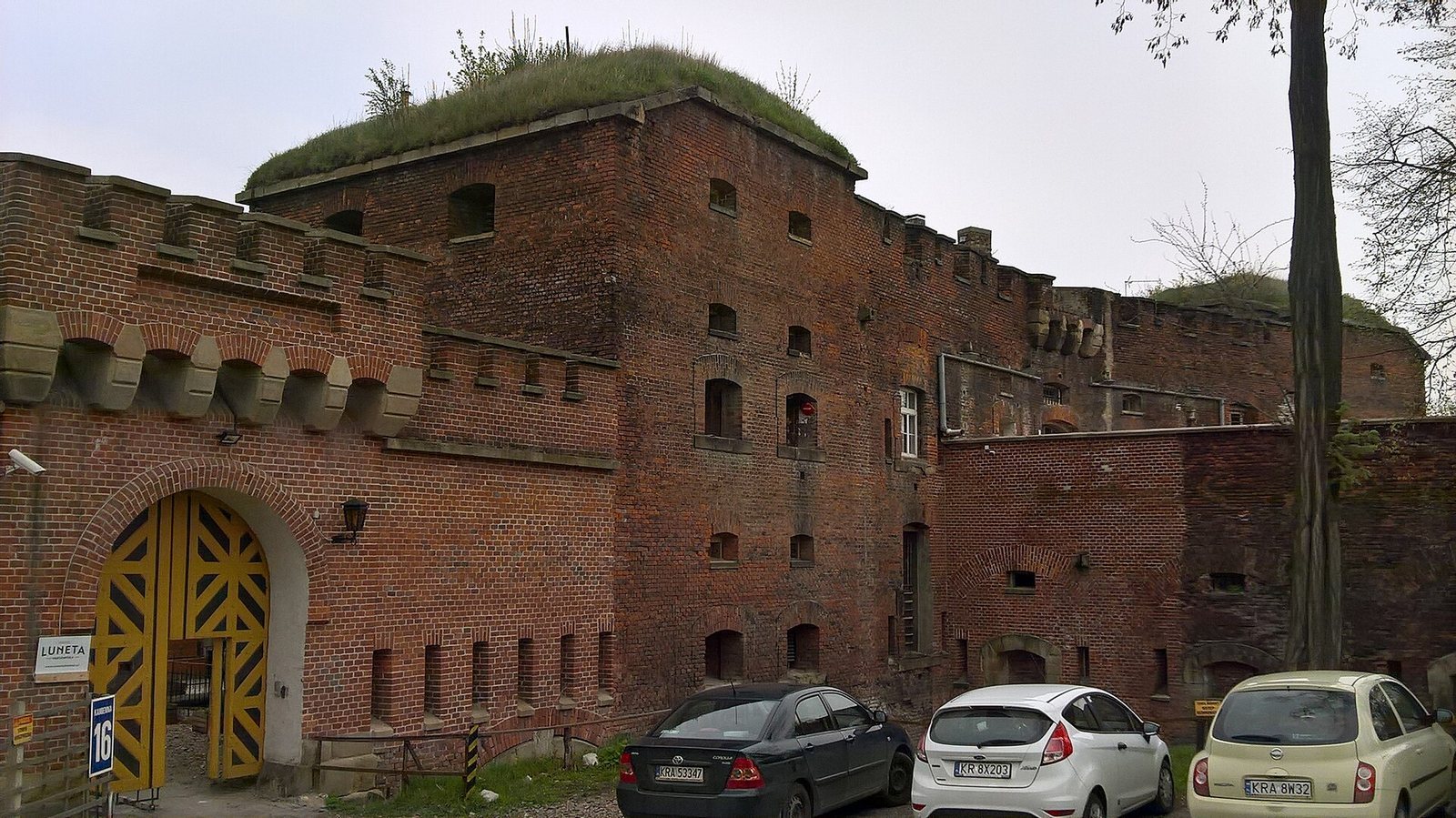
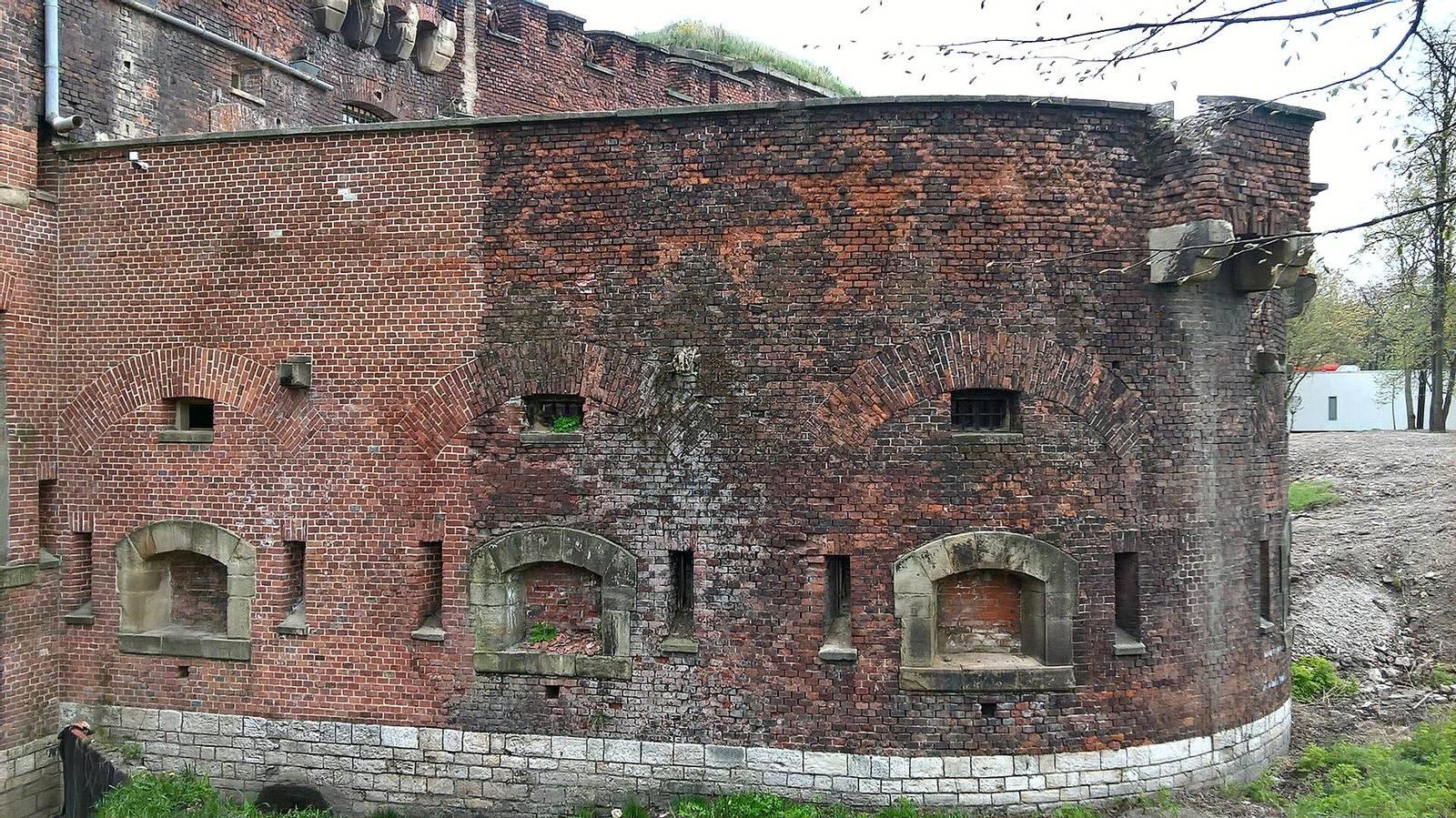
Fort 12 (IVa) “Luneta Warszawska” is a nineteenth-century redit fort in Kraków, Poland, built from 1850 to 1856 as part of the Kraków Fortress, a system of defences associated with the city. A redit is a fort arranged around a defensible inner strongpoint. The name means “Warsaw Lunette”; a lunette is an outwork projecting beyond a fort’s main defensive line. The fort protected, among other things, a tollgate on the Warsaw Route and was considered a modern design for its time.
Construction and military changes
In 1885, Bastion IV was levelled, and the fort was incorporated into the core’s line of earthworks alongside the newly built Bastion IVb. Its designation changed to Bastion IVa, and it underwent modernization from 1888 to 1890. In the 1890s it began serving as a storehouse, while also protecting a railway junction and freight operations connected with the Kraków Fortress.
Work on a traditor, an enclosed artillery position built into a fort, began on the lunette’s left shoulder on 17 October 1907. The fully equipped position entered service on 21 November 1908.
Prison use and later history
The military property directorate took over the fort in 1919, and it continued to be used for storage. During the German occupation, it became a prison run by the Gestapo, Nazi Germany’s secret state police. After the war, Poland’s communist-era security service, known as the UB, used it as a prison until 1950. An expert assessment found no evidence that death sentences were carried out there against soldiers of the postwar underground. In 2007, the Institute of National Remembrance, a Polish state institution investigating crimes under Nazi and communist rule, was investigating the matter.
The fort later served as a Ministry of Internal Affairs warehouse. From 1993, it housed storage facilities and commercial premises. The Military Property Agency sold it at auction to a private owner several years before 2007, but planned safeguarding and revitalization did not proceed, and the fort continued to deteriorate. It changed owners again in 2007. The fort was entered in the register of immovable monuments in the Małopolskie Voivodeship in 1968 and again in June 2007.
Remains
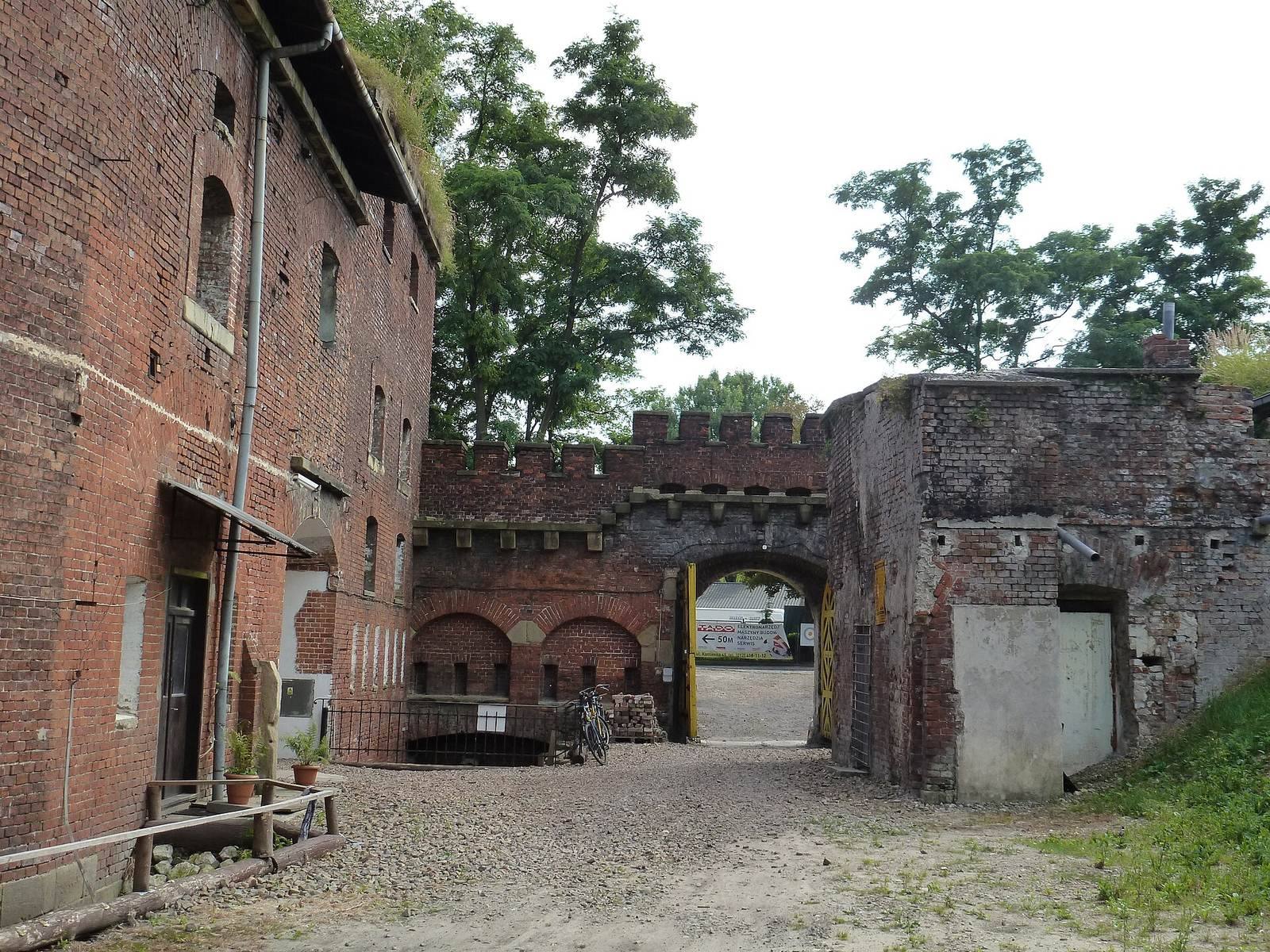
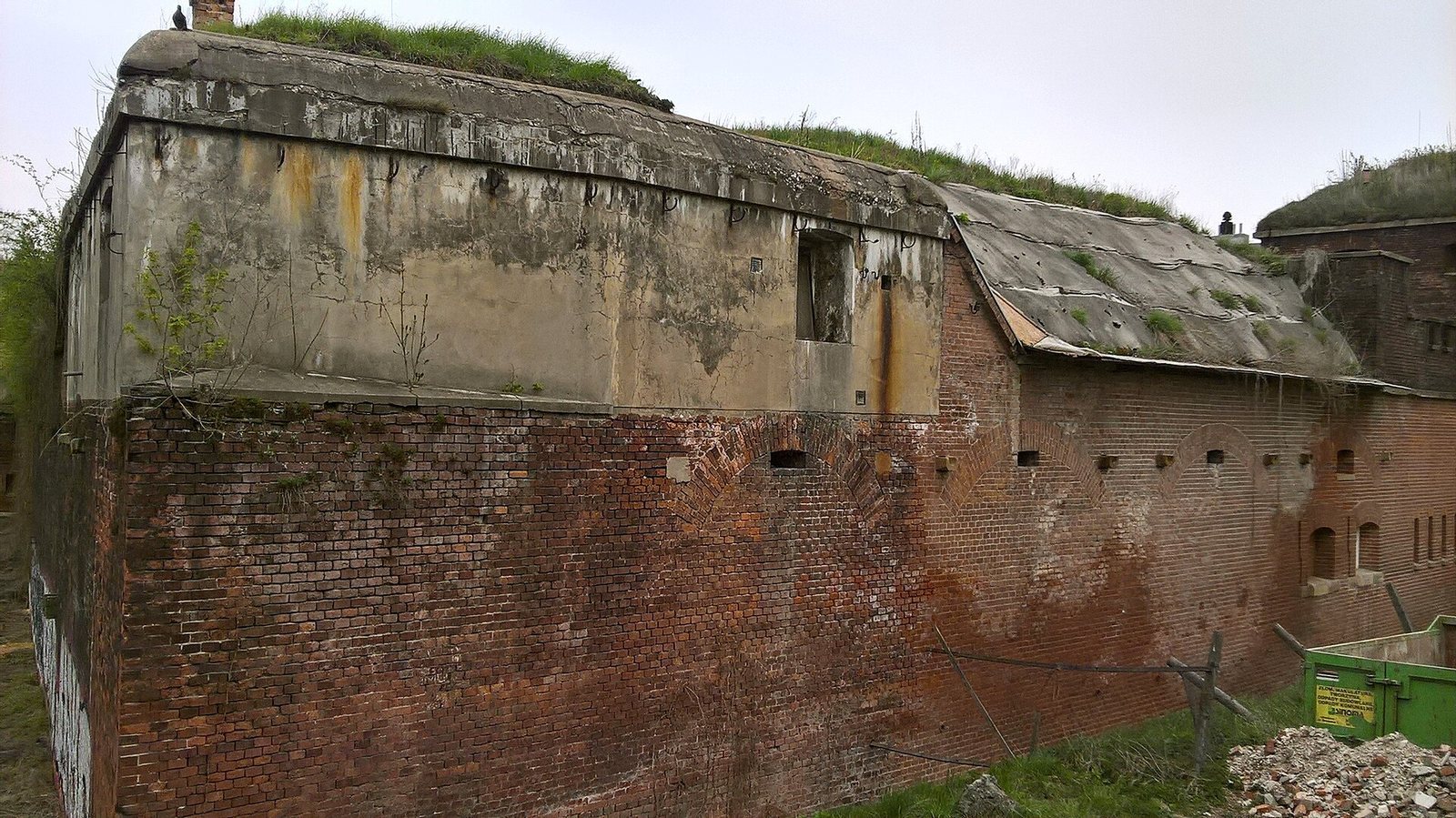
The fort’s layout reflects its original position beyond the main defensive line, with the lunette forming an outwork and the redit plan organized around an inner strongpoint. The site stands at the intersection of Kamienna Street and 29 Listopada Avenue in Kraków.
Defensive layout
An enclosed artillery position occupied the lunette’s left shoulder. This placement formed part of the fort’s defensive arrangement.
Cell and entrance
Inscriptions survive on the walls of a cell known as the death cell. They are associated with the fort’s history as a place of martyrdom. Moisture discovered in the room led to the inscriptions being secured in 2010. The fort’s gate was renovated in 2013 and was then described as 160 years old. At that time, the fort was also described as being in good condition despite its age.