Fontaine-l’Évêque Castle: From Medieval Lordship to Town Hall and Museum
Site at a Glance
- Popularity
- Low
- Country
- Belgium
- Primary era
- Early Modern
- Eras represented
- Medieval, Early Modern, Modern
- Civilizations
- Belgian, Holy Roman Empire, Spanish
- Site type
- Military
- Remains
- Castle
On this page7 sections
History
Foundation and lordship
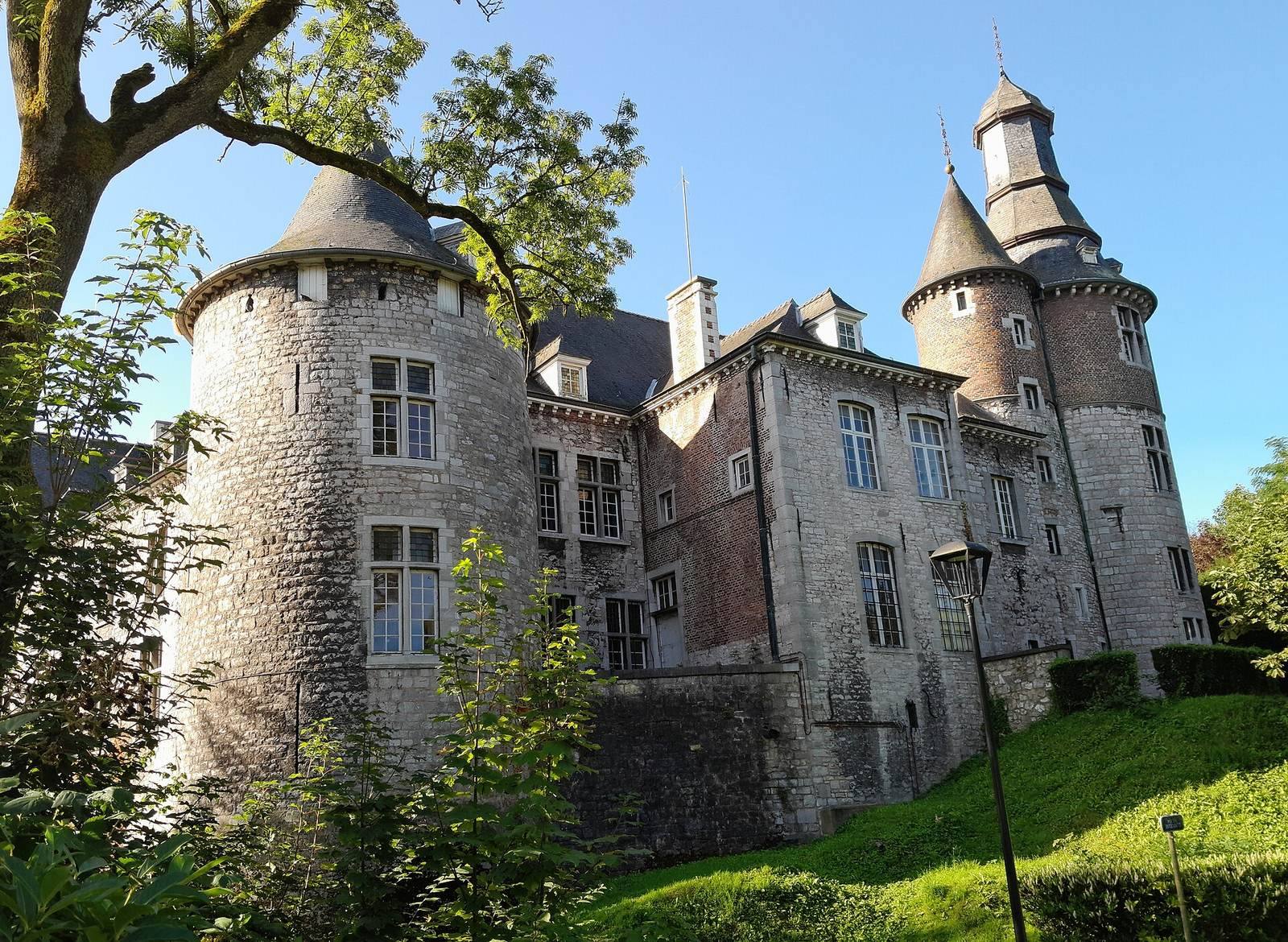
Fontaine-l’Évêque Castle is a castle in Belgium, commissioned in the 13th century by Nicolas III de Fontaines, bishop of Cambrai, the senior church authority for a diocese. After Nicolas’s death, his sister inherited the castle and married Baudouin de Hennin-Liétard. The associated lordship, a territory governed by a lord, lay between the historical territories of Hainaut and Liège. The Hennin-Liétard family held it until 1596, after which it passed among the Hamal, Herzelle, and Rodoan families.
Rebuilding and decline
The castle was substantially rebuilt after 1554. Restoration during the 17th and 18th centuries gave its interior a more refined treatment, but the estate fell into ruin toward the end of the 18th century.
Restoration and civic use
Clément Bivort de la Saudée bought the castle in 1864 and completed its residential wing. In 1869, architect Auguste Cador began a restoration that drew on medieval forms. The municipality acquired the castle in 1946, and work by Simon Brigode in 1954 simplified Cador’s treatment. The building now serves as the town hall and museum. Its archives can be consulted at the State Archives in Mons.
Remains
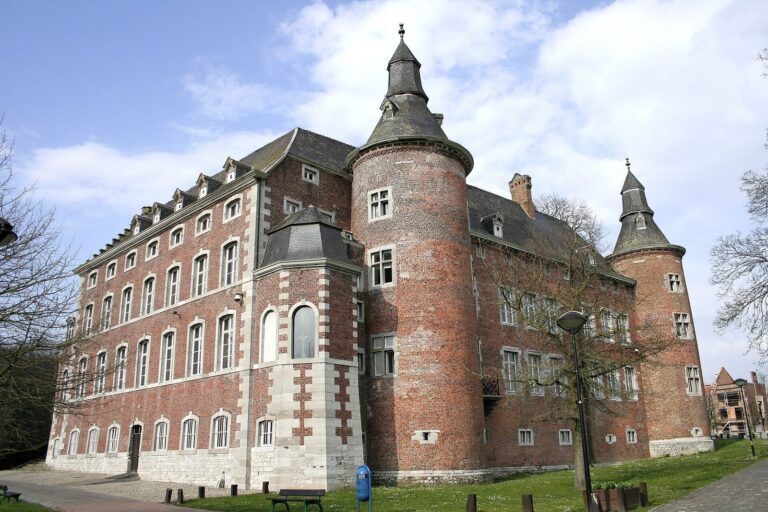
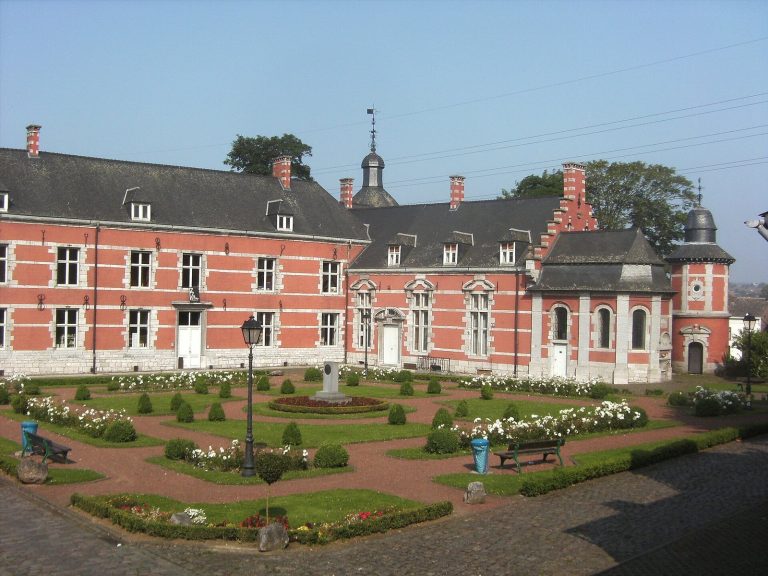
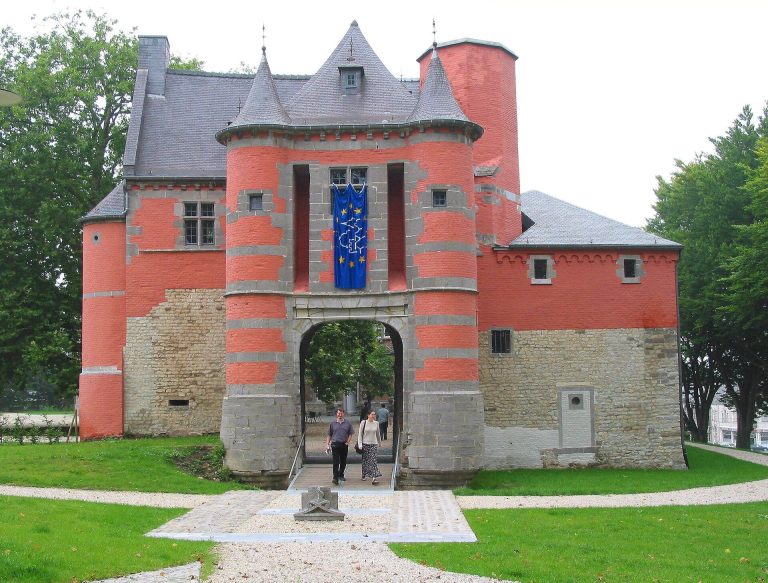
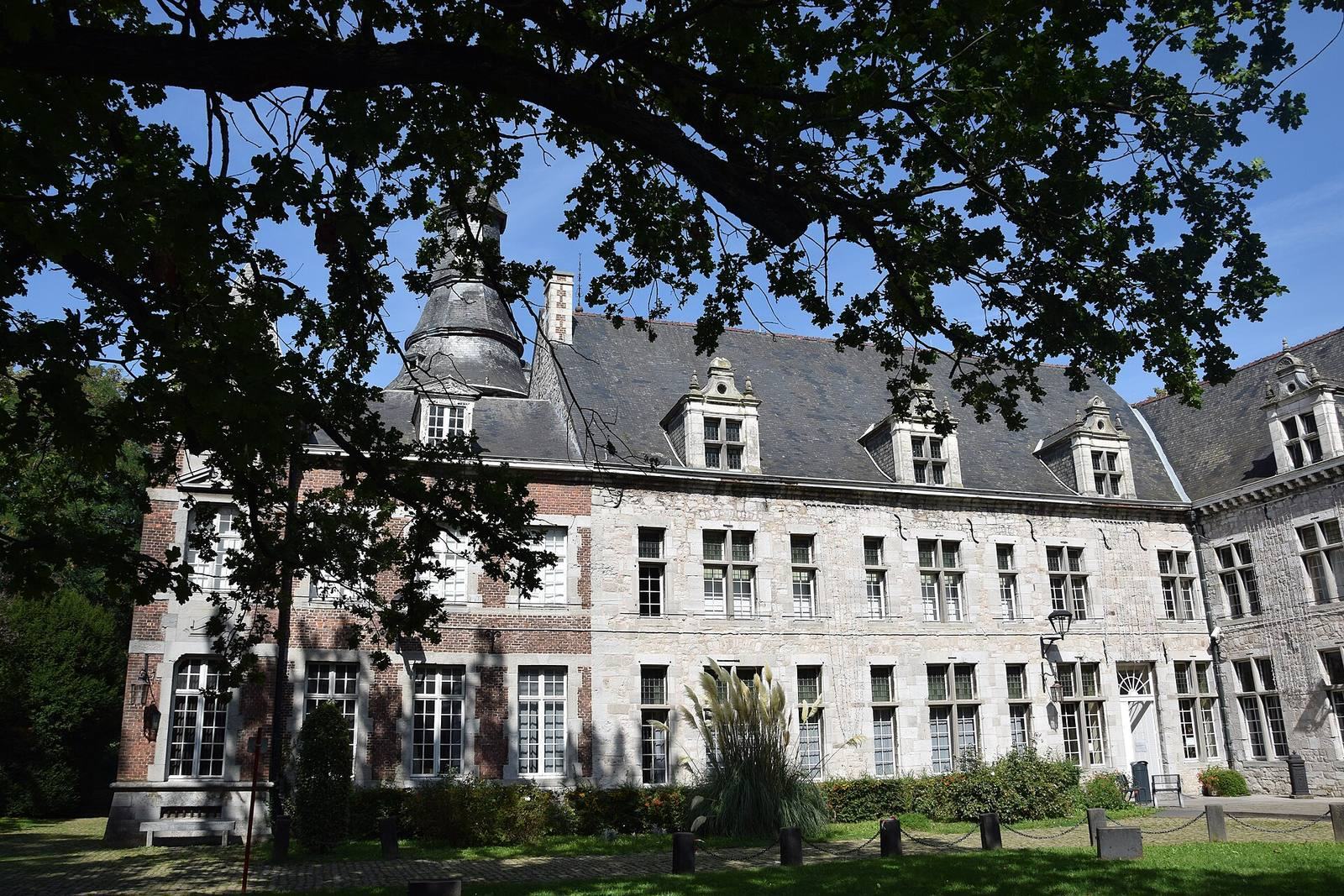
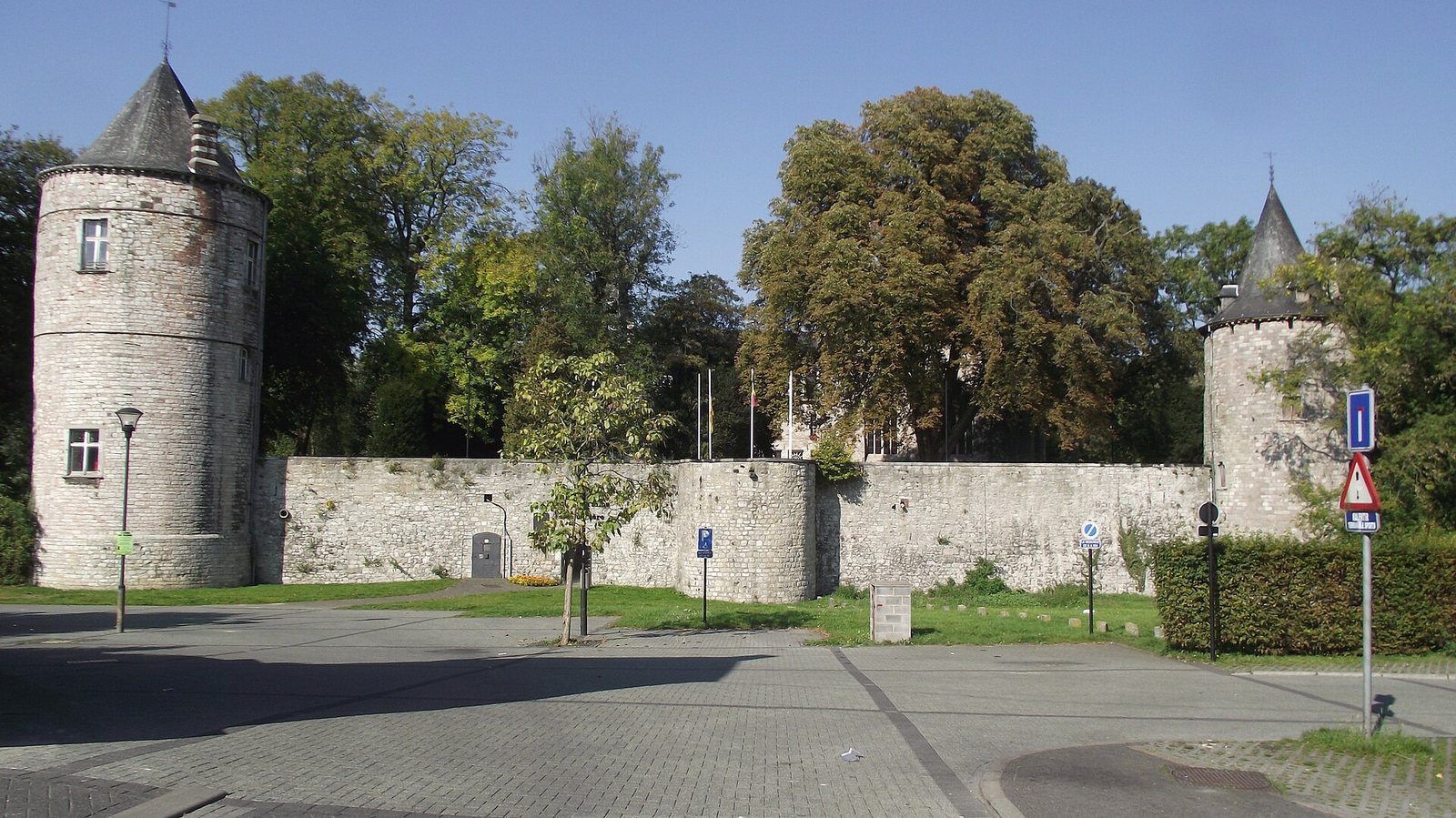
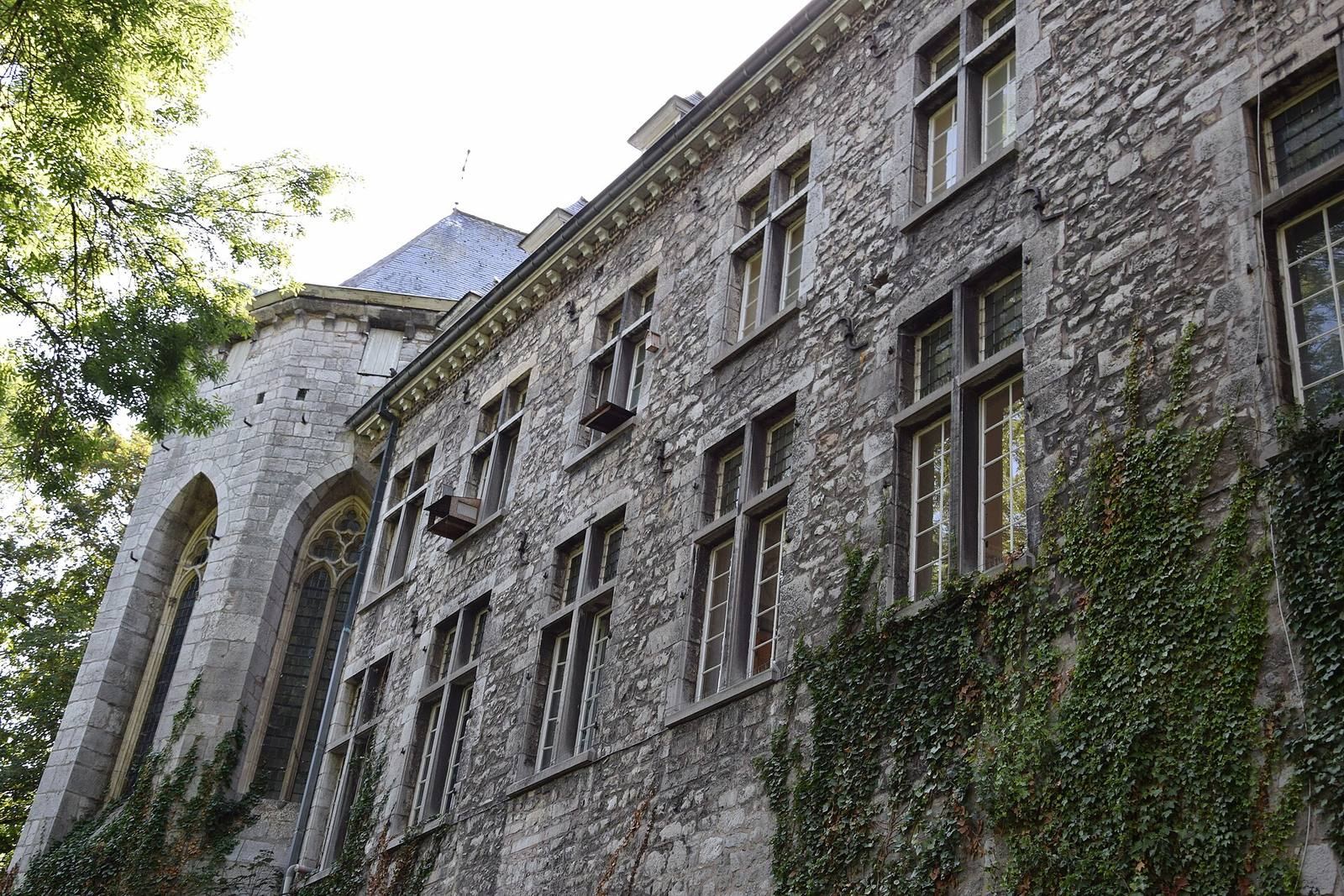
The surviving complex combines an enclosure and chapel with a residential wing shaped by later building phases. Together, these features reflect the castle’s medieval origins and subsequent alterations.
Enclosure and chapel
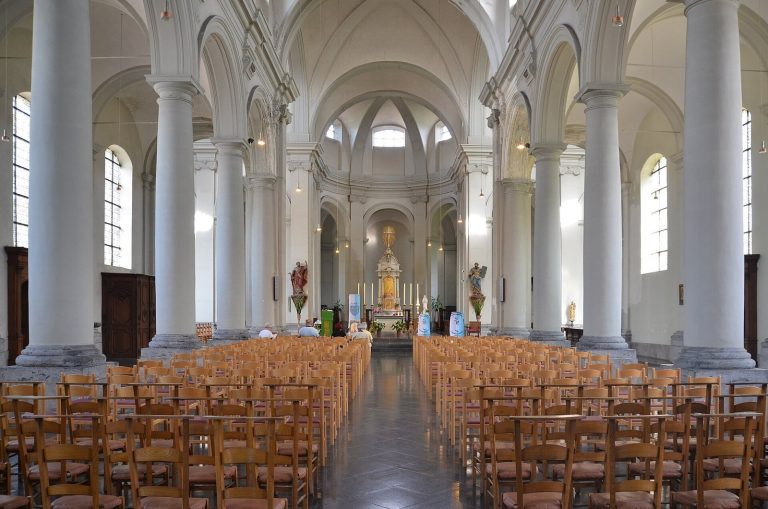
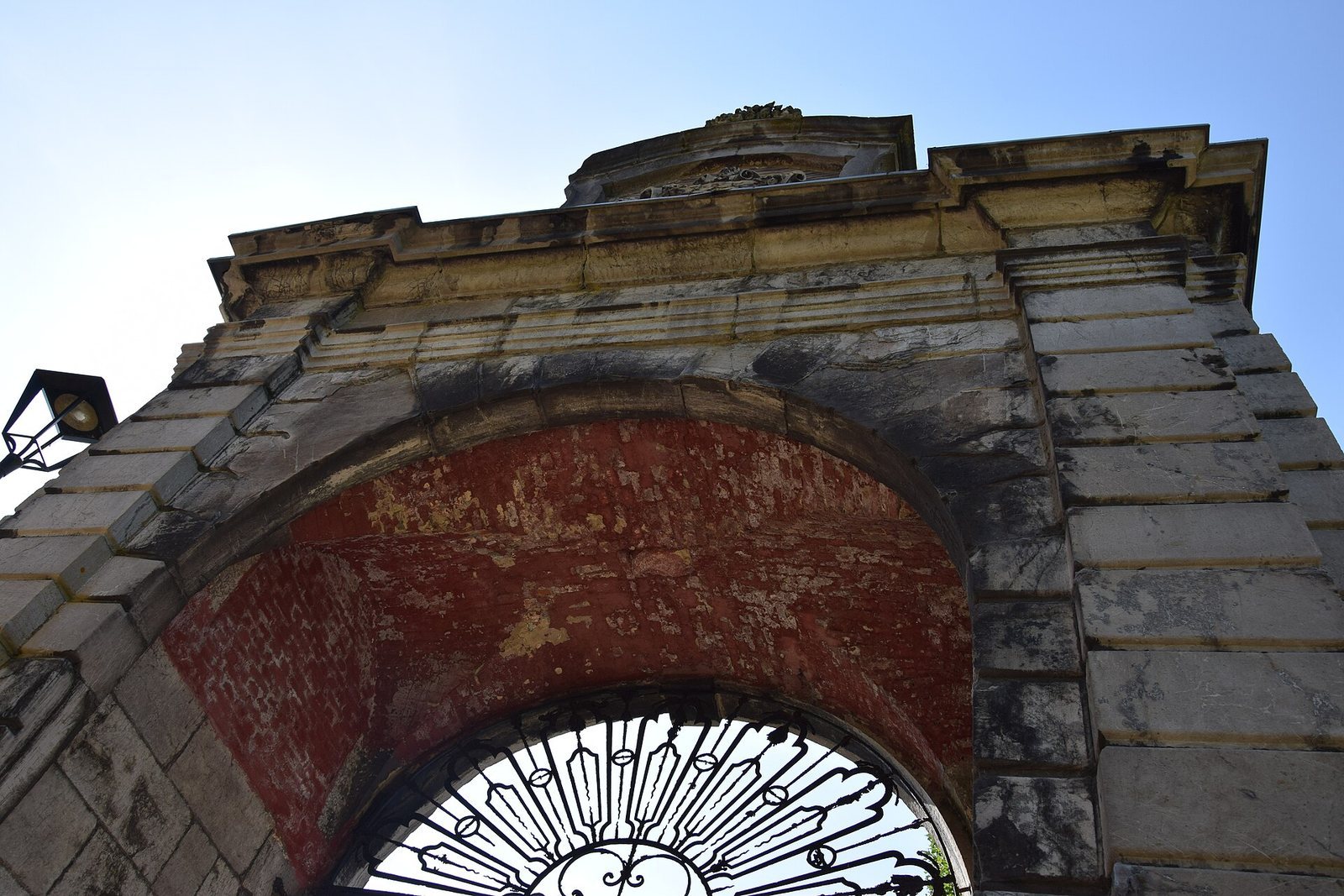
The castle retains its 13th-century enclosure and a Gothic chapel, built in the medieval architectural style known as Gothic. The chapel’s entrance portal and present façade date to around 1674, when Michel-Luc Camille de Rodoan had them built.
Residential wing
The residential wing incorporates work from the 16th and 17th centuries, as well as an extension added in the first half of the 18th century.