Foça Castle: A Medieval Coastal Fortification in Türkiye


Site at a Glance
- Rating
- 4.5
- Popularity
- Medium
- Country
- Turkey
- Primary era
- Medieval
- External website
- Open
- Eras represented
- Classical, Medieval, Early Modern
- Civilizations
- Ancient Greek, Byzantine, Genoese, Ottoman
- Site type
- Military
- Remains
- Castle
On this page7 sections
History
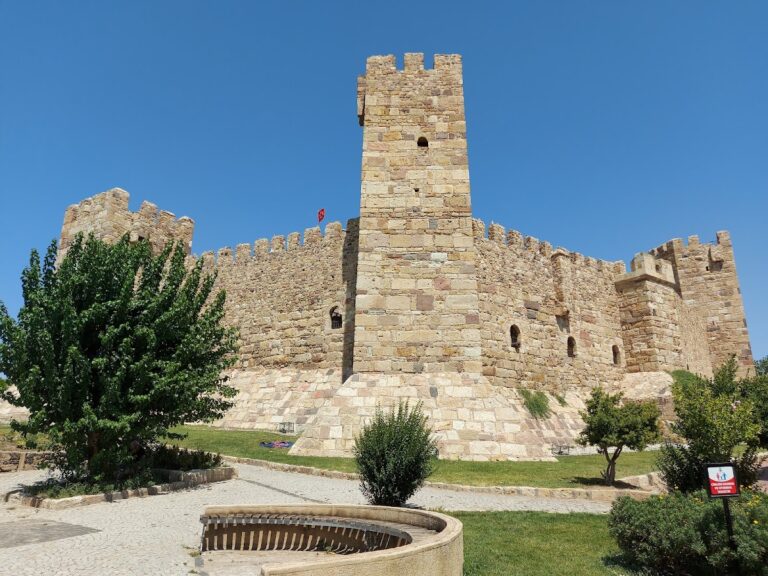
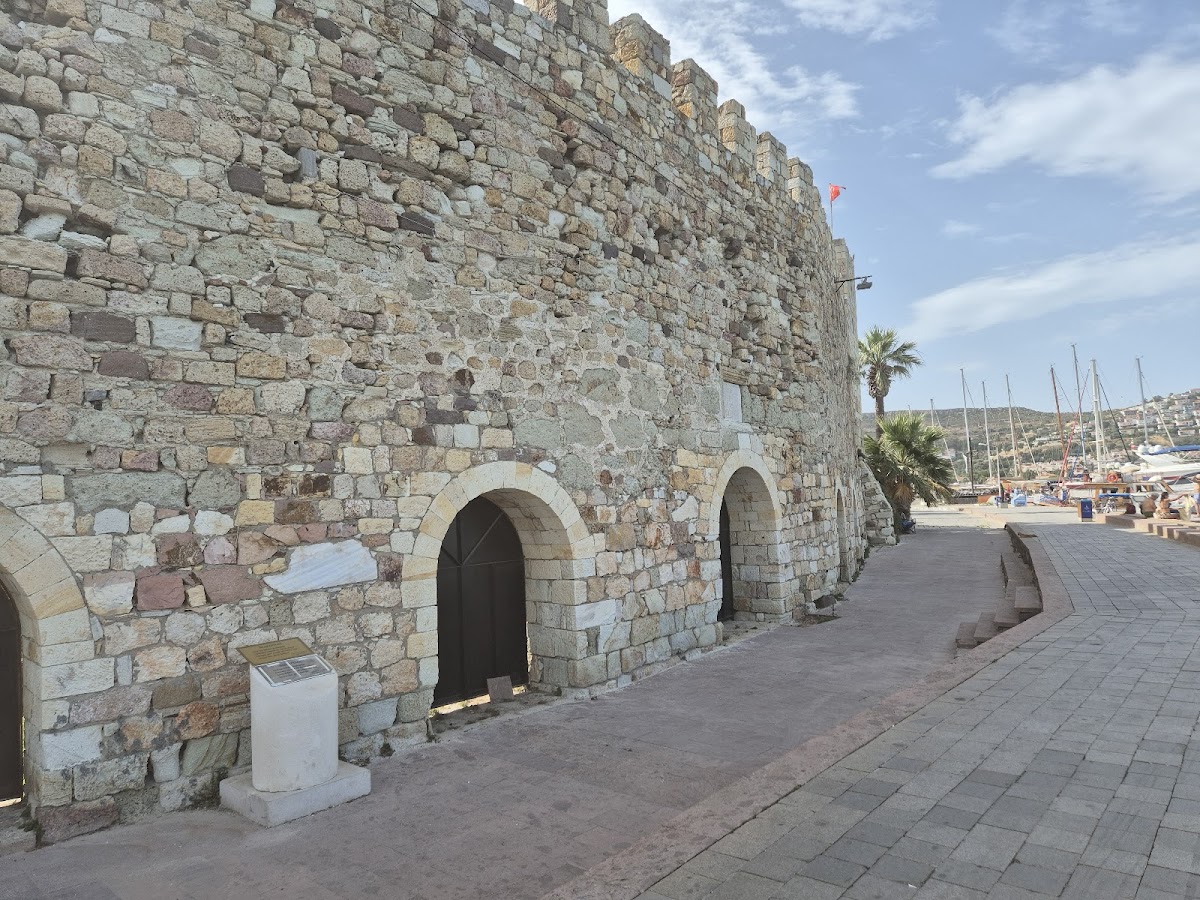
Foça Castle, also known as Beşkapılar Castle, is a medieval coastal fortification in Foça, Türkiye. Built in the 11th or 12th century, it occupies part of the peninsula associated with the ancient city of Phocaea. The castle is included on Türkiye’s UNESCO World Heritage Tentative List.
Ancient and Byzantine Foça
The castle stands within a much older fortified landscape. Walls surrounding ancient Phocaea were built around 590–580 BC and later restored during the Byzantine Empire, the medieval Roman state centered on Constantinople. These ancient defenses predate the medieval castle and formed part of the setting in which it developed.
Genoese Control
During the 13th century, the castle was taken from the Byzantines by the Republic of Genoa, a powerful maritime state in the medieval Mediterranean. The Genoese rebuilt the fortification and incorporated it into their control of Foça.
Ottoman Period
During the 14th century, Ottoman prince Şehzade Halil, a male member of the Ottoman ruling dynasty, was kidnapped and held in the castle. The Ottomans took Foça in 1455 and repaired the castle walls in 1538 and 1539, adding towers during the work. In the Ottoman period, Beşkapılar was used as a boatshed.
Remains
Peninsula Fortifications
Foça Castle extends across a peninsula, while Foça itself occupies land surrounded by the sea on three sides. Its surviving fortifications include walls and towers associated with the medieval and Ottoman phases. One tower marks the northernmost end of the Temple of Athena, an ancient Greek temple dedicated to Athena, the goddess associated with wisdom and warfare. The surrounding walls of ancient Phocaea belong to an earlier phase than the castle.
Beşkapılar
At the southwestern end of the fortification, five gates are collectively known as Beşkapılar, a name meaning “Five Gates.” They form a distinct surviving element of the castle’s defensive complex and reflect the site’s continuing use across its medieval and Ottoman phases.