Fatih Mosque, Foça: An Ottoman Mosque
Site at a Glance
- Country
- Turkey
- Primary era
- Medieval
- Eras represented
- Medieval
- Civilizations
- Ottoman
- Site type
- Religious
- Remains
- Mosque
On this page5 sections
History
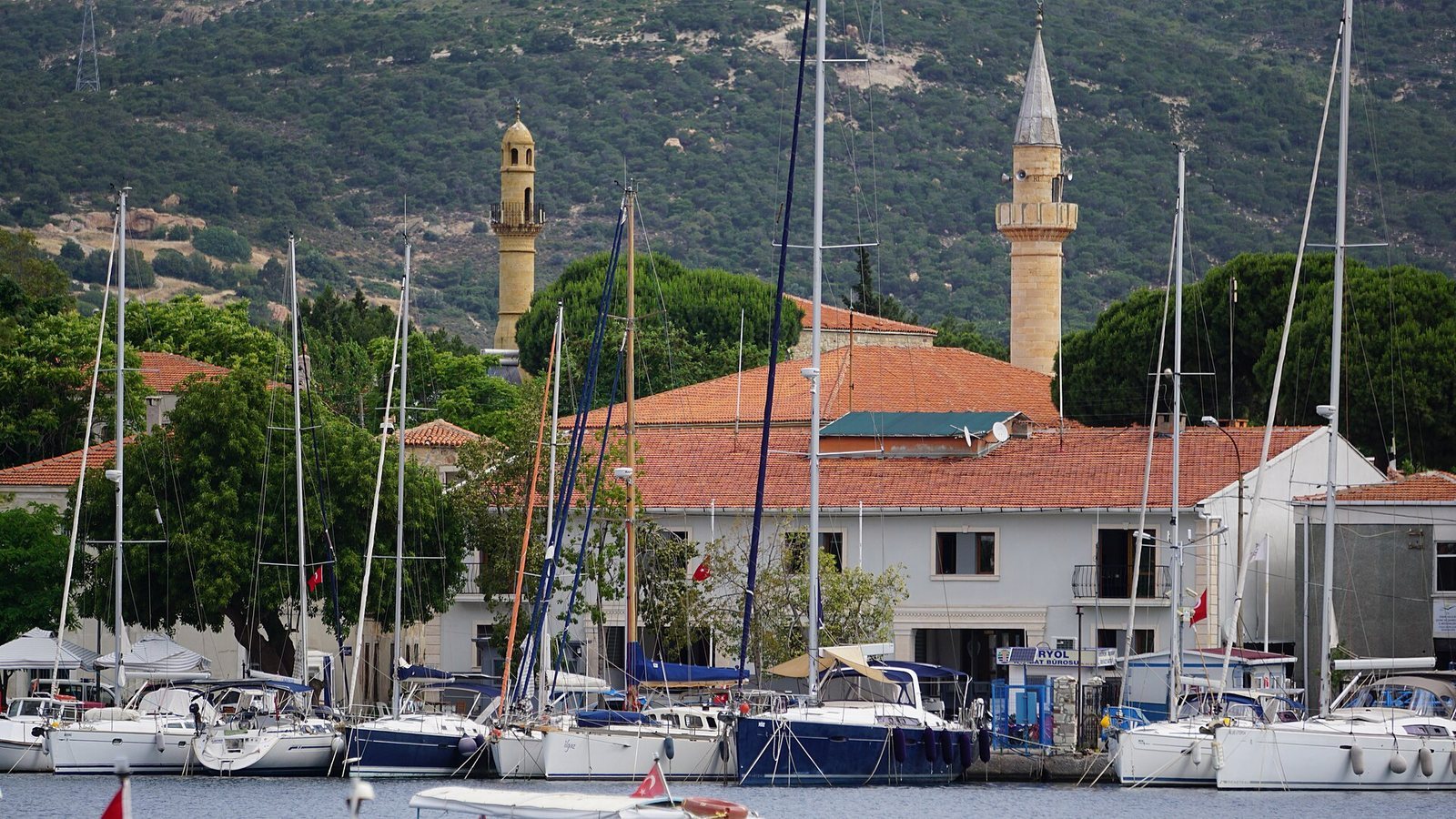
Fatih Mosque is an Ottoman mosque in Foça, Türkiye, commissioned in 1455 after Mehmed II conquered the town. It is regarded as the first major building of Foça’s period of Turkish rule and the district’s oldest Ottoman-era building. Although it is no longer in its original form, the mosque remains active.
Foundation and rebuilding
Mehmed II, an Ottoman sultan also known as Mehmed the Conqueror, commissioned the mosque during a period of major development in the area. In 1531, Mustafa Agha commissioned a gate for the enclosed courtyard. An inscription above the main entrance records that Suleiman the Magnificent, an Ottoman sultan and son of Selim I, ordered the mosque rebuilt in 1569–1570.
Earthquake damage and repairs
Earthquakes damaged the mosque in 1709 and 1739. An inscription on its stone doorway records repairs in 1890.
Remains
Plan and architectural features
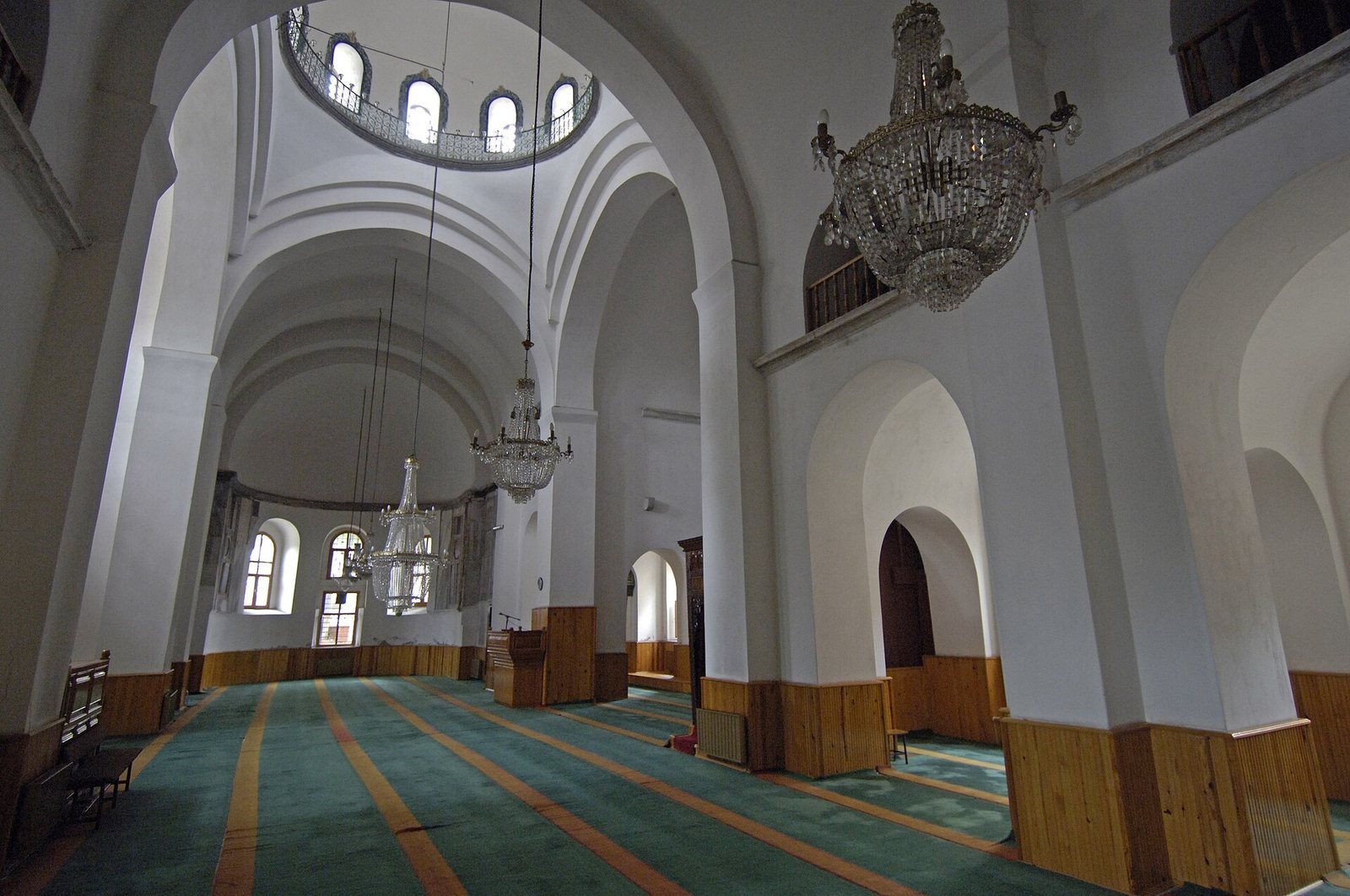
The mosque has a rectangular plan, with load-bearing masonry walls built in alternating courses of dressed stone and brick beneath a wooden roof. Its enclosed courtyard has a gate, and inscriptions are set at the gate, above the main entrance, and on the stone doorway. A covered entrance porch supported by six columns provides space for worshippers who arrive too late to join the main congregation. The prayer hall has two tiers of windows: rectangular openings below and stained-glass windows in plaster frames above. Inside, a rounded mihrab, a niche indicating the direction of prayer, marks the prayer direction. The minaret has a dressed-stone base, a circular shaft, and one balcony.