Fittja gård: A Swedish Estate, Coaching Inn, and Court Center
Site at a Glance
- Popularity
- Medium
- Country
- Sweden
- Primary era
- Modern
- Eras represented
- Early Modern, Modern
- Civilizations
- Swedish
- Site type
- Domestic
- Remains
- Manor House
On this page9 sections
History
Fittja gård is a historic estate in Sweden, first recorded in 1299 and later known as a coaching inn and local court center. Its present manor buildings date to 1812 and follow the Empire style, an early-19th-century approach to formal classical design. The estate’s roles grew with the road between Stockholm and Helsingborg, which made it a stopping place for travelers.
Medieval estate and seventeenth-century route
A tenancy letter from 1299 provides the earliest known reference to Fittja gård, while the village of Fittja developed during the Middle Ages. During the Protestant Reformation, the estate was confiscated, and local farmers worked its land. Erik van der Linde took possession in 1631.
Work on a new road between Stockholm and Helsingborg began in 1633 to replace the older Göta highway. The route was completed in 1669 with a bridge at Fittja Point, near the head of Lake Alby. Fittja gård became a stop on this main road, about 16 kilometres from Stockholm. Southbound travelers changed horses there for the first time on their journey.
A coaching inn was established at the estate, with royal permission to serve food and drink. In 1663, Stockholm alderman Gustaf Mattsson financed a building for a dining establishment. The hostel opened in 1666 with 20 horses, though complaints were made about their condition. From 1667, Fittja also operated as a post-rider station, with six riders and 12 horses kept in a separate stable. Its other businesses included a farm, a distillery, and a large brickworks.
From 1660 to 1916, the district court for Svartlösa Hundred sat at Fittja gård. A Swedish hundred was a territorial district used for local administration and judicial affairs.
Growth and changing ownership in the eighteenth century
The estate changed hands several times during the 18th century, and a new main house was built around the middle of the century. Financier Johan Liljencrantz owned Fittja gård from 1778 to 1787. In the 1780s, its lands stretched from Lake Mälaren in the north to Alby gård in the south, and from Fittja Point and Lake Alby in the east to Slagsta gård in the west. In 1787, the northern part, including the brickworks, became part of Slagsta.
The inn was among Sweden’s largest during the 17th and 18th centuries. Travelers and guests included Charles XII, Oscar I, and naturalist Carl Linnaeus. King Gustav III and his court arrived by barge from Drottningholm Palace. Linnaeus wrote in 1741 of a long wait for horses at Fittja, while poet and songwriter Carl Michael Bellman wrote about life at the inn.
Travel and work in the nineteenth century
Merchant Jacob Schmidt bought the estate and inn in 1809 and improved the property. The main house was replaced in 1812, and Schmidt also built a large barn. Soon afterward, steamboats largely displaced coach travel, offering a journey considered safer and more comfortable. Schmidt ran out of money in 1815 and the estate was sold at auction. In 1841, Crown Prince Oscar described the inn as quiet and deserted.
Farmer and national legislator Lars Magnus Carlsson acquired the estate in 1859. The authorities revoked its liquor licence in 1873 because of drunkenness and fighting, but the inn continued to operate, with interruptions, until 1972. A new brickworks opened on Fittja Point in the 1860s and remained in operation until 1964. Farming and brickmaking became the estate’s main sources of income.
Twentieth-century changes and new uses
After Carlsson’s death in 1899, his son Hjalmar succeeded him. A tenant farmer took charge of the estate as Hjalmar devoted less attention to farming. By 1903, Hjalmar and his wife had moved to Fittja, and the inn had become a destination for day trips. Hjalmar sold the brickyard in 1914 and the gravel pit in 1924. He died in 1950; his widow remained at the estate until her death in 1974.
During the 1920s, Fittja became known for fruit and vegetable growing, especially raspberries. Produce was grown along the road north of the estate and sold in Stockholm. Development across northern Botkyrka built over this land in the early 1970s.
Businessman Ragnar Sellberg bought Fittja gård in 1955 and invested in a garden-city plan centered on the estate, but the project was never realized. He later lost interest and allowed the property to deteriorate. In 1967, he sold the main buildings to Stockholm Municipality and the outlying land to builder Ernst Ehn. AB Ehn and Company and the architectural firm Höjer and Ljungqvist subsequently developed much of modern Botkyrka.
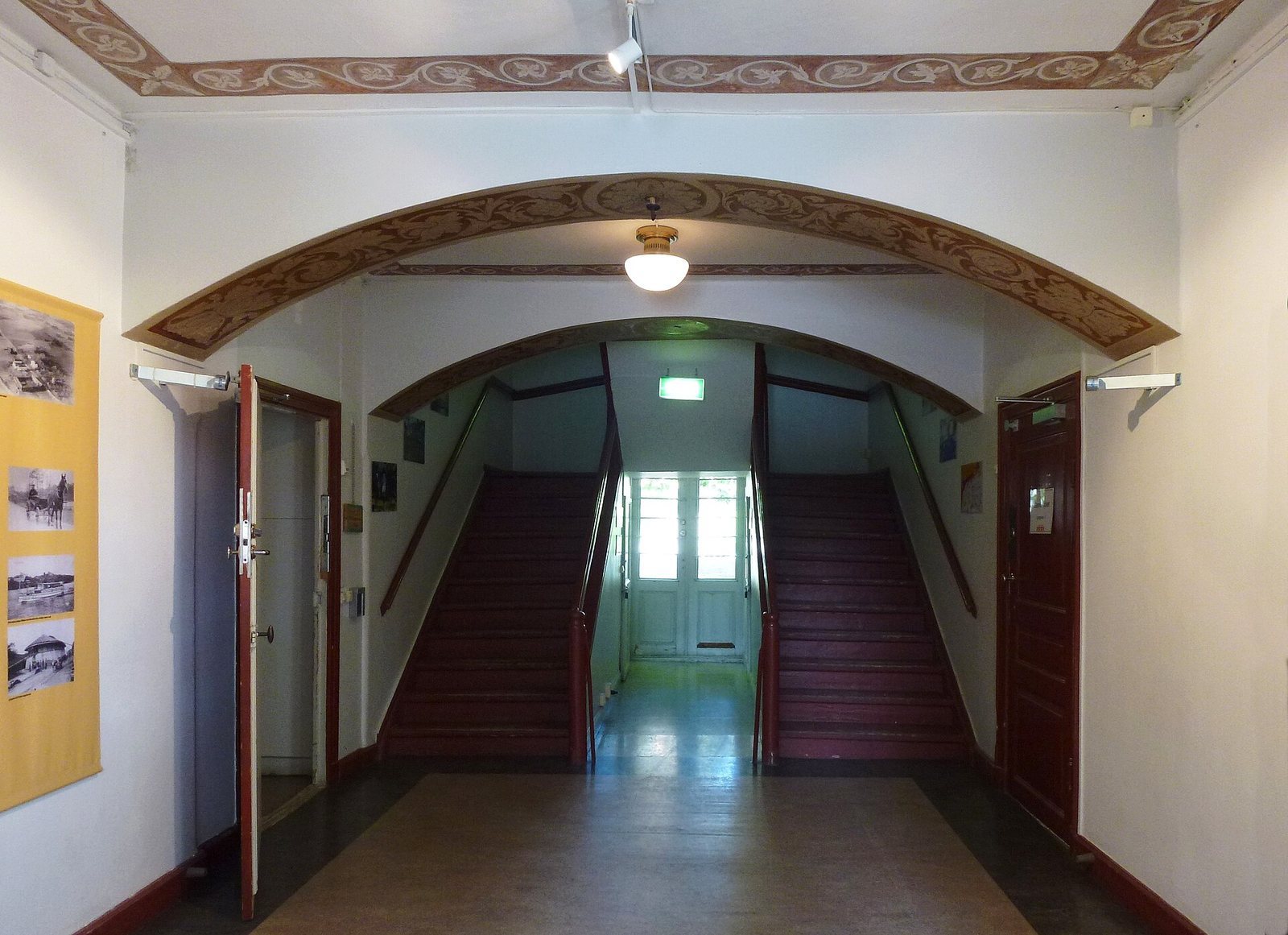
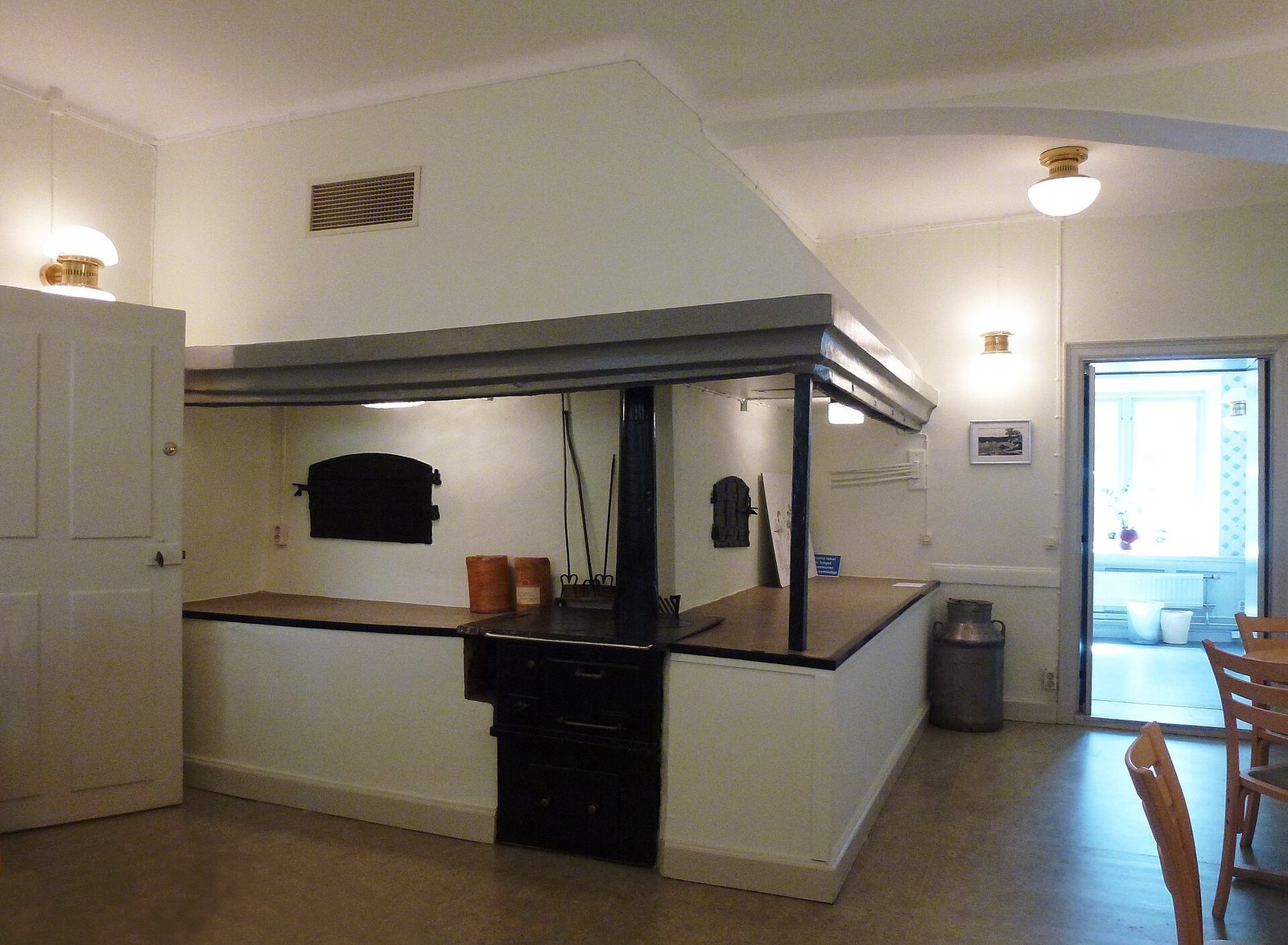
After the last tenants left in 1983, the buildings were renovated. The wings became a daycare center and the main house a People’s House, a community meeting place. Since 1987, the buildings have housed a multicultural center focused on the study of human societies and cultures. The site also serves as a museum for the historical study of Swedish migration-related events and contains one of the country’s largest libraries in that field. In May 2014, the main building became the home of the first UNESCO Local Centre for Collaboration in northern Europe; UNESCO is the United Nations Educational, Scientific and Cultural Organization.
Remains
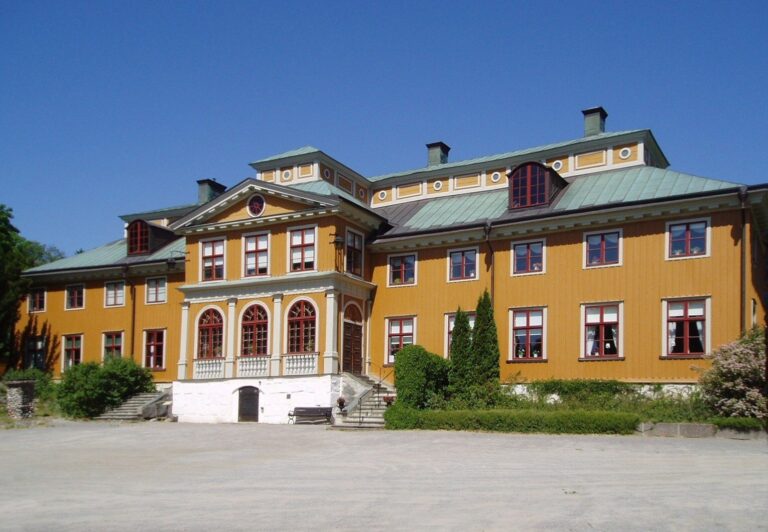
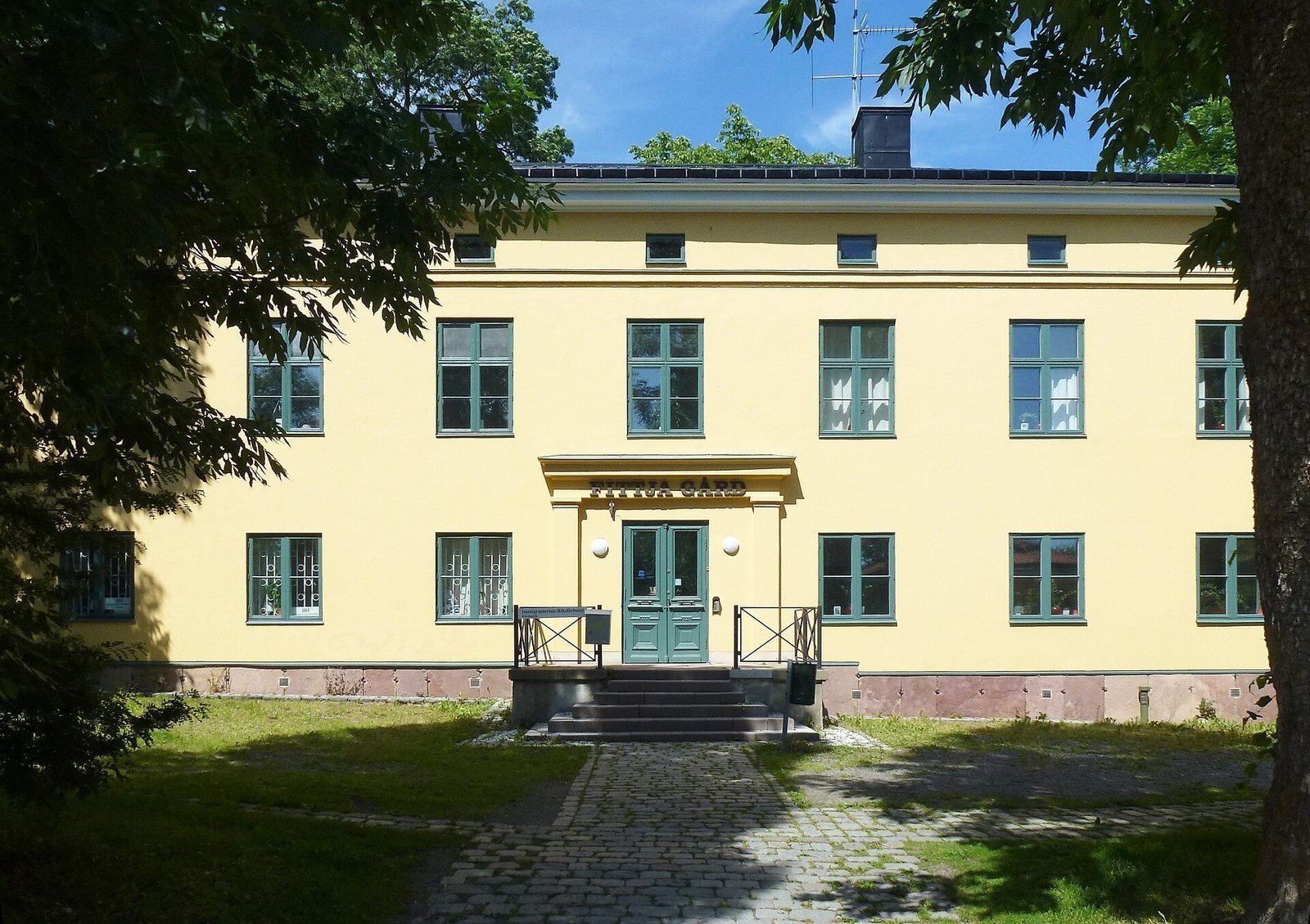
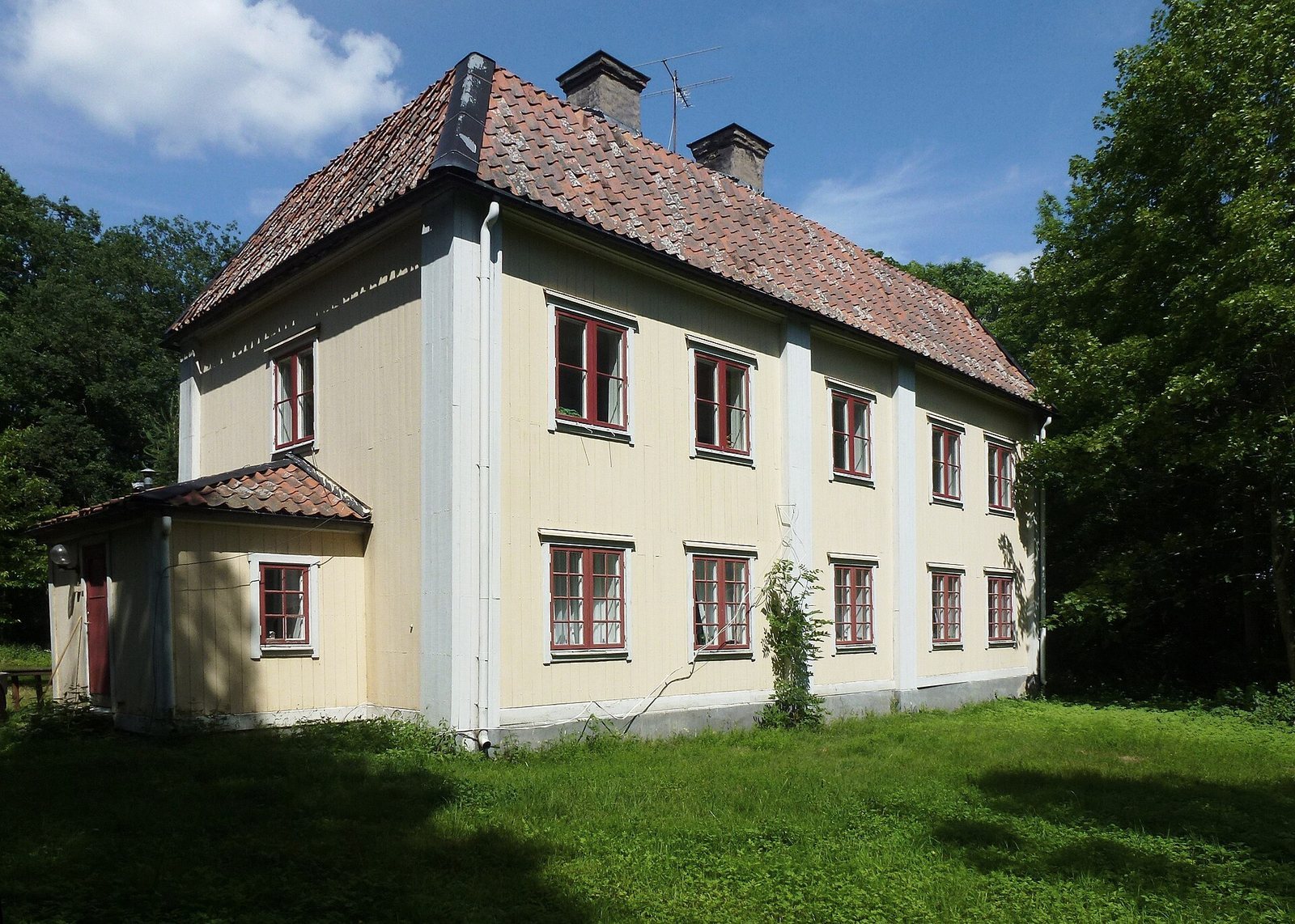
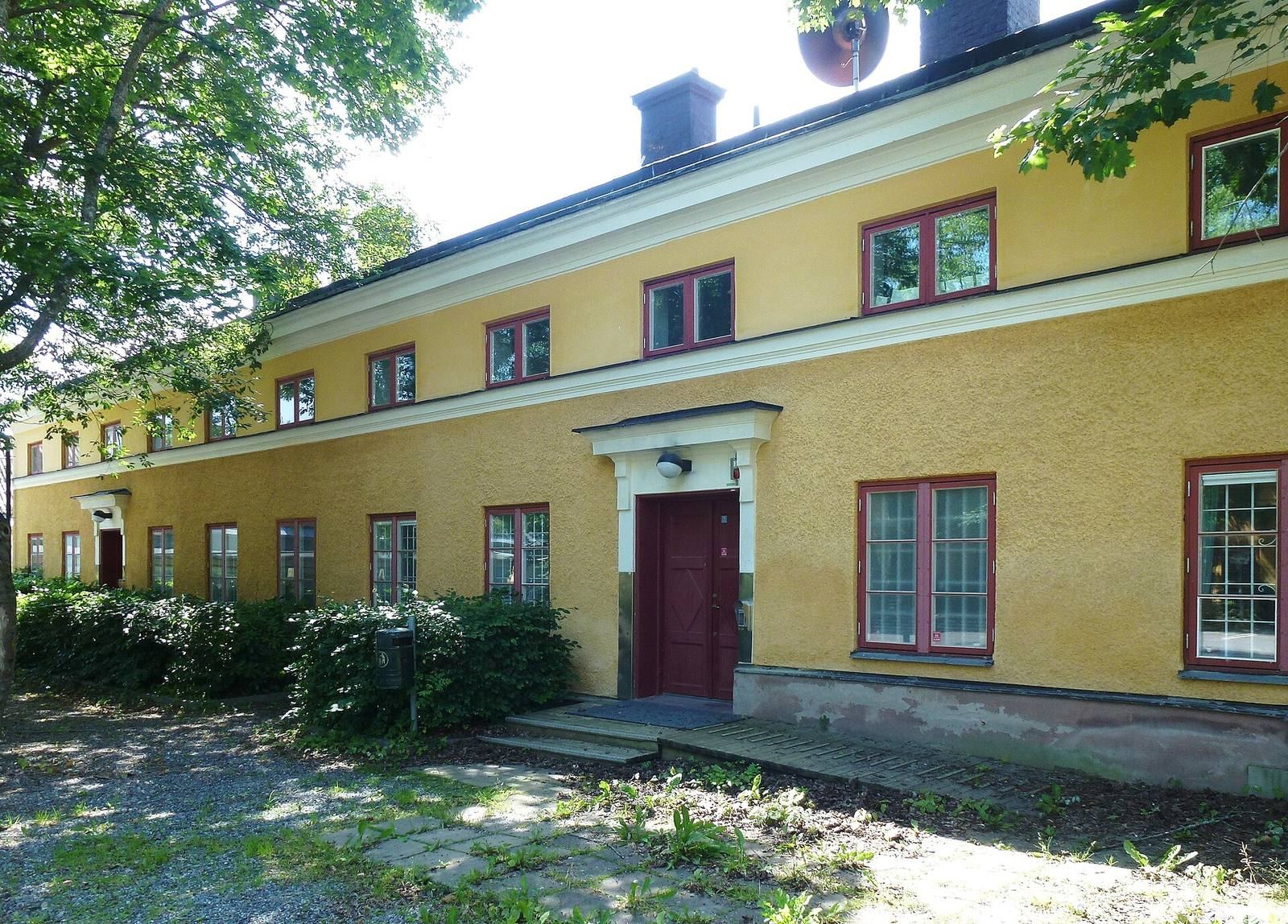
The present estate group, dating to 1812, is arranged around a courtyard. Its two-storey main house is in the Empire style, with two flanking wings and a stable forming the other sides. The historic highway passed south of the main house and through the courtyard.
Service wings
The east wing housed a courtroom, jail, guardhouse, and restaurant. The west wing contained a post office, brewery, bakery, and guest rooms. The Stockholm County Museum regards the estate buildings as well preserved and values them as cultural heritage.
Earlier house and barn
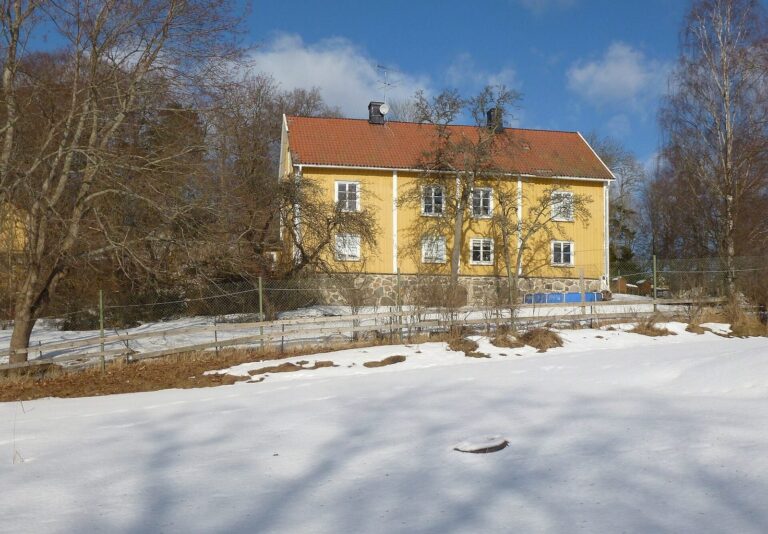
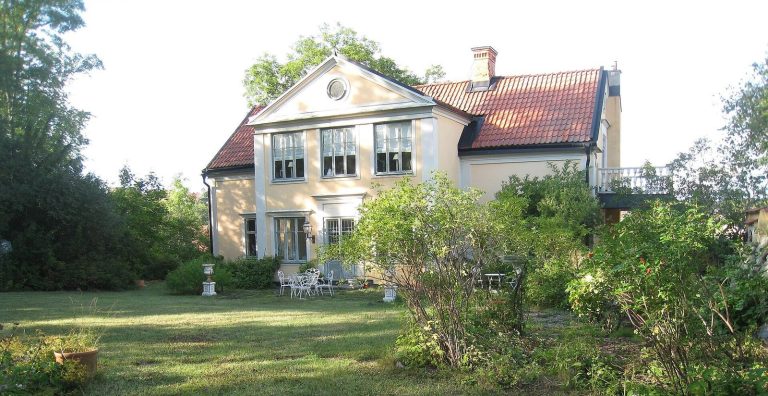
Schmidt moved the mid-18th-century main house about 500 metres northeast. Known as Ängsbyggningen, or the Meadow Building, it long served as a tenant farmer’s home and is now a private residence. Schmidt’s large barn, later called Fittja loge, held about 40 cows and several horses until the Second World War. After livestock keeping ended, the barn was used for dances and parties.
Inn and historic road
Fittja Värdshus, the inn, was attached to the manor. The road through the estate later became known as Södertäljevägen and then Riksväg 1. A remaining section of Värdshusvägen east of the buildings is now a path for pedestrians and bicycles.