Esterházy Mansion in Csákvár: An Aristocratic Residence and Hospital
Site at a Glance
- Rating
- 4.2
- Popularity
- Medium
- Country
- Hungary
- Primary era
- Modern
- Eras represented
- Early Modern, Modern
- Civilizations
- Austrian Empire, Habsburg, Habsburg Austria, Hungarian
- Site type
- Domestic
- Remains
- Elite Residence
On this page8 sections
History
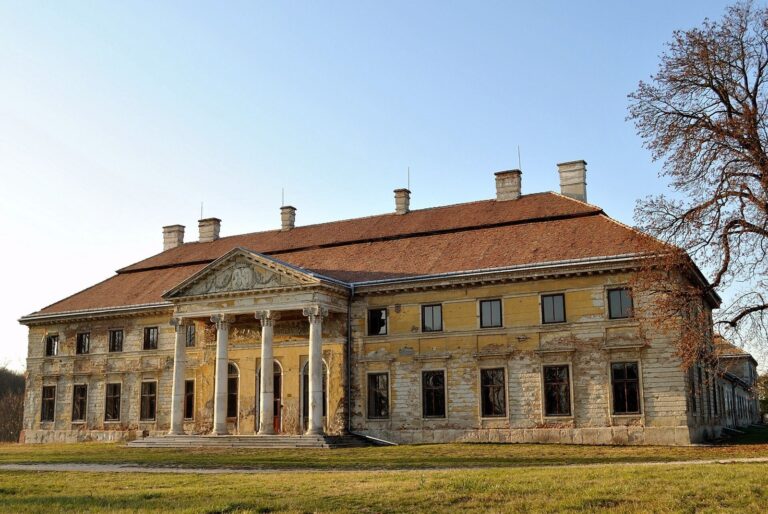
Esterházy Mansion in Csákvár, Hungary, is an eighteenth-century residence commissioned by Hungarian count János Esterházy and built in the Rococo style between 1760 and 1765. Jakab Fellner designed the mansion, whose central section was completed and made habitable in 1778, following the model of Eszterháza Palace at Fertőd.
Construction and park
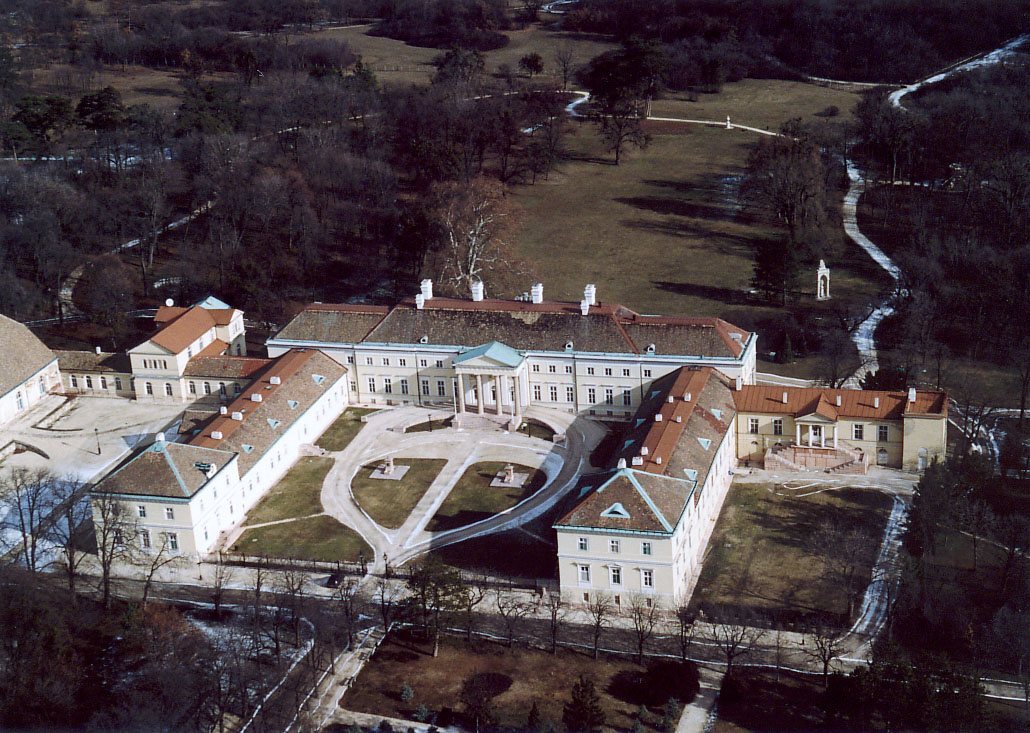
Work on the surrounding park began in 1779, following a design by Italian landscape designer Isidoro Canevale. The mansion and grounds formed part of the Esterházy family’s estate.
Renovation and later use
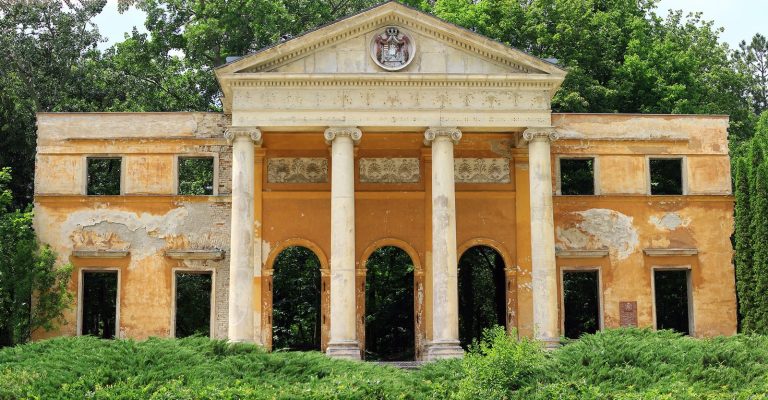
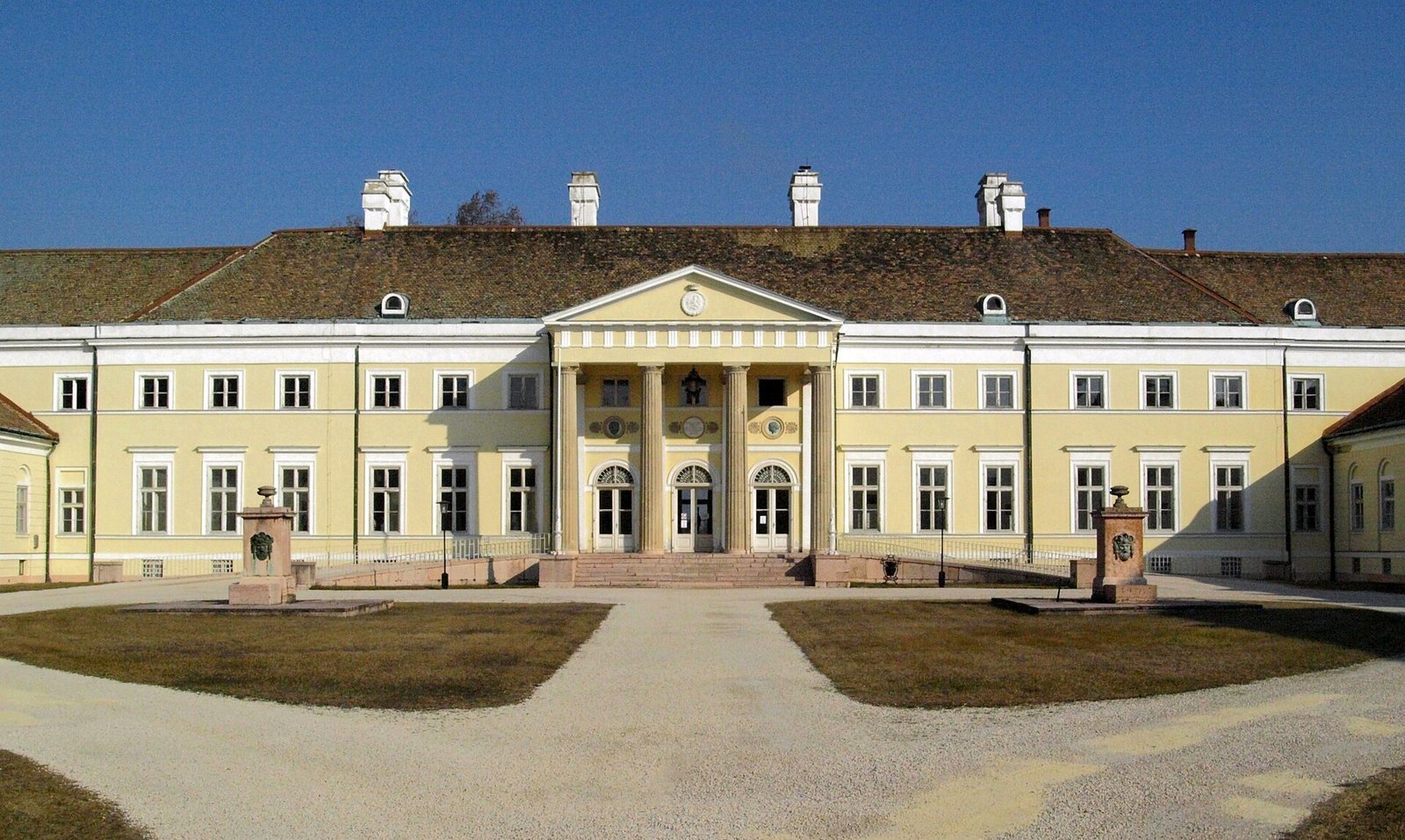
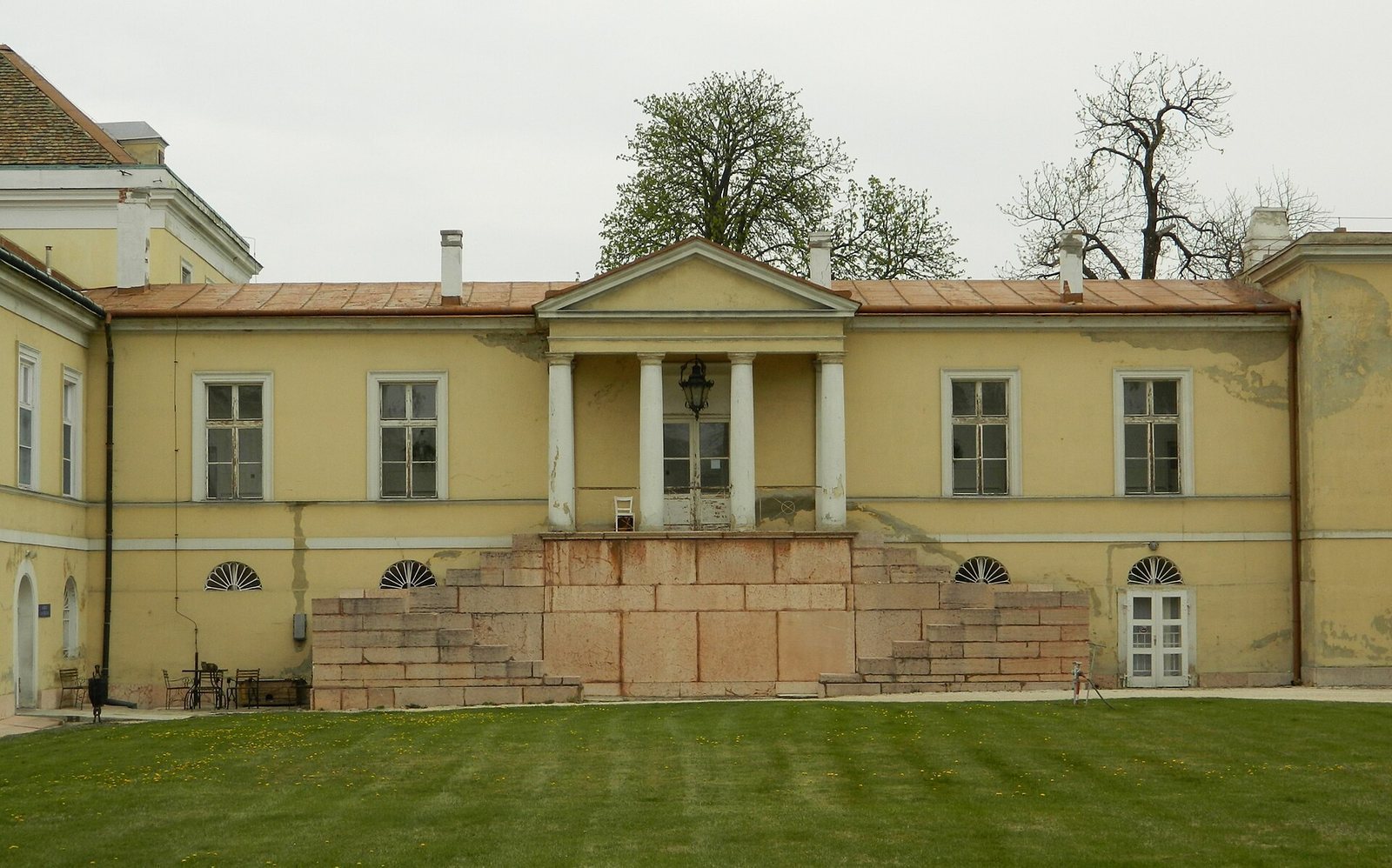
A series of earthquakes affected the region between 1810 and 1814. The mansion was then comprehensively renovated to designs by architect Anton Göttz, with French architect Charles Moreau directing the work. Completed in 1823, the renovation gave the building a Neoclassical character, drawing on forms from classical antiquity.
In 1954, the mansion became a hospital for tuberculosis patients. It continues to serve as the Szent György Hospital of Fejér County.
Remains
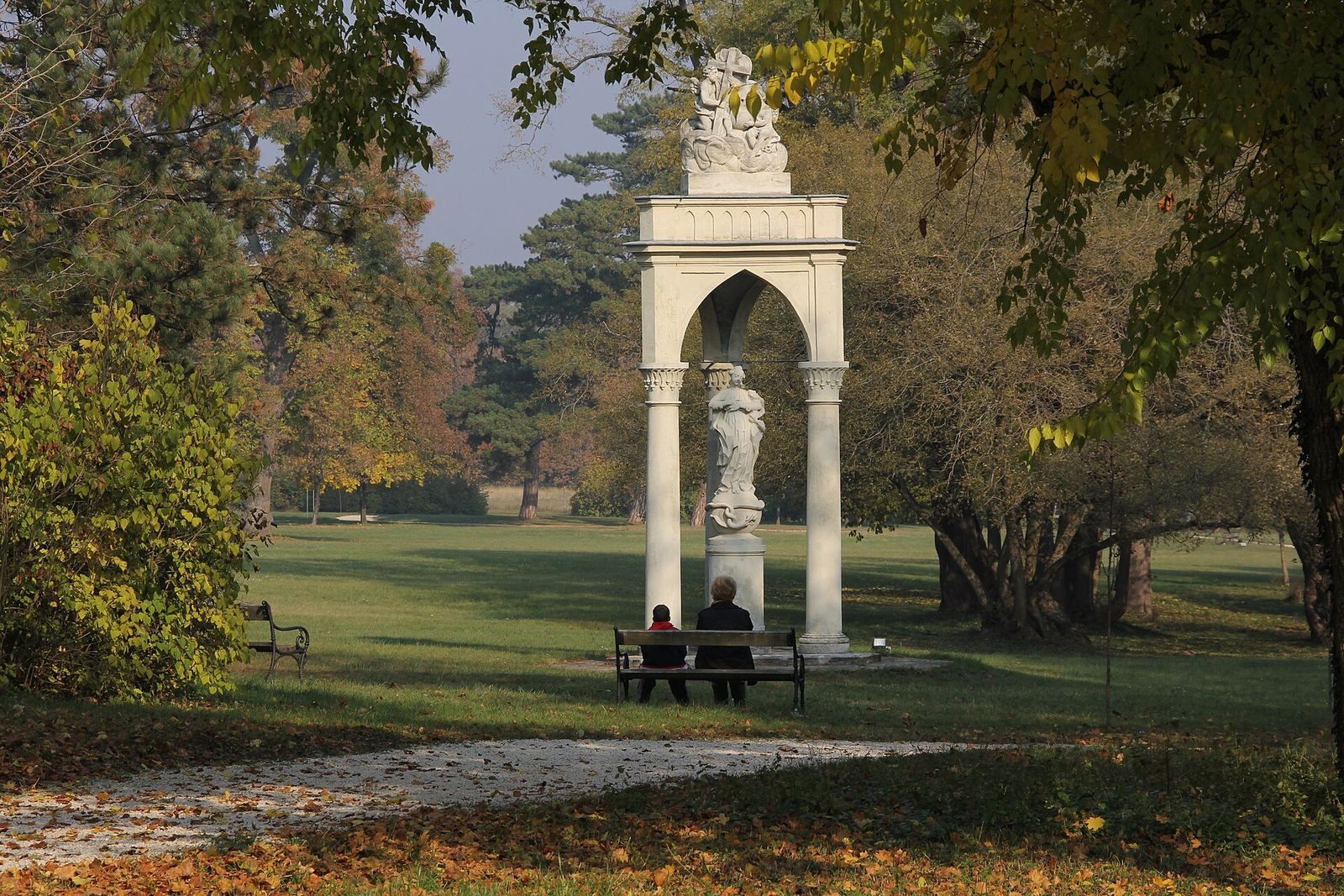
The mansion and its grounds combine the altered residence with a 77-hectare English-style park, a landscape designed less geometrically than a formal garden.
The mansion
Rooms and interior spaces
The mansion has 365 rooms, corresponding to the days of the year, along with a large library, a chapel and a hall devoted to hunting, an interest of Count Esterházy. The area now used for a kitchen and dining room was formerly a riding hall with a hay barn.
Park-facing façade and fountains
Following the early nineteenth-century renovation, the rear façade facing the park was the only part of the mansion retained in its original form. Two ornamental fountains stand in front of the building. Made of red marble, they each carry a bronze theatrical mask, an allusion to the Esterházy family’s appreciation of acting.
The park
The park contains more than 400 plant species, including sycamores and horse chestnuts that are over 200 years old.