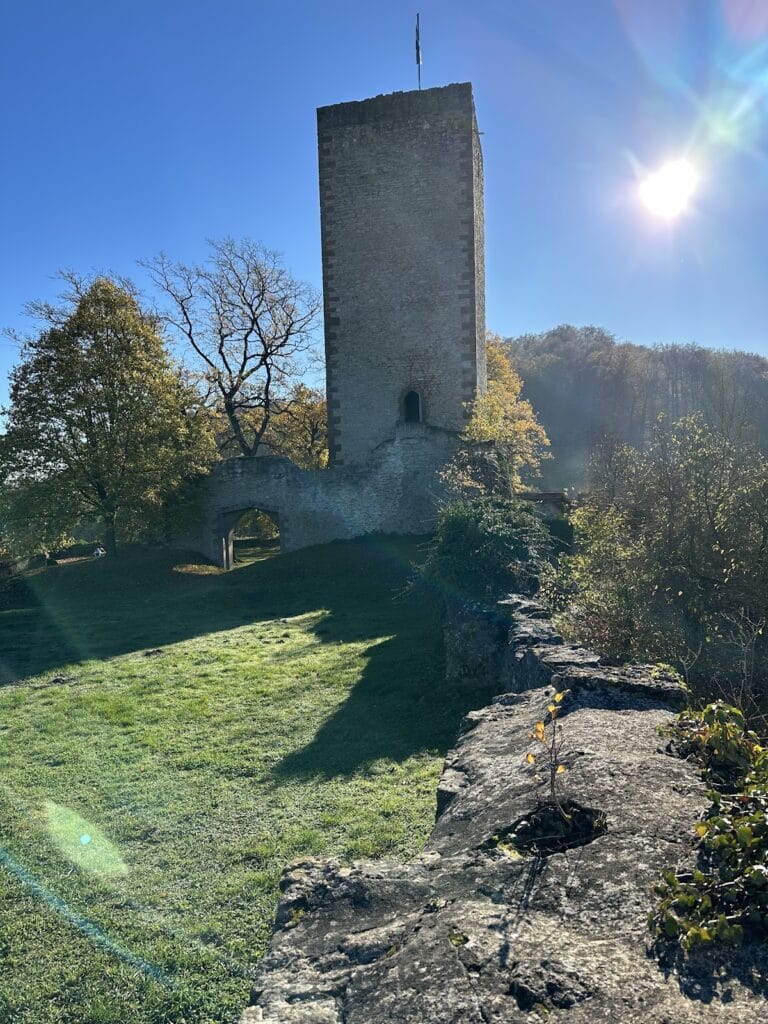
Erichsburg: A 16th-Century Castle Complex in Germany

Site at a Glance
- Rating
- 3.7
- Popularity
- Very Low
- Country
- Germany
- Primary era
- Early Modern
- External website
- Open
- Eras represented
- Early Modern
- Civilizations
- Holy Roman Empire
- Site type
- Military
- Remains
- Castle
On this page10 sections
History
Hunnesrück and the Hildesheim Diocesan Feud
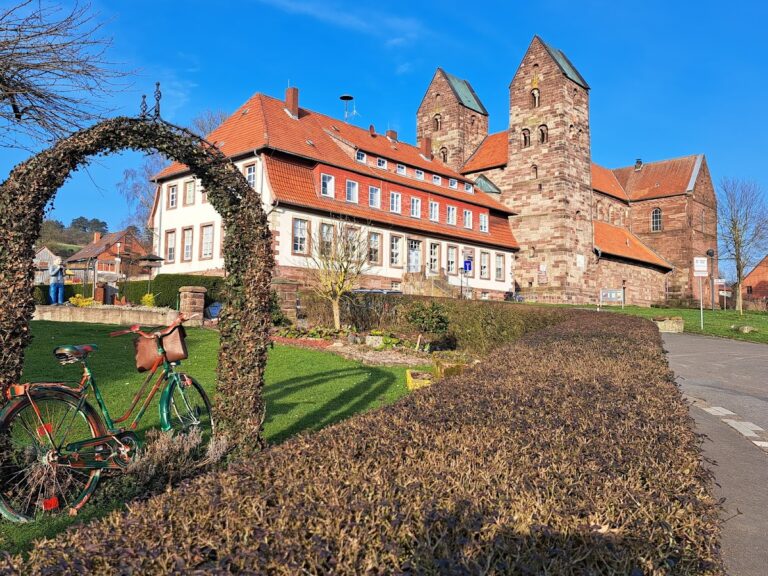
Erichsburg is a 16th-century castle complex in Germany, on the edge of the settlement of Erichsburg, now part of Dassel in Lower Saxony. It was built for the Brunswick-Lüneburg dynasty within the Principality of Calenberg, a territorial state ruled by that dynasty. Its predecessor, Hunnesrück Castle, had been built by the Counts of Dassel in the 13th century about 2.5 to 3 kilometres west of the later site, in the Amtsberge hills.
Hunnesrück was captured and destroyed in 1521 during the Hildesheim Diocesan Feud, a military conflict in northern Germany involving the Prince-Bishopric of Hildesheim and neighboring territorial rulers. Eric I and Henry the Younger of Wolfenbüttel bombarded the castle from the Hatop heights before taking it. Eric I did not rebuild the damaged stronghold. The surviving wall and rampart remains of Hunnesrück mark the earlier stage in the history of Erichsburg.
Foundation and expansion
Duke Eric I of Brunswick-Lüneburg commissioned Erichsburg between 1527 and 1530 as a replacement for Hunnesrück. During the building work, he lived at the older castle. For a time, Erichsburg served as his administrative seat. The new complex was named for his son and heir, born in 1528 and later known as Duke Eric II.
Duke Julius of Wolfenbüttel ordered an extension between 1604 and 1612, with Paul Francke as master builder. By 1688, buildings from the first construction phase had been demolished because they had fallen into disrepair. The agricultural outwork beside the castle developed into a small estate settlement that supported the complex economically. This settlement became Erichsburg, a locality belonging to Dassel’s Hunnesrück district.
Religious and private ownership
From 1891 to 1980, Erichsburg was leased by the Hanoverian Regional Church. It first housed a theological seminary and, from 1971, a retreat and recreation center. In 1980, the castle-like complex passed from the state of Lower Saxony into private ownership. Ownership changed again in early 2014 and in 2019; since 2019, it has belonged to the ADN Investment Group.
Modern renovation has included the completion of the chapel and the restoration of a model room. The complex has also been intended for historically themed events, including markets, weddings, and knight games.
Remains
Lowland setting and defenses
Erichsburg is a lowland castle, meaning a fortified residence or stronghold built on relatively low, often wet ground rather than on a prominent hill. The complex stands in a marshy depression at about 158 metres above sea level. A broad moat and high ramparts formerly protected the castle, while an agricultural outwork stood beside it. Several ponds surround the site, including the Försterteich, Langerteich, Eckteich, and Schulteich. The Bremke stream runs south of the complex.
The outer grounds retain lawns, paths, old trees, moats, ponds, and rampart systems. Substantial parts of the complex survive, although the castle has also been described as being in poor repair. The upper section of the staircase tower is in poor structural condition and contains numerous repairs.
Castle buildings
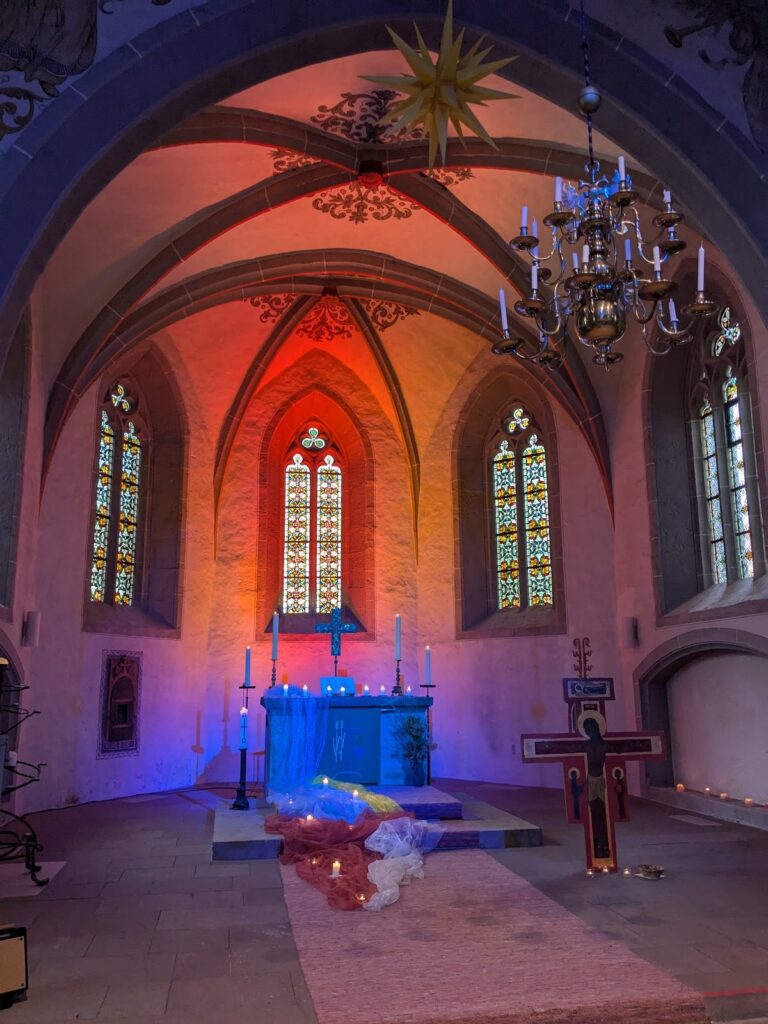
Chapel and model room
The chapel and a model room have been renovated as part of modern work on the complex. The surviving castle buildings also include façade details that contribute to the character of the castle-like ensemble.
Staircase tower
The staircase tower remains one of the identifiable elements of the complex. Its upper part shows extensive repairs and is in poor structural condition, reflecting the varying state of preservation within Erichsburg.
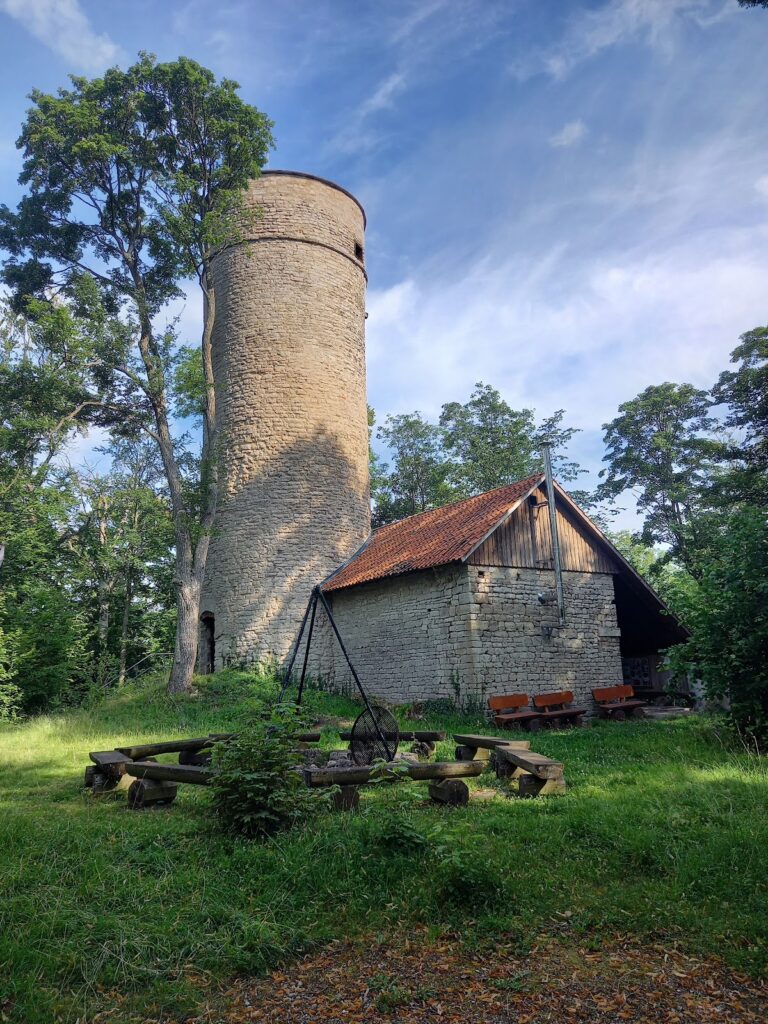
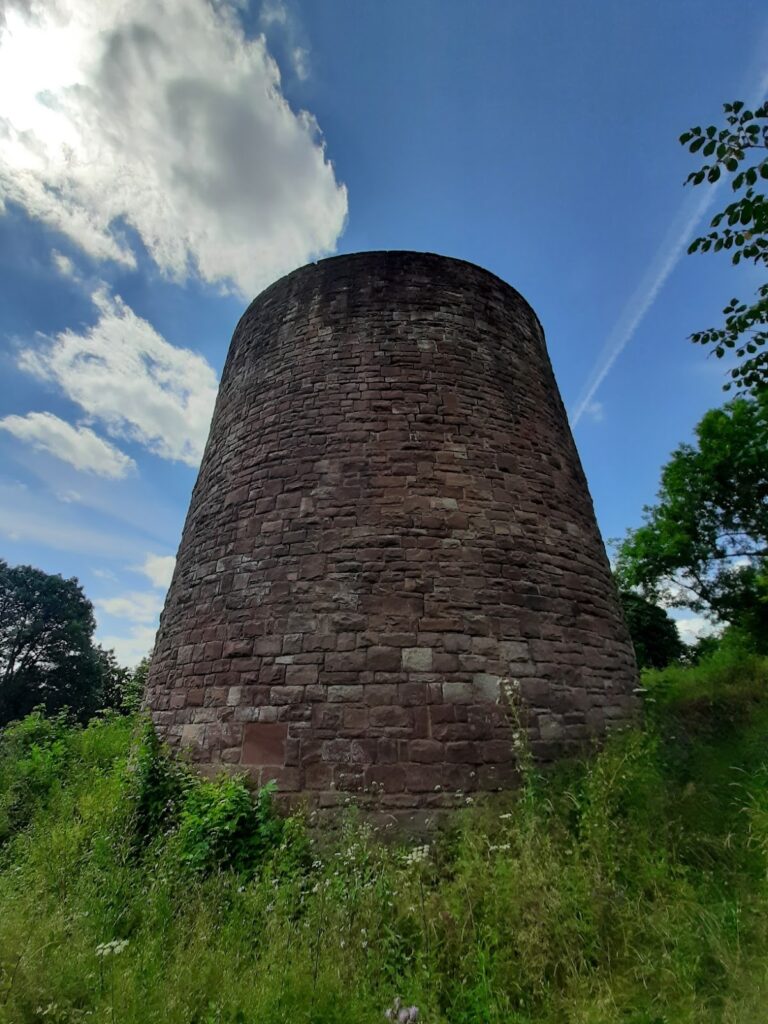
Hunnesrück remains
The predecessor castle occupies a steep-sided elevation in the Amtsberge hills, west of Erichsburg. Only wall and rampart remains survive at Hunnesrück, the medieval stronghold destroyed during the Hildesheim Diocesan Feud in 1521.