Epworth Old Rectory: The Wesley Family Home and Methodist Museum
Site at a Glance
- Popularity
- High
- Country
- United Kingdom
- Primary era
- Early Modern
- Eras represented
- Early Modern
- Civilizations
- British, English
- Site type
- Domestic
- Remains
- House
On this page5 sections
History
Samuel Wesley’s household
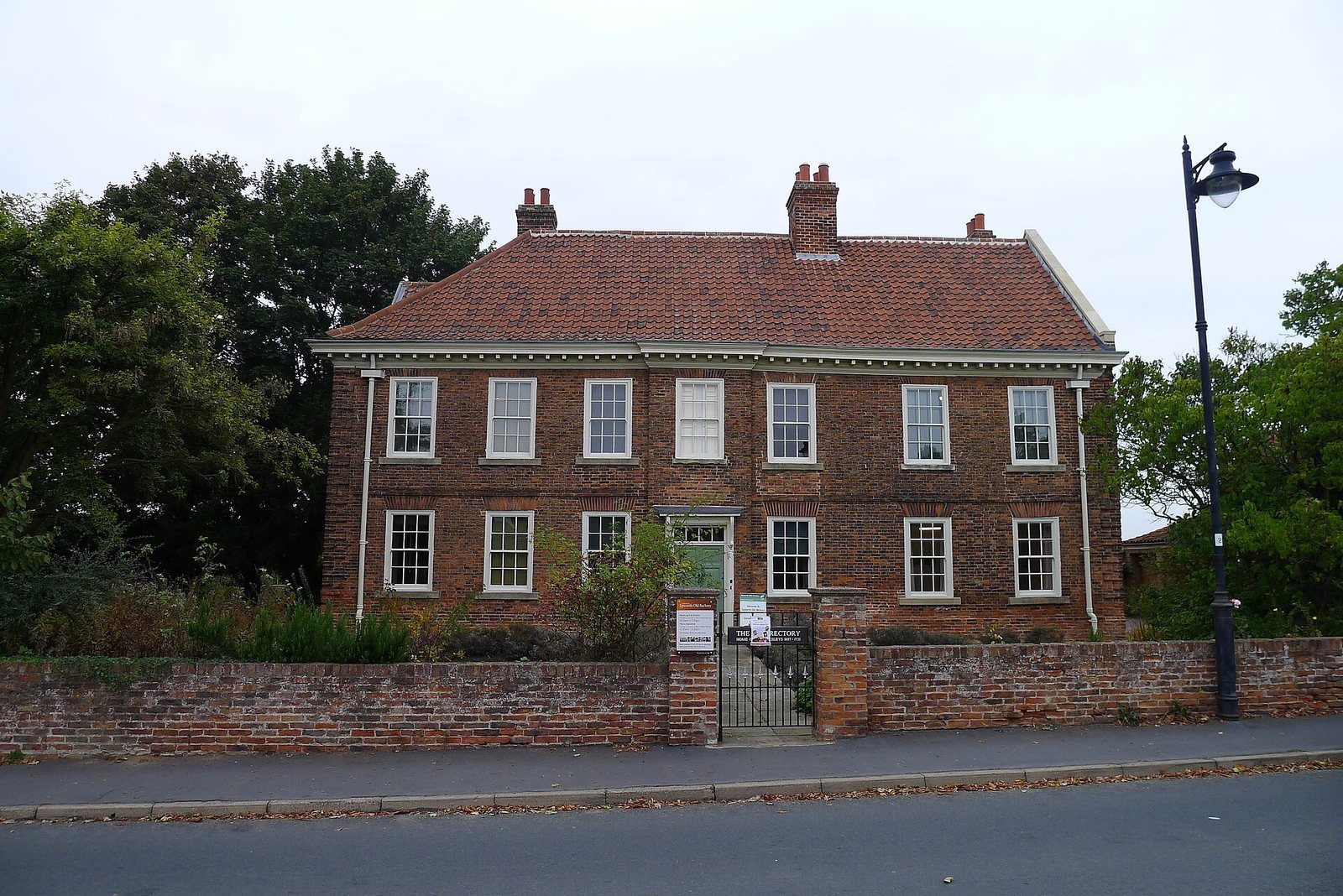
Epworth Old Rectory is a rectory in Epworth, United Kingdom, rebuilt in brick in the Queen Anne style after a fire destroyed its wooden predecessor in 1709. Samuel Wesley, the rector of Epworth, lived there with his wife Susanna and their 19 children from 1697 to 1735. Their son John grew up in the house and later became a principal founder of Methodism, a Protestant Christian movement that developed into a distinct church tradition.
Fire and the reported haunting
On 9 February 1709, while the family lived in the rectory, fire destroyed the wooden building. The house was subsequently rebuilt in brick.
From December 1716 to January 1717, the Wesley household was said to hear recurring loud noises and knocks attributed to a ghost. Hetty, one of the family’s older daughters, called the spirit “Old Jeffrey.” The disturbances were said to have begun on Christmas Day 1716 and stopped suddenly in January. Reported sounds included footsteps and running on the floor above, rattling and thundering, and an invisible horn.
Later interpretations and the museum
In 1908, writer on psychical research Addington Bruce drew attention to differences between early records and later descriptions. He noted that eighteenth-century records described creaking, knocks, footsteps, or groaning, and argued that faulty memory had enlarged the story. He also proposed that Hetty might have staged the noises. Researcher Trevor H. Hall offered natural explanations in his 1965 book New Light on Old Ghosts.
In 1954, the Church of England sold the rectory to the British Methodist Church, with financial support from the World Methodist Council. Thomas Rayson restored the building. It is now owned by the Methodist Church of Great Britain and maintained as a museum by trustees appointed by the British Methodist Conference, the governing body of British Methodism, and the World Methodist Council, an international body connecting Methodist churches. The rectory is Grade I listed, England’s highest category of listed-building designation.
Remains
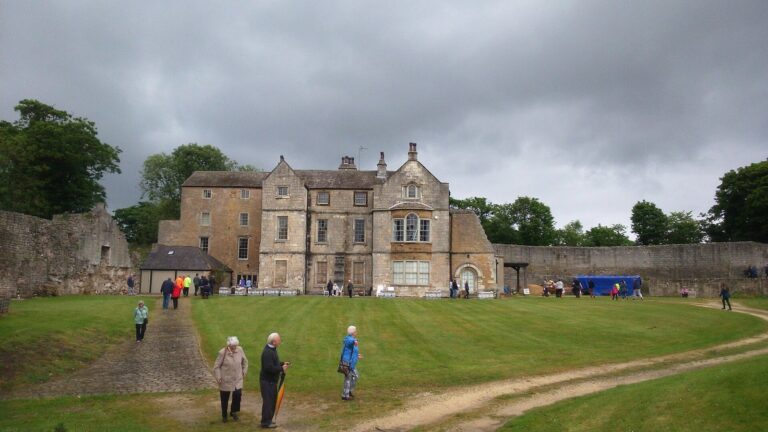
The rectory is a brick building in the Queen Anne style, an English architectural style associated with the early eighteenth century. Some exterior features have been restored to the appearance they would have had during the Wesley family’s residence.