Enghien Castle: A Historic Castle Estate in Belgium
Site at a Glance
- Popularity
- Medium
- Country
- Belgium
- Primary era
- Modern
- Eras represented
- Medieval, Early Modern, Modern
- Civilizations
- Belgian, Habsburg, Habsburg Spain, Holy Roman Empire, Spanish
- Site type
- Domestic
- Remains
- Castle
On this page6 sections
History
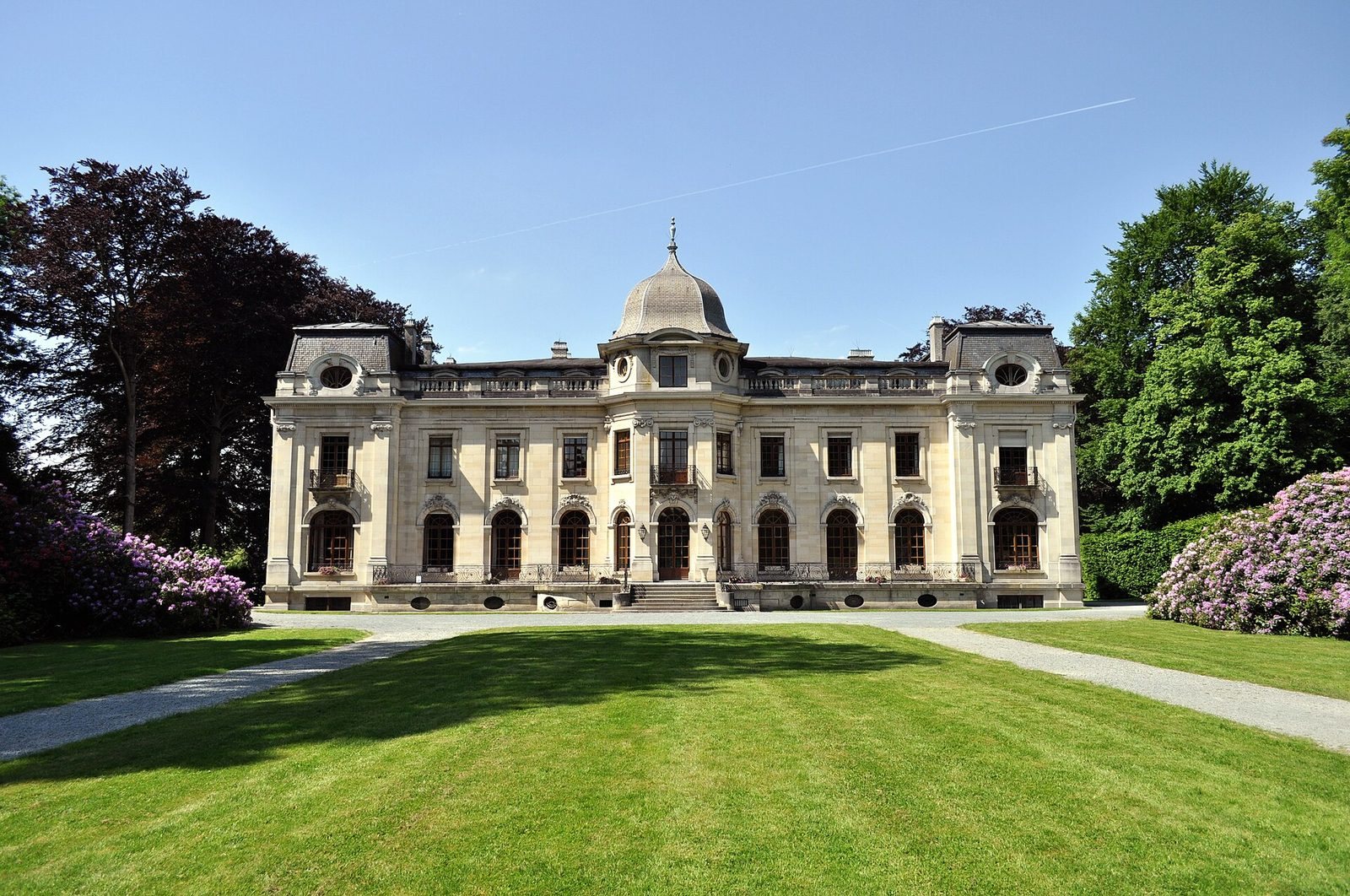
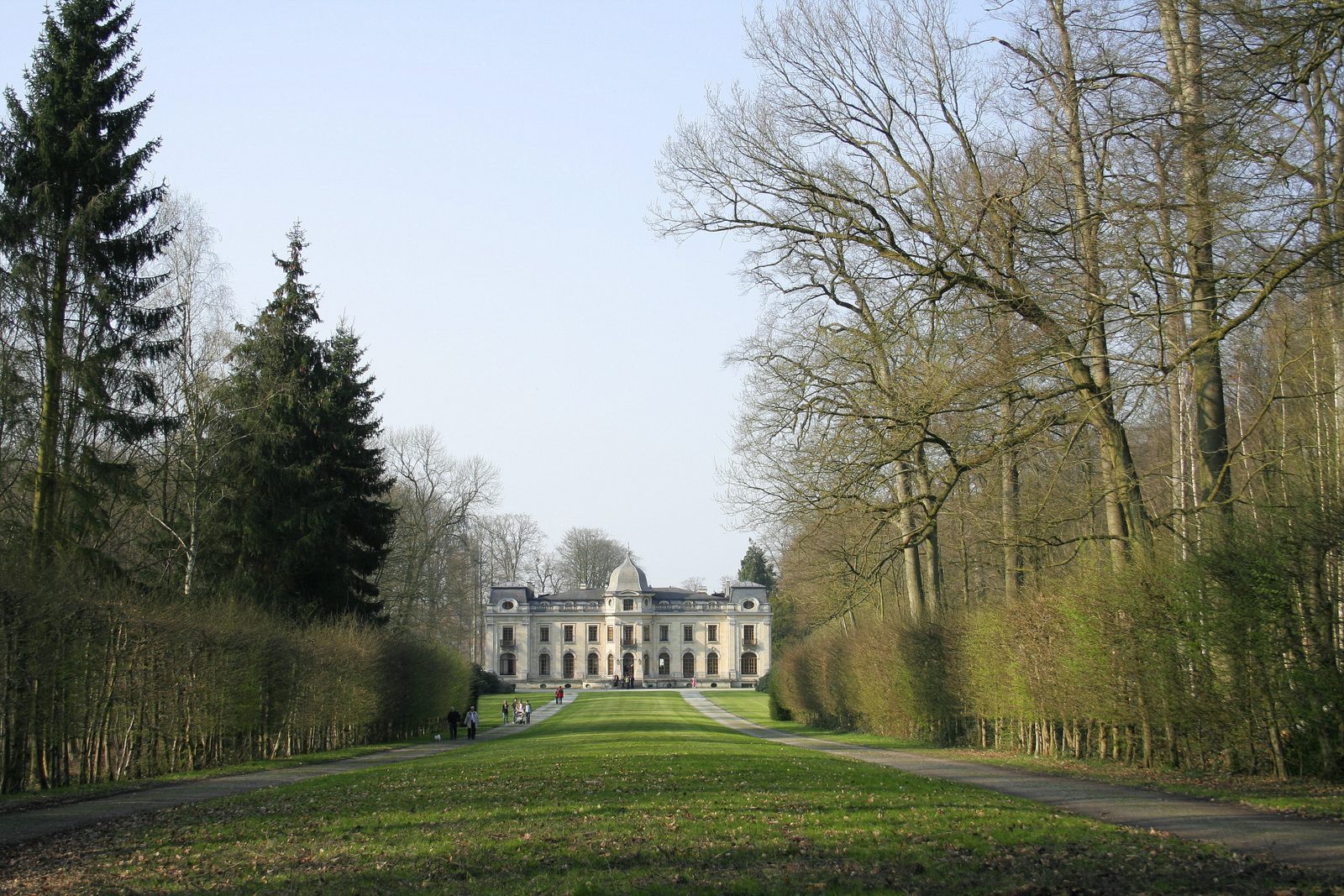
Enghien Castle is the 1913 castle within Enghien Gardens in Belgium, designed by French architect Alexandre Marcel in the Louis XVI style. The estate’s history reaches back to a medieval lordship in Hainaut and includes several changes of ownership and successive castles.
Medieval lordship and dynastic change
Enghien’s territory was first recorded in 956. It formed one of 44 baronies, or territorial lordships, in the County of Hainaut, a medieval county in the Low Countries. The House of Enghien, a hereditary family, held the barony. A castle surrounded by moats probably stood there by the 11th century. Baldwin V of Hainaut had it demolished, and a replacement was built in the early 13th century at the site of today’s park entrance.
After Louis of Enghien died in 1394, the barony passed to his son-in-law, John of Luxembourg-Ligny, and the House of Luxembourg. By 1485, it had passed to the House of France. Count Peter II of Saint-Pol enclosed the adjoining woods for hunting. In 1485, the marriage of his daughter Françoise to Philip of Cleves was celebrated at the castle and on the estate. Through marriage, Enghien passed to the House of Bourbon in the first half of the 16th century.
The Arenberg estate
In 1607, King Henry IV of France sold the lordship to Charles of Arenberg and Anna of Croÿ-Chimay, bringing the estate into the House of Arenberg. The castle was restored and embellished, and the garden was laid out. In the 17th century, the estate’s French garden was regarded as one of Europe’s finest and served as a model for Versailles.
Demolition and rebuilding
During the French occupation and annexation, the castle was plundered. After the Arenbergs regained the estate, its severe state of disrepair led Duke Louis-Engelbert of Arenberg to have it demolished in 1806. A manor house built on the estate in 1786 had burned during its inauguration.
In 1913, Baron François Empain took the estate on a 40-year lease and undertook to build a new castle. The present building was constructed that year on the site of the former castle’s orangery.
Twentieth-century ownership and regional identity
After the First World War, all Arenberg possessions, including the Enghien estate, were placed under sequestration, the legal taking or holding of property by an authority. Empain could not prevent a public sale and bought the estate in 1924 for 3,260,000 francs.
Censuses in 1920, 1930 and 1947 reflected an increase in residents identifying as French-speaking. The Empain family’s alignment with Germany during the Second World War was among the factors associated with this change. When Belgium’s linguistic boundary was set in 1962, Enghien fell within the French-speaking region. In 1986, the city of Enghien acquired the estate and opened the castle for events.
Remains
Enghien Castle stands within Enghien Gardens, in a park covering 182 hectares and containing monumental trees. The present building occupies the site of the earlier castle’s orangery. A chapel tower is the only surviving remnant of the medieval castle.
The estate’s garden was enclosed by walls. The woods adjoining the castle were enclosed as well, providing an area for hunting.