Emir Faours’ Palace: A Golan Summer Residence in Israel
Site at a Glance
- Popularity
- Medium
- Country
- Israel
- Primary era
- Modern
- Eras represented
- Modern
- Civilizations
- Ottoman
- Site type
- Domestic
- Remains
- Elite Residence
On this page6 sections
History
Settlement and palace construction
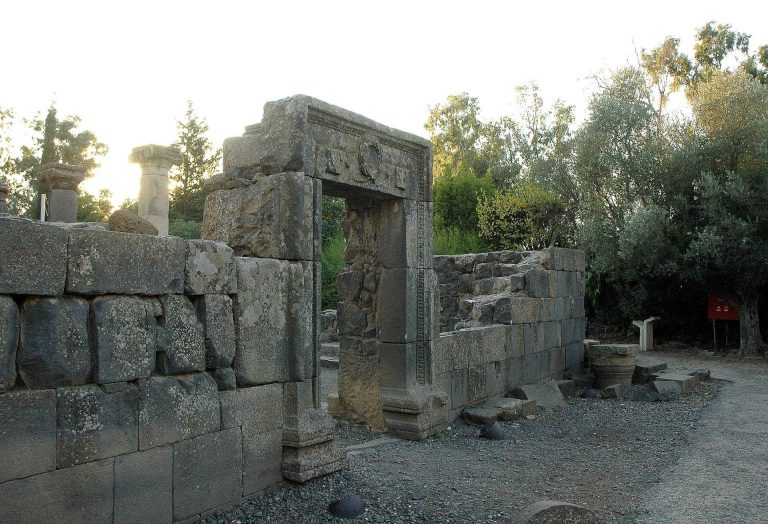
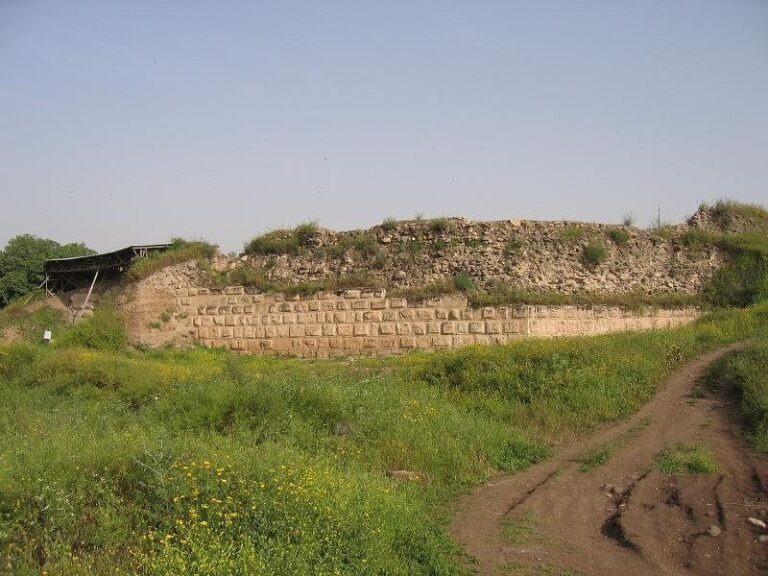
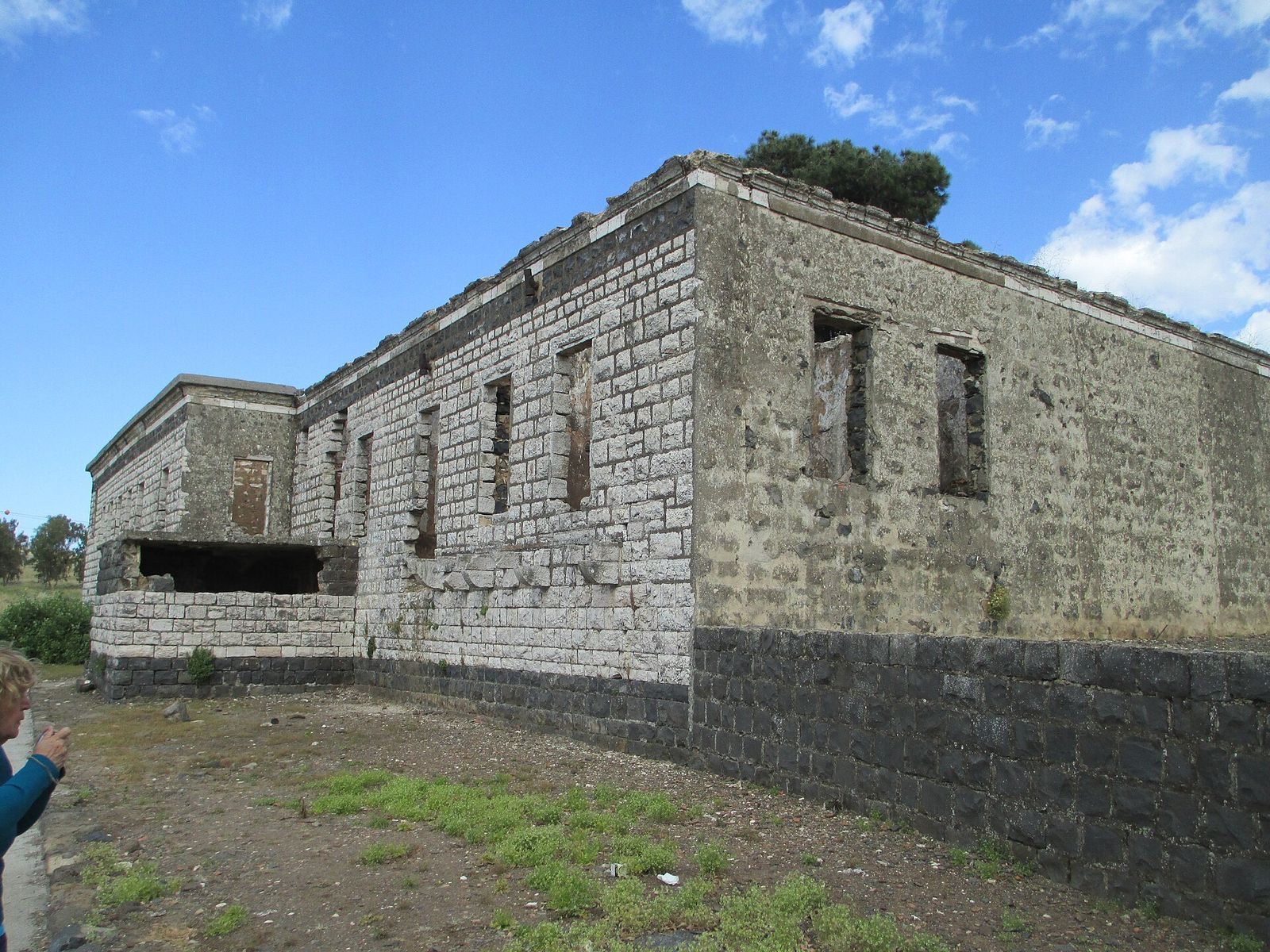
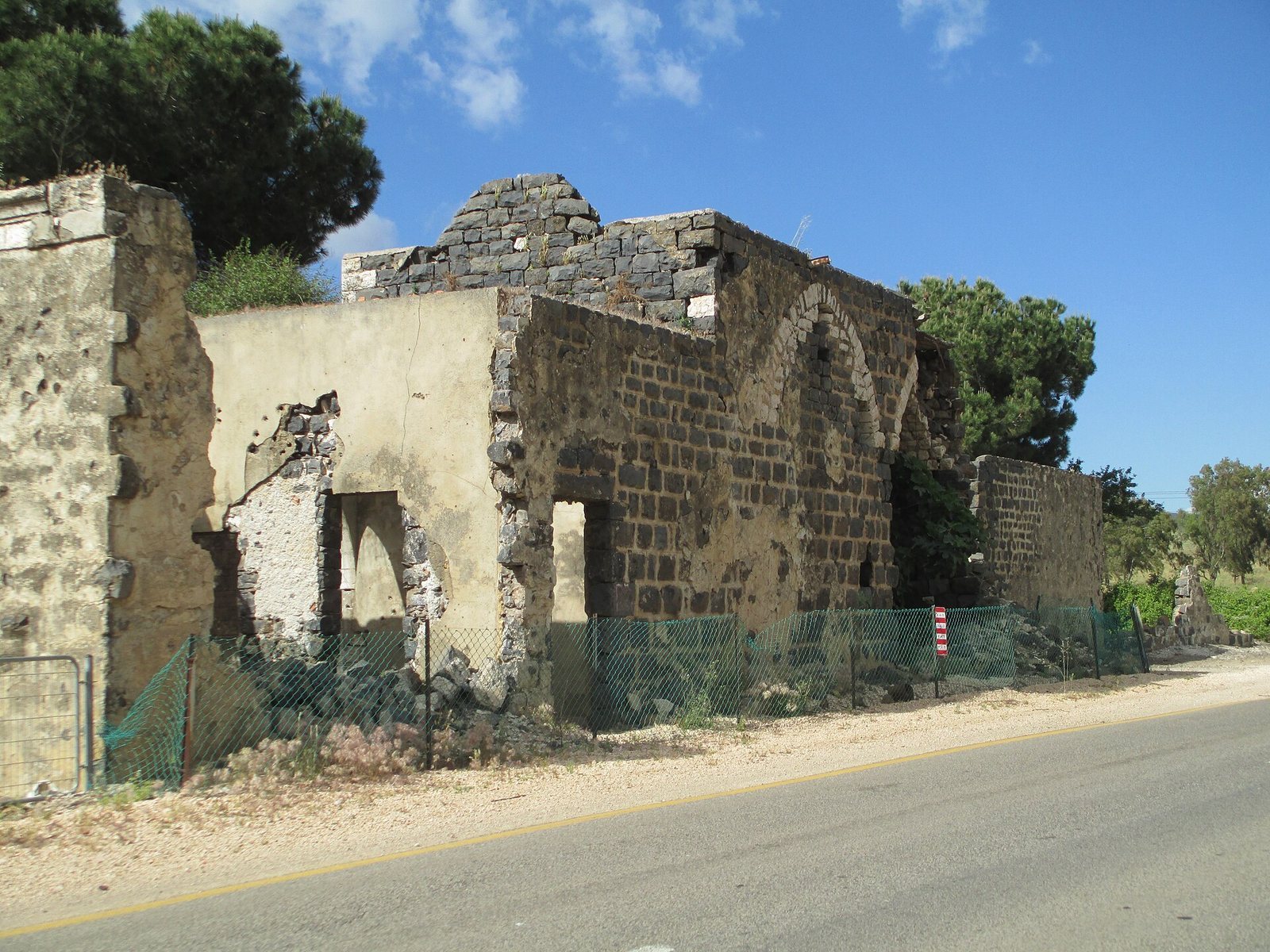
Emir Faours’ Palace is a ruined summer residence at Emir Junction in the Golan, Israel, built by Mahmud al-Faour, leader of the Arab al-Fadl tribe. The title emir was used for rulers and other high-ranking leaders in parts of the Arabic-speaking world. The tribe settled in the Golan and Hula Valley during the nineteenth century. Mahmud established the summer palace at the center of its Golan settlement and built a separate winter palace on the tribe’s extensive land in the Hula Valley.
Land sale and displacement
In 1940, Mahmud’s son sold the land to the Jewish National Fund, an organization established to acquire and develop land for Jewish settlement, after facing financial difficulties. The land was used for the Ussishkin Fortresses settlements of Dan, Dafna, Amir, and Beit Hillel, as well as Nehalim, a religious moshav, or cooperative agricultural community. The Ussishkin Fortresses name referred collectively to settlements, not individual military forts. Nehalim was later evacuated, and Kibbutz Hagoshrim, a communal collective community, was established in its place. During the Six-Day War, the 1967 Arab-Israeli war, the palace area was captured; the entire tribe then fled to Syria.
Remains
Summer palace and grounds
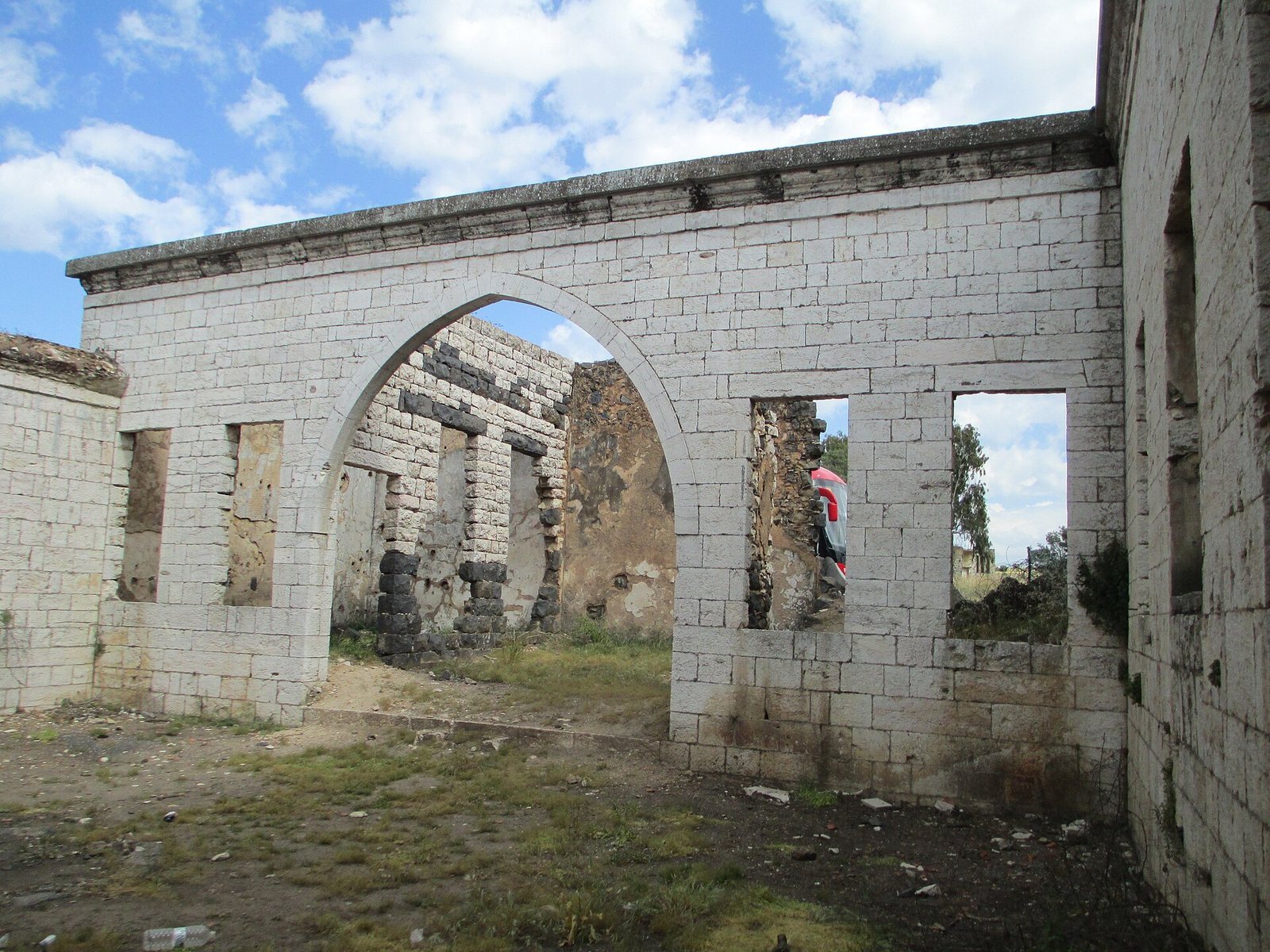
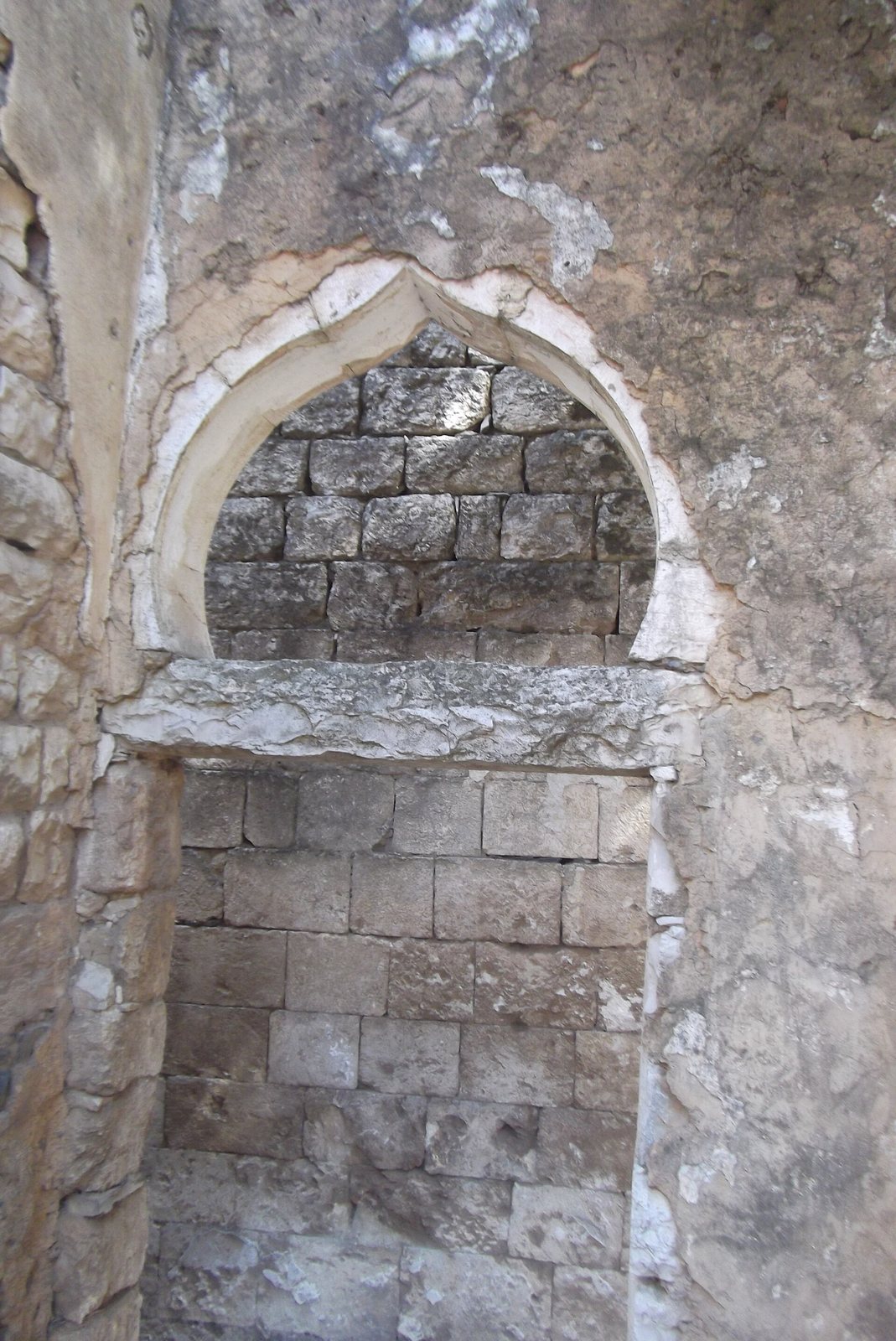
The remains include a large ruined summer palace at Emir Junction, now incorporated into Ravens Park. Its sections served for receiving guests, as the emir’s residence, and as residences for his wives. A small wading pool survives from the palace garden, and a basalt sculpture garden is adjacent to the building.
Winter palace
The separate winter palace stands in the Hula Valley and is now incorporated into the dining room of the Hagoshrim hotel.