Église Saint-Girons: Monein’s Gothic Catholic Church
Site at a Glance
- Rating
- 4.6
- Popularity
- Medium
- Country
- France
- Primary era
- Medieval
- Eras represented
- Medieval, Early Modern
- Civilizations
- Unclassified
- Site type
- Religious
- Remains
- Church
On this page6 sections
History
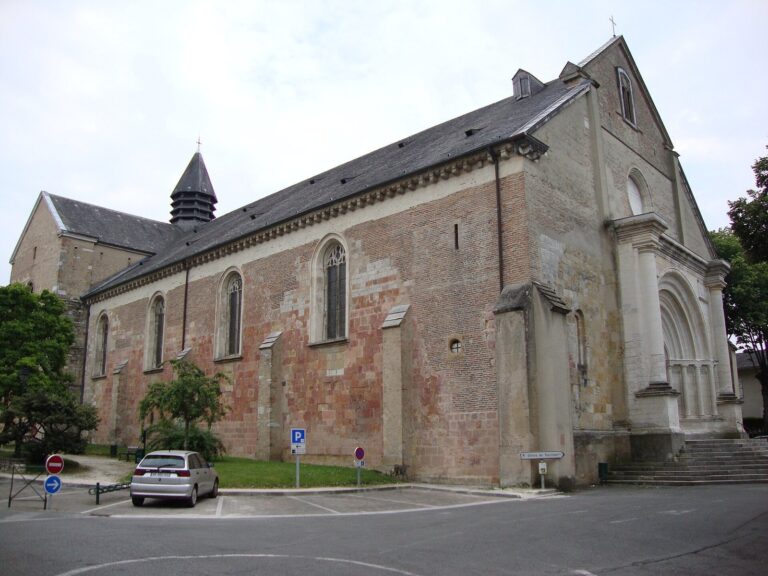
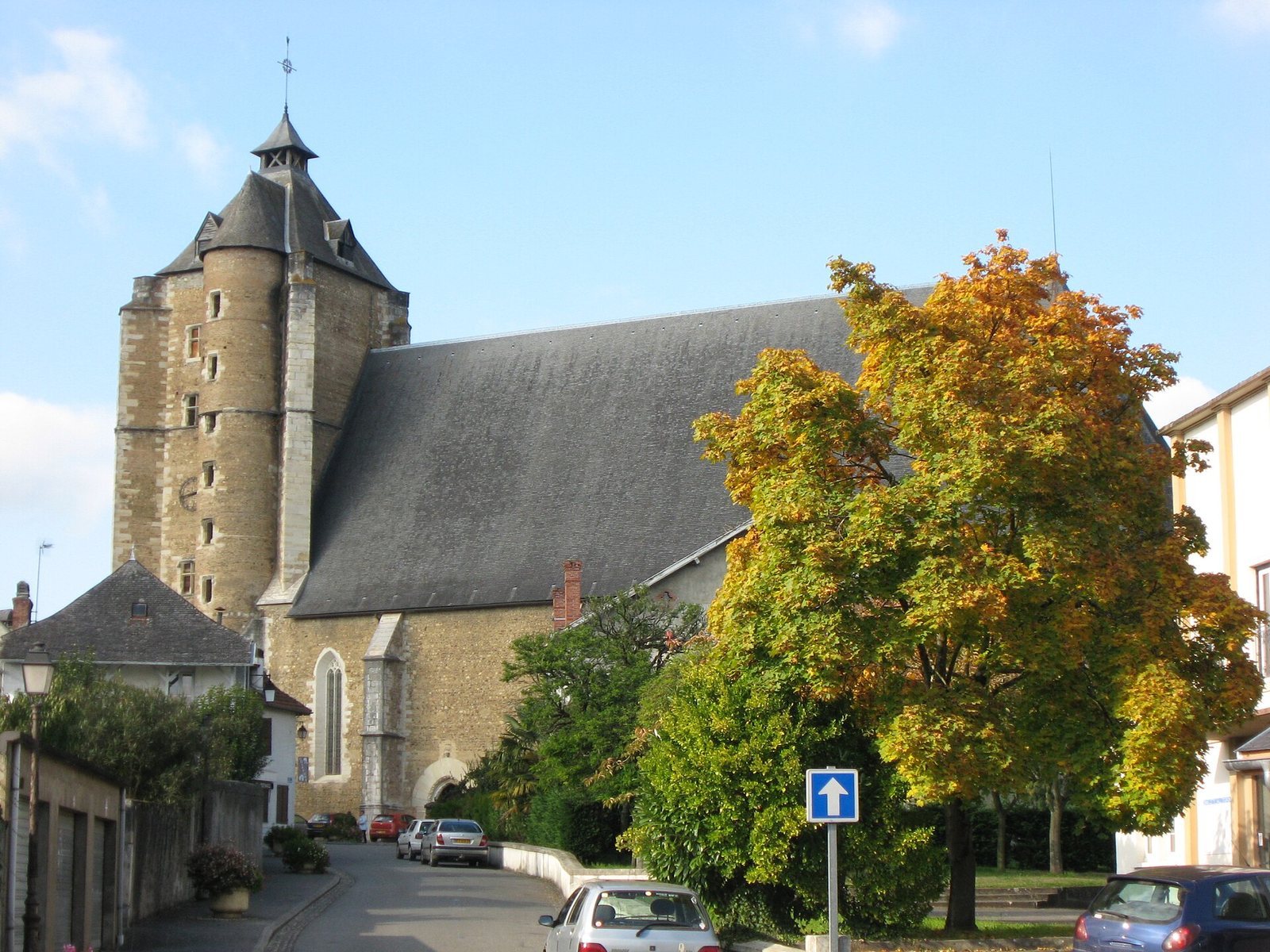
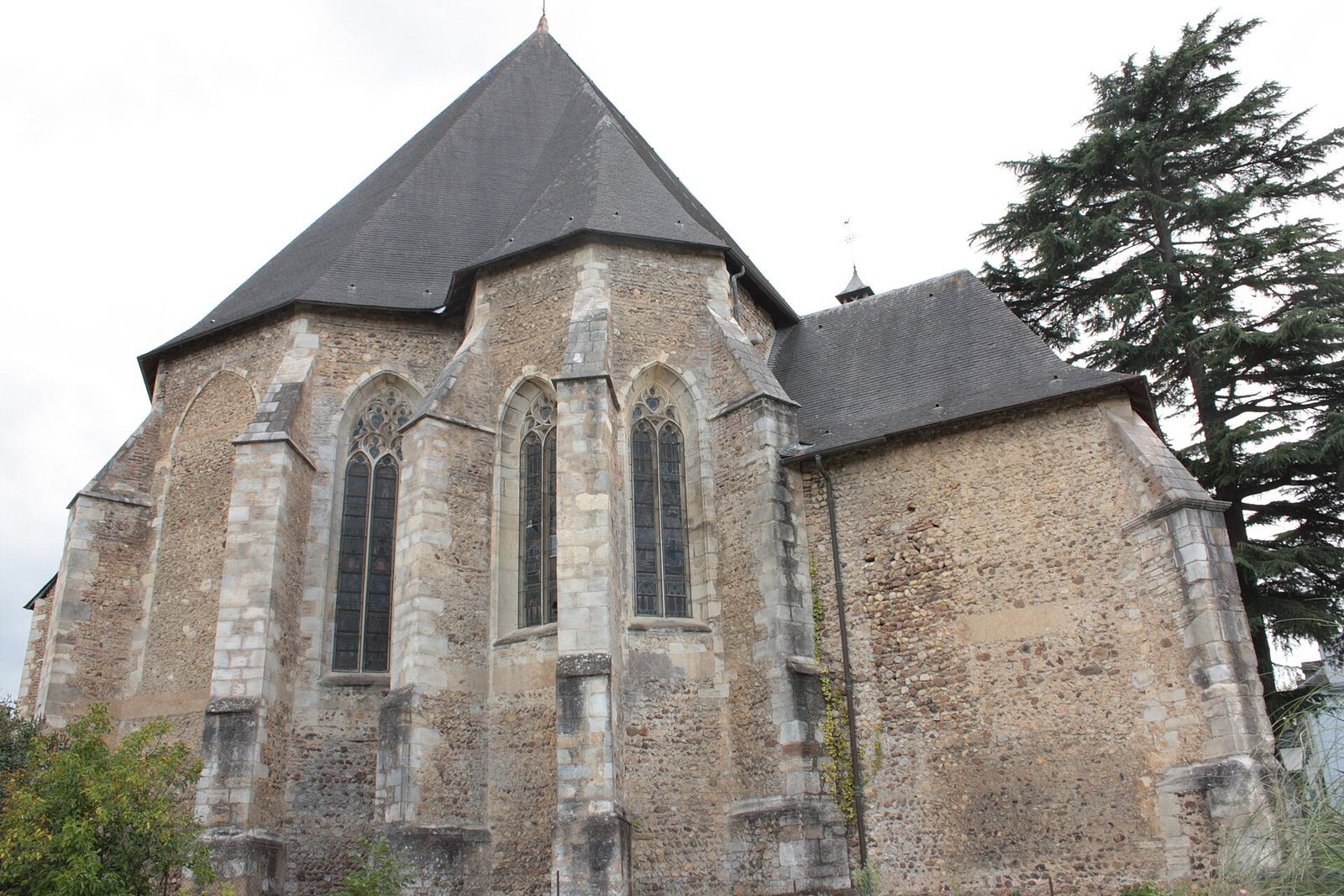
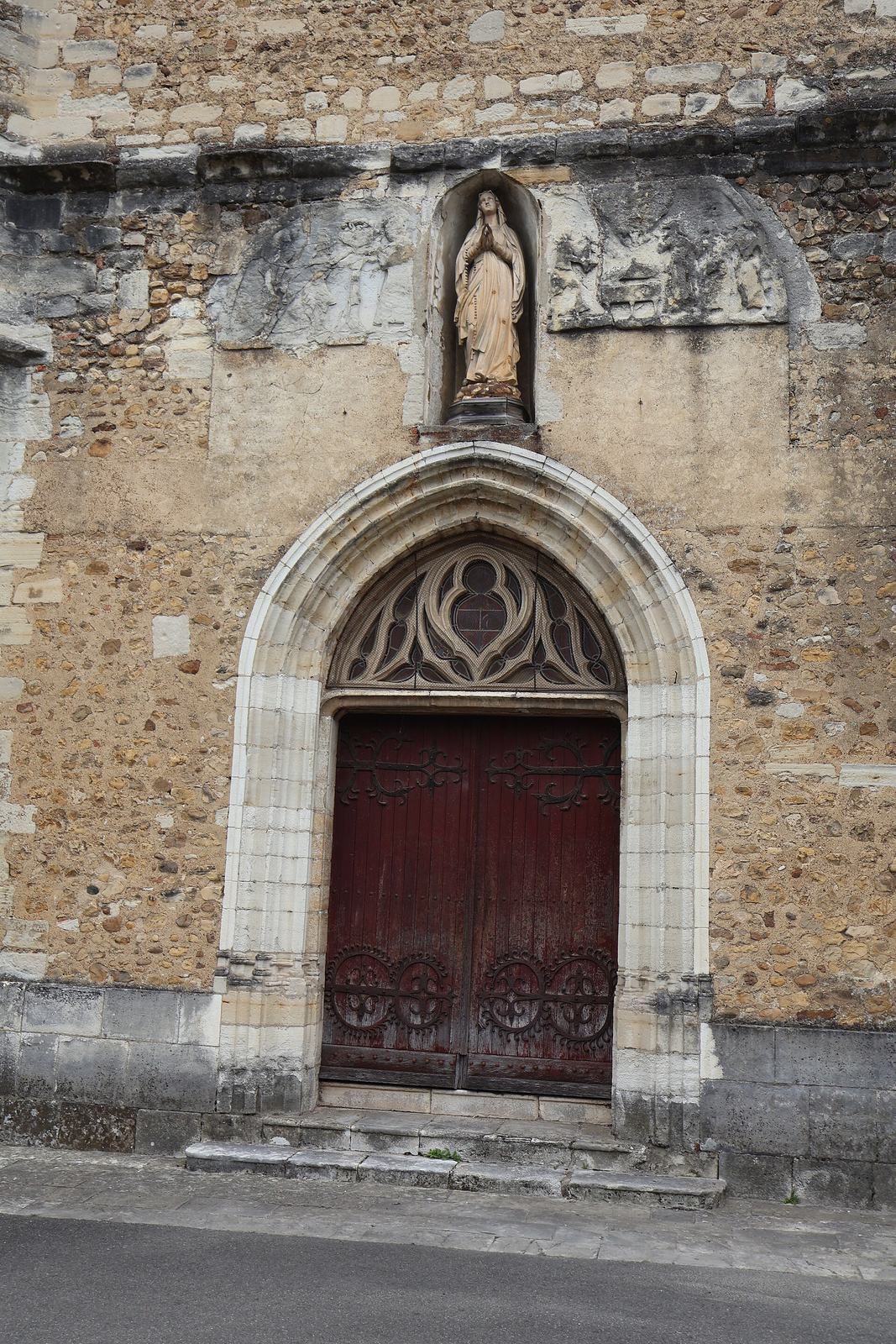
Église Saint-Girons is a Gothic church in Monein, France, begun in 1464 and completed in 1530 to serve a growing community. It replaced the town’s earlier Romanesque Church of Saint Peter, which had become too small.
Construction and community
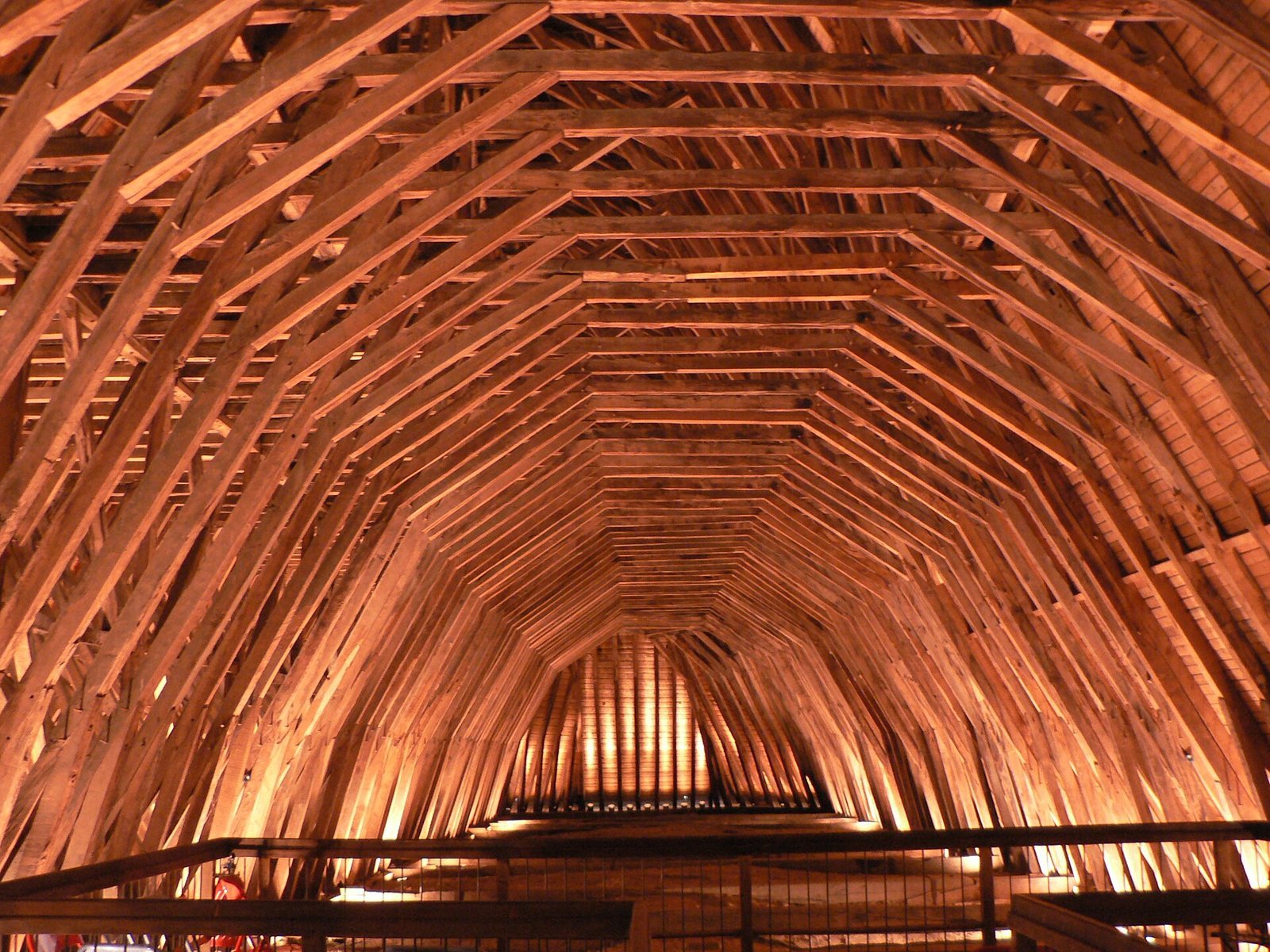
Monein’s population grew from about 2,300 in 1385 to more than 5,000 by the sixteenth century, when the town counted roughly 850 taxable households. It was wealthier than Orthez and Oloron combined, and its commune then also included Cuqueron and Cardesse. Residents funded the new church through special taxes and contributed labor. It rose beside a lay abbey, a religious institution whose rights or revenues could be held by laypeople; that abbey has since disappeared. From 1464, members of the marginalized group known as the Cagots were assigned work on the church’s timber framework. Monein’s religious life also included nine confraternities, or religious associations, and sixteen priests.
Religious change and preservation
During the French Wars of Religion, a period of conflict between Catholics and Protestants, Jeanne d’Albret, Queen of Navarre, changed the church from Catholic to Protestant worship. Its Catholic furnishings, images, and symbols were removed. Faced with opposition from a largely Catholic population, she threatened to demolish the building, but it survived. Catholic worship returned under the Edict of Incorporation of Béarn, promulgated by Louis XIII, which brought Béarn under the French crown. The church is now Roman Catholic, belongs to the Diocese of Bayonne, and is dedicated to Saint Girons of Hagetmau, traditionally regarded as a Christian missionary associated with the evangelization of Gascony.
France classified the church as a historic monument on 7 August 1913. Restoration work took place from the late twentieth century into the early twenty-first century.
Remains
Gothic building and timber framework
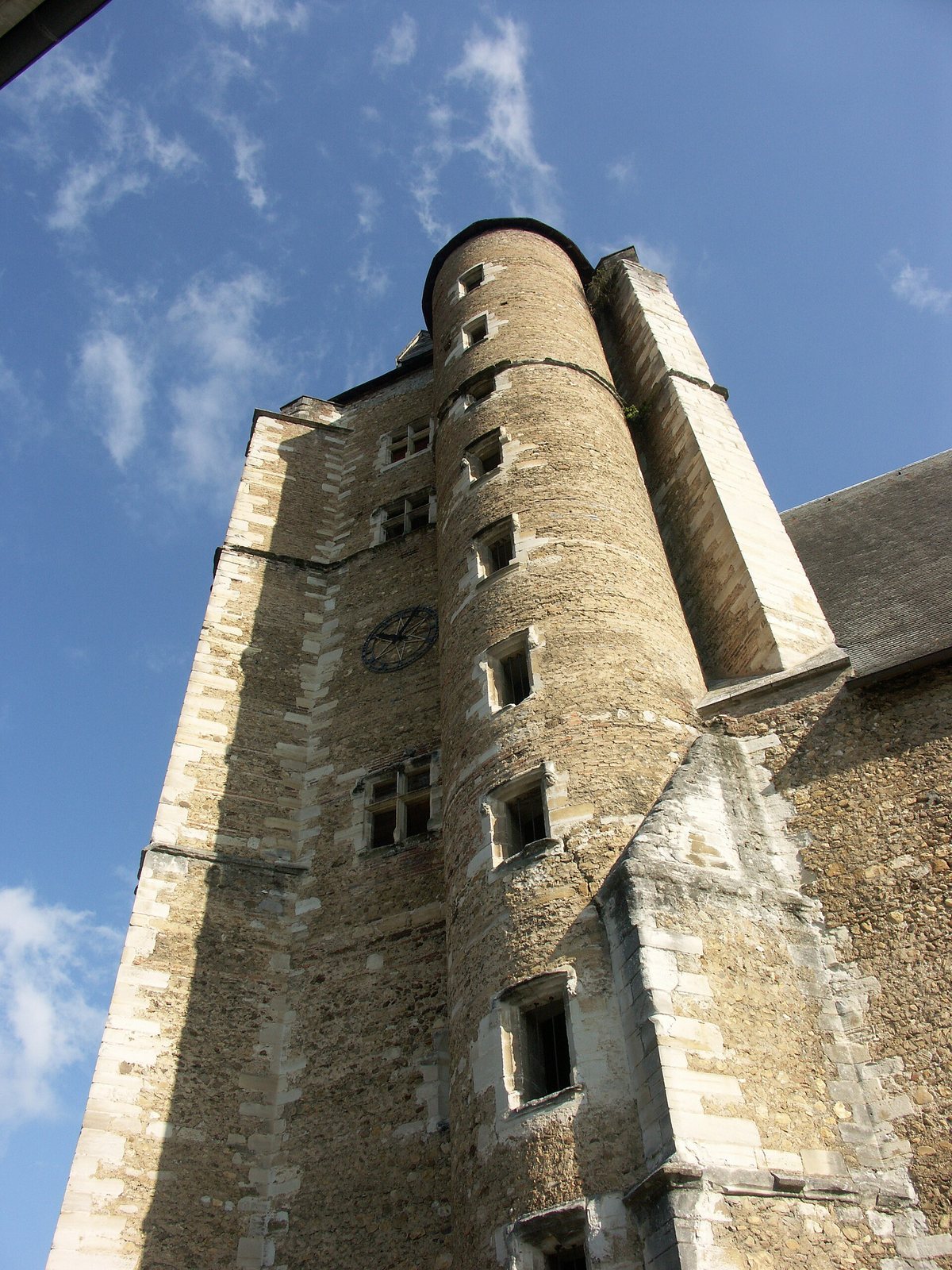
The church is about 61 metres long, 16 metres wide, and 31 metres high. It is described as the largest Gothic church in Béarn, exceeding the cathedrals at Lescar and Oloron-Sainte-Marie. Its distinctive framework is made from oak heartwood and shaped like two inverted ship hulls.
Furnishings and organ
The interior retains Baroque furnishings, a later European style known for elaborate forms, including a large altarpiece. Its organs date to the seventeenth century and belong to the Toulouse school, a regional tradition of organ building associated with Toulouse.