Ducal Palace of Nevers: A Renaissance Residence and Civic Landmark in France

Site at a Glance
- Rating
- 4.4
- Popularity
- Medium
- Country
- France
- Primary era
- Medieval
- Eras represented
- Medieval, Modern
- Civilizations
- French
- Site type
- Domestic
- Remains
- Castle
On this page11 sections
History
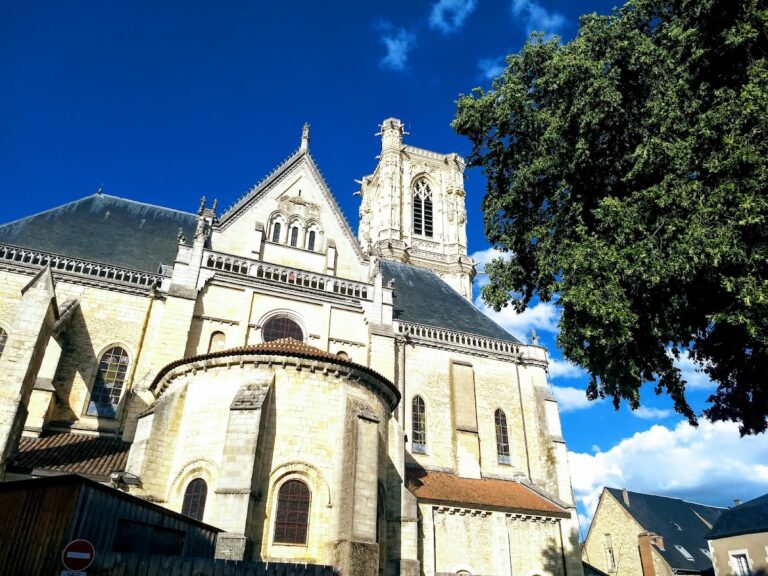
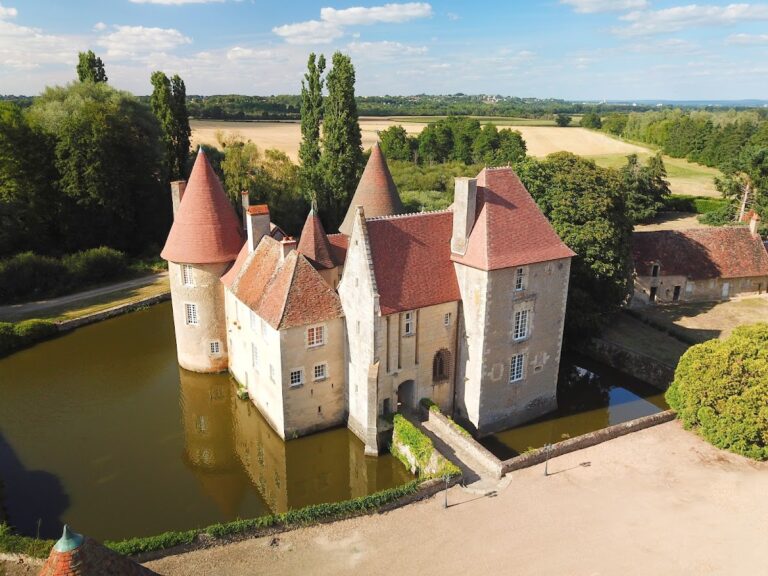
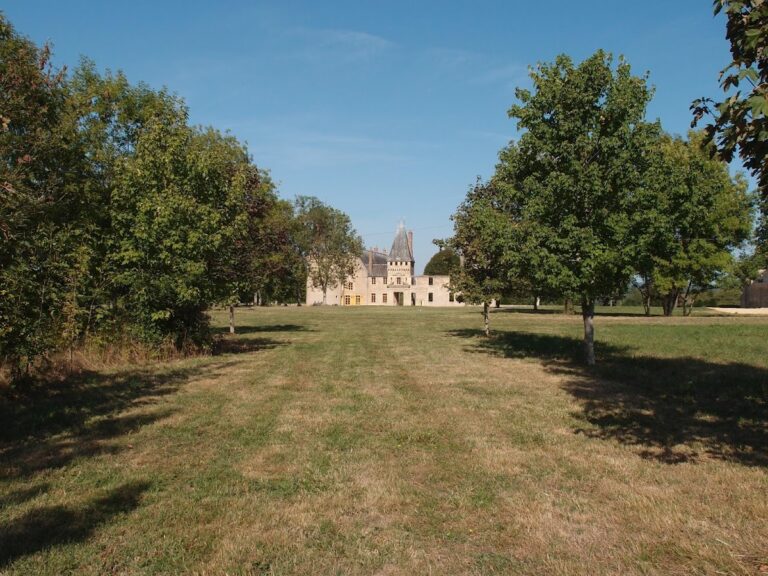
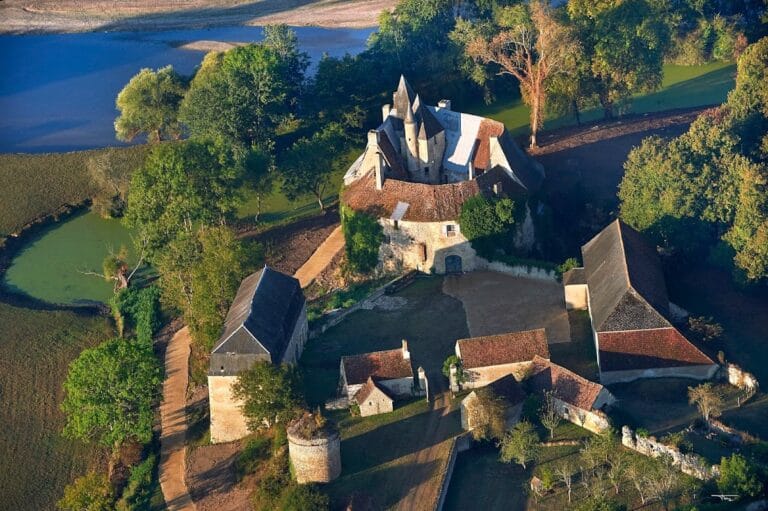
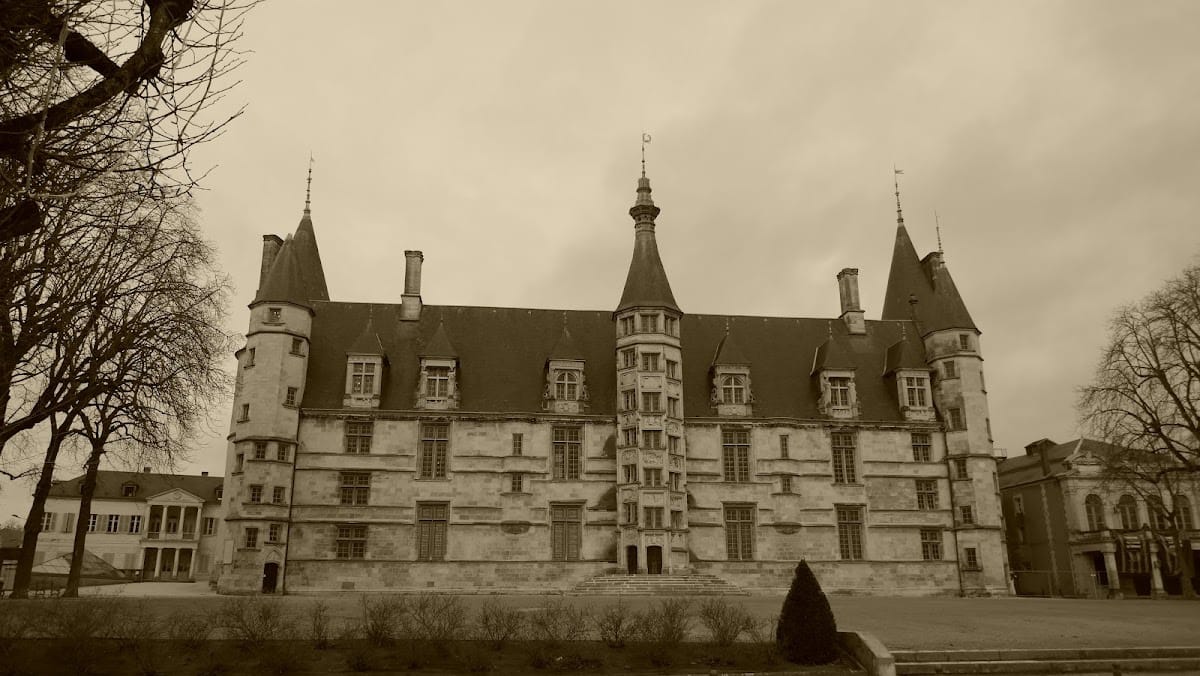
The Ducal Palace of Nevers is a fifteenth- and sixteenth-century castle in Nevers, France, built as the residence of the Counts of Nevers and later the Dukes of Nevers. With its Renaissance architecture and Louis XII-style façade, it is regarded as the first of the Loire castles.
Construction and ducal residence
Jean de Clamecy, the fifteenth-century Count of Nevers, commissioned the palace on the site of an earlier fortress. The building became the residence of the ruling counts before serving the Dukes of Nevers. During the sixteenth century, the princely Clèves family reconstructed and remodelled the palace, giving it much of its Renaissance character and adding the central turret with its grand staircase of honour.
Sale and judicial transformation
In 1810, Madame de Cossé-Brissac, heir to the last Duke of Nevers, sold the palace and its dependencies to the city and department. From 1810 to 1850, the building was divided between the municipal administration and the court of justice. When the municipality moved to a new town hall in 1850, the court took over the entire palace.
The court’s occupation brought a radical reorganization of the interior. The original room arrangement was replaced with a more functional plan, while new decoration was introduced and the façade was substantially altered. Later restoration brought the exterior closer to its earlier appearance and added sculptures designed by François Jouffroy, a nineteenth-century French sculptor.
Restoration and civic use
In the late 1970s, Nevers proposed moving the court to the former episcopal palace so that the Ducal Palace could be recovered and restored. The resulting programme retained the nineteenth-century interior distribution but added a monumental staircase at the western end and a lateral entrance. Contemporary materials were combined with earlier decorative elements.
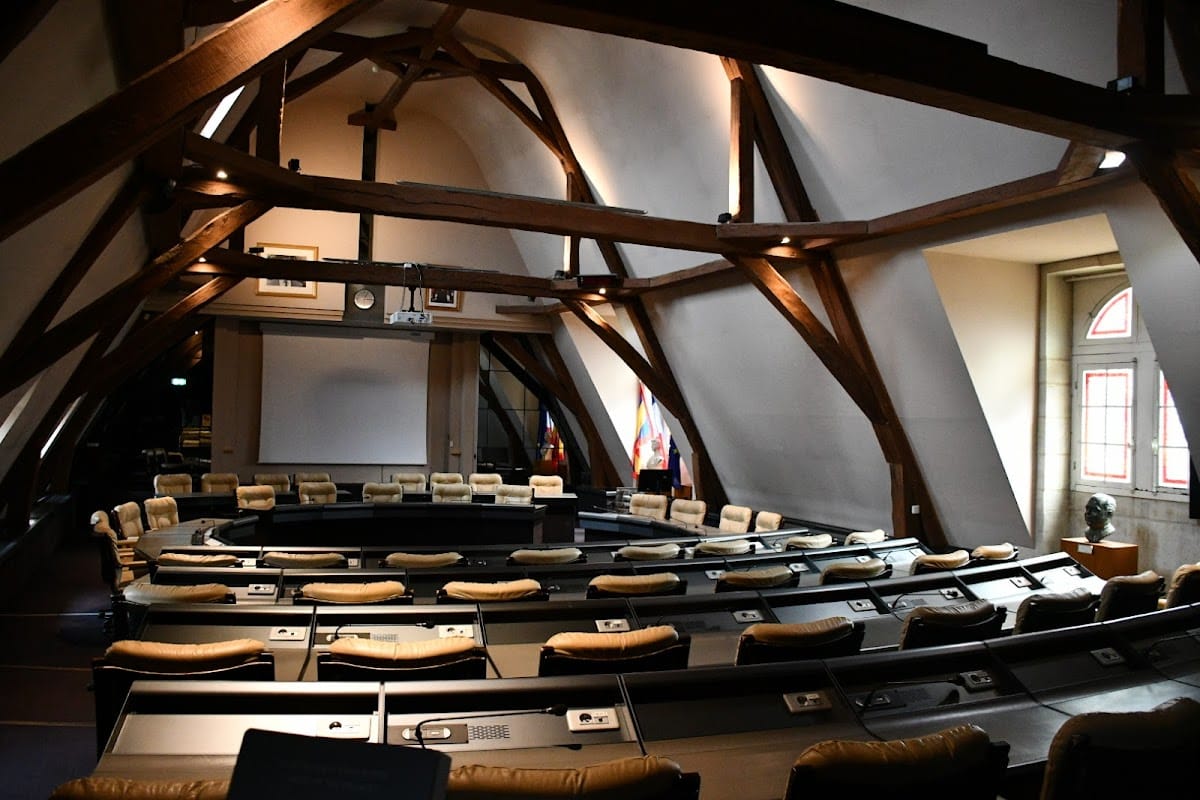
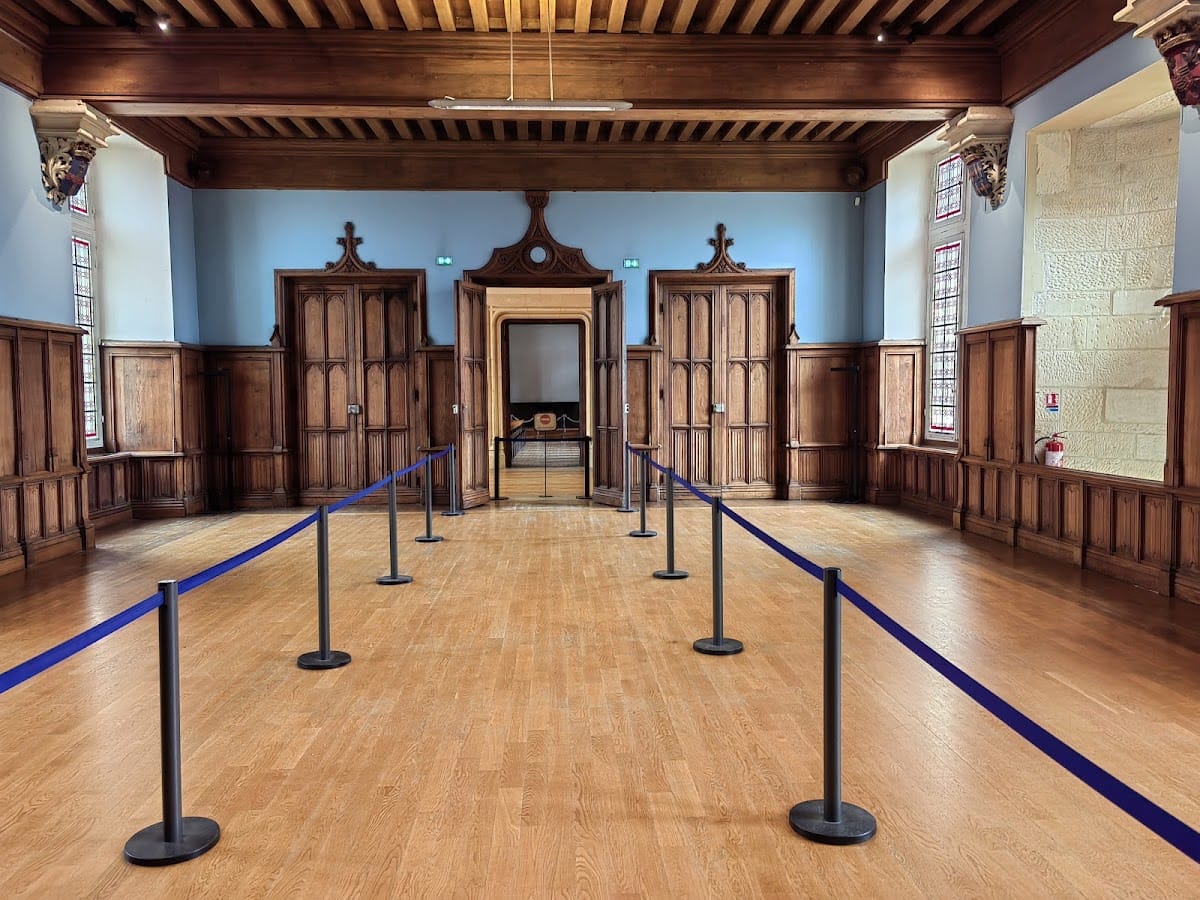
Restoration was carried out during the 1980s on the orders of Pierre Bérégovoy. The palace now houses Nevers town hall, including the mayor’s office and council chamber, together with exhibition and reception rooms and a permanent presentation of the city’s history and distinctive features. Archaeological excavations during the restoration, principally in 1988, recovered numerous artillery pieces. The palace has been protected as a French historic monument since its inclusion on the 1840 list.
The building also became the setting for a national act of remembrance on 4 May 1993, when President François Mitterrand delivered Pierre Bérégovoy’s funeral oration in front of the palace. Bérégovoy, a French statesman and former Prime Minister, had died by suicide on 1 May.
Remains
The palace stands on the hill above the centre of Nevers’s old town. Its broad Renaissance façade faces the Place de la République and an extensive park, while a long, tree-lined esplanade extends toward the banks of the Loire, which the building overlooks. Polygonal turrets frame the façade, whose ochre colouring is balanced against its slate roofs.
Exterior and principal structures
Rear towers
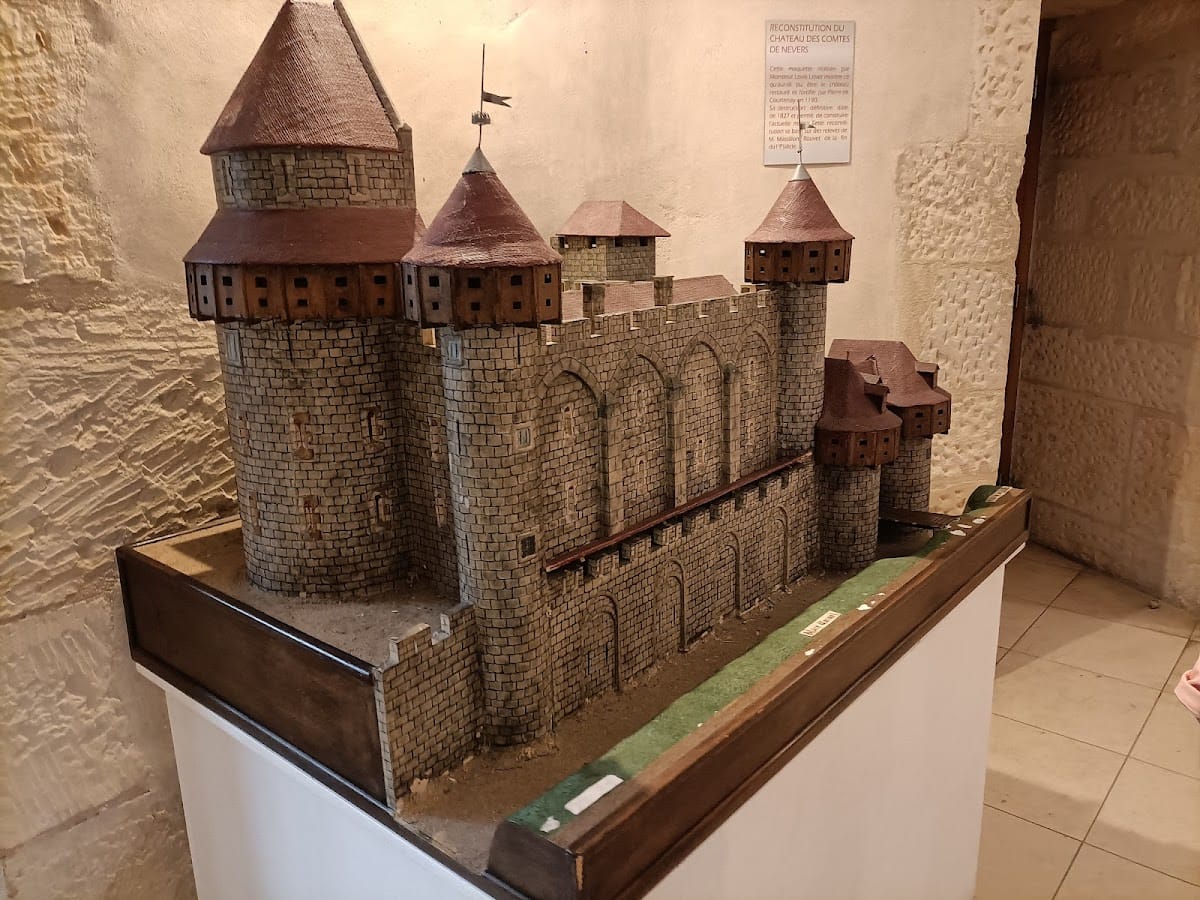
The two large towers at the rear are the oldest surviving parts of the palace. They date from the fifteenth century and preserve the connection between the later residence and the earlier fortress site.
Renaissance façade and staircase turret
The façade is described as being in the Louis XII style. At its centre, the sixteenth-century turret built during the Clèves reconstruction contains the grand staircase of honour. The exterior was later restored toward its earlier appearance, with sculptures by François Jouffroy forming part of the nineteenth-century renewal.
Interior and archaeological features
Staircase and civic interiors
The restoration programme inserted a monumental staircase at the western end, replacing apartments, and created a lateral entrance. These additions use contemporary materials alongside surviving earlier decoration. The basement contains a permanent exhibition presenting Nevers’s past and contemporary life through modern museum displays, including an animated statue of Louis IV of Gonzaga-Nevers, the sixteenth-century Duke of Nevers and a member of the Gonzaga family.
Artillery finds
Excavations associated with the restoration recovered numerous artillery pieces. Among them was a fourteenth-century powder-chamber veuglaire, a small late-medieval breech-loading gun, which is considered unique in France. The piece is held at the Nevers municipal archaeological repository.