Dubnica Monastery: A Serbian Orthodox Monastery in Božetići
Site at a Glance
- Rating
- 4.8
- Popularity
- Medium
- Country
- Serbia
- Primary era
- Medieval
- Eras represented
- Medieval
- Civilizations
- Serbian, Serbian Despotate
- Site type
- Religious
- Remains
- Monastery
On this page8 sections
History
Medieval rebuilding
Dubnica Monastery is a Serbian Orthodox monastery in Božetići, Serbia, rebuilt in the first decades of the 15th century on the foundations of an earlier building. It belongs to the Eparchy of Mileševa, an Eastern Orthodox diocese. Local tradition associates the site with ancient monastic foundations linked to the Nemanjić dynasty, a medieval Serbian ruling house, and says the Rašković family later rebuilt the monastery because it too claimed descent from that dynasty.
Seventeenth-century prosperity and migration traditions
The monastery reached its greatest prosperity in the mid-17th century under Gavrilo Rajić-Rašković. He held the metropolitan see of Raška, a senior bishop’s office, and later became patriarch of Peć, the historic patriarchal seat of the Serbian Orthodox Church.
Local tradition places Serbian Orthodox patriarch Arsenije Crnojević at Dubnica during the winter before the Great Migration, the late-17th-century Serbian migration. It says that in spring 1690 he crossed the Sava and Danube with people and clergy. Many people from Old Vlah and Polimlje, regions in southwestern Serbia and along the Lim River, also migrated under Rašković princes. The tradition says Ottoman forces burned the monastery in response.
Worship under Ottoman rule
During Ottoman rule, people met secretly at the monastery for baptisms and weddings. They lit candles for the living and the dead, and prayed for soldiers to return, for the conquerors to be expelled, for children to be born, and for forgiveness of sins.
Restoration and continuing use
After research and conservation work, restoration began in September 2003 and was completed in 2007. On 4 August, Bishop Filaret and clergy and monks of the Eparchy of Mileševa consecrated the church. Since December 2017, retired Bishop Filaret of Mileševa has lived at the monastery. Serbia lists Dubnica as a protected cultural monument.
Remains
Church and setting
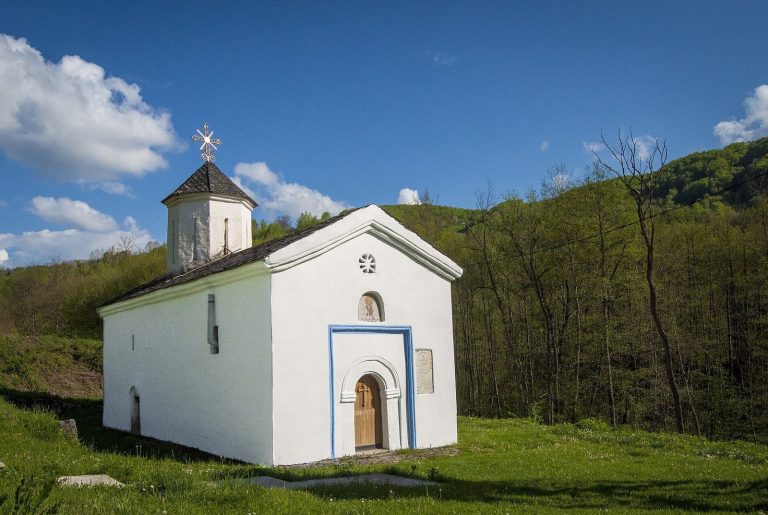
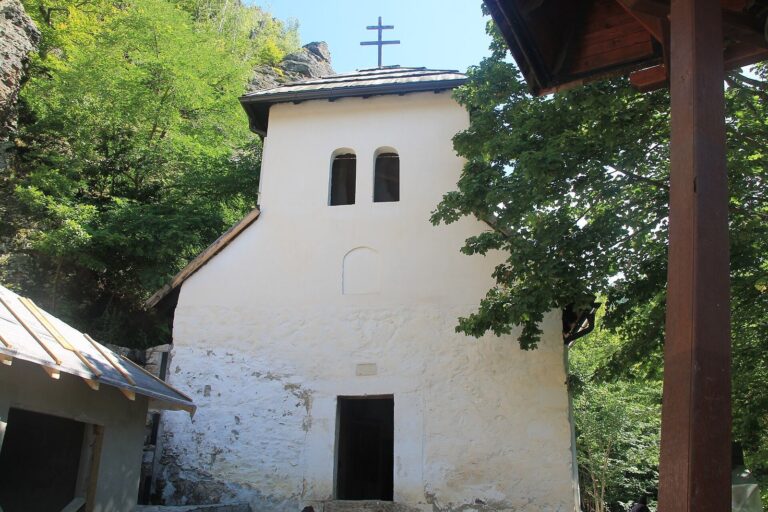
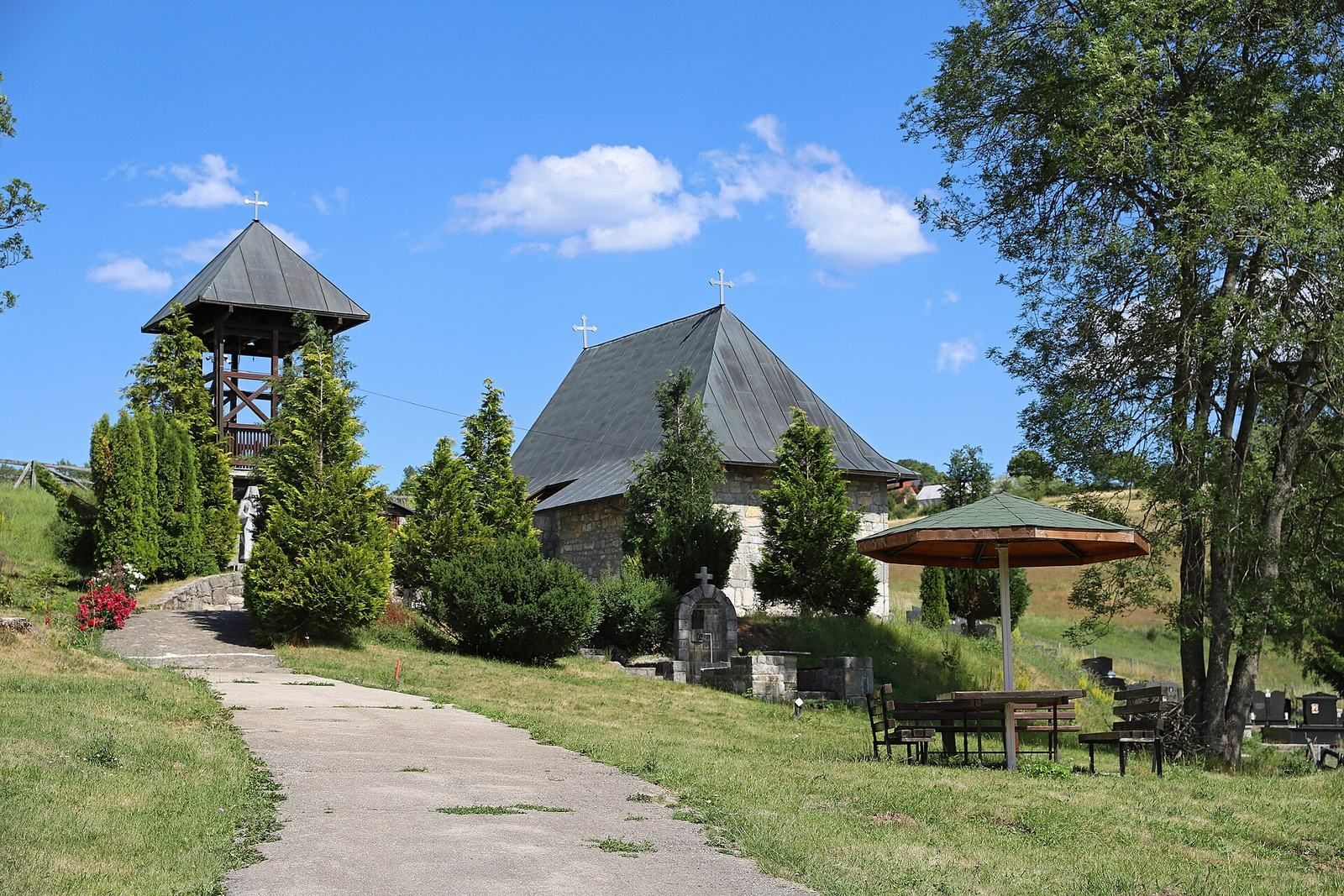
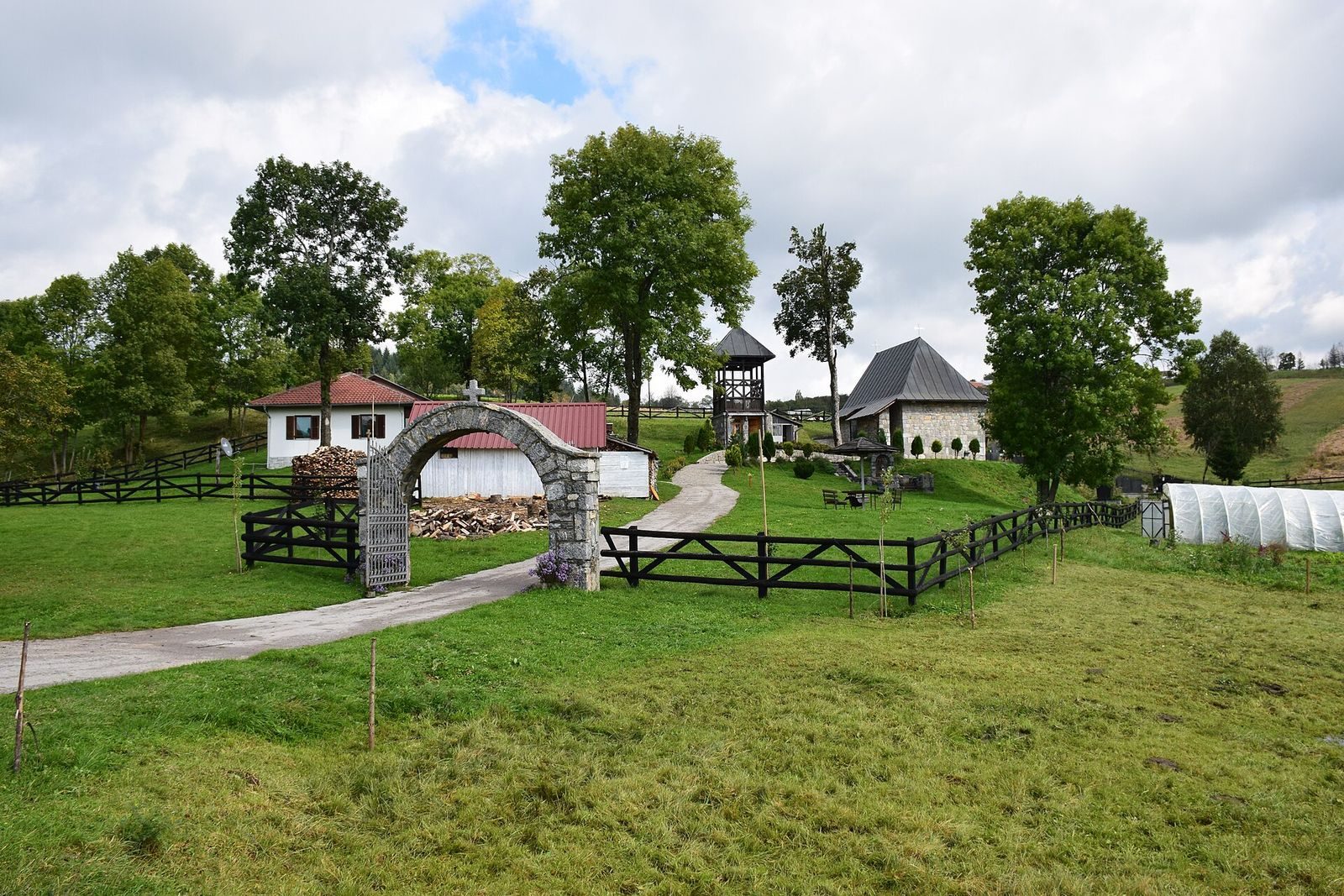
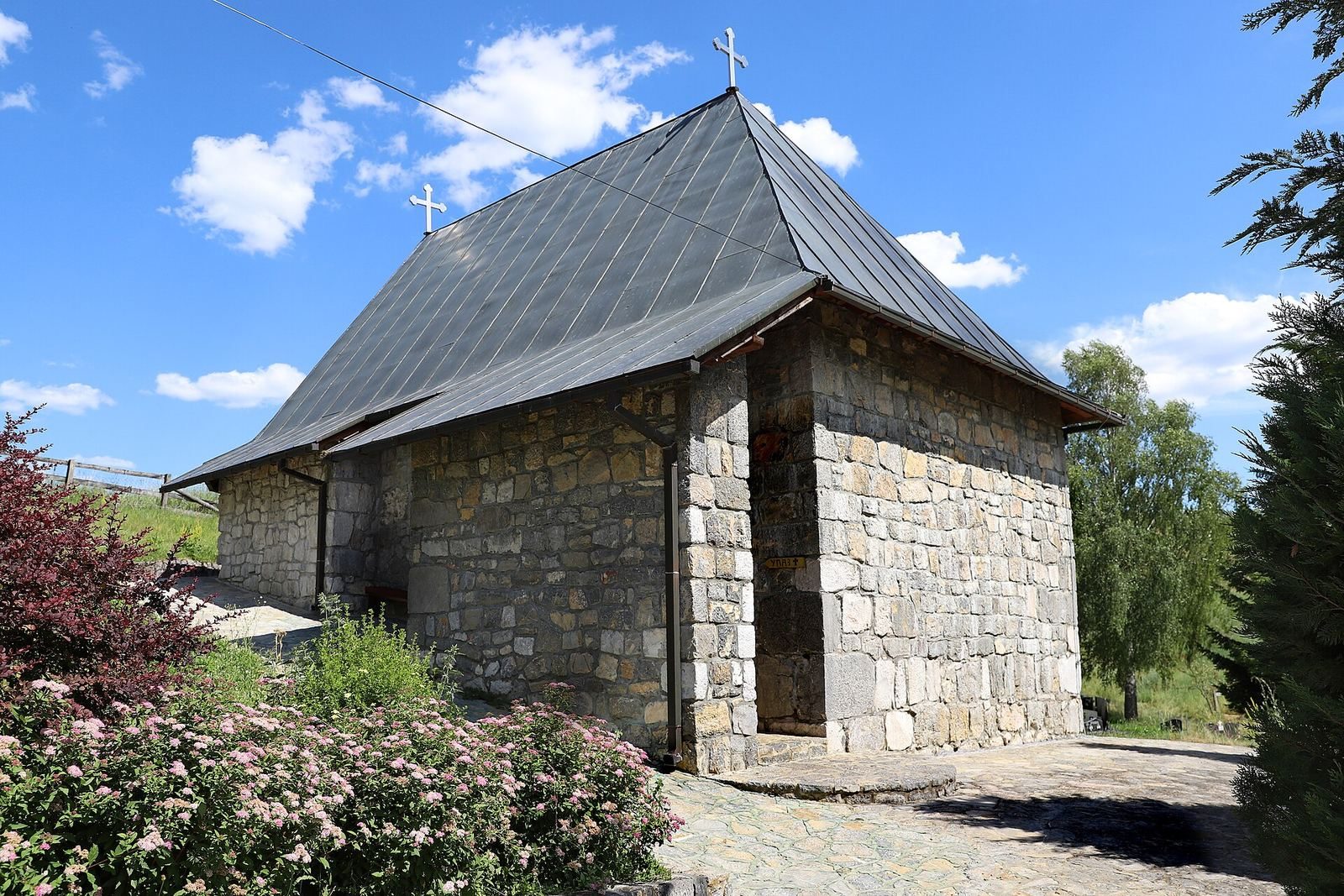
Dubnica lies on the slopes of Javor, between the Javor and Zlatar mountains, a few kilometres from Sjenica Lake and beside the Nova Varoš–Ivanjica road. The reconstructed church, dedicated to the Holy Trinity, stands on the foundations of the earlier demolished church. Built of stone and tufa, it has a roof covered with copper sheet. A faded fresco, a painting on plaster, survives on a doorjamb at the portal into the nave, the main body of the church. Three of its four numeral characters remain and indicate the date 1422, linking the church’s construction and painting to that year.
Interior and monastic grounds
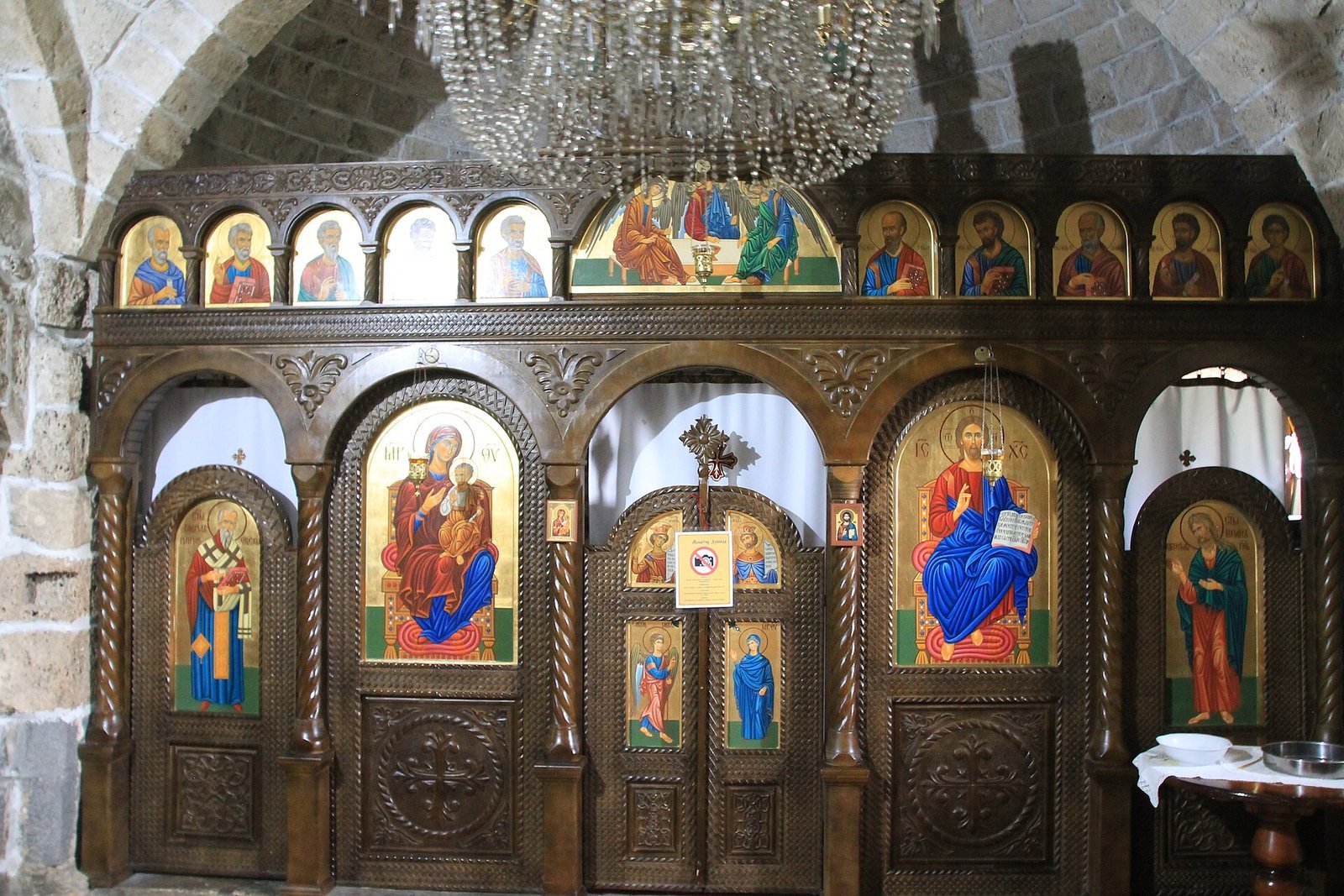
The church’s iconostasis, a screen of icons separating the sanctuary from the church interior, was carved by Miroslav Trbusić of Kragujevac. Ivan Kovalčik Mileševac of Novi Sad painted the icons and is also credited with painting the screen. The local population donated the icons. The monastery grounds also include a wooden bell tower, a masonry fountain, a gate, and a wooden residence for monks.