Dovolja Monastery: A Serbian Orthodox Monastery in Montenegro
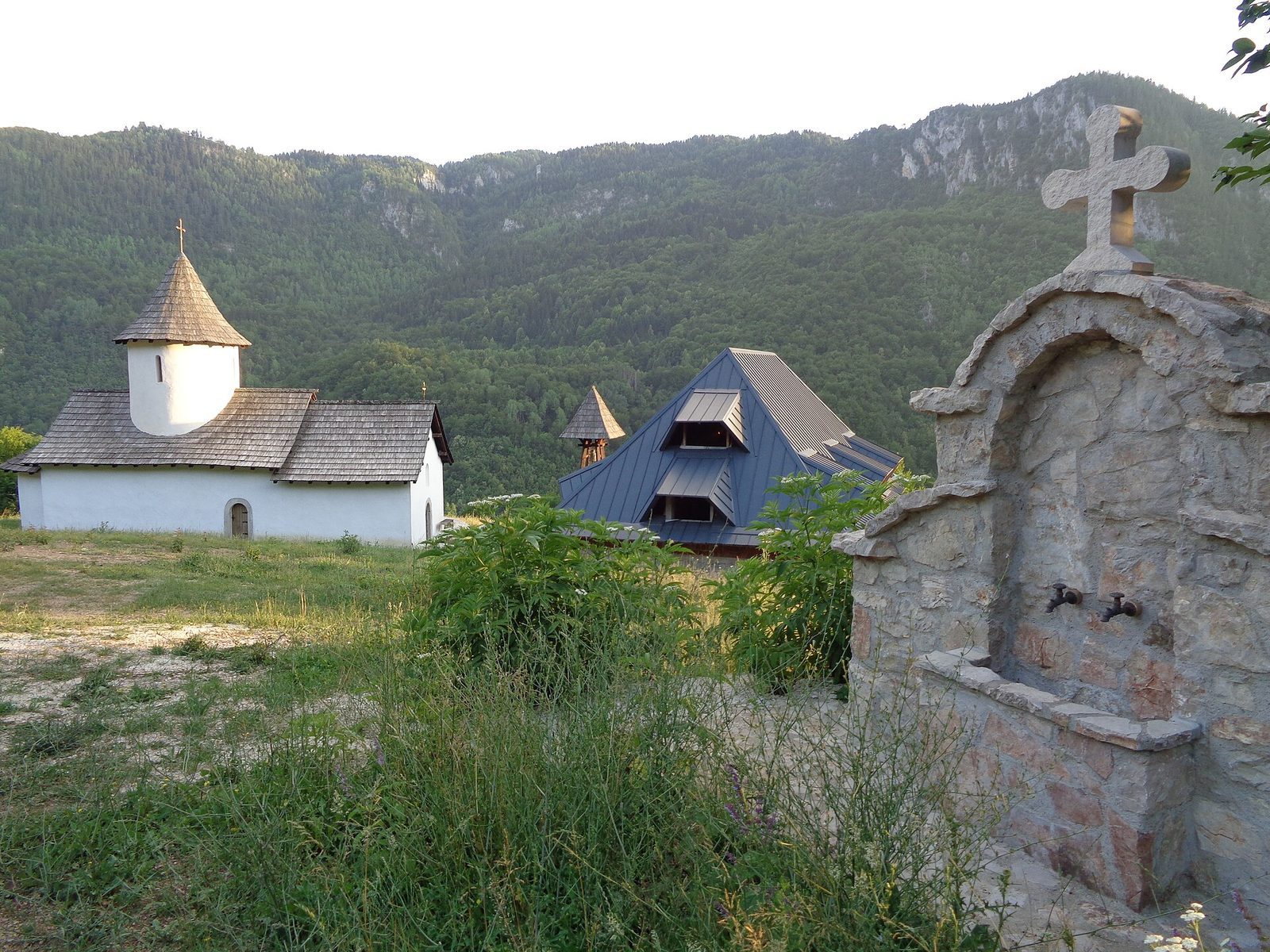
Site at a Glance
- Popularity
- Medium
- Country
- Montenegro
- Primary era
- Medieval
- Eras represented
- Medieval
- Civilizations
- Serbian
- Site type
- Religious
- Remains
- Monastery
On this page6 sections
History
Dovolja Monastery is a Serbian Orthodox religious complex near Premćani in Montenegro. It follows the Byzantine Rite of Orthodox worship and is dedicated to the Dormition, the Christian feast commemorating the death of the Virgin Mary. Its church belongs to the Raška school, a medieval Serbian architectural tradition associated especially with church buildings. Some scholars attribute its foundation in the late 13th century to King Stefan Milutin. The earliest known historical reference is from 1513, when Metropolitan Jovan, a senior Orthodox bishop, exempted the monastery from all dues. The monastery became a pilgrimage destination for Orthodox Christians and sick Muslims because it held the relics of Saint Arsenius of Srem, who succeeded Saint Sava as head of the Serbian Orthodox Church.
Foundation and early religious history
The monastery is mentioned repeatedly in the 16th and 17th centuries in connection with repairs. A restoration took place in 1545. Arsenije III Čarnojević, the Serbian Orthodox patriarch associated with the migration of 1690, was tonsured at Dovolja, a ritual marking entry into monastic life.
Local tradition says that a monk from Dovolja stole the relics of Saint Arsenius from the Peć Patriarchate, the historic seat of the Serbian Orthodox patriarchs. Turks and Tosk Albanians, one of the major regional groupings of Albanians, repeatedly tried to destroy the monastery and burn the relics. Disputes over their possession also led to bloodshed among Montenegrin tribes. The relics were transferred to Dobrilovina Monastery sometime after 1699. The monastery’s traditional territory included Dovolja and Prenćani; a local explanation derives its name from a phrase meaning “enough of everything.”
Renewal and conflict in the eighteenth and early nineteenth centuries
In 1785, the monk Gregorije Dovoljac gave the Church of St George in Goražde a consecrated altar cloth, known as an antimension, which Metropolitan Antonije of Suceava in Moldavia had consecrated. Petar II Petrović-Njegoš, the 19th-century prince-bishop and ruler of Montenegro, also donated liturgical books to Dovolja.
Ottoman forces devastated and looted the monastery in 1804. For a time, its church served as an Ottoman border post, a use that prevented its complete demolition. A restoration followed around 1814. In another clash, between Ottoman forces and a band led by Joksim Knežević, a fighter surrounded and killed Ottoman troops who had taken refuge in the monastery.
Around 1810, 17 armed Vasojevići, a Montenegrin tribal community, tied up the monastery’s only monk, Joksimović, and its servants, then took the relics to Đurđevi Stupovi. One servant escaped and raised a pursuit in Selce. The group was caught, the relics recovered, and two men killed. Joksimović later died in a forest, after which the monastery fell into disuse. About seven years after his death, Janićije Đurić of Čajniče revived it. Its brotherhood included Pahomije Đurić and Matija Lisica in 1838.
Disputed relics and destruction, 1845–1886
In 1845, Ottoman authorities ordered the brotherhood to admit Nikodim, a monk from Morača who had previously been a dependent peasant attached to that monastery. Nikodim left, then returned in 1847. On the eve of the Dormition feast, he took the relics from their reliquary to Morača. After Morača’s abbot, Dimitrije, expelled him, Nikodim stole the relics again and gave them to the Drekalović family in Kuči. Prince Danilo seized them during his 1855–56 campaign against rebellious Kuči and ordered their placement at Ždrebaonik Monastery in Piperi. In 1884, Prince Nikola ordered their transfer to Kosijerevo Monastery on the Montenegro–Herzegovina border. Later in the 19th century, they were taken to Banjani in Skopska Crna Gora.
The monastery was burned by Ottoman forces in 1857. Local Šaranci, a Montenegrin tribal community led by priest Radosav Rondović, restored it around 1862. Ottoman authorities expelled the last monk in 1868, and the monastery was rebuilt in 1870. It suffered further damage in 1875 during the Herzegovina uprising. A major fire in 1886 led to its abandonment. Pahomije Nikolajević, a monastery pupil, had been tonsured there in 1850.
Petitions and modern restoration
In 1905, local residents petitioned the Ottoman authorities for permission to rebuild the monastery, describing it as a foundation of King Stefan Milutin. Stabilization of the ruins began around 1930, and Dionisije Rabrenović became abbot in 1931. Historian Vladimir Ćorović visited the ruins in 1933 and published a detailed study the following year.
A reconstruction committee formed in 1998, and restoration began in 1999. The church was consecrated on 28 August 2008.
Remains
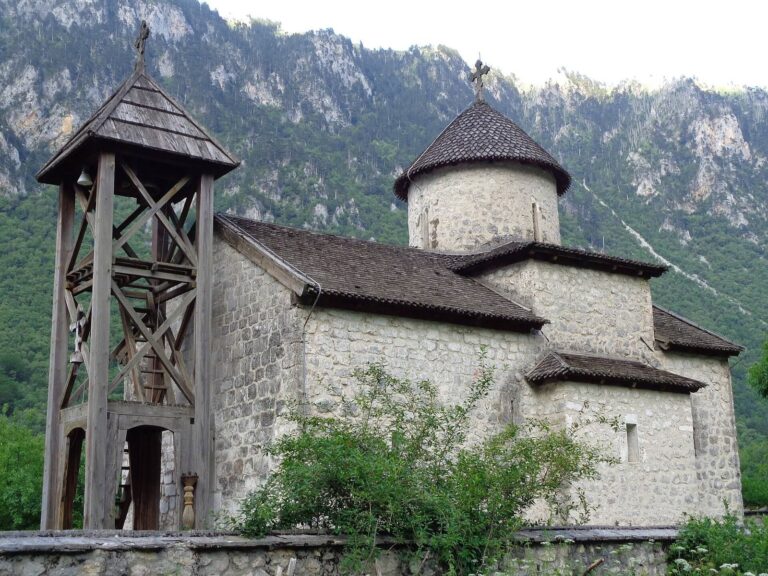
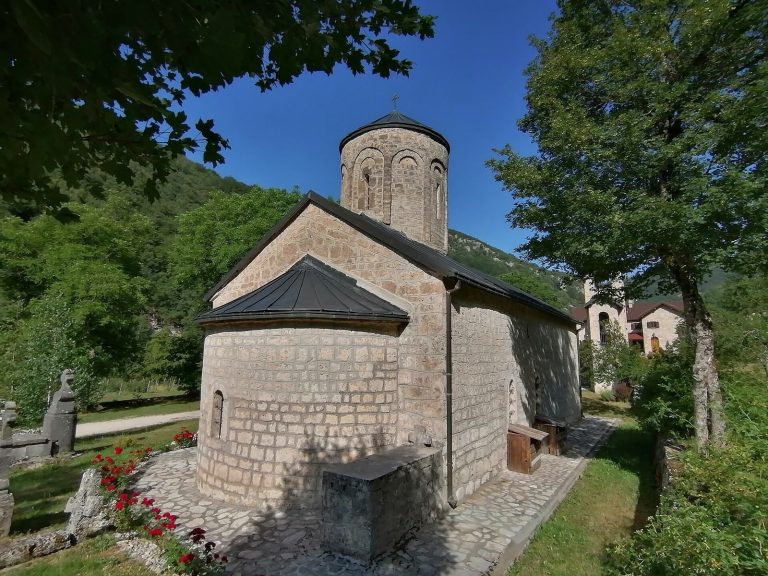
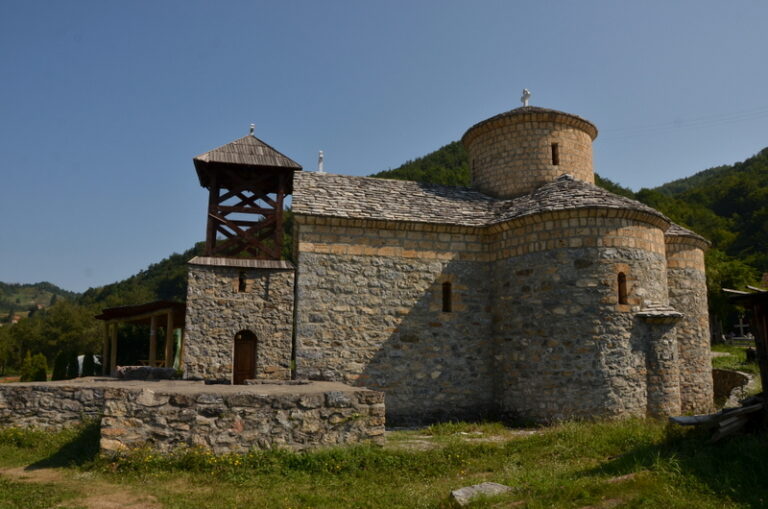
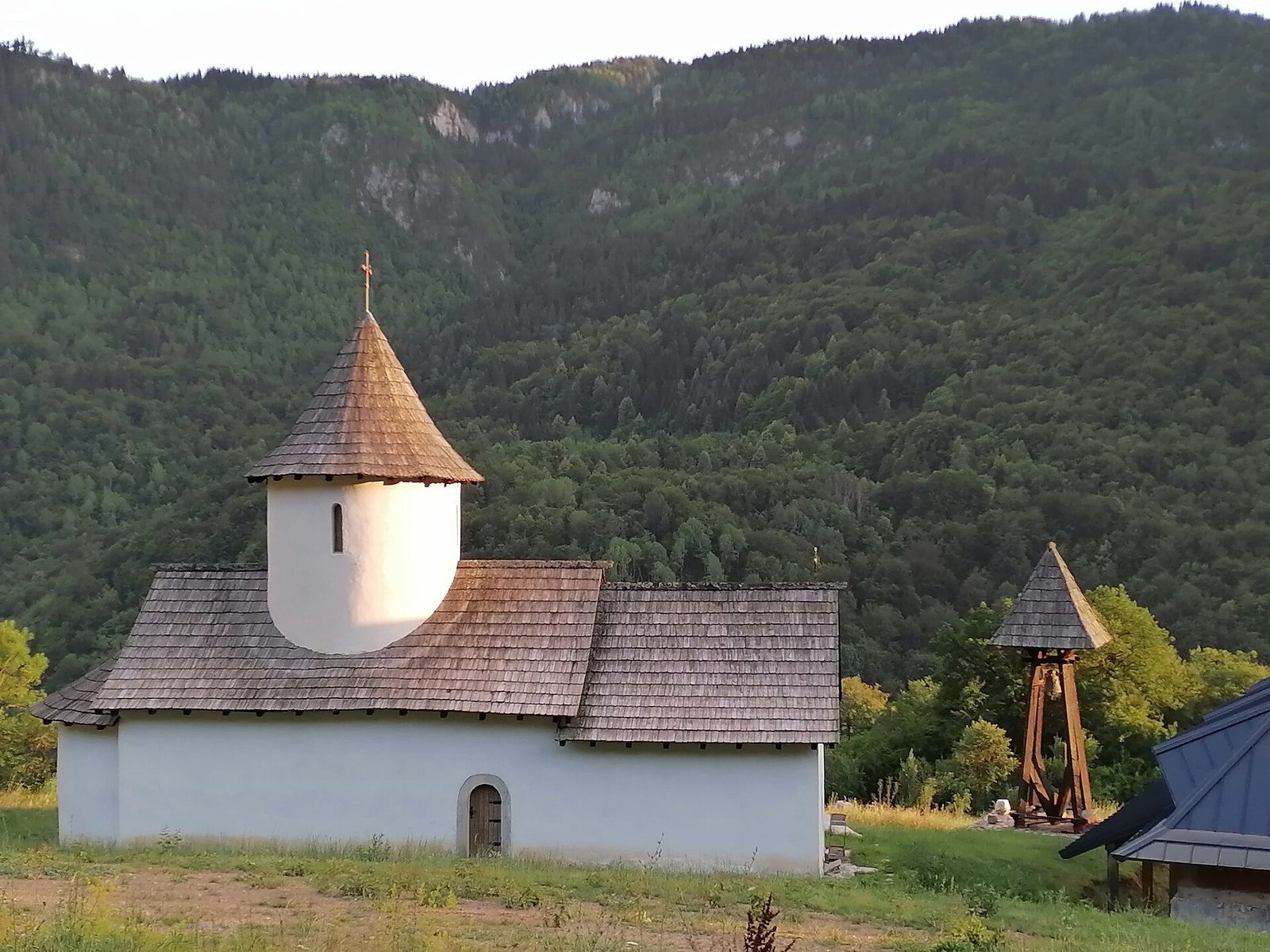
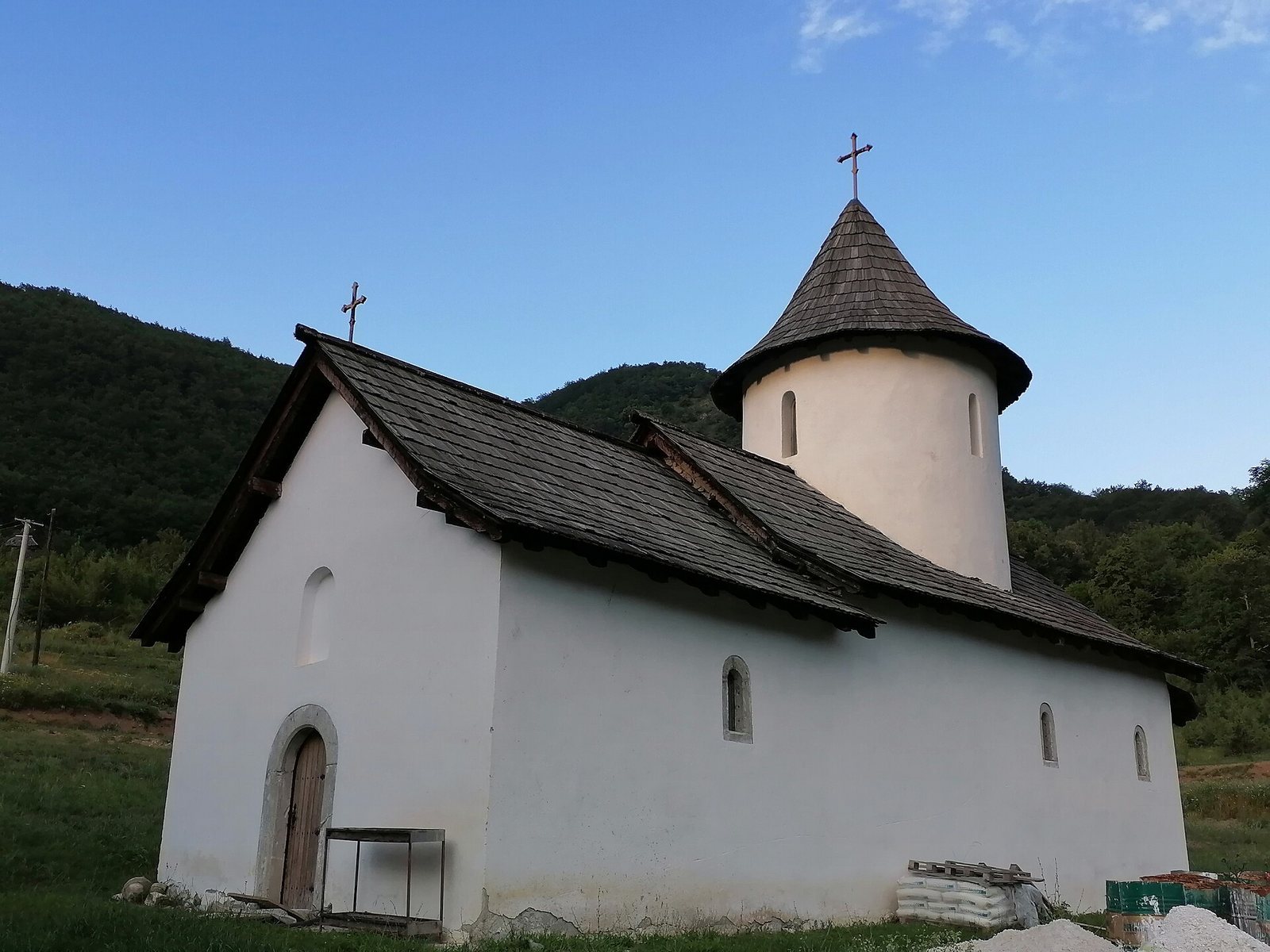
The monastery stands on the right bank of the Tara, where the river runs through a gorge, near Premćani’s Dovolja hamlet and about 45 km from Pljevlja. Its construction is placed before 1513, and stone and wood are listed among its building materials.
Russian historian Alexander Hilferding entered the church in 1857. It was intact, with blackened walls and locked doors. He saw an inscription recording the 1545 restoration. The inscription links the surviving account of the church’s earlier repairs to a specific phase of its history.
Archaeological excavations continued for four years after the reconstruction work began and opened 57 graves. An old lithograph and several printed books are also associated with the monastery; local families later kept some of the books.