Dover House: A Neoclassical Mansion and Government Headquarters in London
Site at a Glance
- Popularity
- High
- Country
- United Kingdom
- Primary era
- Early Modern
- Eras represented
- Early Modern
- Civilizations
- British
- Site type
- Domestic
- Remains
- Elite Residence
On this page8 sections
History
A London townhouse and its early occupants
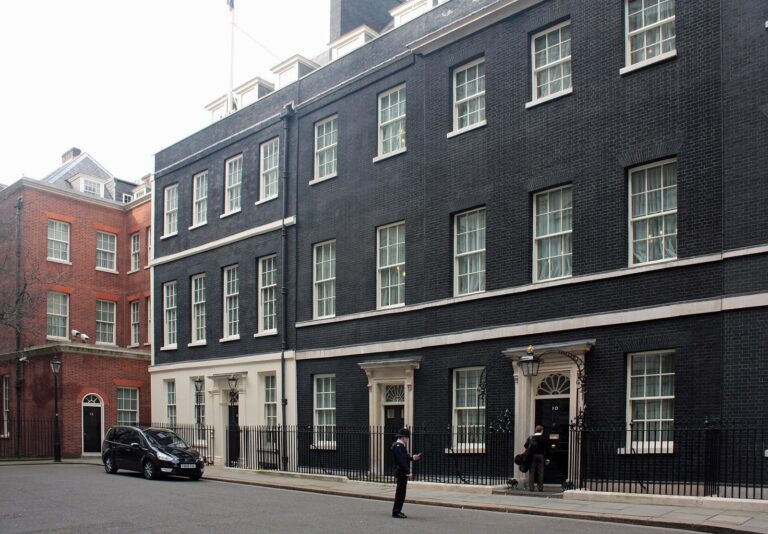
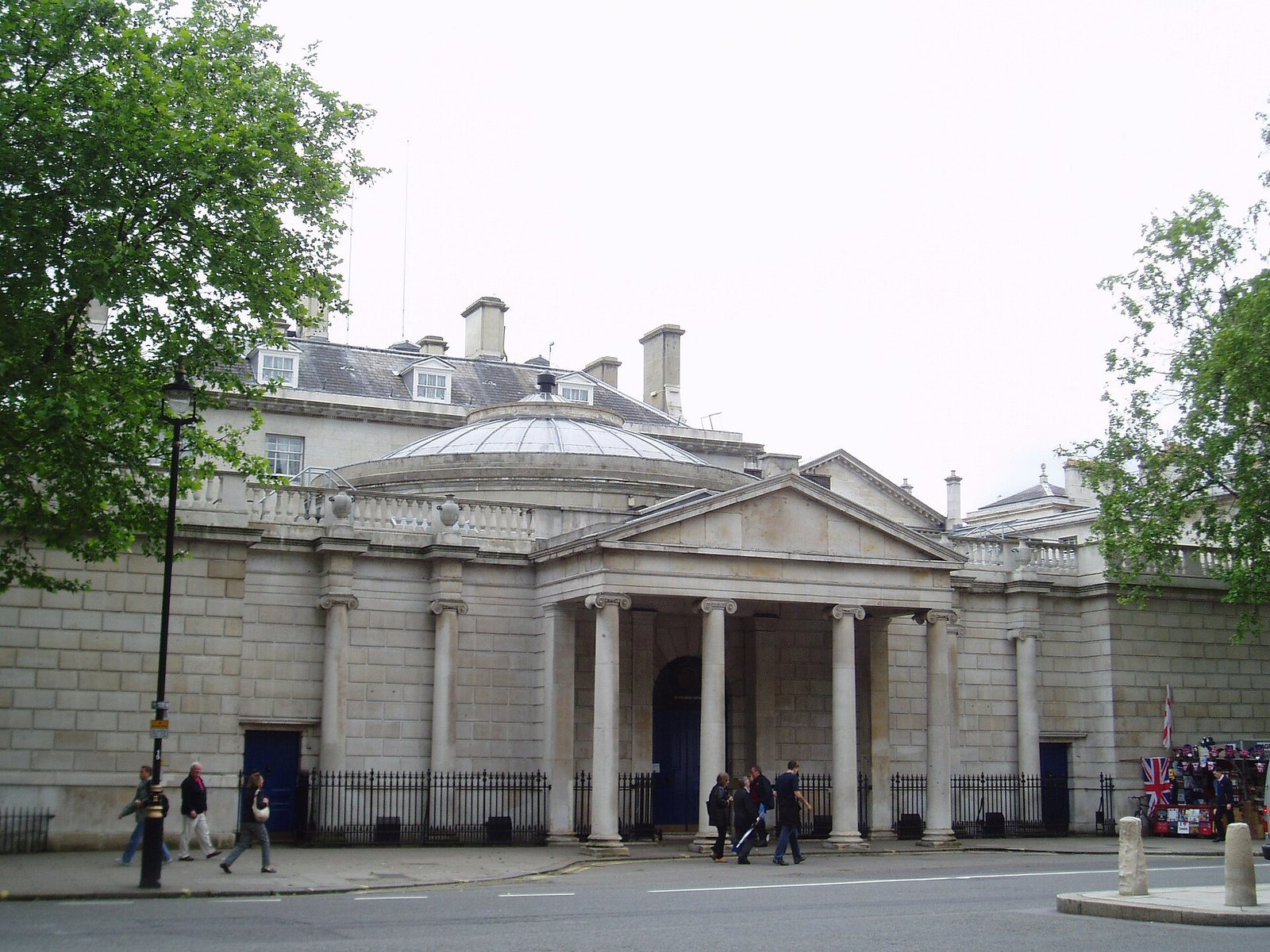
Dover House is a Neoclassical mansion on Whitehall in London, United Kingdom, designed by James Paine and completed in the 1750s as the townhouse of Sir Matthew Fetherstonhaugh. Neoclassical architecture draws on ancient Greek and Roman forms. Fetherstonhaugh was a baronet, a hereditary rank below a baron, and a Member of Parliament.
Henry Flitcroft later remodelled the house for George Montagu, the first Duke of Montagu, who had moved from nearby Bloomsbury; it was then known as Montagu House. From 1788 to 1792, Henry Holland refurbished it for Prince Frederick, Duke of York, a son of King George III. The house also accommodated a French ambassador and Lady Caroline Lamb, whose affair with the Romantic poet Lord Byron became well known.
The Dover name and private ownership
The Melbourne family owned Dover House from 1793 to 1830. The Agar-Ellis heirs held it from 1830 to 1885. They were the family of George James Welbore Agar-Ellis, a Whig politician, and the house retained the Dover title after he was created Baron Dover in 1831.
Government use
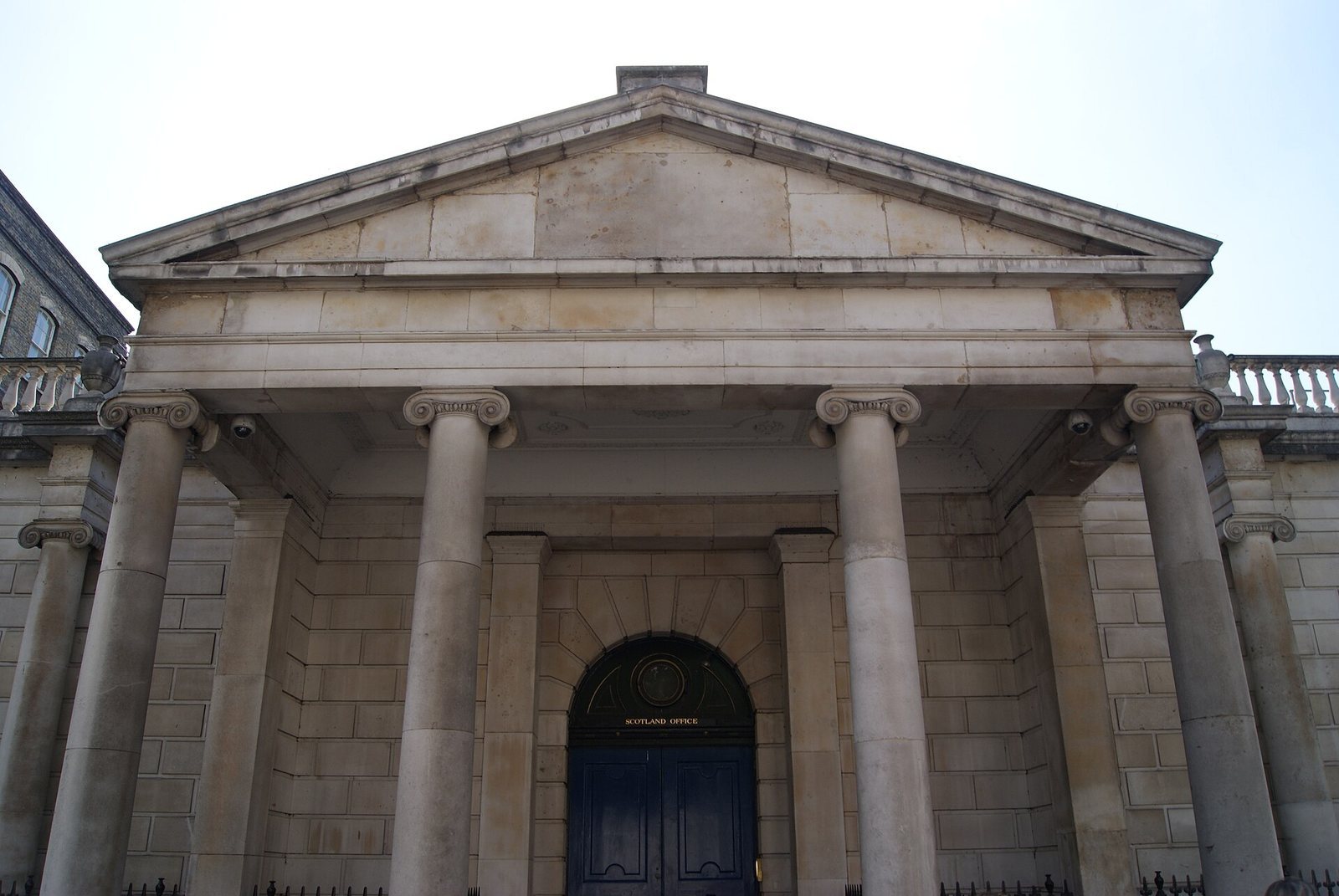
In 1885 the house became the Scottish Office, the UK government department responsible for Scottish affairs, ending the Agar-Ellis heirs’ ownership. The Colonial Office, which handled British colonial affairs, used the building for several years from 1941. In April 1947, while the department was still there, Zionist terrorists planted a bomb in the house.
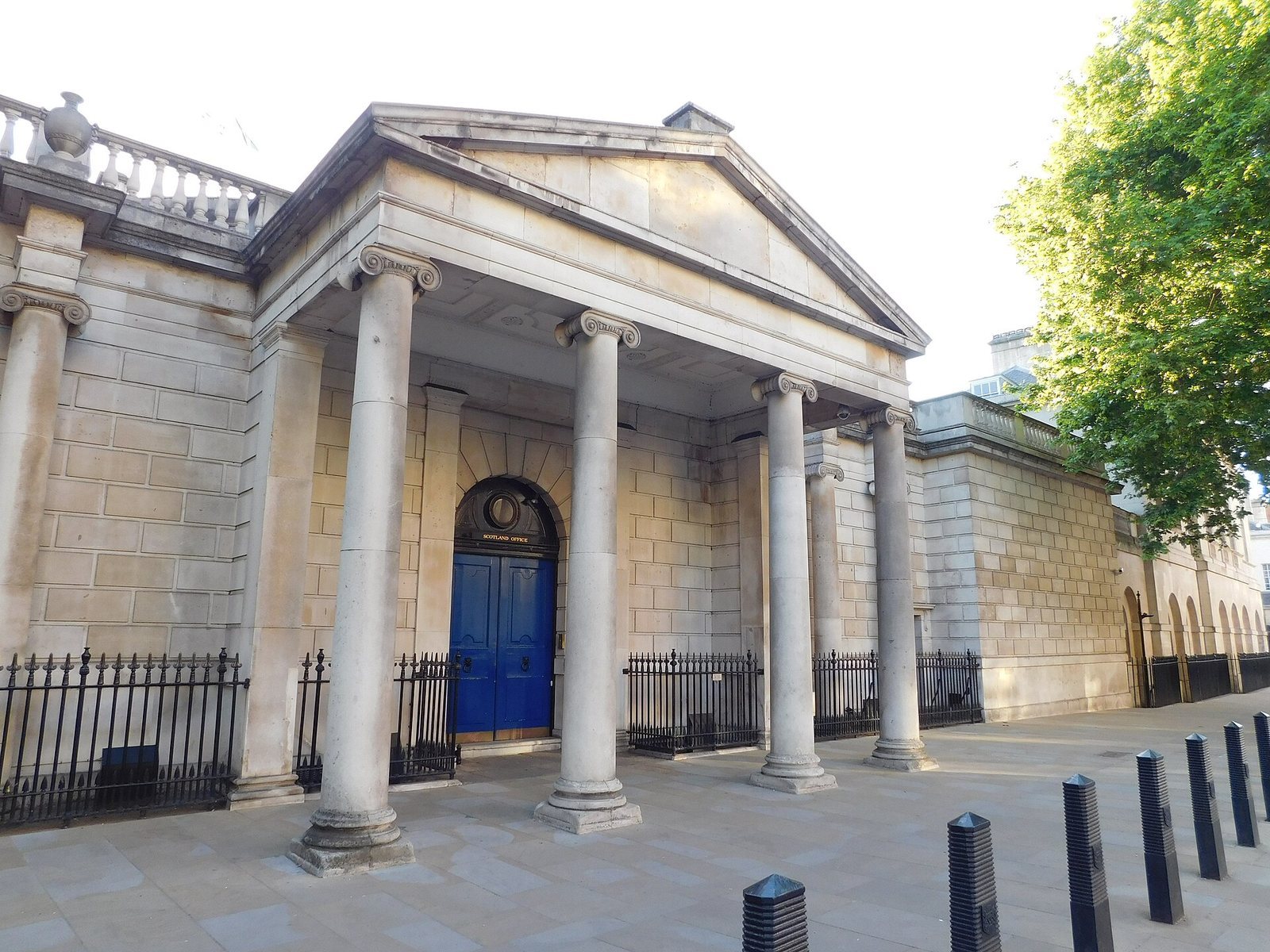
After Scotland established a devolved parliament, the Scottish Office’s responsibilities were reduced. In 1999 it was renamed the Scotland Office, with Dover House remaining its principal London building. The house was listed at Grade I on 5 February 1970, the highest category of listed-building protection in England. It is the London headquarters of the Scotland Office and also houses the Office of the Advocate General for Scotland, which advises the UK government on Scottish legal matters, and the Independent Commission for Aid Impact, which scrutinizes UK aid.
Remains
Architecture and collections
Mansion and entrance hall
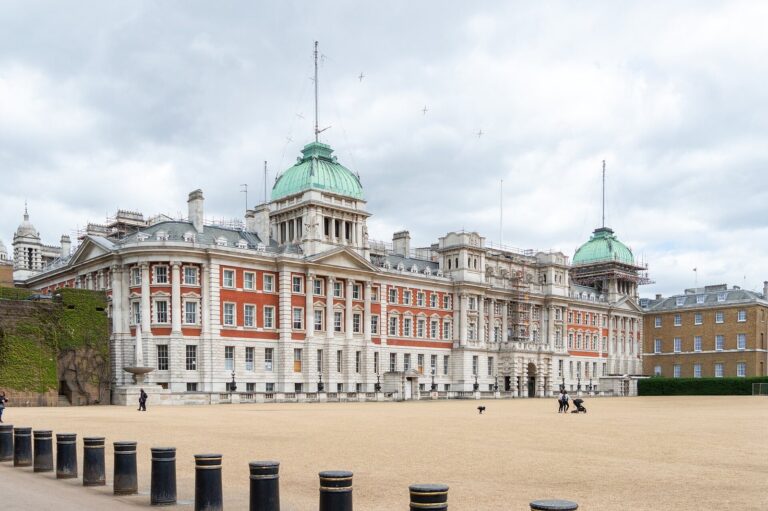
Dover House stands between Whitehall and Horse Guards Parade, with its western side facing Whitehall and its rear facing the parade. Its circular entrance hall occupies the former forecourt. Henry Holland inserted the hall into the house during his work for the Duke of York.
Painting collection
The house’s painting collection included Gilbert Stuart Newton’s The Lover’s Quarrel. An engraving of the painting appeared in the 1826 edition of The Literary Souvenir, accompanied by an unsigned story later attributed to the English writer Maria Jane Jewsbury. The painting was sold at Christie’s on 6 May 1893.