Domaine de Certes: An Estate of Saltworks and Fish Farms in France
Site at a Glance
- Country
- France
- Primary era
- Early Modern
- Eras represented
- Early Modern, Modern
- Civilizations
- French
- Site type
- Economic
- Remains
- Production Complex
On this page7 sections
History
Saltworks and estate expansion
Domaine de Certes is a historic estate in Audenge and Lanton, France, east of the Arcachon Basin. The marquis de Civrac, a landholder who held the Gascon seigneurial title of captal, developed it in the second half of the eighteenth century to enlarge his lordship and increase agricultural production. He established the largest saltworks in the Arcachon Basin, while Graveyron, one of the estate’s two historically distinct areas, was soon sold to the marquis d’Arcambal, who set up a fishery there.
Salt production at Certes reached about 1,000 tonnes a year within the first years. The enterprise was initially exempt from taxes and soon profitable, but pressure from salt producers in Charente led to the introduction of taxes. Civrac died ruined in 1773.
Fish farming and rebuilding
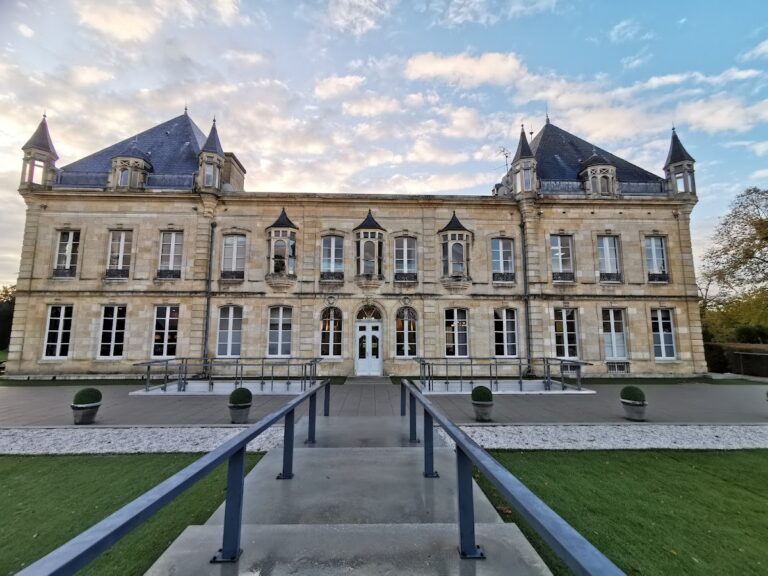
Ernest Valeton de Boissière inherited Certes and converted the estate to fish farming. Around 1840, he rebuilt the château.
Conservation and restoration
Certes has belonged to France’s Conservatoire du littoral, the public body that protects coastal and lakeshore land, since 1984; Graveyron was acquired by the body in 1998. The estate is designated a sensitive natural area and has been managed by the Gironde departmental council since 1991. The château and its park entered the supplementary inventory of historic monuments that year. The château was partly restored in 2004, and restoration work followed a fire in 2010.
Remains
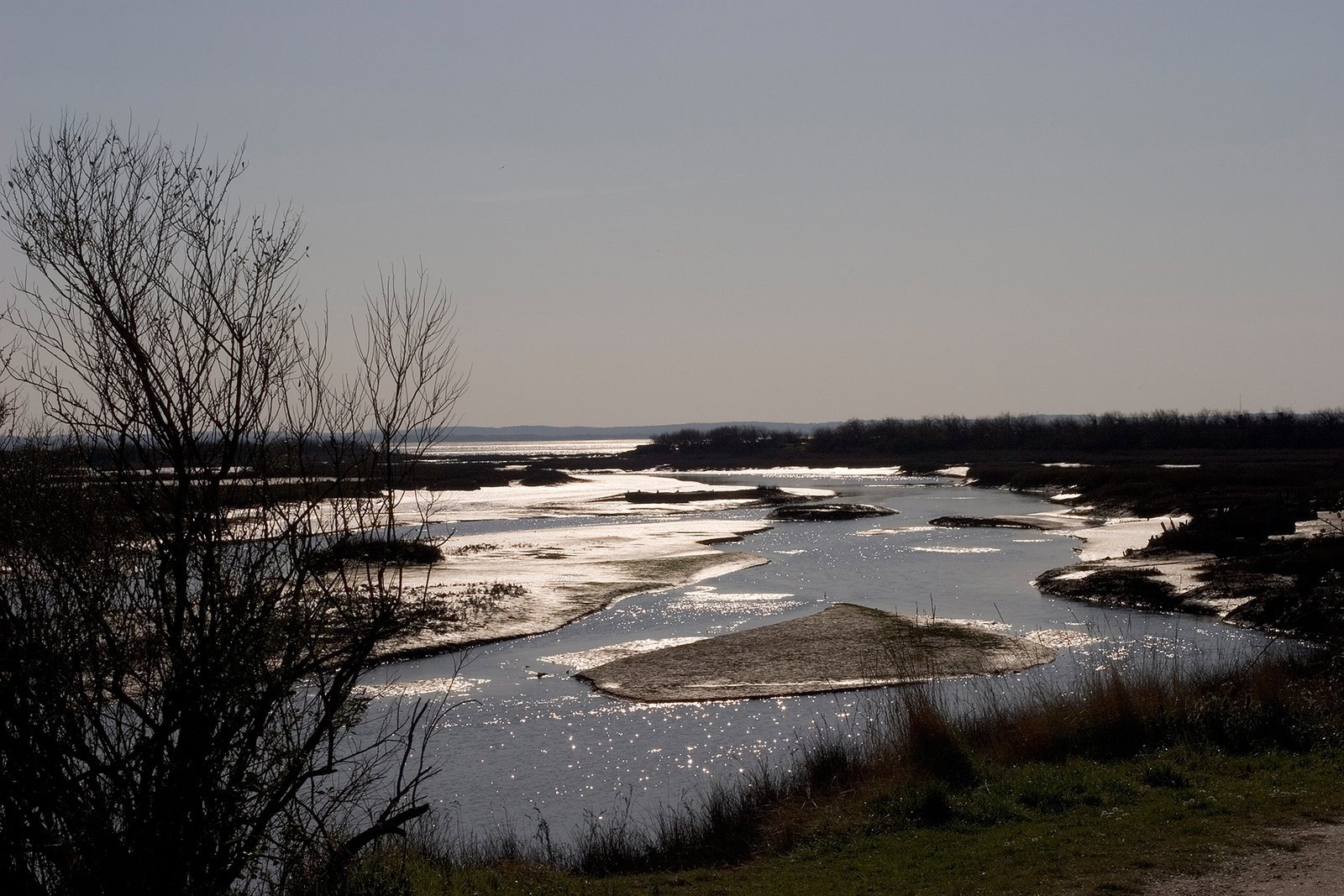
The 540-hectare estate comprises Certes and Graveyron and includes 200 hectares of water. Its landscape combines tidal-protected land, ponds, wet meadows, woodland, streams and reed beds. Clay dikes shape part of this terrain, while the château, park and working buildings form another part of the estate.
Dikes and varied landscape
Clay dikes enclose the salt meadows of Branne Island, protecting the land from tidal fluctuations. Their construction required moving two million tonnes of earth. Across the estate, brackish ponds and wet meadows sit among broadleaf and coniferous woodland, small streams and reed beds.
Château and working buildings
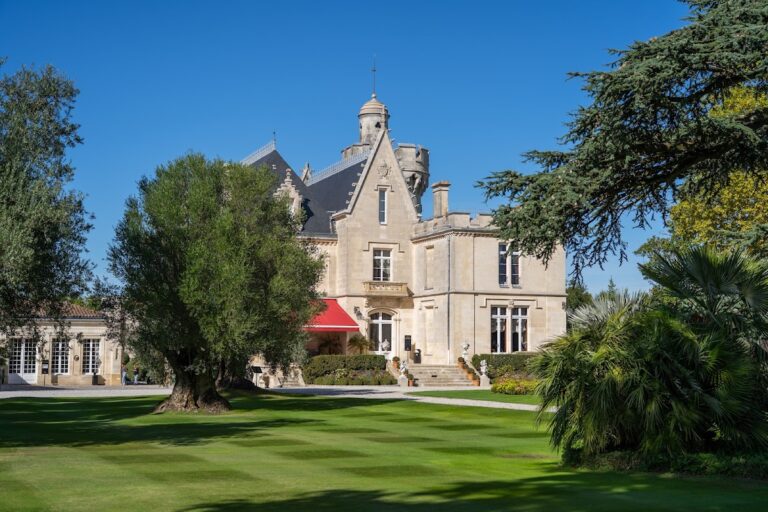
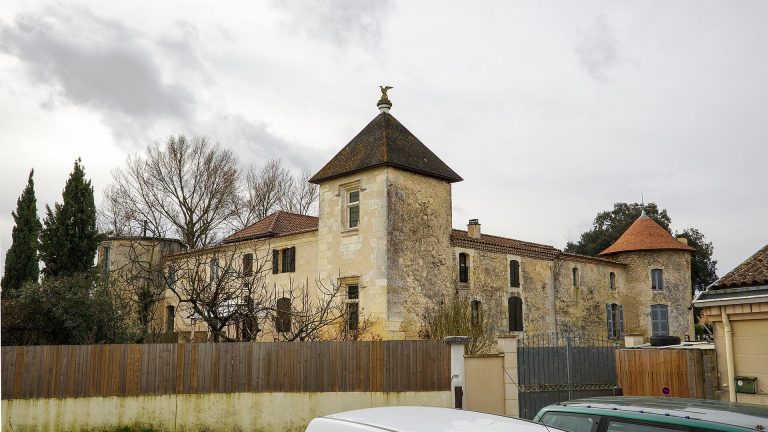
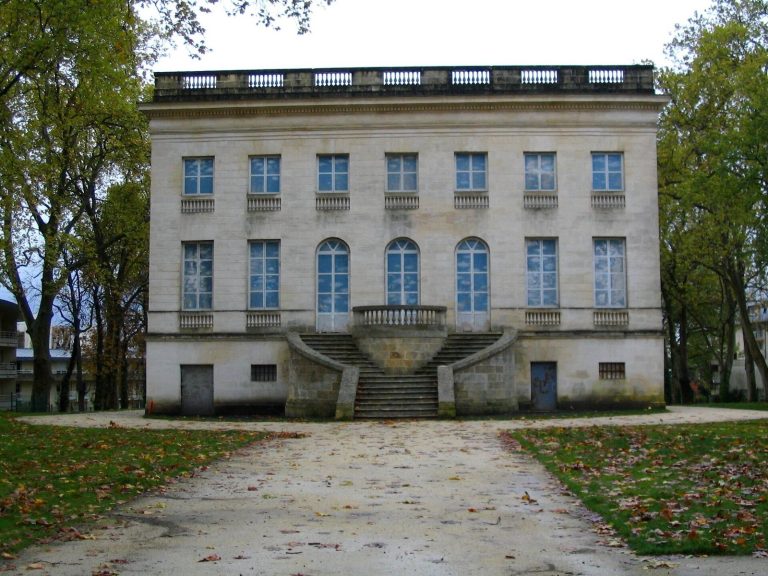
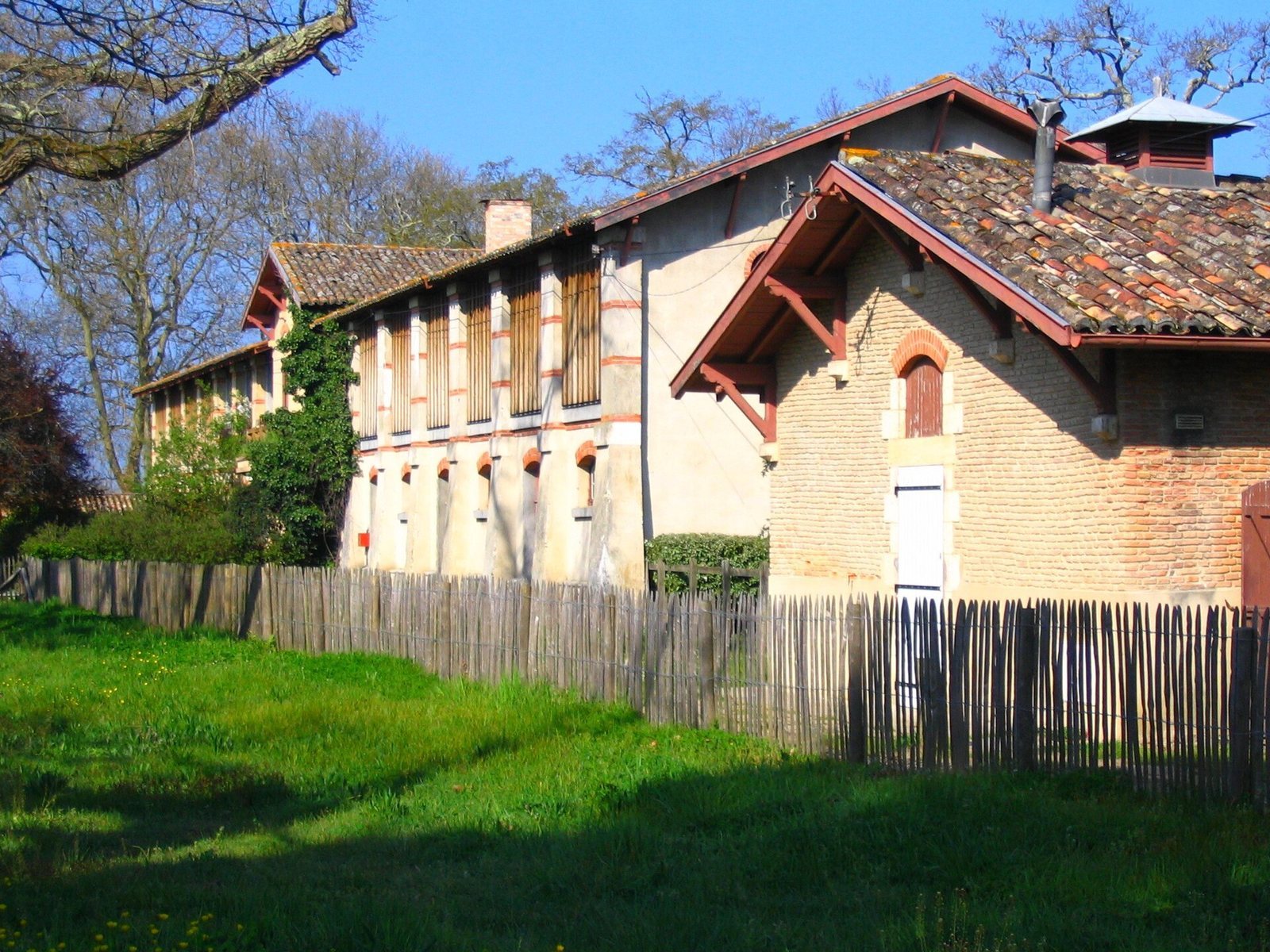
The château and its park stand within the wider estate. The operating buildings and outbuildings serve ecological management and environmental education, and accommodate the South Atlantic National Botanical Conservatory, a wildlife-care center run by the Aquitaine delegation of the League for the Protection of Birds, and a coastal archaeological conservation and study center belonging to the regional Directorate of Cultural Affairs. A cattle and sheep breeder also uses the estate to help maintain open landscapes.