Dolforwyn Castle: A Native Welsh Medieval Fortification


Site at a Glance
- Rating
- 4.6
- Popularity
- Low
- Country
- United Kingdom
- Primary era
- Medieval
- External website
- Open
- Eras represented
- Medieval
- Civilizations
- English, Kingdom of Gwynedd
- Site type
- Military
- Remains
- Castle
On this page14 sections
History
Dolforwyn Castle is a Welsh medieval fortification above Abermule in the United Kingdom, built by Llywelyn ap Gruffudd between 1273 and 1277 in a native Welsh tradition. It was established to consolidate his control of the strategically important Severn Valley and to assert authority over territories he had conquered.
Llywelyn’s Expansion
Llywelyn, the thirteenth-century ruler of Gwynedd and the leading Welsh prince of his time, invaded the region in 1257. By 1263 he had captured Cedewain and Ceri. Henry III recognized him as Prince of Wales under the Treaty of Montgomery on 19 September 1267, after which Dolforwyn Castle was built at a recorded cost of £174 6s 8d.
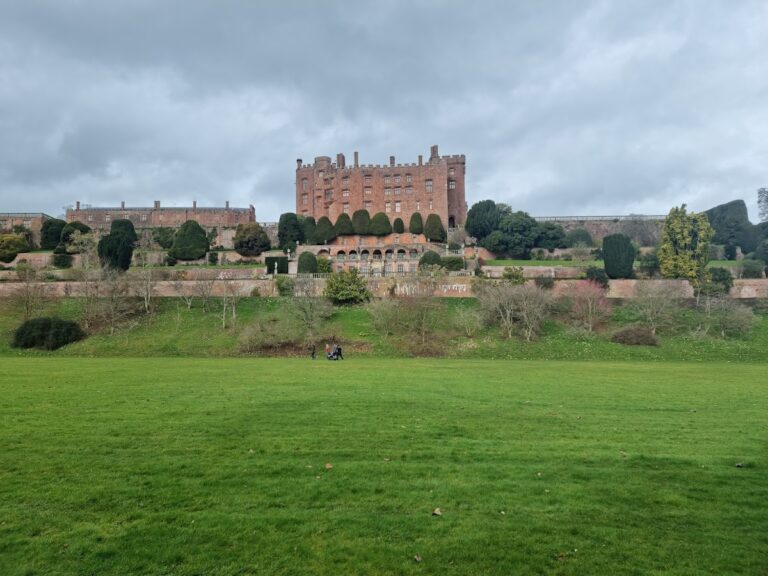
The construction took place without the authorization of Edward I, the English king whose frontier post stood at Montgomery Castle. This decision heightened tensions between Edward, Llywelyn, and Gruffydd ap Gwenwynwyn, Prince of Southern Powys and lord of nearby Powis Castle.
The Siege of 1277
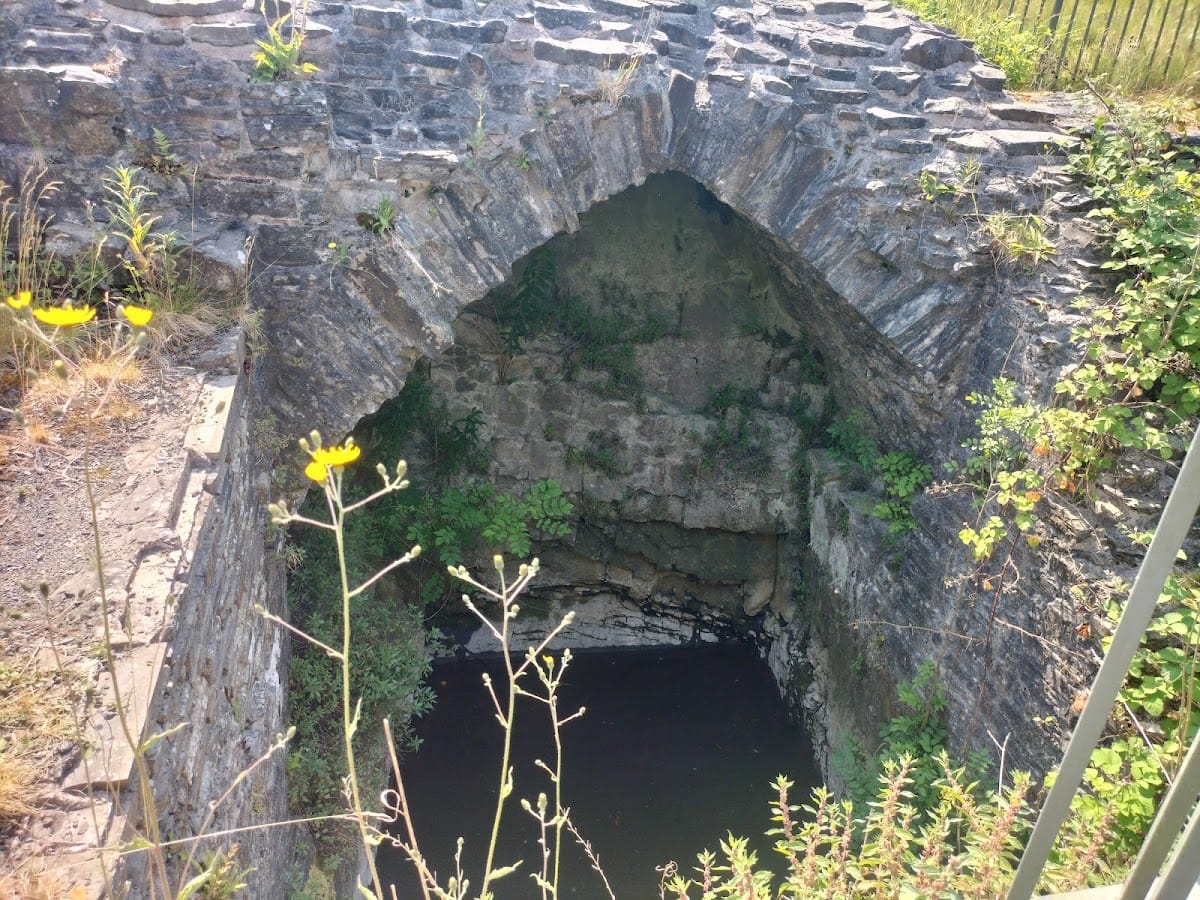
Shortly after the castle was completed, Roger Mortimer, Henry de Lacy, Earl of Lincoln, and Otto de Grandson besieged it in 1277. Dolforwyn fell on 8 April because it had no well and its occupants eventually ran out of water.
The siege may have helped lead to Edward I’s appointment of James of Saint George, a prominent medieval military architect and castle builder, to work on fortifications in Wales. A letter associated with Henry de Lacy or Otto de Grandson from Dolforwyn is considered to have contributed to James’s arrival in Wales. He later worked on major royal castles including Flint, Rhuddlan, Conwy, Caernarfon, Harlech, and Beaumaris.
English Control and Mortimer Ownership
Custody of Dolforwyn initially passed to Gruffydd ap Gwenwynwyn and later to Roger Mortimer, along with the lands of Ceri and Cedewain. Under English control, the south gate was blocked, new buildings were added within the courtyard, and a well was dug.
After Roger Mortimer’s death in 1282, the castle passed to his son Edmund Mortimer and then to Roger Mortimer, 1st Earl of March. The latter lost the family estates in 1322 after an act of treason. An inventory made at that time lists an armoury, domestic ranges, a chapel, a hall, a lady’s chamber, and two grain-storage granges.
Decline and Modern Investigation
Dolforwyn appears to have remained occupied until the reign of Richard II, from 1377 to 1399. In 1381 it was described as being in poor repair, and in 1398 it was called “ruinous and worth nothing.” After that description, the castle attracted little recorded interest.
Ownership later passed to the Earls of Powis and then to the grandfather of the antiquarian John Davies Knatchbull Lloyd. In 1955 he gave the site to the Welsh Ancient Monuments Board, now Cadw, the Welsh Government’s historic-environment service.
The entire castle was excavated between 1981 and 2002 through a joint project involving the University of Leeds, the University of York, and Cadw. The University of Leeds took part from 1981 to 1985, followed by the University of York from 1986 to 2002. Dr Lawrence Butler directed the work, with students and Cadw employees examining different areas during summer campaigns. Cadw began consolidating the masonry in June 2009. Since 2024, the Welsh name Castell Dolforwyn has also been used in English as part of an effort to standardize the site’s names in both languages.
The name Dolforwyn means “maiden’s meadow.” Welsh folklore recorded by the antiquarian Thomas Pennant links the place with the legendary Princess Habren, who was said to have drowned in the River Severn and to have given the river its name. Princess Habren belongs to Welsh tradition rather than verified history. Dolforwyn also appears as a fictional Iron Age hillfort in Bernard Cornwell’s 1995 novel The Winter King, a portrayal unrelated to the documented medieval castle.
Remains
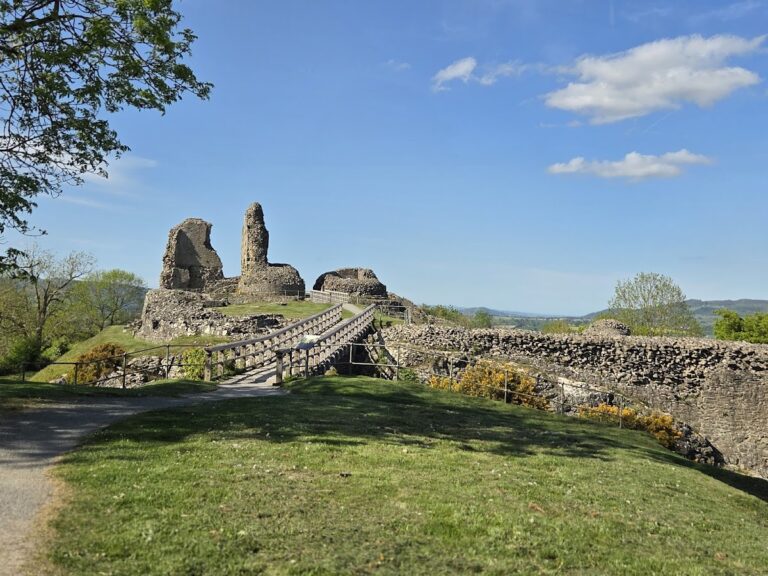
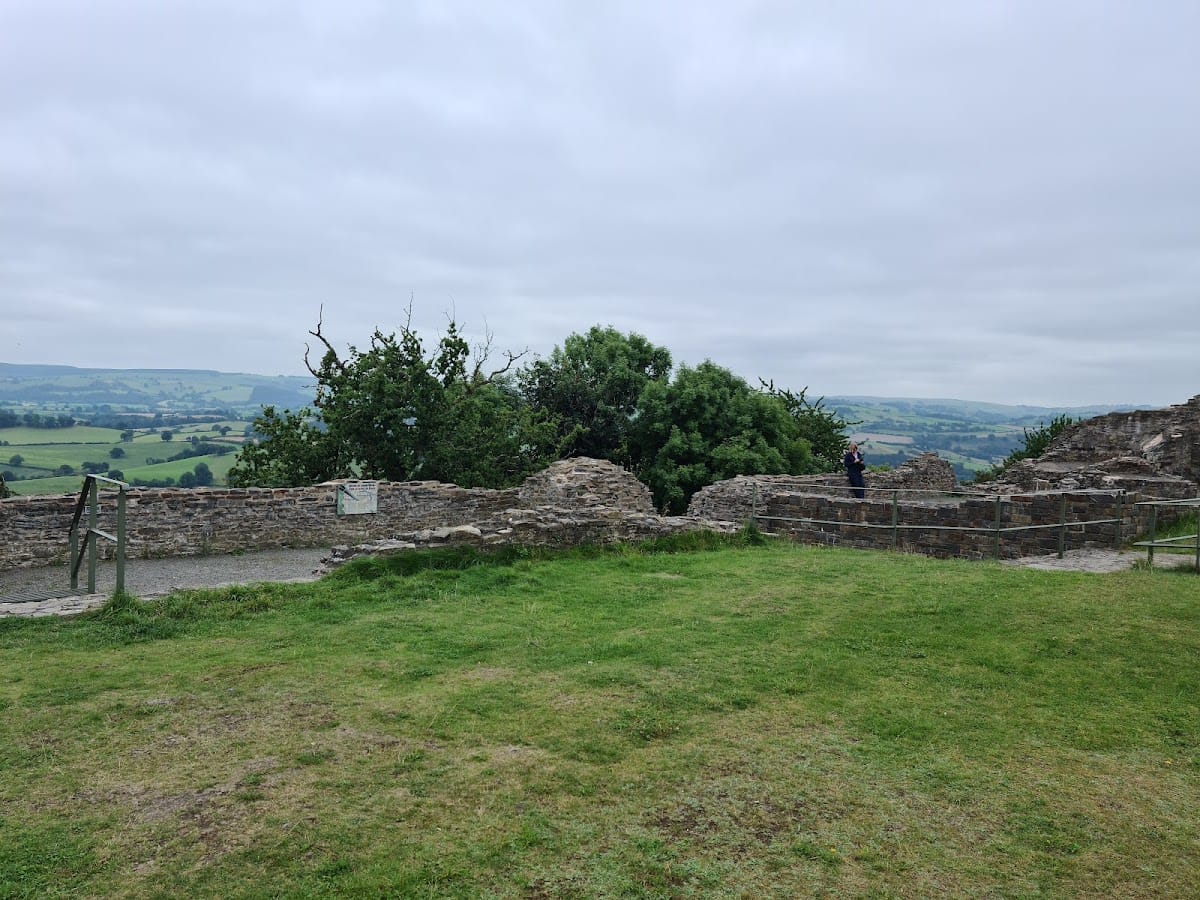
Dolforwyn occupies a wooded ridge overlooking the upper Severn Valley at approximately 214 metres above sea level. Its builders cut a rectangular platform, about 240 by 90 feet, from the bedrock. The stone castle is now ruined, but excavation exposed its plan and surviving structural evidence after more than 15 metres of debris and infill were removed.
Enclosure and Defences
Keep and Towers
The original arrangement included a rectangular keep at the south-west end and a circular tower at the opposite end. Later ramparts joined these structures to create a rectangular enclosure. A D-shaped tower, with a straight inner wall and curved outer face, stood on the northern wall.
Ditch and Gateways
A ditch cut directly into the rock divided the enclosure into two wards, or enclosed sections of the castle. The main gateway was in the west wall, while a smaller entrance opened through the south wall. English alterations later blocked the southern entrance.
Buildings and Domestic Facilities
North-Wall Structure
A two-storey building stood against the north wall. The excavated remains also include a small hall built of stone. Different mortar types distinguish English repairs from the earlier Welsh masonry, providing physical evidence for the castle’s alteration after its capture.
Service and Storage Areas
The Mortimer inventory lists a pantry, buttery, kitchen, brewhouse, bakehouse, chapel, hall, lady’s chamber, and two granges used for storing grain. A buttery was a storage and service room for provisions and drink, while a brewhouse was used for brewing. A suspected wheat-drying oven forms part of the excavated remains.
Water Supply
A cistern or cellar well was cut to approximately six metres deep, with indications that it may extend farther. Its construction belongs to the changes made under English control, after the 1277 siege had exposed the danger of the castle’s original water supply.
Archaeological Finds
Excavations recovered part of a leather book cover, a small die, and a silver coin from the reign of Edward II. Numerous spent stone catapult balls were also found, linking the archaeological remains to the English siege of 1277. During the archaeological work, Cadw employed local masons to render the site.