Doddanekkundi Inscription: A Hoysala Land Grant Record
Site at a Glance
- Rating
- 4.6
- Popularity
- Very Low
- Country
- India
- Primary era
- Medieval
- Eras represented
- Medieval
- Civilizations
- Hoysala
- Site type
- Civic
- Remains
- Monument
On this page4 sections
History
Hoysala rule and military victory
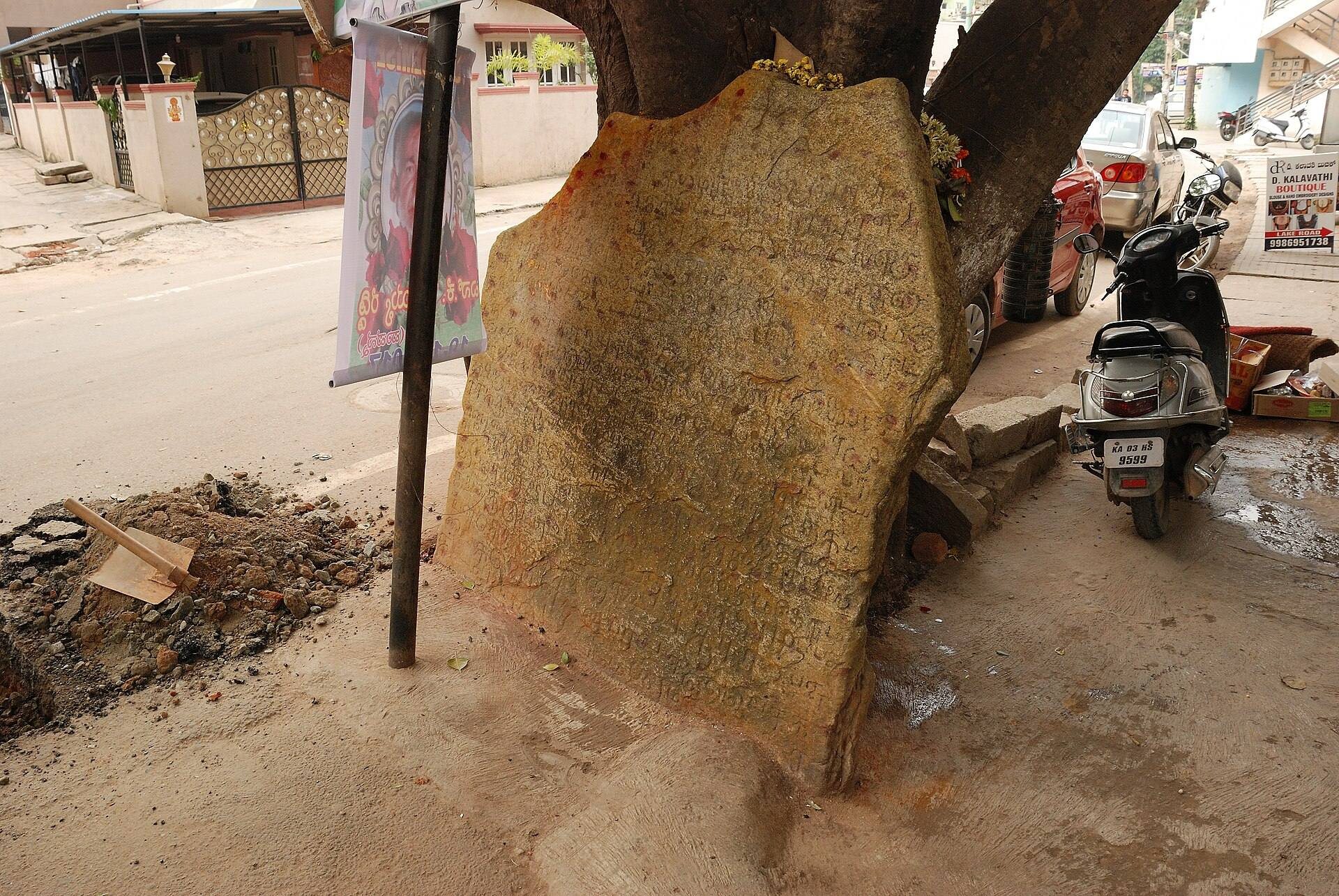
The Doddanekkundi inscription is a stone record at Doddanekkundi in Bengaluru, India, established around 1304 during the reign of the Hoysala ruler Vira Ballala Devarasar. The Hoysalas were a medieval South Indian dynasty whose kingdom was centered in present-day Karnataka. The inscription describes Vira Ballala Devarasar as ruling from Dorasamuttira and records his expedition against the Ariyas in the north. It states that he destroyed the fort of Nakkigundi and achieved victory.
The land endowment
During Vira Ballala Devarasar’s rule, the inhabitants of the nadu, a territorial administrative unit, granted wet and dry lands in the villages of Nerkundi and Erumarkadappalli. The endowment was made to provide rice offerings for the deity Sivagengai-udaiyar and was intended to continue as long as the sun and moon.
The grant defined the boundaries of the fields and included their above-ground trees and underground wells. An imprecatory clause, a warning invoking religious punishment against anyone who violated the endowment, threatened those who confiscated the lands with the prescribed penalty. The grant also placed the endowment under the protection of the Mahesvaras. The record is listed as BN53 in volume IX of Epigraphia Carnatica.
Remains
The surviving monument is a stone inscription measuring 8 by 6 feet. Its text is written in Grantha and Tamil scripts. Grantha was a historical South Indian script used especially for Sanskrit and, in some contexts, alongside Tamil.
The inscription preserves the details of the land grant, including the boundaries, trees, and wells associated with the fields and villages. These references connect the stone record with the agricultural endowment made for rice offerings to Sivagengai-udaiyar.