Daqin Pagoda: A Seventh-Century Buddhist Pagoda in Shaanxi
Site at a Glance
- Popularity
- High
- Country
- China
- Primary era
- Medieval
- Eras represented
- Medieval
- Civilizations
- Tang
- Site type
- Religious
- Remains
- Pagoda
On this page4 sections
History
Seventh-century dating and disputed Christian interpretation
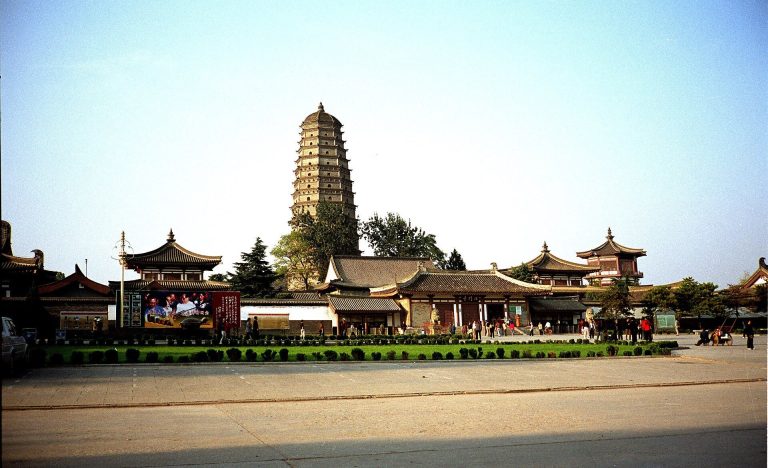
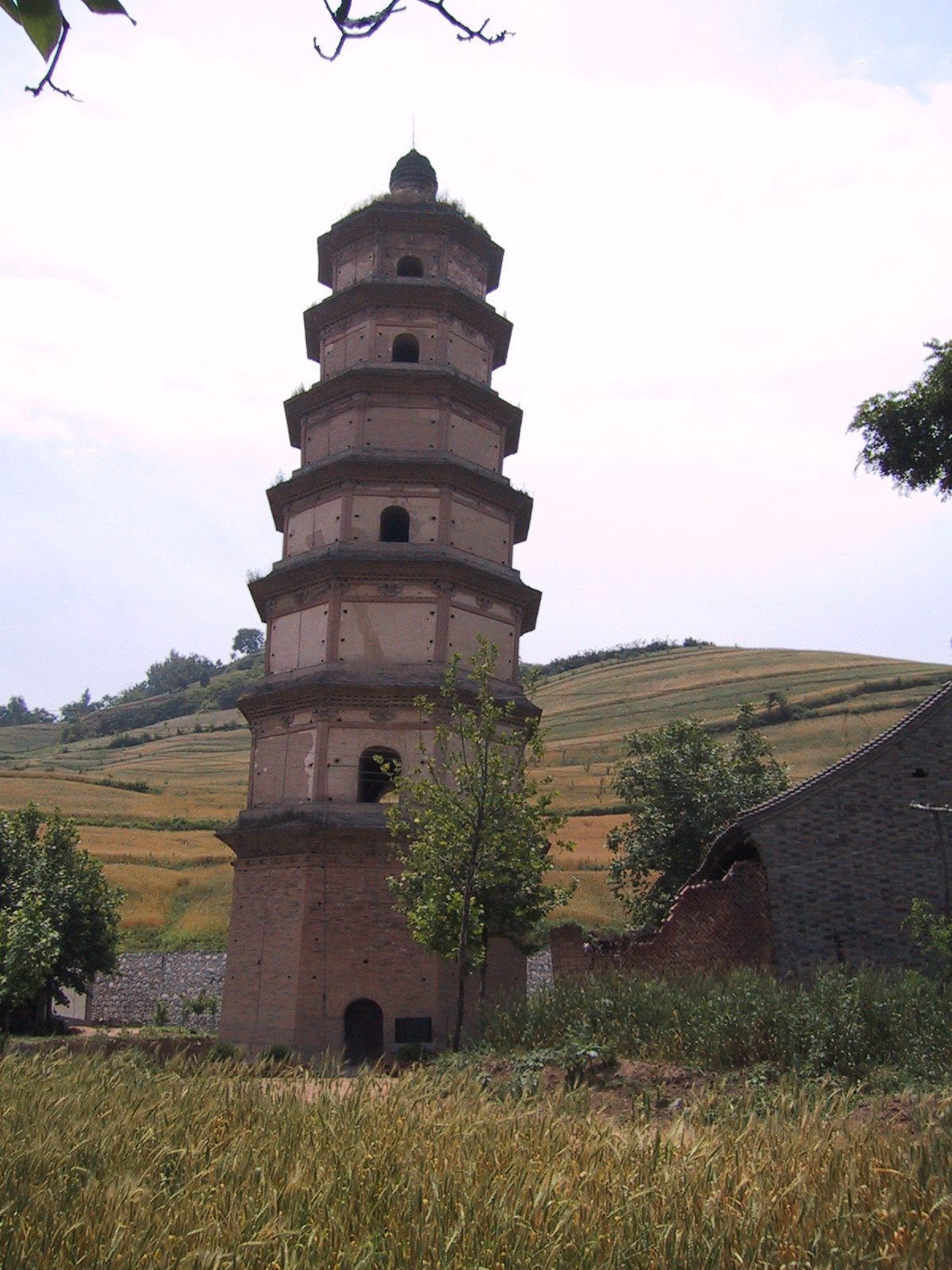
Daqin Pagoda is a brick pagoda in Zhouzhi County, Shaanxi, China, generally dated to the seventh century and described as Buddhist. It dates to the Tang dynasty, which ruled China from 618 to 907.
In 2001, writer Martin Palmer proposed that a church and monastery had been established at the site in 640 by early missionaries of the Church of the East, an ancient Christian church whose tradition used Syriac, a language in the Aramaic family. Some Chinese academics have supported this interpretation, while Michael Keevak and David Wilmshurst have rejected it. James Morris of the University of St Andrews has argued that more detailed archaeological investigation is needed and that direct evidence for a Christian presence at the site during the Tang period has not been established. The name Daqin was used in ancient China for the Roman Empire and, in some contexts, the Near East, especially Syria. By the mid-ninth century, it was also used for churches connected with Syriac Christian missions.
Written record and abandonment
The pagoda’s first known written record dates to 1065, when the poet Su Dongpo visited and wrote a poem titled “Daqin Temple.” His younger brother, the poet Su Zhe, also wrote about the temple’s monks.
An earthquake in 1556 badly damaged the pagoda, and it was subsequently abandoned.
Remains
The complex faces east. Its principal structure is an eight-sided, seven-storey brick pagoda about 34 metres tall; an earlier estimate gave a height of 32 metres. Each side of the first storey measures 4.3 metres.
Many underground chambers in the complex became inaccessible after the 1556 earthquake. Supporters of the Christian interpretation cite Syriac graffiti and details they identify as Jonah before the walls of Nineveh and a Nativity scene. They have also pointed to the complex’s east-facing orientation in support of their argument.