Crécy-la-Chapelle Castle: A Medieval Fortress and Nineteenth-Century Residence
Site at a Glance
- Popularity
- Medium
- Country
- France
- Primary era
- Modern
- Eras represented
- Modern
- Civilizations
- French
- Site type
- Domestic
- Remains
- Elite Residence
On this page8 sections
History
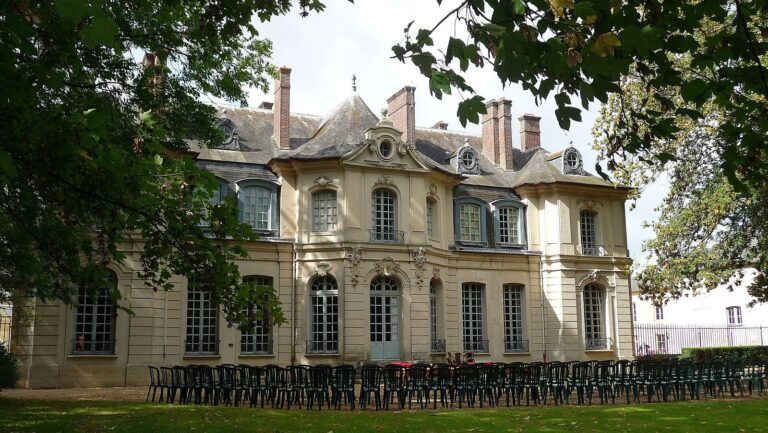
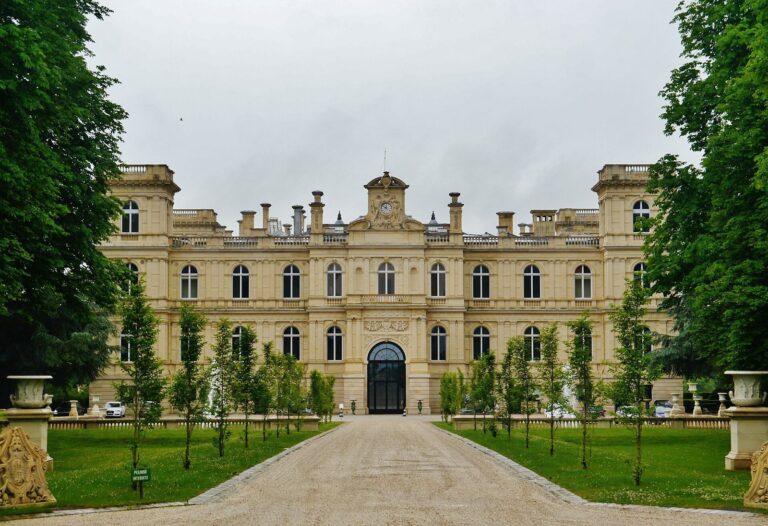
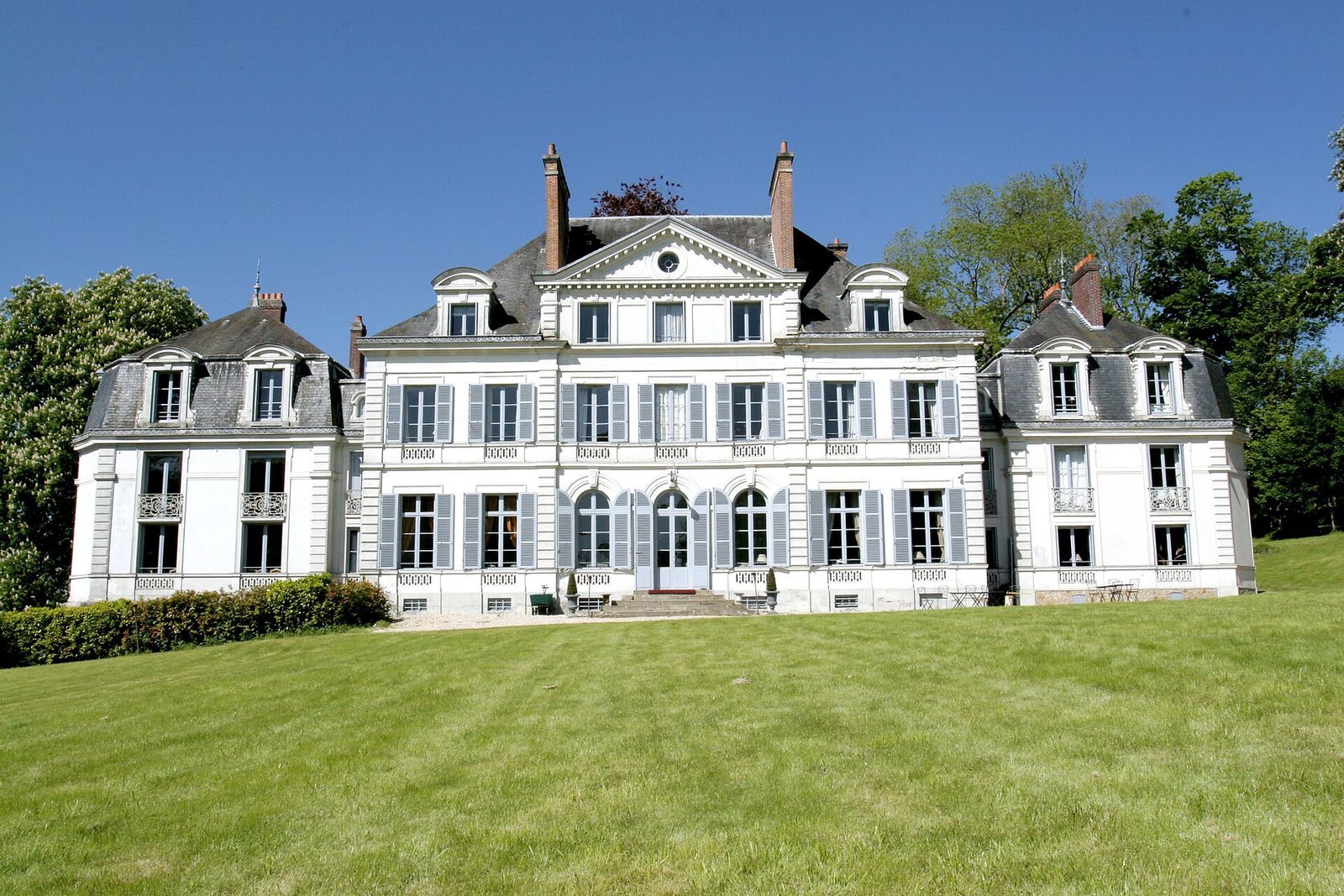
Crécy-la-Chapelle Castle is a historic fortified estate in Crécy-la-Chapelle, France, whose residence began as a 12th-century stronghold and was rebuilt as a 19th-century castle. The present building is described as Gustavian, a neoclassical style developed in 18th-century Sweden, with elements of English colonial architecture, a broad group of forms associated with English colonial settings.
Vignoly and the lords of La Chapelle
In the 12th century, the lords of La Chapelle occupied a fortified castle known as Vignoly. They also supported the collegiate church, a church served by a chapter of clergy, where building work began shortly after 1202.
The Bureau family
Toward the end of the 15th century, the fiefs of La Chapelle, Montaudier, and Libernon, meaning lands held within a feudal relationship, passed to Jean Bureau. He was Grand Master of Artillery, the senior royal officer responsible for artillery, and Treasurer of France, a royal financial officer. He also served as royal bailiff of Meaux, a district official with administrative and judicial duties, from 1439 to 1463. His son Pierre succeeded him as bailiff. The Bureau family held the lands for about a century, and several family members were buried in the collegiate church.
Decline and rebuilding under the Favières family
By the 16th century, the castle had fallen into poor condition. Its decline followed the 1563 invasion by German mercenary cavalry, the French Wars of Religion, conflicts arising from religious divisions in 16th-century France, as well as prolonged neglect and the effects of time.
In the early 17th century, the Bureau family transferred its principal holdings to three Favières brothers from Crécy. Nicolas Favières bought the dilapidated castle, demolished it, and built a replacement on the same site after lengthy and costly work.
Later owners and the Moustier family
After Nicolas Favières died, the castle passed through several owners. They included Octavien Le Bis, a secretary to the king; Marie de La Barre, who kept an open house; and Jacques Le Tillier, an intendant of finances, or administrator of financial affairs. The Millet family lived there last before the Revolution.
On 2 April 1777, Éléonor François Élie de Moustier married Louise Millet and acquired the castle and its lands. A dispute over succession threatened to divide the property, but de Moustier’s efforts and the continued presence of his descendants helped preserve and enlarge the estate. The Moustier family held it for more than two centuries and played an important part in local politics.
The castle became uninhabitable after the French Revolution. Parts were demolished, while others deteriorated into ruin. Between 1848 and 1850, Éléonor’s descendant Audéric de Moustier built the present castle.
Remains
The medieval castle site
The fortified castle of Vignoly stood west of the collegiate church, and the lords’ residence occupied that site until the Revolution. Its feudal features included a dovecote, a structure for keeping pigeons, a drawbridge, and coats of arms. These features were destroyed after the Revolution.
The present castle
The present castle, built between 1848 and 1850, stands on a gentle slope in a location less damp than that of the earlier stronghold. It is the 19th-century building associated with the estate today.