Corpus Christi Church in Jarosław: A Former Jesuit Church in Poland
Site at a Glance
- Popularity
- Medium
- Country
- Poland
- Primary era
- Early Modern
- Eras represented
- Early Modern, Modern
- Civilizations
- Austria-Hungary, Austrian Empire, Habsburg, Polish–Lithuanian Commonwealth
- Site type
- Religious
- Remains
- Church
On this page10 sections
History
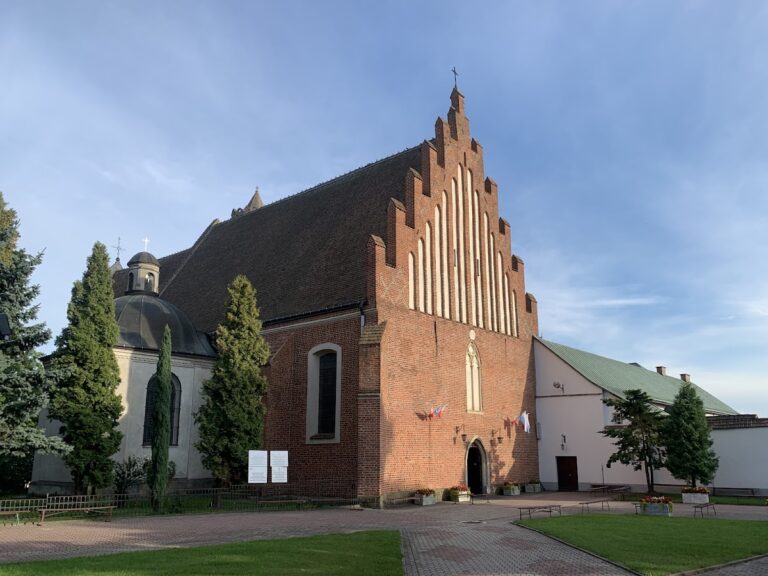
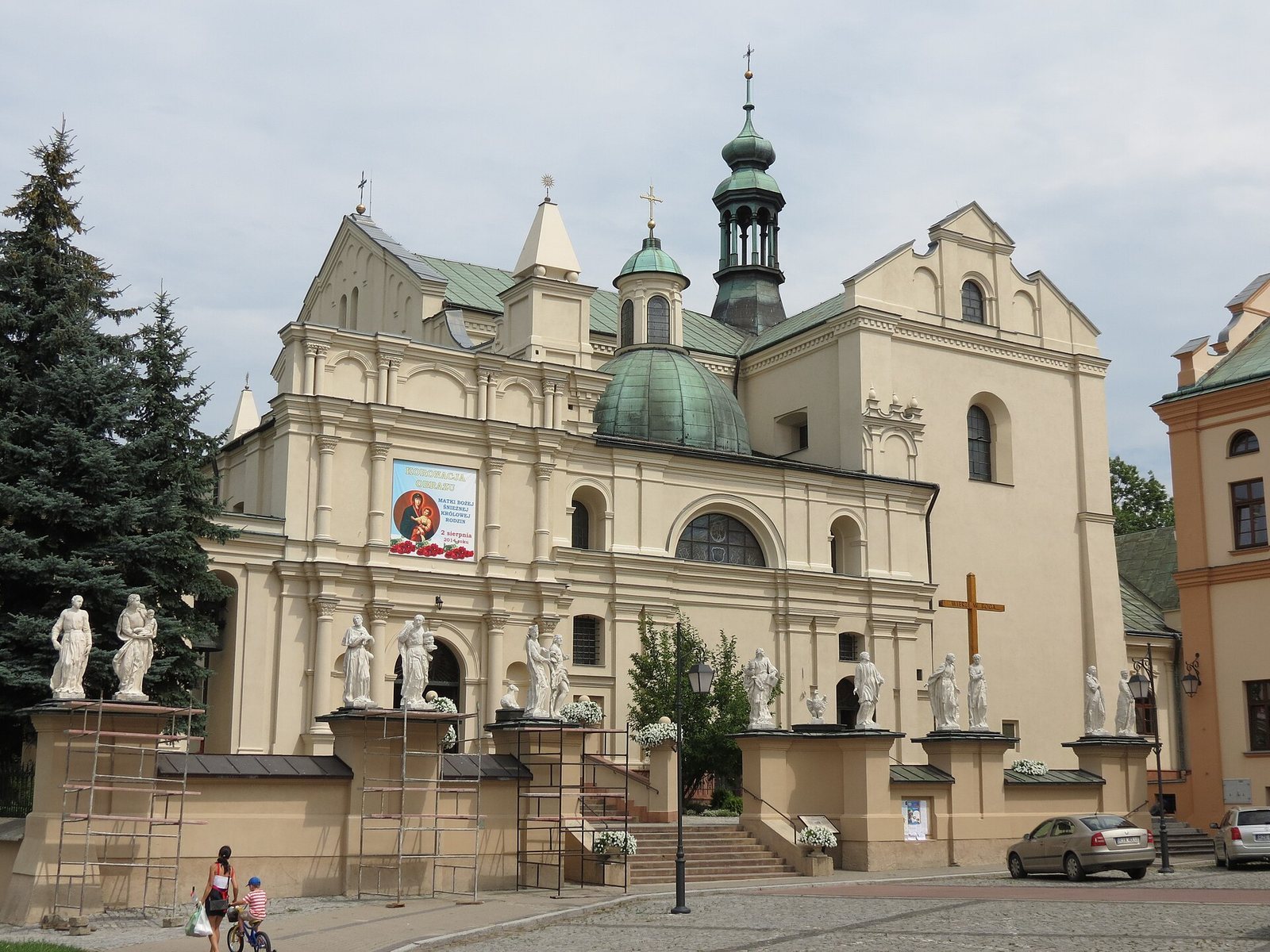
Corpus Christi Church in Jarosław, Poland, was built by the Jesuits between 1591 and 1594. Its architecture is associated with the Renaissance and Baroque periods. The church is identified as Poland’s oldest former Jesuit church, although during the First and Second Polish Republics that distinction was assigned to the Catholic church in Nieśwież. Today it is Roman Catholic and belongs to the Przemyśl Latin Archdiocese.
Jesuit foundation and early use
Polish noblewoman Zofia Odrowąż Tarnowska founded a Jesuit institution in 1571. The Jesuits were a Catholic religious order, and preacher Piotr Skarga helped organize the institution. Its church was dedicated to John the Baptist, the Christian preacher who baptized Jesus, and John the Evangelist, traditionally identified as the author of the Gospel of John.
The church was formally consecrated for worship by Bishop Wawrzyniec Goślicki on 24 April 1594, with Skarga preaching at the ceremony. Fires in 1600 and 1625 led to reconstruction. After the Jesuit order’s suppression, or formal dissolution, its rich furnishings were confiscated.
Parish use and change of title
Following the First Partition of Poland and the Habsburg annexation of the area, the church became a military storehouse in 1773. After the collegiate church closed, it became a parish church in 1804. Prince Adam Jerzy Czartoryski, a Polish prince and statesman, bought the building from the authorities in 1808 and gave it to the parish.
A fire in 1862 burned the interior and destroyed historic furnishings that had been transferred from the collegiate church. After repairs, the church was consecrated again in 1863. Bishop Jakub Glazer gave it the title of Corpus Christi in 1890. Corpus Christi is the Christian feast honoring the Eucharist.
Image of Our Lady of the Snows
The image of Our Lady of the Snows, a Catholic devotional title for Mary, was probably made in the second half of the sixteenth century and brought to Jarosław between 1573 and 1580, likely through the Jesuits. Devotees associated the image with graces, healings, and conversions, and left votive offerings, gifts made in prayer or thanksgiving. The offerings were destroyed or confiscated after the Jesuit order’s suppression and in the 1862 fire. The image survived the fires of 1600 and 1625 and was regarded as miraculously saved during the 1862 blaze.
In 2007, Archbishop Józef Michalik gave the image the title Blessed Virgin Mary, Queen of Families, and designated 5 August, the liturgical feast of Our Lady of the Snows, as its indulgence day, a date for a special act of Catholic devotion. On 2 August 2014, Michalik crowned the image in Jarosław’s Market Square with crowns blessed by Pope Francis.
Remains
Church fabric and additions
The brick church was originally laid out as a single nave crossed by a transept, the crosswise part of a church that intersects its main body. Its design drew on Il Gesù, a major Jesuit church in Rome. Chapels were added between 1616 and 1624, followed by a porch between 1625 and 1628. The building also has a screen-type bell tower, a wall-like structure with openings for bells. Sculptures by Tomasz Hutter were placed in front of the church in 1722; the sculptures now there are copies.
Interior and devotional works
Painted decoration and organ
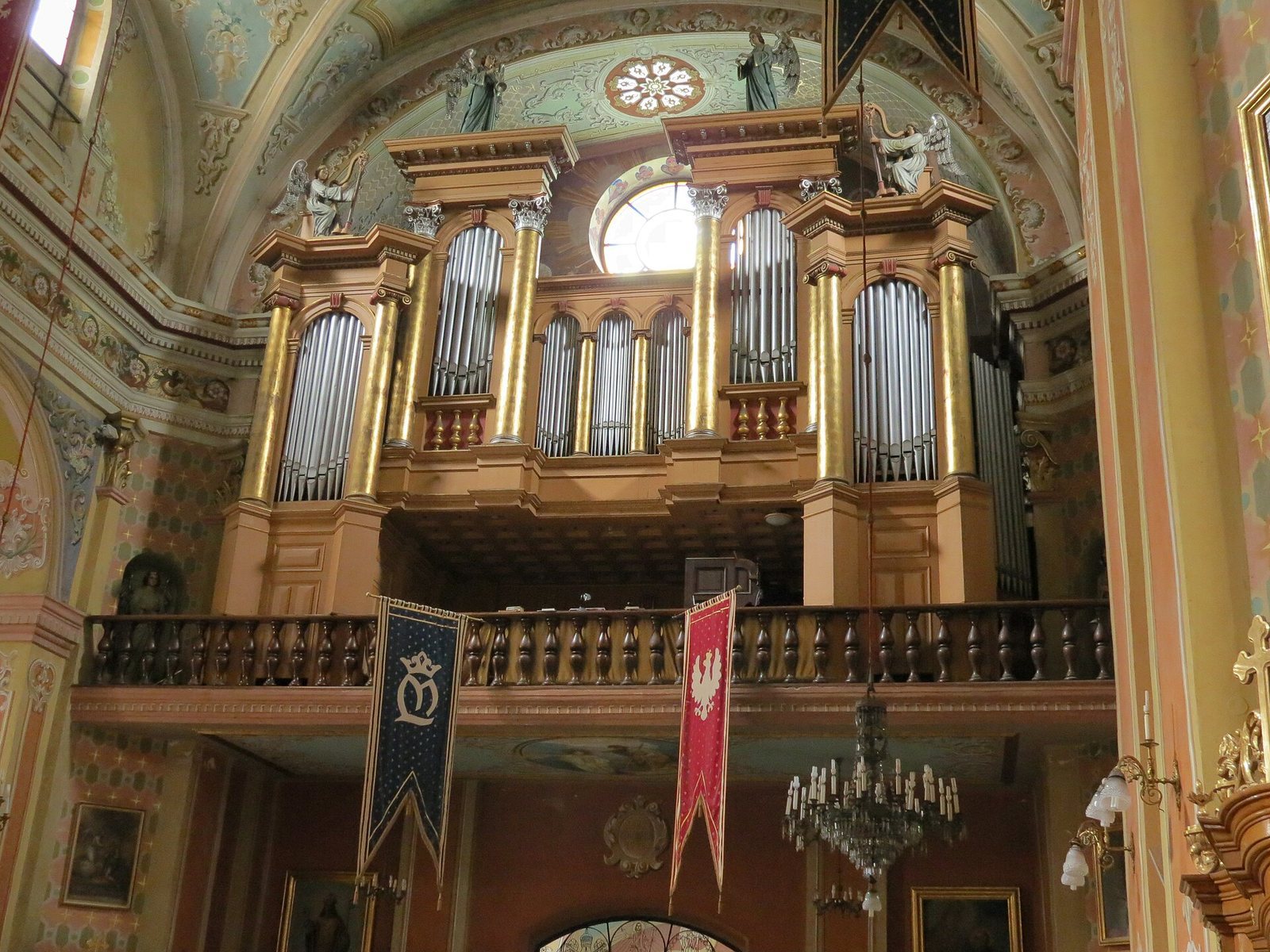
The interior dates to the mid-nineteenth century. Leonard Winterowski created its multicolored painted decoration in 1912, and Józef Steciński restored and supplemented it during the 1970s. The organ has 36 stops, each controlling a set of pipes, and three manuals, or hand-played keyboards.
Image of Our Lady of the Snows
The image is a copy of the Roman image of Mary known as Salus Populi Romani, meaning “Salvation of the Roman People.” Archival evidence supports its Roman origin, while its artistic quality has led to its attribution to a Flemish master. First placed in the Chapel of Our Lady, it was moved to the main altar in 1976 after conservation in the twentieth century.
Other historic devotional works
The church preserves a sixteenth-century statue of the Virgin from the former collegiate church, made in the Late Gothic style, a later phase of medieval Gothic art. Another surviving devotional object is an eighteenth-century cross by Antoni Osiński.