Convento de São Domingos de Lisboa: Dominican Monastery and Church
Site at a Glance
- Rating
- 4.5
- Popularity
- Medium
- Country
- Portugal
- Primary era
- Early Modern
- Eras represented
- Medieval, Early Modern
- Civilizations
- Portuguese
- Site type
- Religious
- Remains
- Church
On this page8 sections
History
Foundation and royal-era events
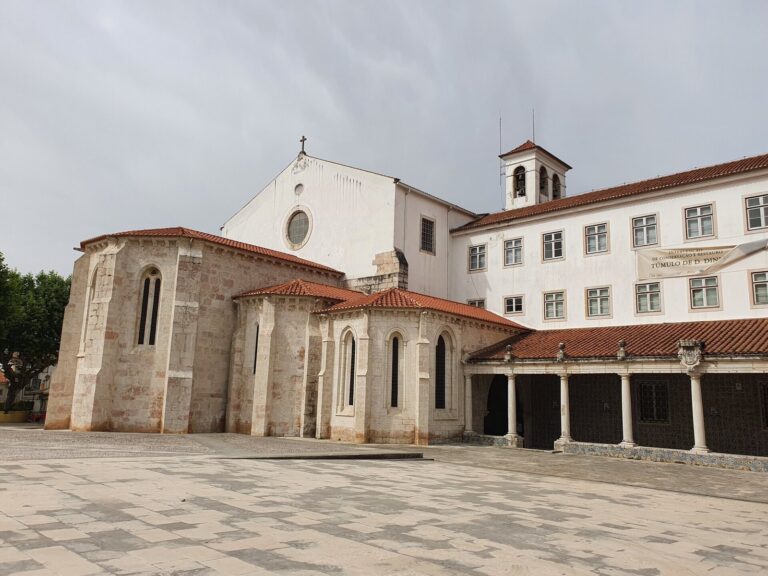
Convento de São Domingos de Lisboa was a Dominican monastery in Lisbon, Portugal, founded in 1242 by King Sancho II. It belonged to the Dominican Order, a Catholic religious order, and was later enlarged under Kings Afonso III and Manuel I.
In 1385, King João I convened the Cortes of Coimbra at the monastery. The Cortes were assemblies called by the monarch, and the meeting took place on the advice of Nuno Álvares Pereira, a Portuguese military commander and constable who was later venerated as a saint.
Conflict, earthquakes, and rebuilding
The Lisbon Massacre began at the monastery in 1506, when worshippers beat a recently converted Christian of Jewish origin to death during Mass. The monastery was closed for the following eight years. An earthquake in 1531 badly damaged the buildings, and rebuilding began in 1536.
The earthquake of 1755 caused further destruction. The main chapel survived, and the church was rebuilt afterward. The quake also destroyed its silver processional image and platform, silver lamps, altar paintings, vestments, and other treasures.
Dissolution and modern history
The convent was dissolved in 1834. A fire on 13 August 1959 destroyed the church’s interior decoration. Following repairs, the church reopened in 1994, with damage from the fire still visible. On 21 March that year, the Dominican Order opened a new convent elsewhere in Lisbon.
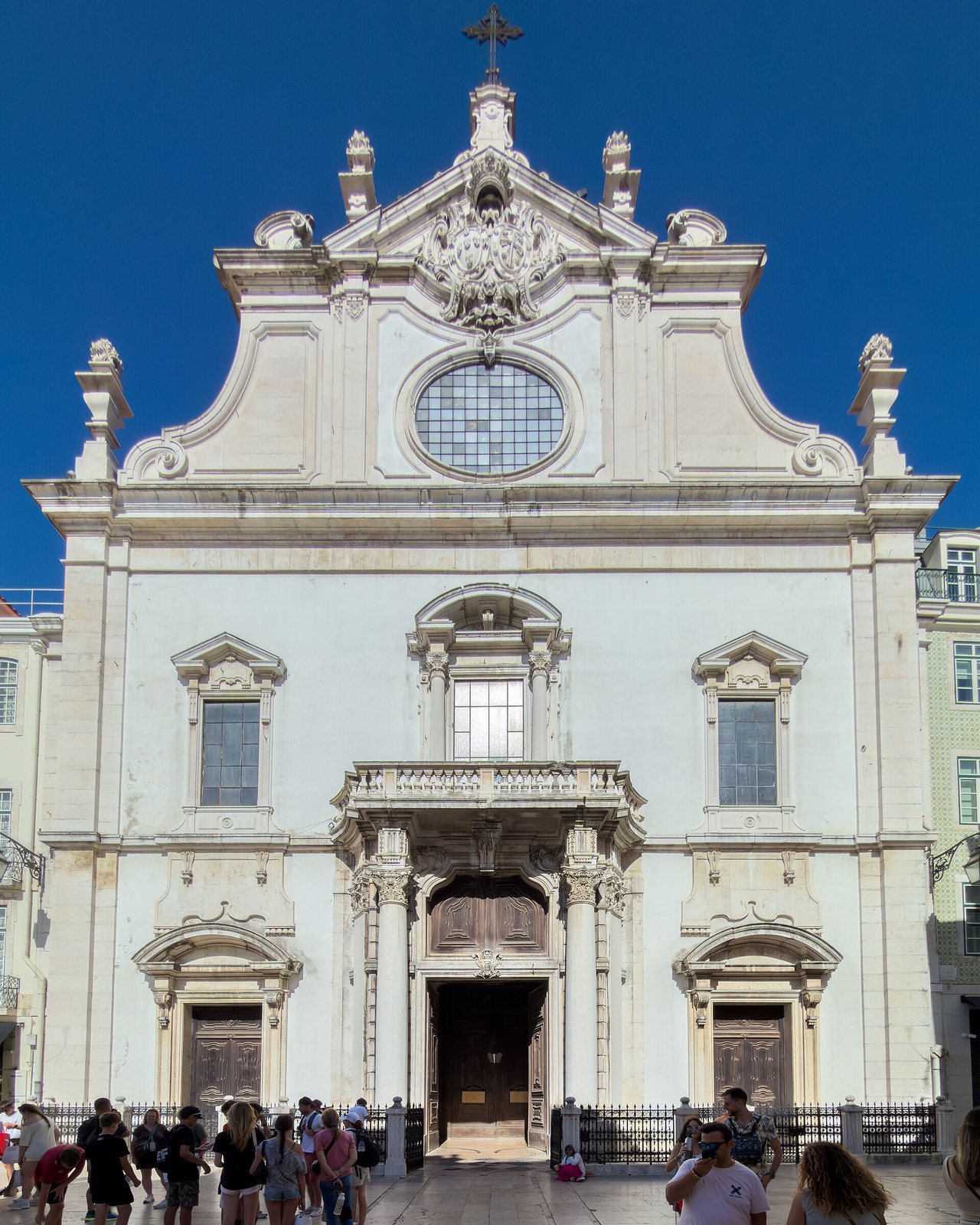
The historic church serves as the seat of the parish of Santa Justa and Santa Rufina and is classified as a National Monument.
Remains
Site and convent remains
The convent occupied Largo de São Domingos in the parish of Santa Justa, within Lisbon’s old walls. Part of its earlier construction remains visible indoors beside the church sacristy, a room used to store objects for worship and for clergy to prepare for services. The old Church of São Domingos stood beside the Hermitage of Our Lady of the Steps, also called the Hermitage of Our Lady of Corredoura. The small shrine dated to the early years of the Portuguese monarchy and lay near Corredoura, now Rua das Portas de Santo Antão.
Church fabric and interior
The main chapel, commissioned by King João V, is the portion of the church that survived the 1755 earthquake. During the rebuilding, builders reused the portal and the balcony above it from the Patriarchal Basilica at Ribeira Palace. The church’s interior had gilded carved altars, images, and paintings before the 1959 fire destroyed its decoration. Cracked columns still show traces of the fire, while varied colors of marble distinguish the interior.
Objects associated with Fátima
The church displays half of the handkerchief used by Lúcia dos Santos on 13 October 1917, when she and Jacinta Marto were among the children who reported appearances of Mary at Fátima. The other half is at the Sanctuary of Fátima. The church also displays the rosary Jacinta used that day.