Church of Trinity in Kozhevniki: A Russian Baroque Church in Moscow
Site at a Glance
- Popularity
- Low
- Country
- Russia
- Primary era
- Early Modern
- Eras represented
- Early Modern
- Civilizations
- Russian
- Site type
- Religious
- Remains
- Church
On this page7 sections
History
Foundation and eighteenth-century additions
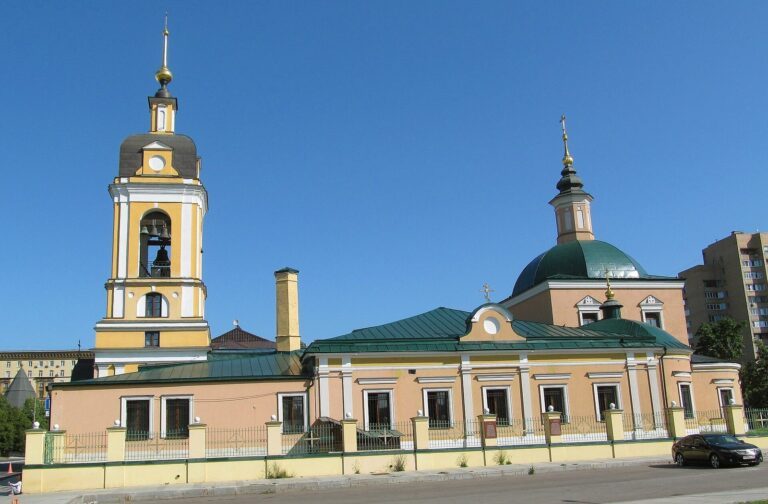
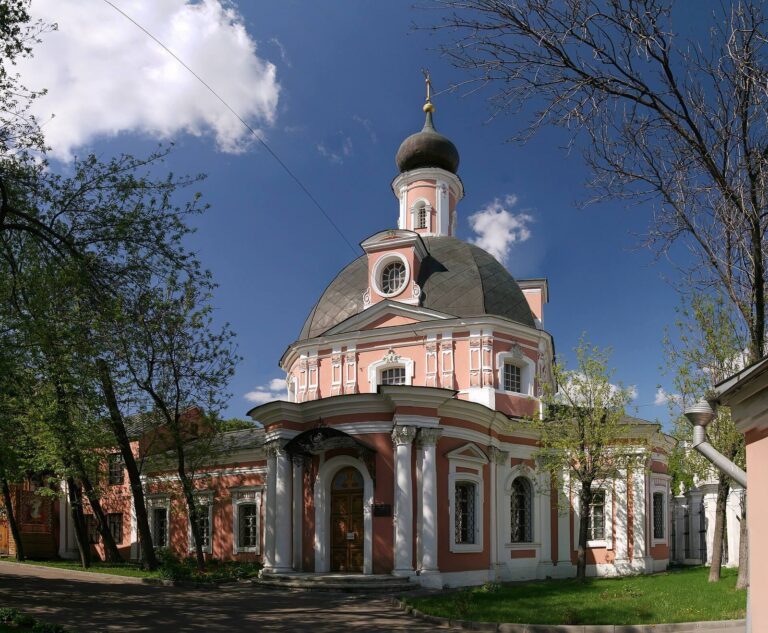
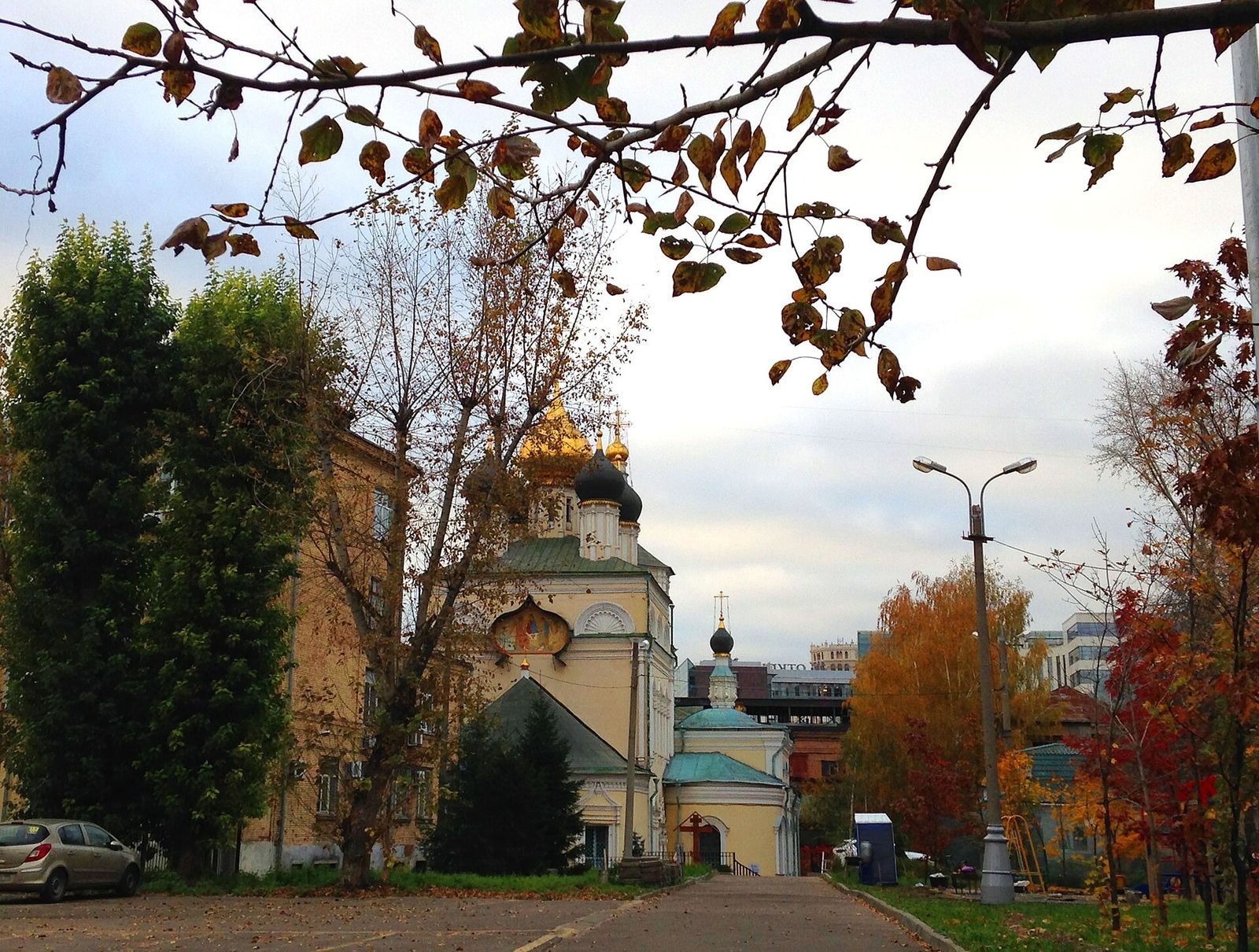
The present Church of Trinity in Kozhevniki is a Russian Orthodox church in Moscow, Russia, built in 1686–1689 in the Russian Baroque style, which developed in Russia during the late seventeenth and eighteenth centuries. Its name refers to the Christian doctrine of one God in three persons, the Father, the Son, and the Holy Spirit.
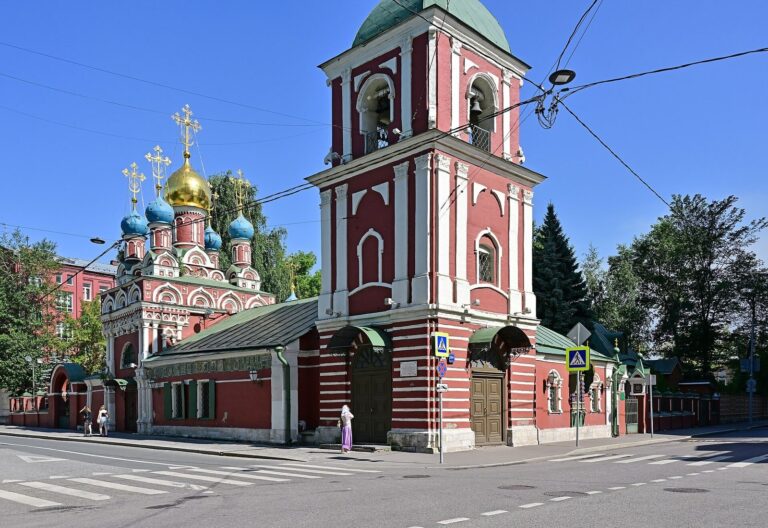
A wooden Church of the Life-Giving Trinity stood in the Kozhevniki leatherworkers’ settlement from around 1625. The present church was built on its site. A bell tower was added in 1722, probably to a design by architect Ivan Zarudny, and an attached dining hall was constructed in the early eighteenth century.
Soviet closure and restoration
Soviet authorities closed the church during the 1920s or 1930s. The building was partly damaged, including the loss of its crowning elements, and icons the state deemed valueless were burned in the churchyard. Extensive restoration took place in the 1980s, when the building was intended for conversion into a concert hall.
Return to religious use
In 1992 the church was transferred to the Russian Orthodox Church, an Eastern Orthodox church, and consecrated again. Archpriest Alexander Zaitsev, a senior Orthodox cleric, later led a restoration campaign lasting 22 years. The church remains active within the Moscow Diocese, a territorial church jurisdiction, and the Danilov Deanery, a local grouping of parishes. It has federal-level cultural heritage status in Russia. A counseling center at the church offers spiritual support to people experiencing pathological dependencies.
Remains
Church and attached spaces
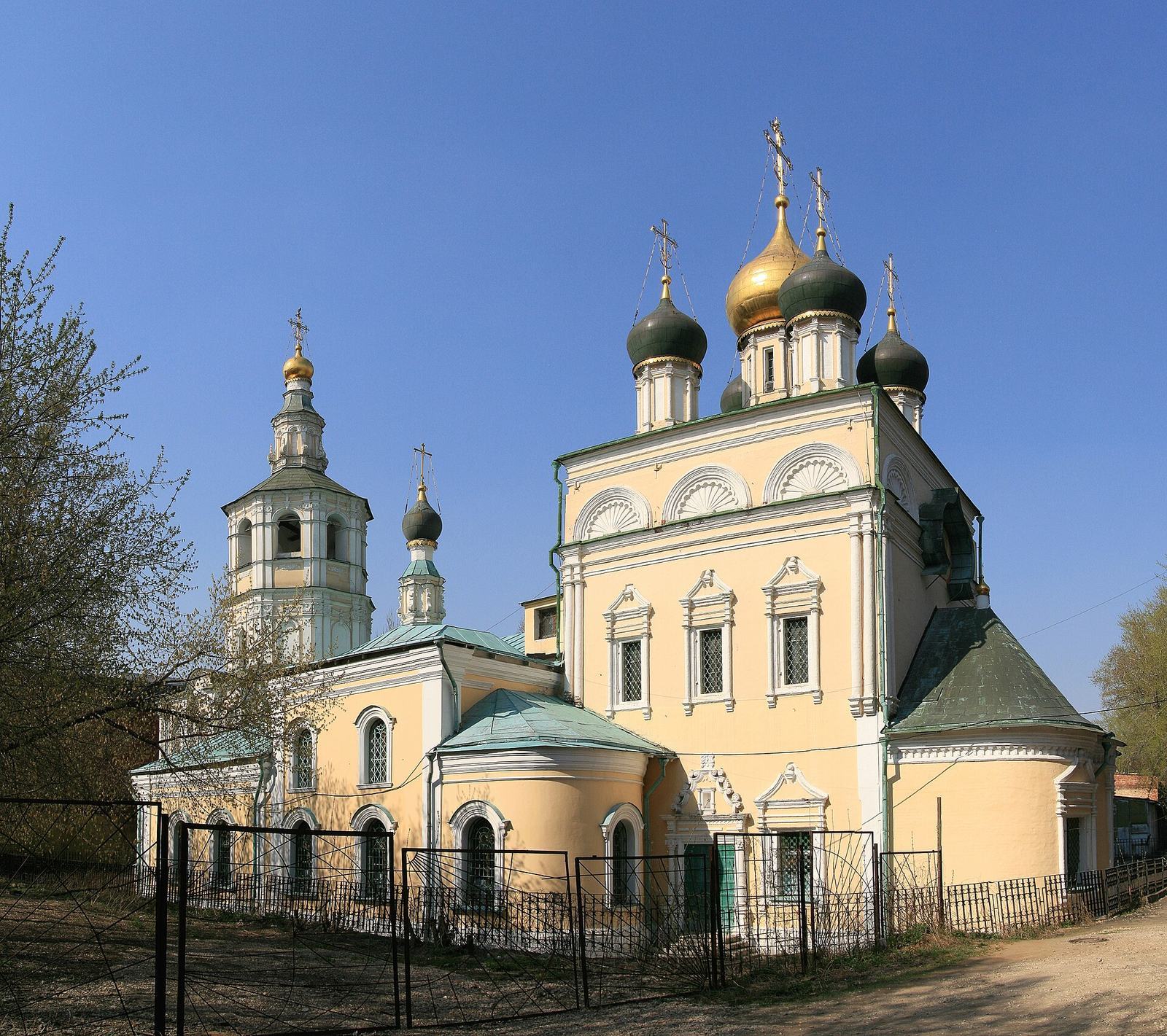
The church has a square plan and five domes. Its main altar, dedicated to the Life-Giving Trinity, is in the church proper. Two further altars are in the attached dining hall: one is dedicated to Cyrus and John, physician saints traditionally associated with healing without payment, and the other to Paraskeva, a Christian saint.
Bell tower and restoration
The bell tower has a four-sided base supporting an eight-sided upper section. During the 1980s restoration, the domes and crosses were restored, earlier window forms were revived, interior partitions were removed, and demolished chapels were rebuilt.