Church of the Kazan Icon of the Mother of God: An Orthodox Church in Kotelniki
Site at a Glance
- Popularity
- Medium
- Country
- Russia
- Primary era
- Early Modern
- Eras represented
- Early Modern, Modern
- Civilizations
- Russian
- Site type
- Religious
- Remains
- Church
On this page10 sections
History
Foundation and consecration
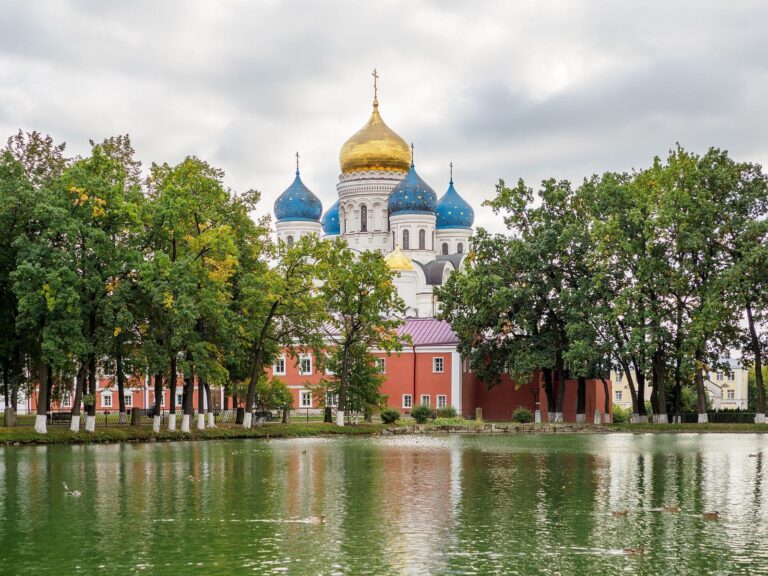
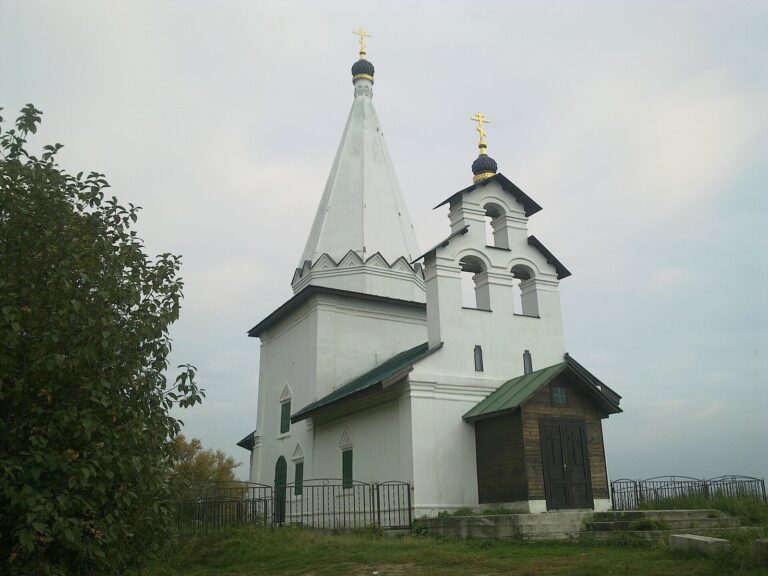
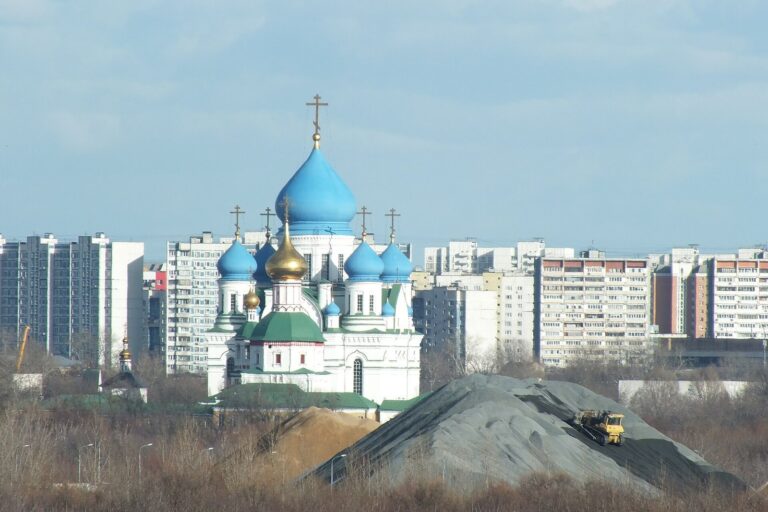
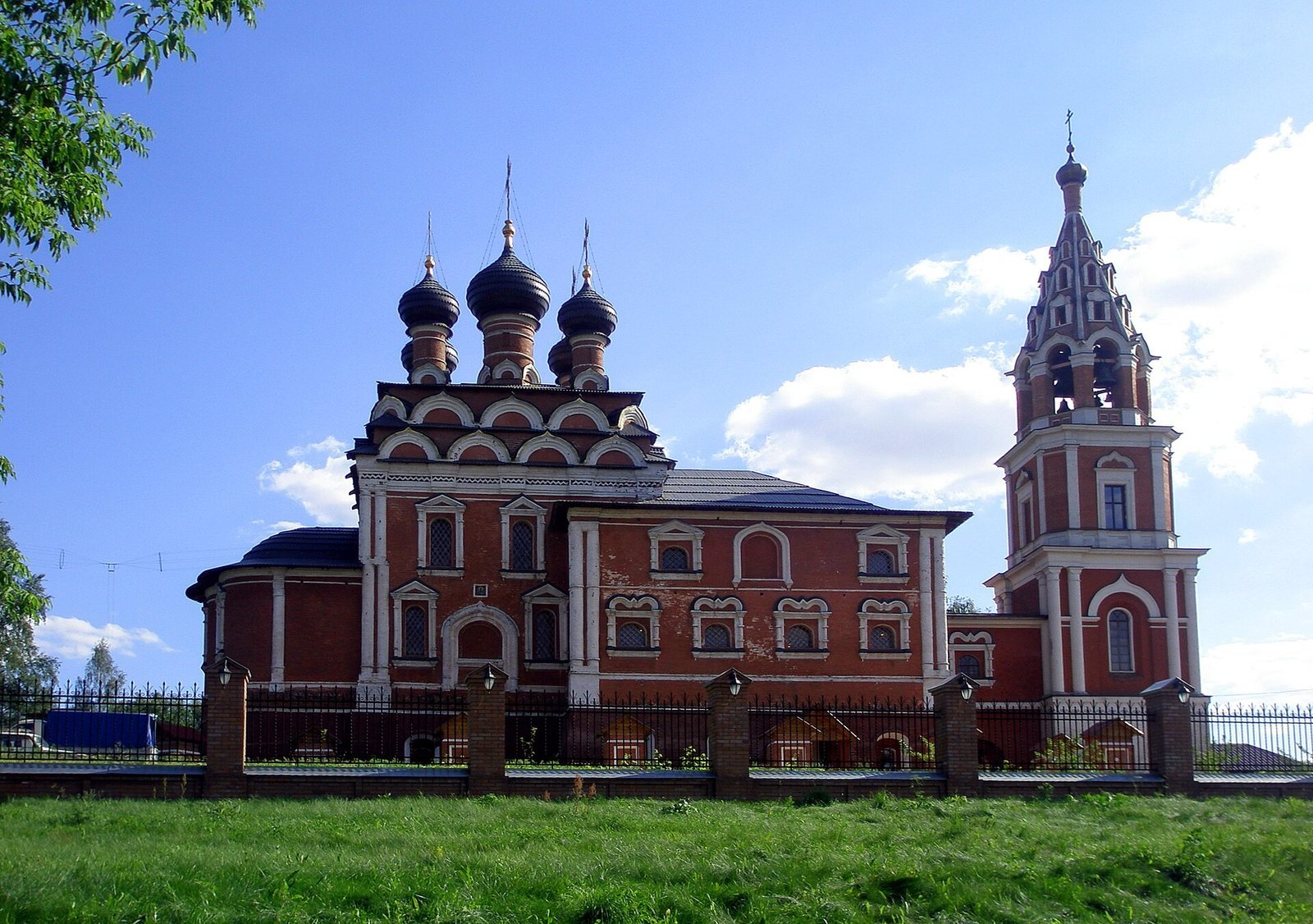
The Church of the Kazan Icon of the Mother of God is an active Russian Orthodox church in Kotelniki, Moscow Oblast, Russia. Dedicated to the Kazan Icon, a revered image of Mary, it was built from 1675 to 1680 in the Russian ornamental style, an elaborately decorated tradition associated especially with seventeenth-century Russian churches. The village of Kotelniki became a tsar’s village in 1676, while construction was underway.
Patriarch Joachim consecrated the church in 1684, with Tsars Peter I and Ivan V present. A local tradition credits Peter I’s mother with donating the church’s icon of the Kazan image.
Later use and commemoration
On February 19, 1926, Archbishop Innokenty Sokolov led a requiem liturgy and funeral service for Metropolitan Makary. Six bishops and seventy-nine clergy took part. The church remains part of the Russian Orthodox Church, within the Podolsk diocese, a church territory administered by a bishop, and the Lyubertsy deanery, a grouping of parishes. Its patronal feast is observed on November 4 and July 21.
Closure and restoration
The church closed in 1938 and was partly demolished. It reopened in 1990 and has since been fully restored. It is a federal-level cultural heritage site in Russia.
Remains
Church complex
Church building
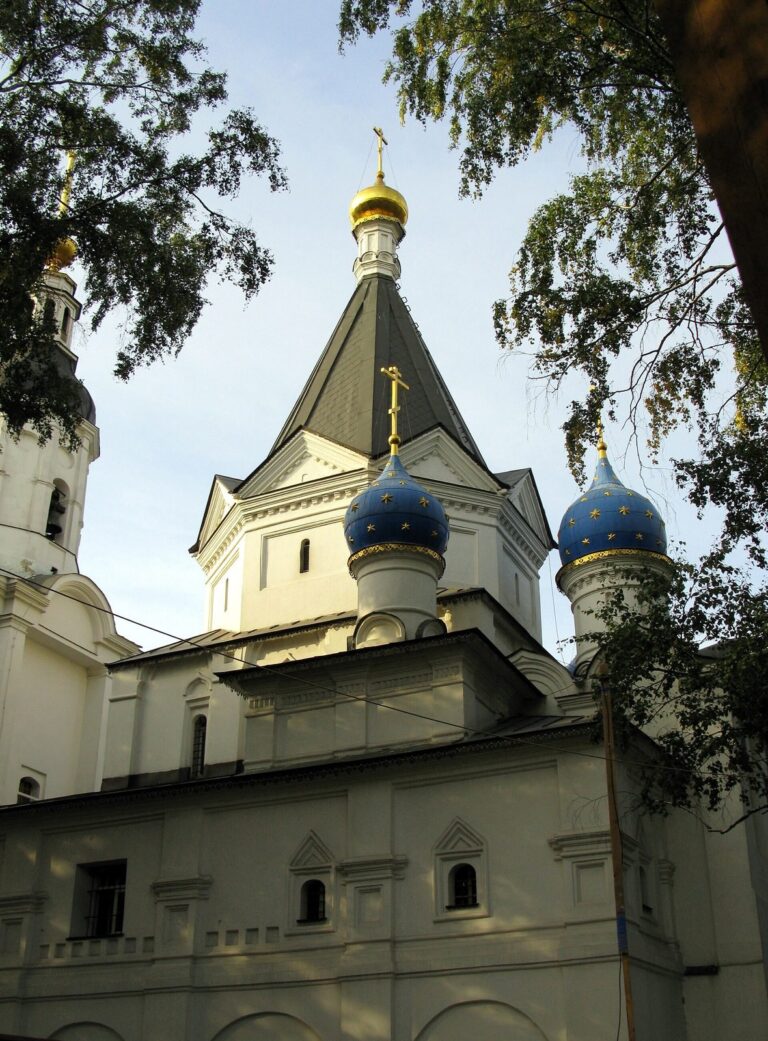
The main building is made of stone and stands on a high basement. Its five domes form the church’s principal upper structure. A copy of the Kazan Icon of the Mother of God serves as its principal icon.
Basement chapels
The basement first housed a chapel dedicated to St. Nicholas. Chapels dedicated to Pankratius and Theodosius of Chernigov were later established there, in 1821 and 1902 respectively.
Bell tower
A bell tower forms part of the church complex. It was built in the first half of the nineteenth century by architect Alessandro Gilardi.
Metropolitan Makary’s burial place
Metropolitan Makary was buried within the church grounds, near the altar.