Fort VIa in Poznań: A Fort of the Poznań Fortress


Site at a Glance
- Rating
- 4.5
- Popularity
- Low
- Country
- Poland
- Primary era
- Modern
- External website
- Open
- Eras represented
- Modern
- Civilizations
- German, Kingdom of Prussia
- Site type
- Military
- Remains
- Fort
On this page7 sections
History
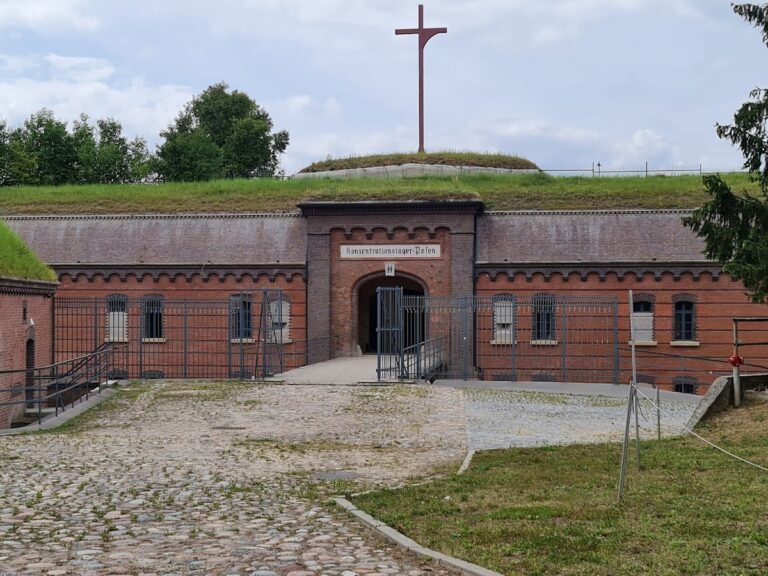
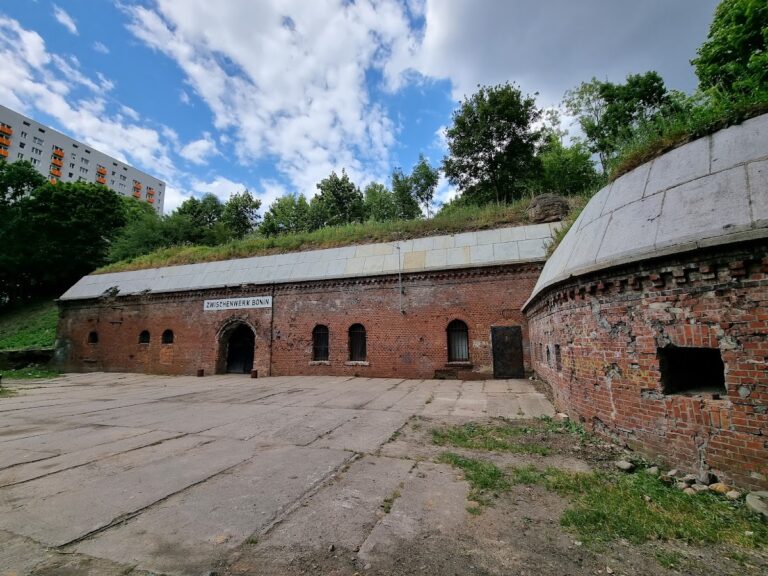
Fort VIa in Poznań, Poland, was a Prussian fort built between 1879 and 1882 in the first stage of construction of the Poznań Fortress, a large nineteenth- and twentieth-century system of defensive works around the city. One of 18 forts in that system, it served originally as a magazine for gunpowder and projectiles and formed part of the fortress’s network of intermediate defenses.
Construction and changing names
The Engineering Committee of the Main Inspectorate of Fortresses designed the fort. It was first called Stockhausen in honor of August von Stockhausen, a Prussian military officer. The name had previously belonged to Cavalier V Stockhausen. In 1931, the fort’s patronage was changed to Polish figures, and it was renamed for General Ludwik Bogusławski, a Polish military officer.
Fort VIa was modernized and strengthened in 1888. During this work, both front caponiers were demolished and replaced with reverse-scarp caponiers, defensive structures positioned on the inner side of a moat to help protect it.
The Battle of Poznań
During the Battle of Poznań, Russian forces attacked the railway line running south from Poznań toward Oborniki, while machine guns were placed on the railway embankment. Fort VIa was attacked and almost surrounded. Karlheinz Enke reported that a small group of soldiers brought ammunition to the fort by sledges during the night of either 3–4 or 4–5 February.
The garrison hoped to surrender, but the soldiers carrying the ammunition did not bring the surrender order. Fort VIa therefore fell earlier than any other fort in the northern section of the defenses.
Destruction and protection
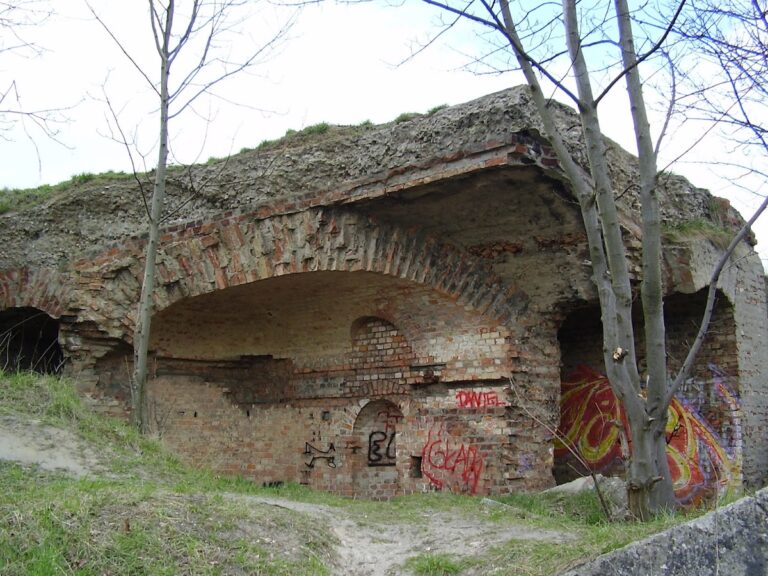
After the Second World War, the fort was blown up and largely dismantled. In the 1990s, approximately 200 German soldiers and 40 Hungarian soldiers were exhumed near the site. The fort grounds are part of the Natura 2000 protected area “Fortifications in Poznań” (PLH300005), within the European Union network established to conserve important habitats and species.
Fort VIa is listed as a protected monument under registration number A-245, dated 25 May 1983, and is owned by the City of Poznań. Around 2005, earth was brought onto the site to cover part of the gorge barracks, the moat, and the interiors of surviving corridors. The work was intended to organize the area and prepare it for land reclamation.
Remains
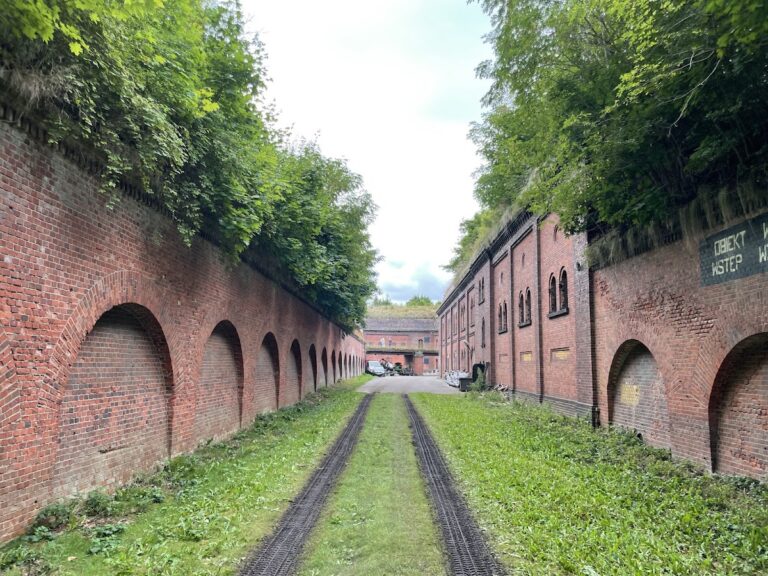
Fort VIa stands in the Golęcin area of Poznań. A railway line between Piła Główna and Poznań POD lies to the east, while Lake Rusałka lies to the south. Its unusual pentagonal plan distinguishes it from the trapezoidal plans used for other intermediate forts in the Poznań Fortress. The central section of the gorge barracks bends toward the front in a pincer-like form, shaping the fort’s outline.
Moat defenses and barracks
The surviving defensive structures include both counterscarp caponiers, which were placed in or against the outer slope or wall of the moat. These structures enabled defenders to direct fire along the moat or against attackers. The exits from the barracks to the courtyards also remain. Parts of the gorge barracks and the moat were later covered with earth, as were the interiors of surviving corridors.
Later shelters
Polish shelters constructed in 1939 survive among the fort’s remaining elements. They belong to a later phase of the site’s military use and stand alongside the surviving portions of the nineteenth-century fortification.