Church of St Mary, Radnage: A Medieval Parish Church in Buckinghamshire
Site at a Glance
- Popularity
- Low
- Country
- United Kingdom
- Primary era
- Medieval
- Eras represented
- Medieval, Early Modern, Modern
- Civilizations
- British, English
- Site type
- Religious
- Remains
- Church
On this page8 sections
History
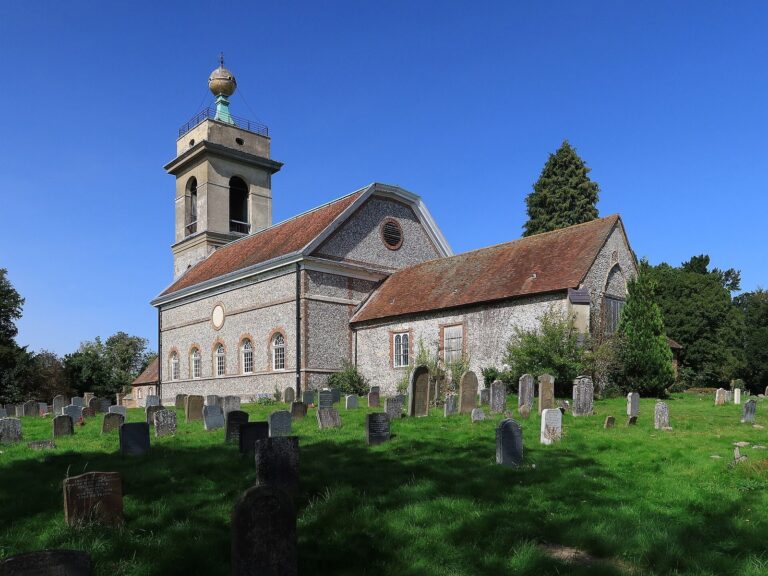
The Church of St Mary, Radnage is the Church of England parish church in Radnage, Buckinghamshire, United Kingdom. Dedicated to St Mary the Virgin, it belongs to the West Wycombe benefice, a clergy office serving one or more parishes, within the Diocese of Oxford, Archdeaconry of Buckingham and Wycombe Deanery.
Medieval development
The church was built in the late 12th and early 13th centuries, and its overall form largely survives. Later medieval work changed its windows and altered the nave, the main body of the church.
In 1986, the church was designated a Grade I listed building, England’s highest category for buildings of special architectural or historic interest. That year it also served as a principal filming location for A Month in the Country. Filming brought temporary changes to the interior and churchyard, and damaged interior plasterwork that was later restored.
Remains
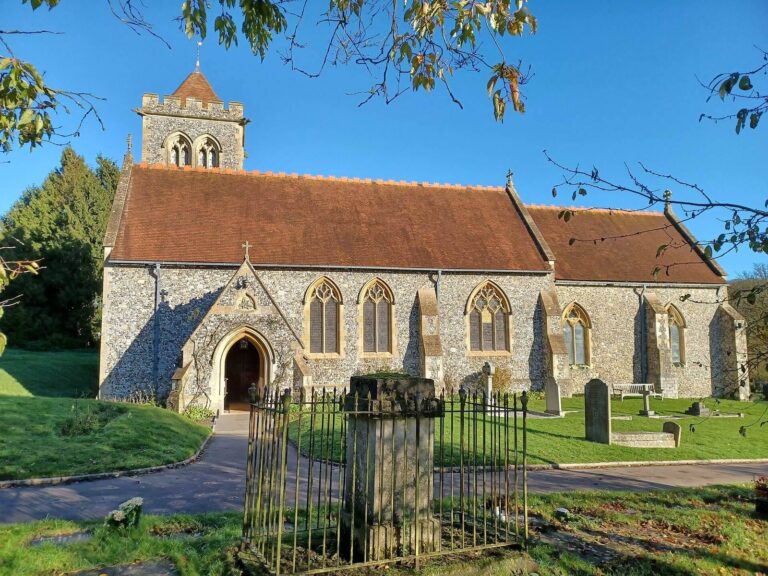
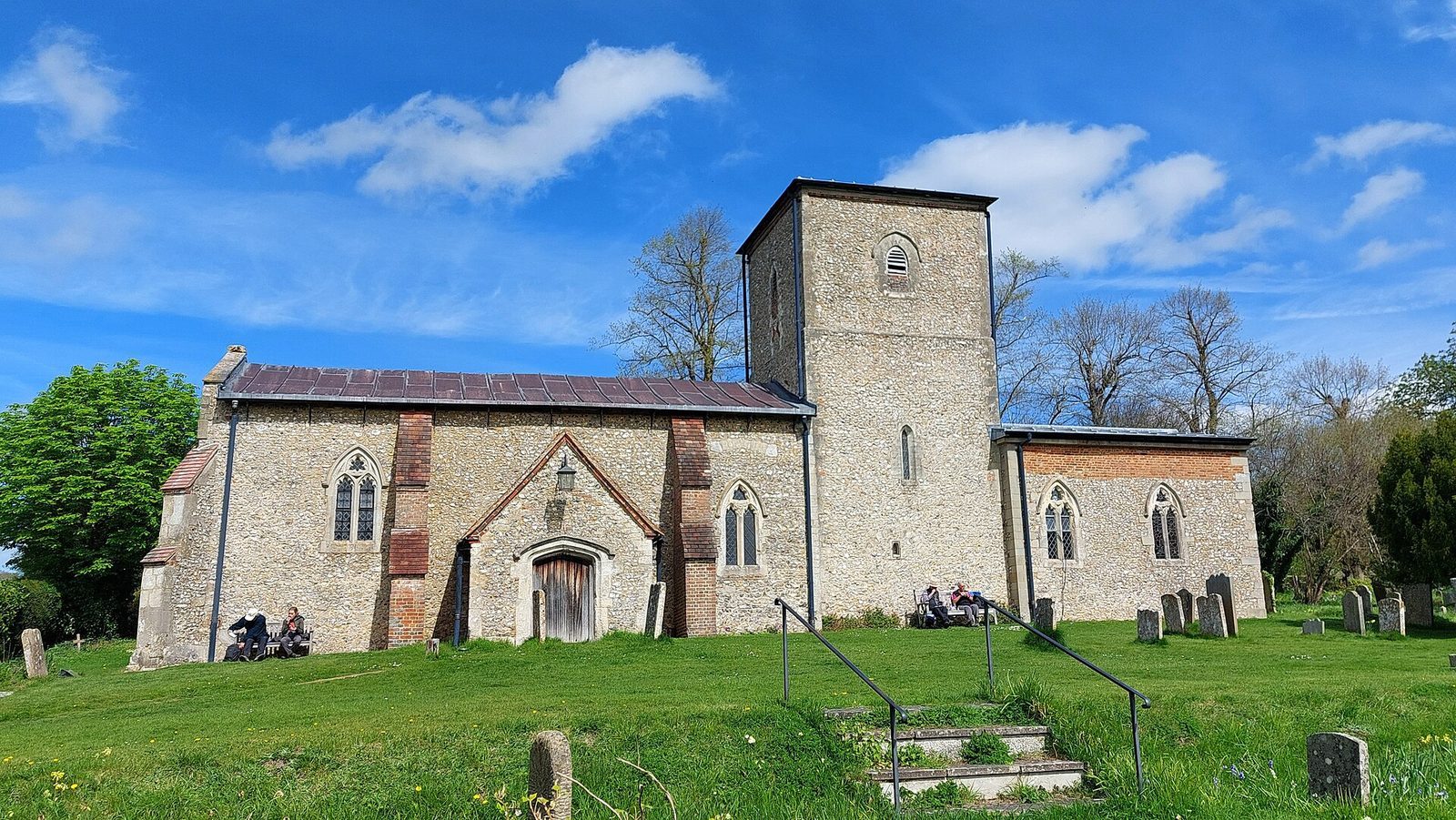
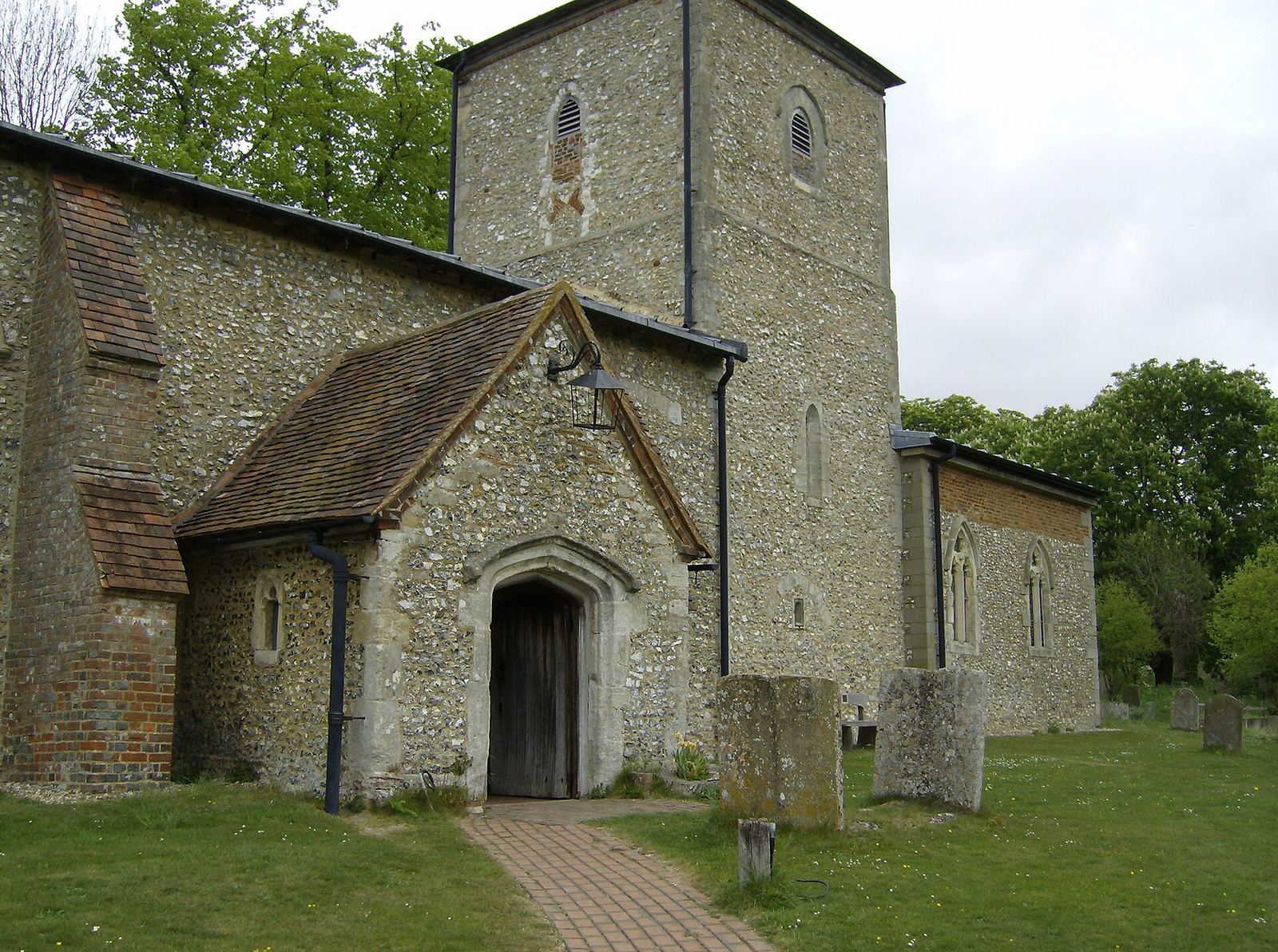
Built of flint with stone dressings and covered by lead roofs, the church has a nave and chancel, the area around the altar, divided by a narrower central tower. The tower has an archway through it, with pointed arches dating to the 13th century at either end.
Windows and entrances
Three early 13th-century lancets, narrow windows with pointed arches, occupy the east wall of the chancel. The other windows date from the 14th century. The original south doorway also survives from the early 13th century, while a similar north doorway is blocked. The south porch and its outer door are 13th-century additions; the porch has a 15th-century roof and windows of the same period in its side walls.
Roofs
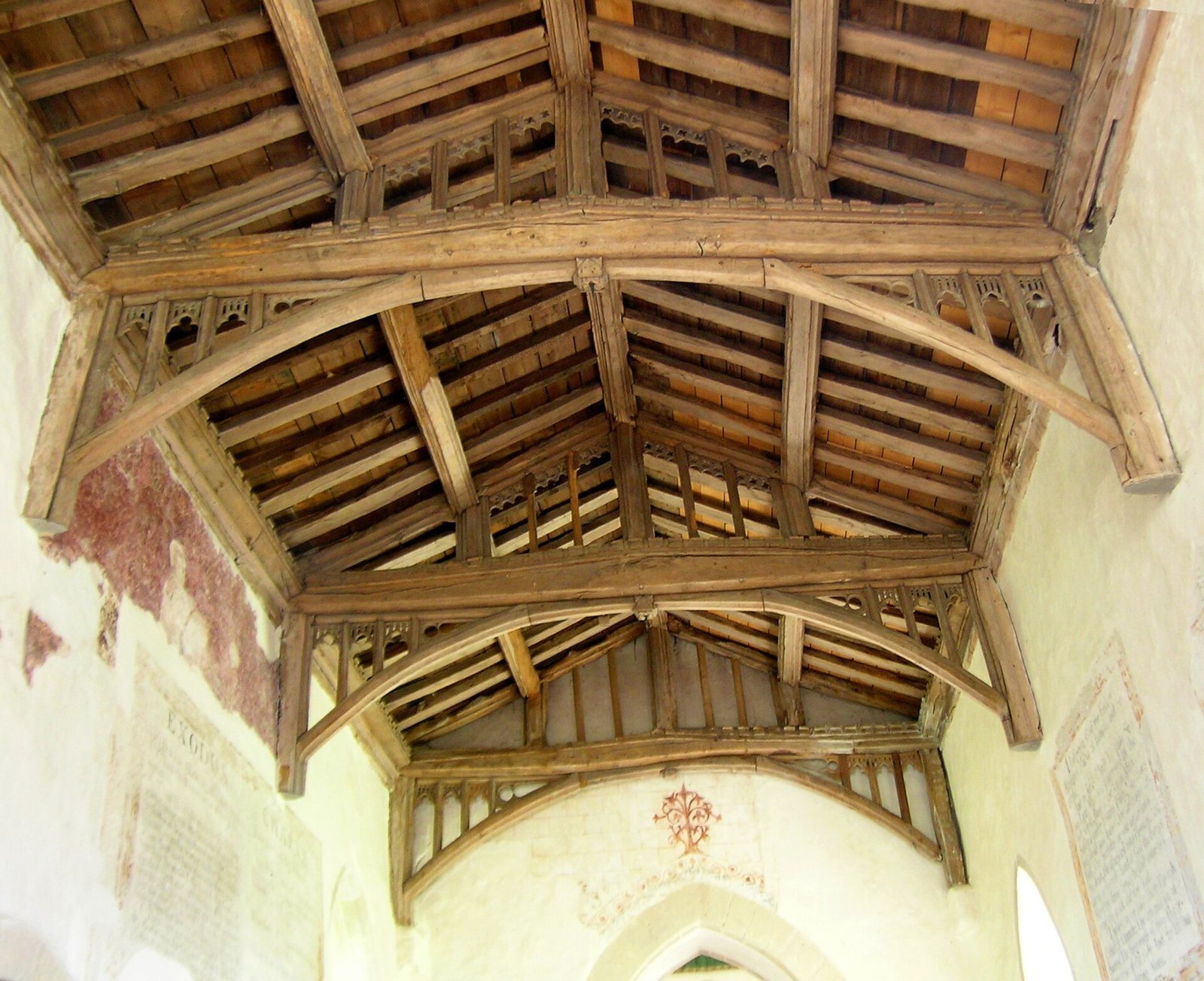
The 15th-century nave roof has tie-beams, which connect the sides of the roof structure, with crenellated outlines. Arched brackets support the beams, and decorative patterns fill the spaces between the arches and their frames, as well as the triangular areas above the beams. The chancel roof has a lower pitch and probably dates to the 16th century.
Interior features and filming set
Paintings and inscriptions
A damaged 13th-century piscina, a basin for washing communion vessels, is set into the chancel’s south wall. In the nave, traces of early wall painting survive alongside texts dating from the 16th to 18th centuries. A painting of the Apostles’ Creed, an early Christian statement of faith used in Western worship, is on the south wall. Several medieval wall paintings were present when the church was prepared for filming.
Fittings and temporary set dressing
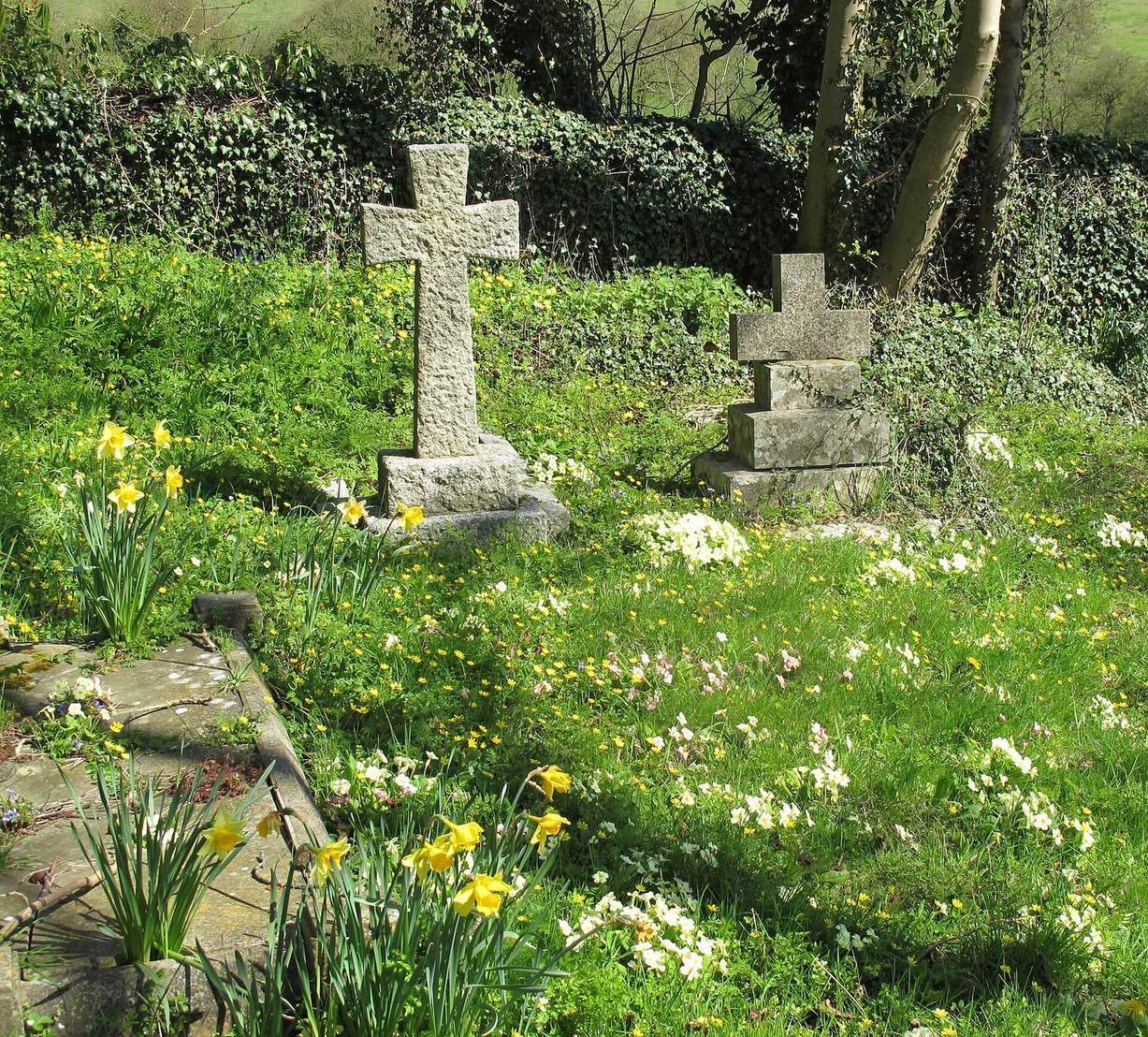
The font, a basin used for baptisms, probably dates from the 17th century. For the 1986 film, artist Margot Noyes created a mural in a medieval style. The filming set covered the original wall paintings and temporarily replaced Victorian stone floor flags with brick pavers. Plastic guttering and other modern additions were covered or removed. Gravestones were placed in the churchyard, including a large box tomb used in several scenes.