Church of St Gerhard de Sangredo in Vršac: A Neo-Gothic Catholic Parish Church
Site at a Glance
- Rating
- 4.8
- Popularity
- Medium
- Country
- Serbia
- Primary era
- Modern
- Eras represented
- Early Modern, Modern
- Civilizations
- Austria-Hungary, Austrian Empire, German, Habsburg, Habsburg Austria
- Site type
- Religious
- Remains
- Church
On this page12 sections
History
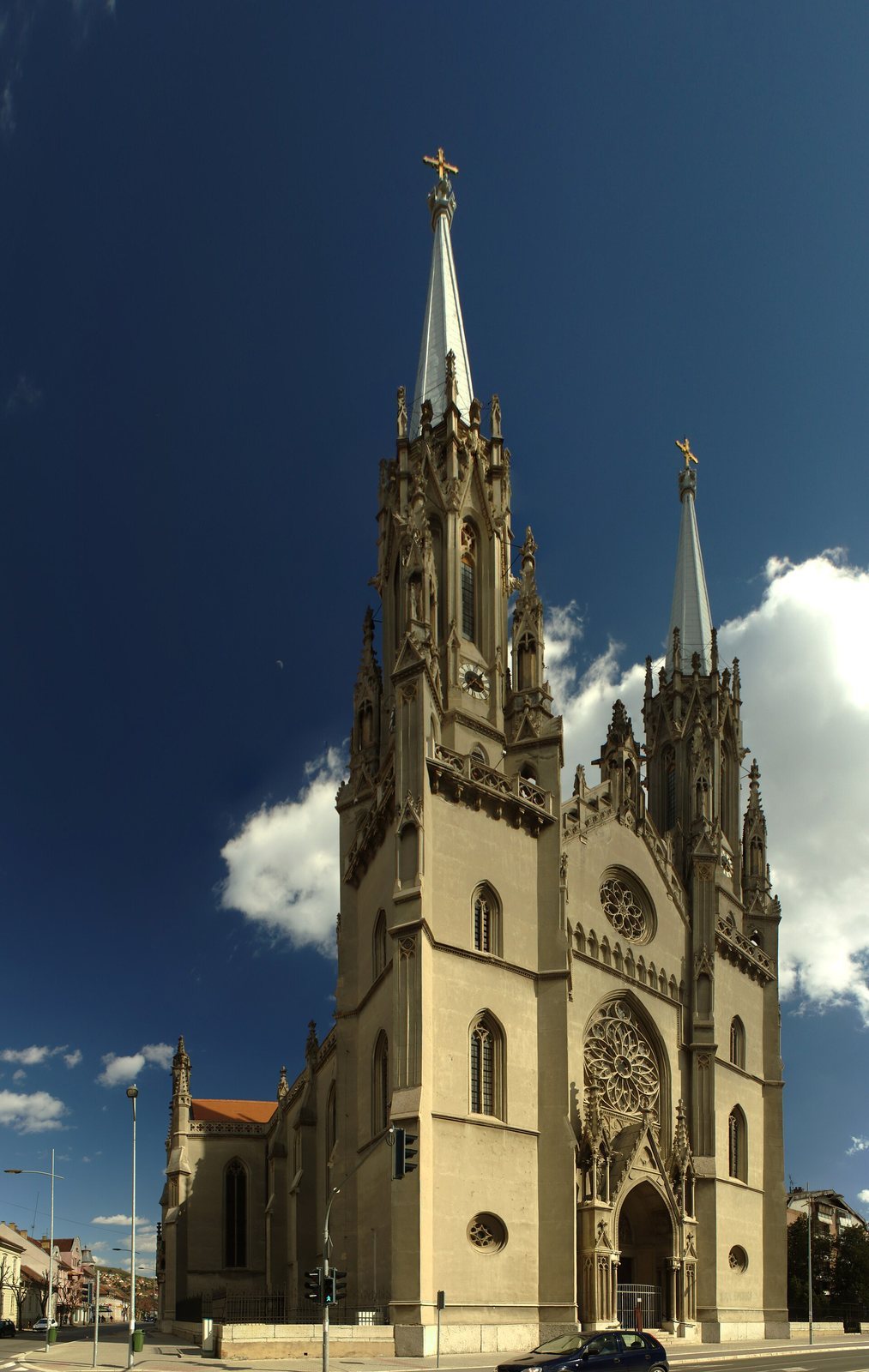
The Church of St Gerhard de Sangredo in Vršac, Serbia, is a Roman Catholic parish church built in the Neo-Gothic style between 1860 and 1863. Neo-Gothic is a revival of medieval Gothic architecture. Dedicated to Saint Gerhard of Csanád, also known as Gerard Sagredo, it honours an eleventh-century missionary and bishop who evangelized in Hungary and the Banat and founded the medieval Diocese of Csanád in the Kingdom of Hungary. The church belongs to the Diocese of Zrenjanin, a territorial church district overseen by a bishop, and serves a local parish community. It is Serbia’s largest Catholic church and, after the church in Budapest, the second-largest church dedicated to Gerhard.
Catholic settlement and the first church
German families became the first Catholic settlers in Vršac in 1717, after an Austro-Turkish War and a reorganization of regional administration. The area had been part of the Temeşvar Eyalet, an Ottoman province, before the Banat of Temeswar administration succeeded it. The parish was established in 1720. Before its first church was available, Catholics held services in a former mosque. Danube Swabians, German-speaking communities descended from settlers in the Danube basin, particularly in former Habsburg lands, built the first church in the early eighteenth century. Its tower was added between 1750 and 1751.
Present church and restoration
The present church was built from 1860 to 1863 and consecrated on 27 December 1863. Its architect is unidentified, though believed to have come from Vienna. The terracotta façade deteriorated rapidly and was restored in 1902 by the Viennese architects Knotgen and Bach.
Remains
Plan and exterior
Layout and scale
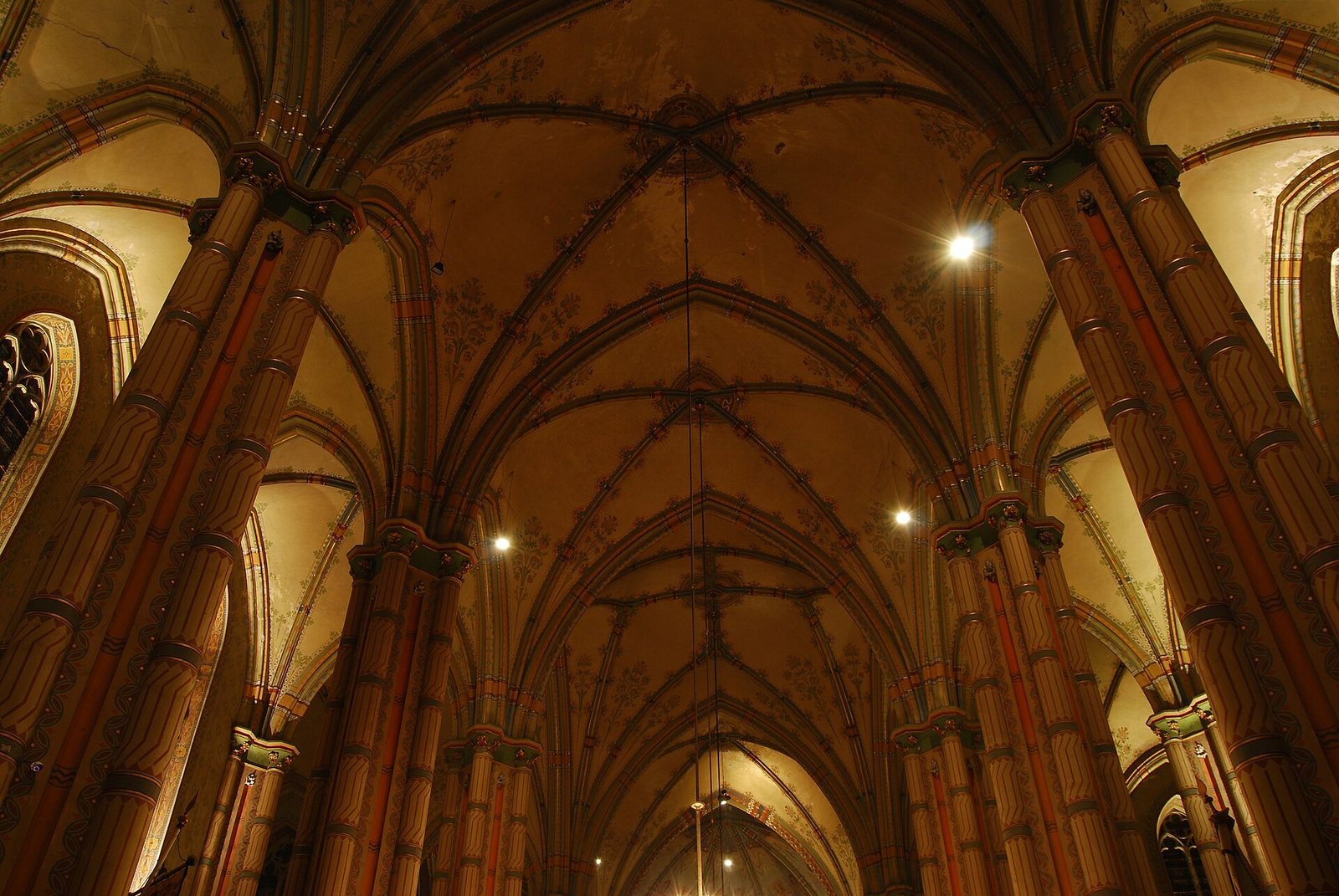
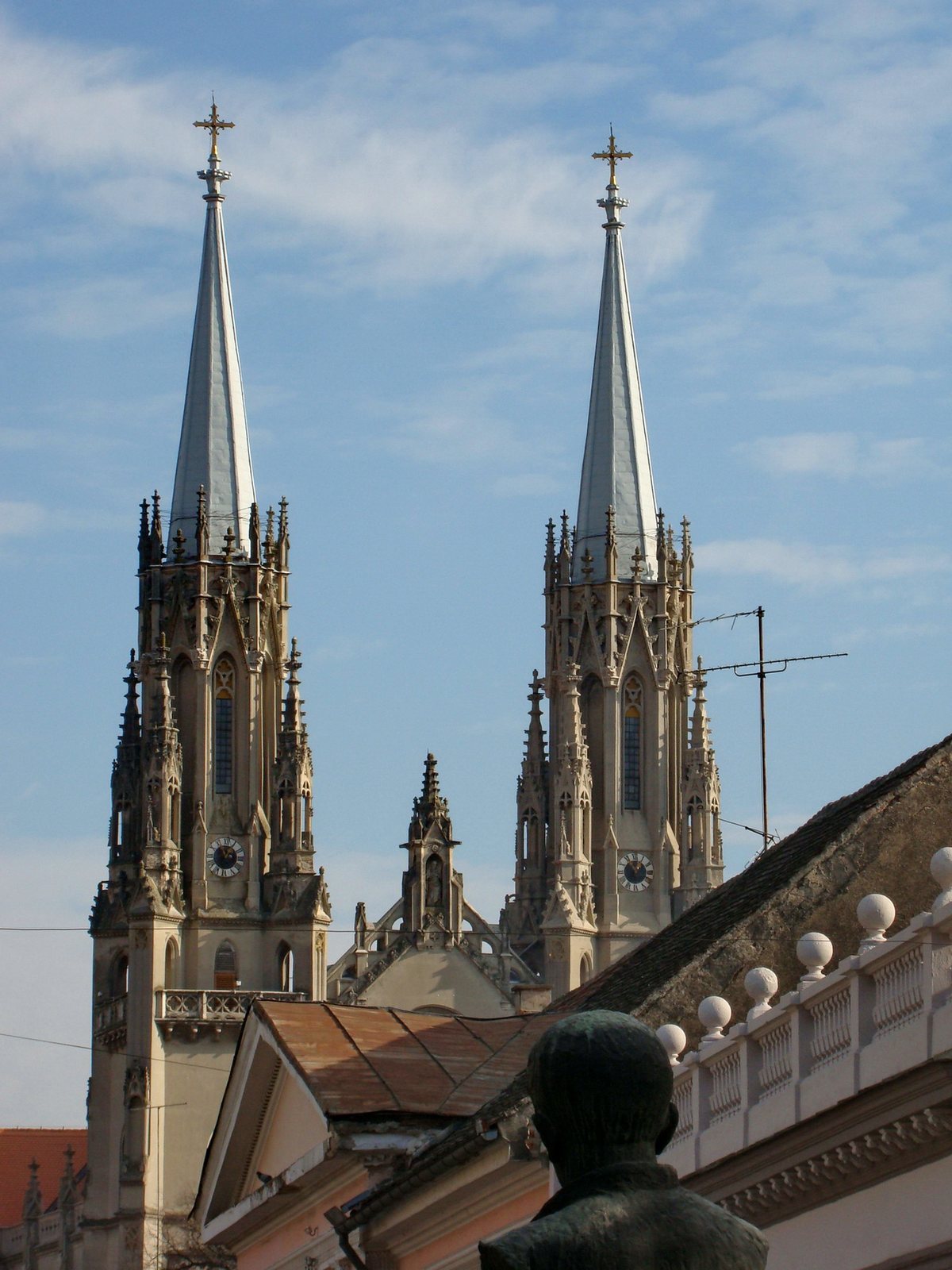
The church is a three-aisled hall church, with the nave and side aisles at similar heights to create a unified interior. Its Latin-cross plan has a long nave crossed by shorter transepts. The building is about 61 metres long and 22 metres wide; the interior is 19.5 metres high, and its towers rise to 63 metres.
Façade and sculpture
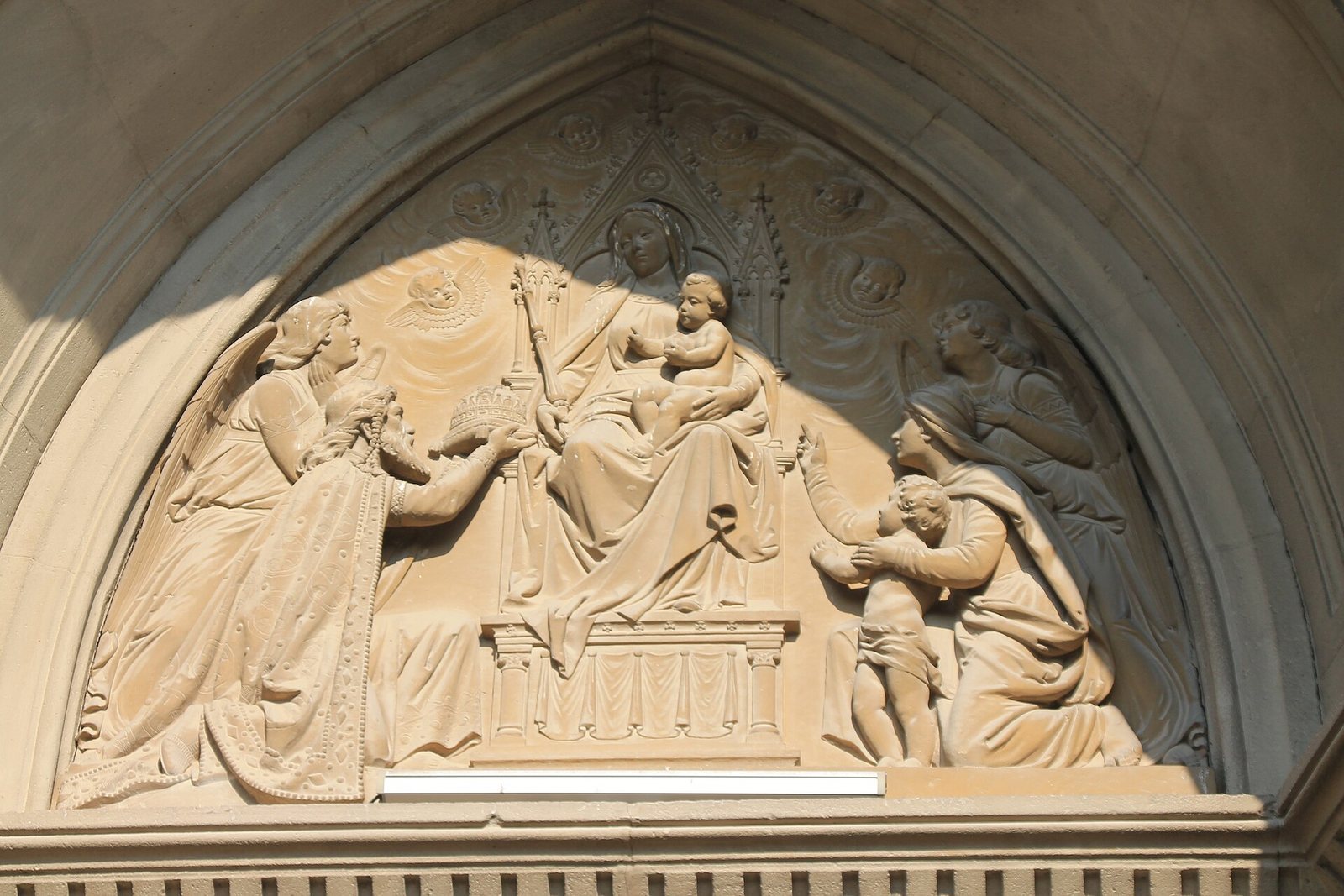
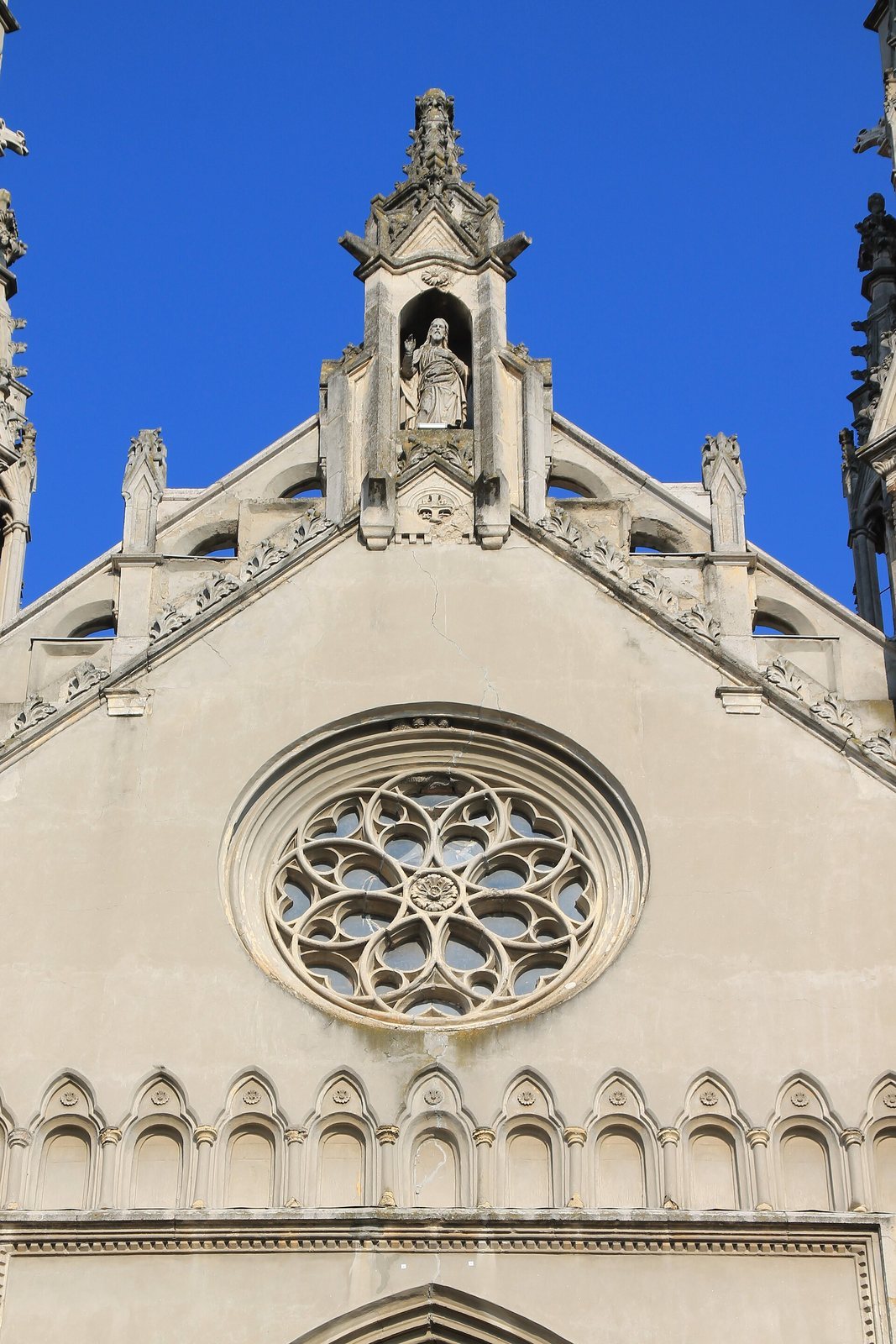
The façade was originally made of terracotta and was later partly faced with stone, also used for architectural details. The portal, windows, rose windows, and bell towers have rich decoration. Above the main portal, a canopy carries a large, deeply projecting sculpture of the Virgin Mary blessing Saint Stephen, Hungary’s first king, who is venerated as a saint. Larger-than-life stone figures of Christ the Teacher, Saint Stephen, Saint Gerhard, and the Virgin Mary also adorn the façade. An academic sculptor who was a professor at the Budapest Academy of Art carved the works.
Interior and furnishings
Altarpieces and paintings
Peter Johann Geiger, a professor at the Vienna Academy of Arts, painted the Saint Gerhard altarpiece in 1863. The image of the Holy Family on a side altar was made by academic painter Karl Gutsch in 1869. To the right of the main entrance is an oil painting on canvas by Stefan Jäger, made in 1923. It depicts Vršac’s defence against a Turkish attack in 1788, led by Jakob Haneman.
Interior decoration
From 1912 to 1914, Sirmaj Antal painted the interior compositions and ornament, assisted by Jurein Antal and Julije Merlić, painters from Varaždin.
Organ
The organ was built in 1912 by the workshop of Carl Leopold Wegenstein in Timișoara. It has two manuals, or hand-played keyboards, and a foot-operated pedal. Its pneumatic action uses air pressure to transmit key movement, while couplers link the keyboards and pedal. The instrument has 35 stops, which control sets of pipes, and five fixed combinations marked p, mf, f, ff, and full organ.
Flags
The church preserves four flags: one belonging to the blacksmiths’ guild, dated 1894; one from the masons’ guild, dated 1896; one from the Vršac economic association, dated 1901; and one from the Vršac agricultural association, dated 1906.