Church of Saint Simon in Valmiera: A Medieval Lutheran Place of Worship
Site at a Glance
- Rating
- 4.6
- Popularity
- Medium
- Country
- Latvia
- Primary era
- Medieval
- Eras represented
- Medieval, Early Modern, Modern
- Civilizations
- Crusader, Livonian Order, Russian, Swedish
- Site type
- Religious
- Remains
- Church
On this page12 sections
History
Medieval Origins and Religious Change
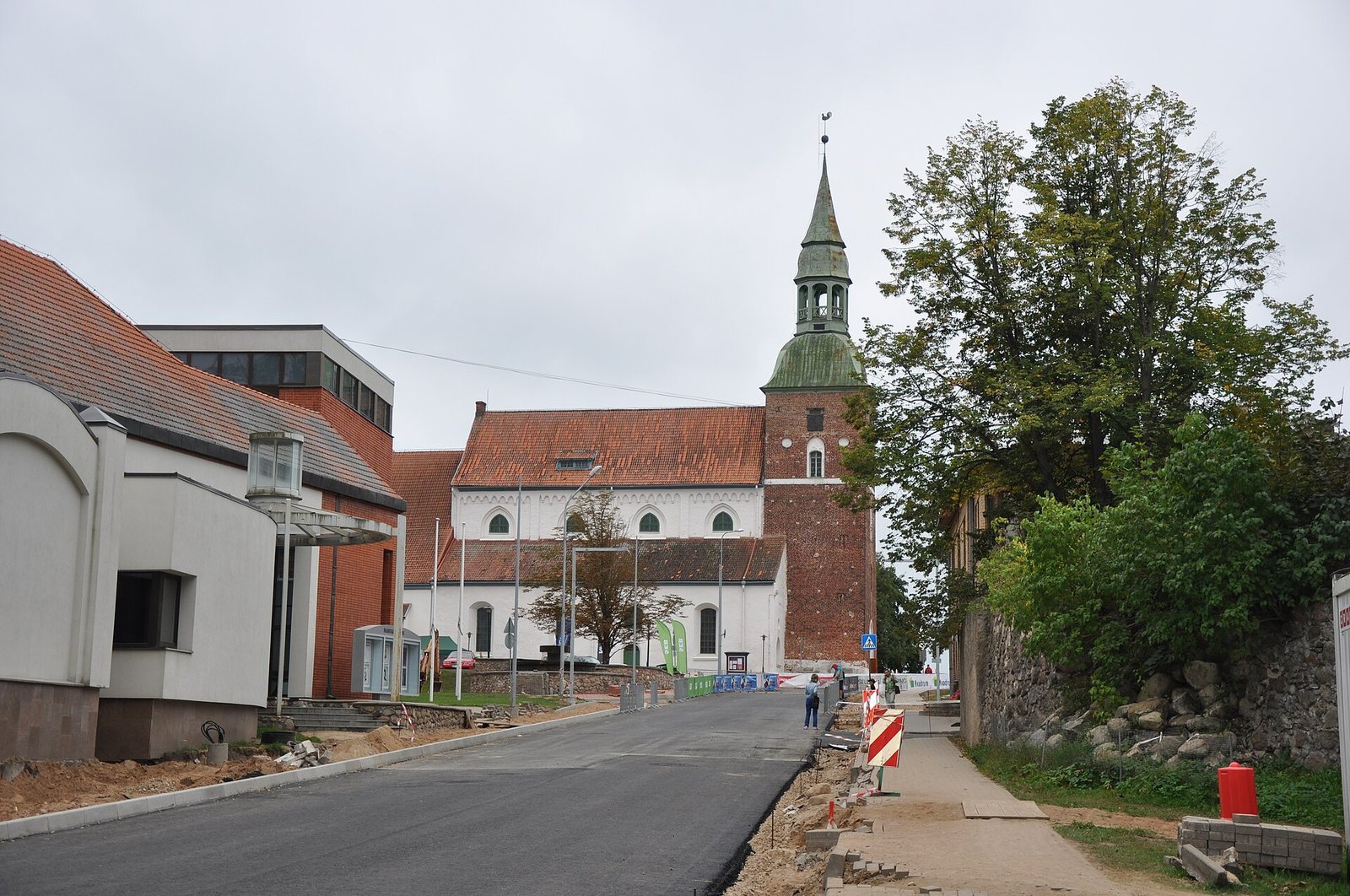
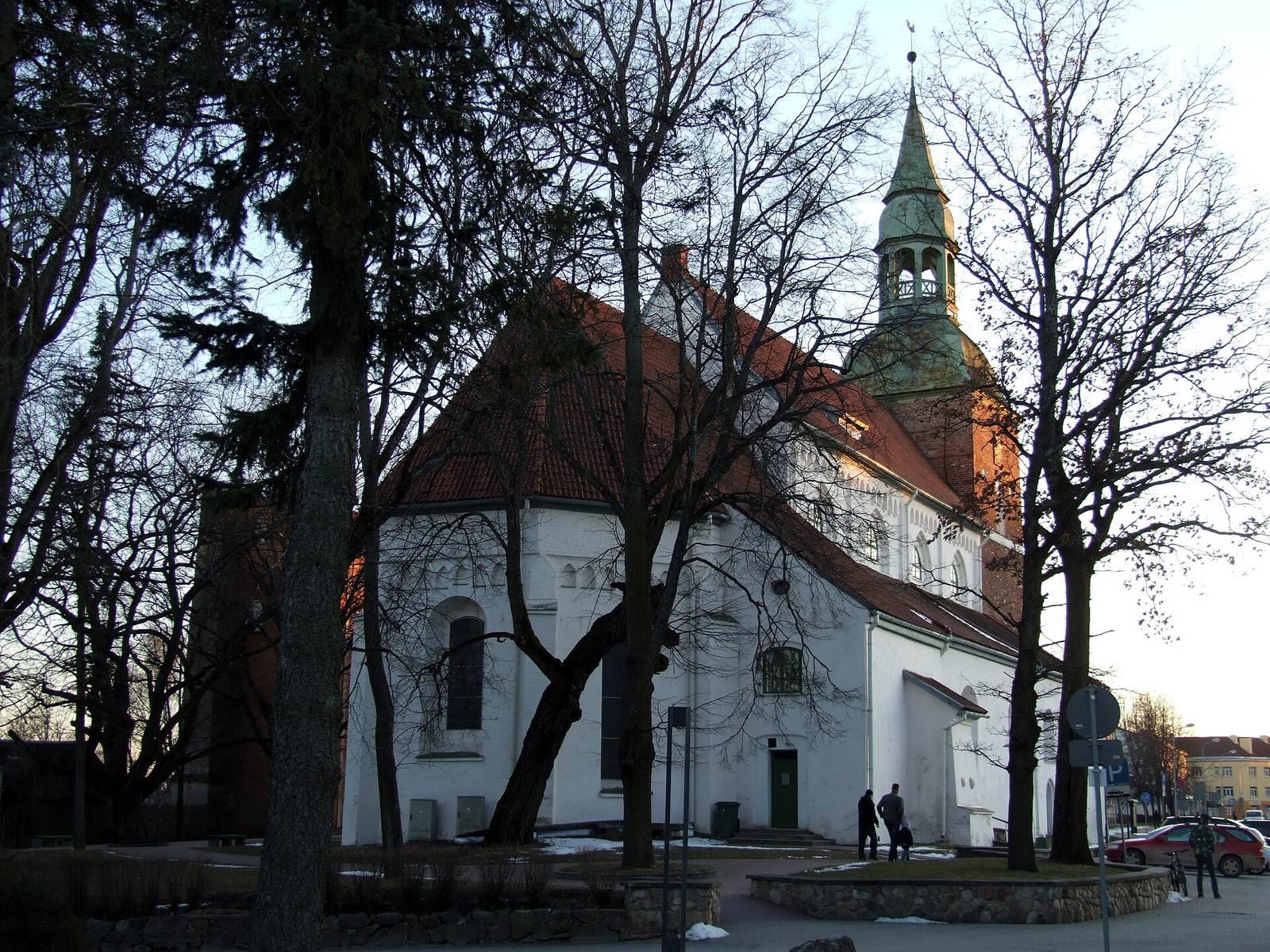
The Church of Saint Simon in Valmiera is a medieval Lutheran place of worship in Latvia. Its masonry building dates to the thirteenth century, and its later form has Romanesque features, a medieval style associated with rounded arches and substantial masonry. The site’s earliest church is linked to events around 1224, when the Sword Brothers acquired Latgalian lands along the Gauja River under a partition agreement. Estimates for the masonry church’s construction range from about 1231 to 1287. Its construction is associated with Villekin, master of the Livonian Order, a medieval Catholic military order in Livonia, the historic Baltic region that encompassed much of present-day Latvia and Estonia, and Johan I, Archbishop of Riga. The church also formed part of Valmiera’s medieval defenses.
For its first centuries, the church served a Catholic congregation. Its name is thought to refer to a dedication on 28 October, the feast of the Christian apostles Simon and Jude. In 1554 the Livonian Landtag, an assembly of the region’s political estates, proclaimed freedom for the Lutheran faith, a Protestant Christian tradition that began with the Reformation. The measure was intended to ease conflict between Catholics and Lutherans.
War Damage and Rebuilding
The church and Valmiera Castle were destroyed during the Livonian War of 1558 to 1583 and the Swedish-Polish wars of 1600 to 1629, conflicts over control of the region. By 1613 the church stood roofless, and waterlogged vaults were at risk of collapse. Repairs began during Swedish rule in Livonia. In the mid-seventeenth century, master mason Gothards Fogels undertook major work on damaged walls and window openings. The tower’s upper structure burned in 1698.
On 4 September 1702, Russian forces burned part of Valmiera, including the church, destroying its interior furnishings. Restoration began the next year. Workers repaired the walls around 1710, and local peasants donated a bell installed in 1713. A fire in 1720 brought further repairs, including reinforcement of the vaults. The repeated damage and shortage of funds limited further work.
Later Repairs and Congregational Life
An organ was installed in 1780, with much of its funding coming from a bequest by Johans Heinrihs fon Mengdens, owner of Kauguri Manor. The tower was repaired in 1818 by carpenter Andreas Ludvigs and his apprentice Ludwig Meijers, who retained the existing height. Lightning destroyed the tower’s pointed top in 1831; it was restored soon afterward, and a lightning conductor was added in 1832. In 1883 Jānis Neilands became the church’s first Latvian pastor.
The church’s interior and exterior were renovated in 1908 for the 625th anniversary of its foundation. In 1919 retreating Bolshevik forces fired on the building during the Latvian War of Independence, the 1918 to 1920 struggle that established Latvia as an independent state. The church was repaired soon afterward.
Conversion and Return to Worship
In 1963 the Latvian SSR, the Latvian Soviet Socialist Republic, decided to convert the church into a concert hall and a branch of the local-history museum. The congregation lost use of the building in 1964, and architect Leonhards Liepa’s design guided its conversion. A concert hall and the Valmiera local-history museum opened there in 1972.
The congregation resumed worship on 18 November 1988, and the church was formally returned to it in 1996. It now serves the Valmiera Simon and Jude congregation, one of Latvia’s largest Lutheran congregations, within the Evangelical Lutheran Church of Latvia and the Riga Archdiocese, an ecclesiastical district led by an archbishop. The church is regarded as an important symbol of Valmiera and the Vidzeme region of northern Latvia. In 2005 it entered Latvia’s cultural heritage list as a protected state architectural monument.
Remains
Setting and Church Form
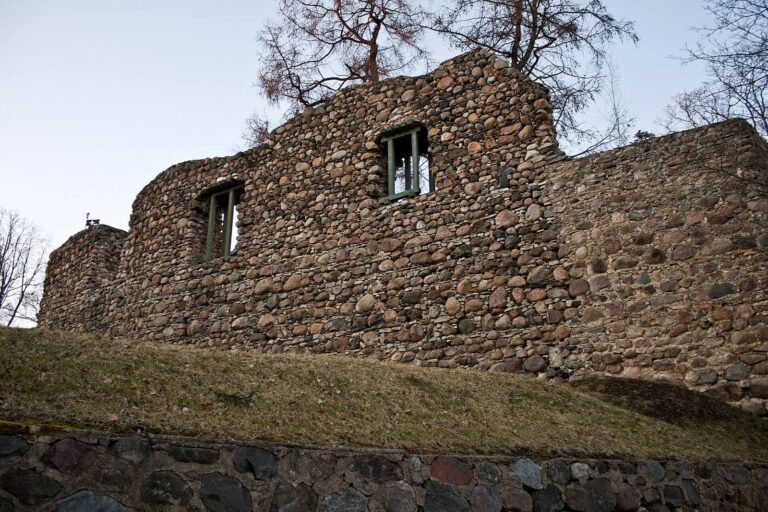
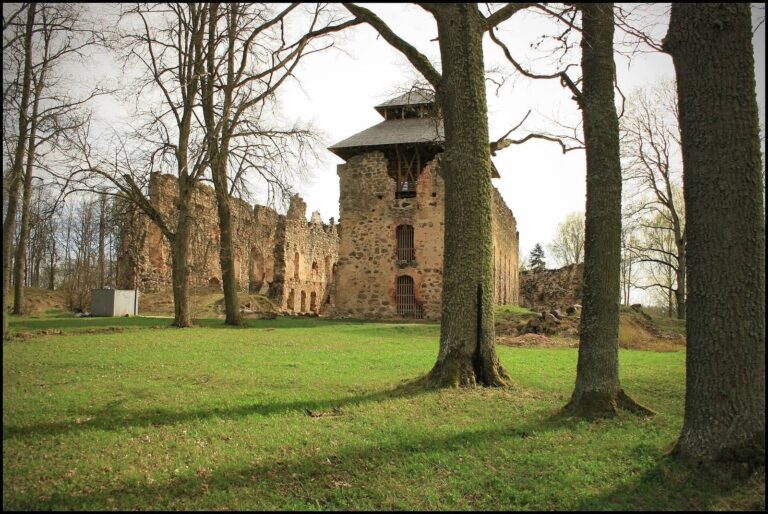
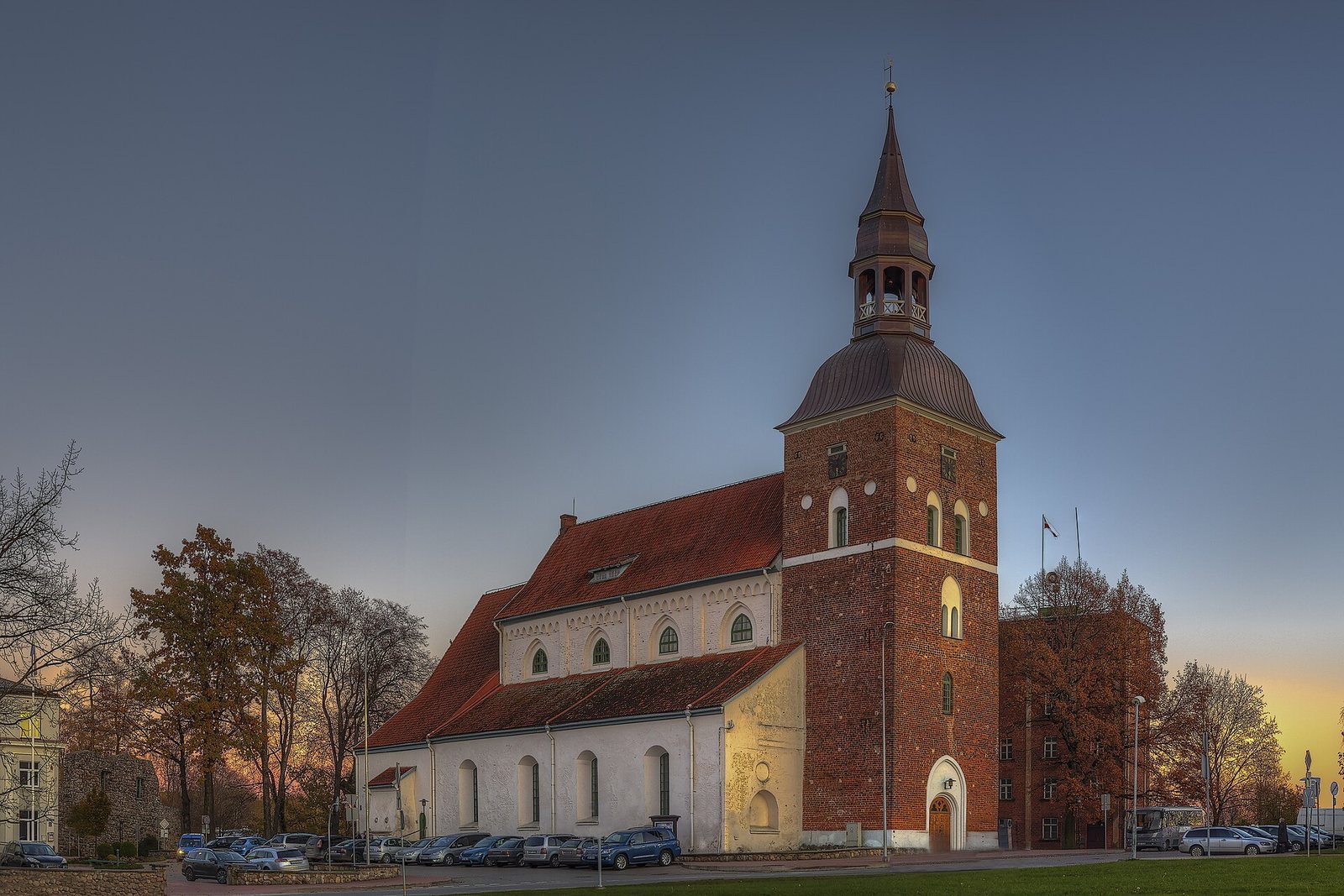
The masonry church stands in central Valmiera on a steep bank above the Gauja River. Its original plan is uncertain. It may have been built as a basilica, with a higher central nave and lower side aisles, or may have begun as a hall church, with the central space and aisles at similar heights, before later rebuilding transformed it into a basilica in the fourteenth or fifteenth century. The later form is described as having Romanesque features.
Tower and Burial Chambers
Work in 1644 gave the bell tower its Baroque character. Its fittings included a gilded sphere and a rooster made that year. After lightning set the tower alight in 1738, a new tower was built the following year, with a new sphere and rooster. The pointed top was rebuilt in 1773, repaired in 1818, and restored after lightning destroyed it in 1831; a lightning conductor followed in 1832. Underground burial chambers were built in the seventeenth century and sealed in 1773. Floor repairs exposed them in 1932, when people buried there were identified.
Interior Features
Organ
The present organ was built by Friedrich Ladegast and installed in 1886 with funds donated by Teodors fon Šrēders, owner of Kokmuiža Manor. It is a Romantic-style instrument with 33 stops, which select sets of pipes, three manuals, or hand keyboards, and one pedal, played with the feet. Its case is Neo-Gothic, in a medieval-inspired style. The organ is regarded as one of Latvia’s finest, and both it and its gallery are state-protected monuments.
Furnishings and Memorials
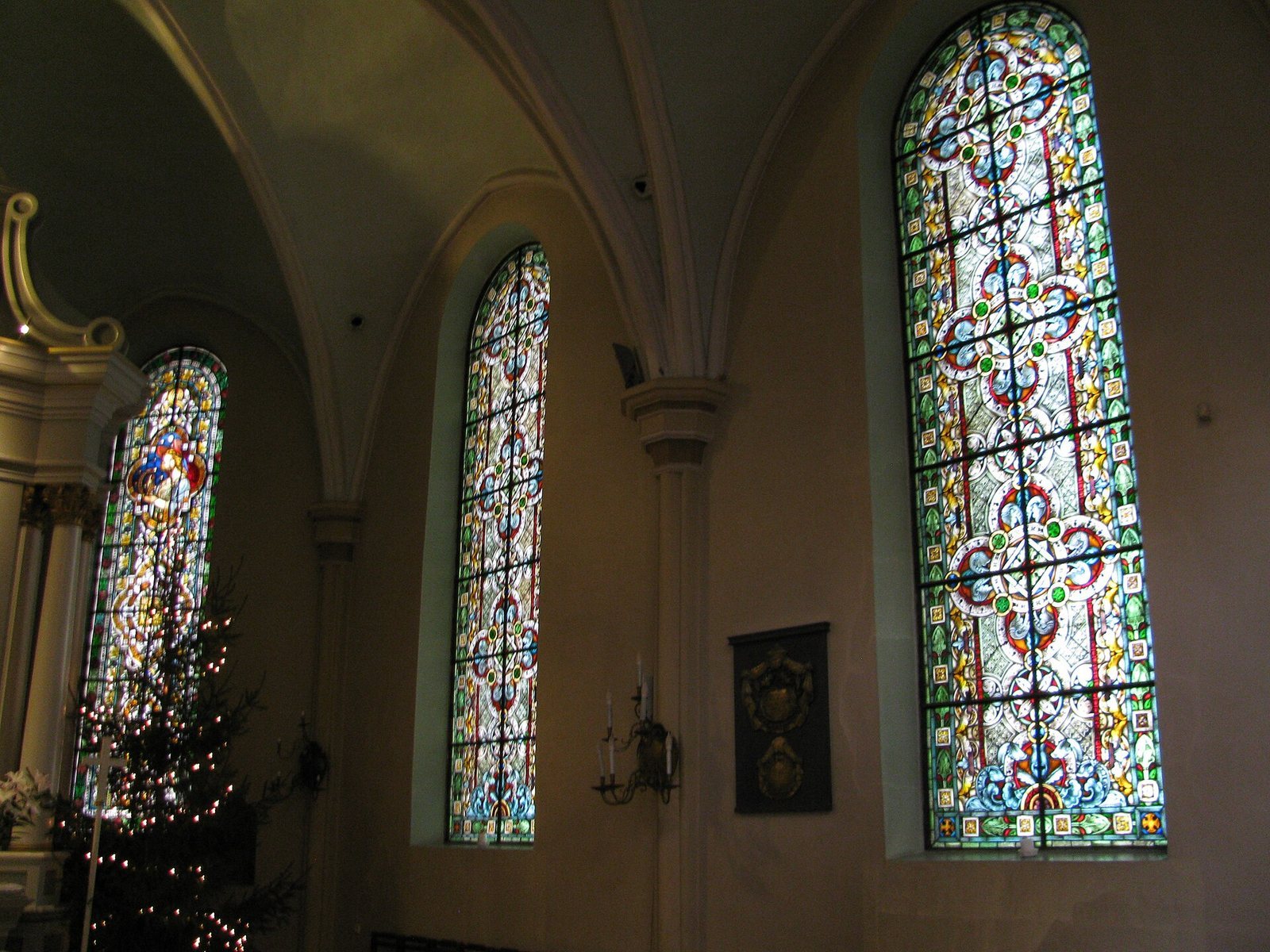
The church has a pulpit dated to 1739 and an eighteenth-century painted epitaph on the wall. A tomb slab commemorates P. Tiliham, and a memorial plaque honors J. F. Schröder. In the altar area, the vaults bear the date 1729, marking their restoration. The altarpiece was restored in 2001.
Later Works
The sacristy, a room for vestments and church furnishings, gained a second storey completed in 1868. A stone table for prayer candles, designed by architect Ainārs Markvarts in 2001 and made in 2002, is an uncommon feature in Lutheran churches. The interior also contains Katrīna Taivāne’s 2002 painting The Healing of the Sick.