St Nicolas’ Church, Kings Norton: An Anglican Parish Church
Site at a Glance
- Rating
- 4.7
- Popularity
- Medium
- Country
- United Kingdom
- Primary era
- Medieval
- Eras represented
- Medieval, Early Modern
- Civilizations
- English
- Site type
- Religious
- Remains
- Church
On this page7 sections
History
Origins and medieval rebuilding
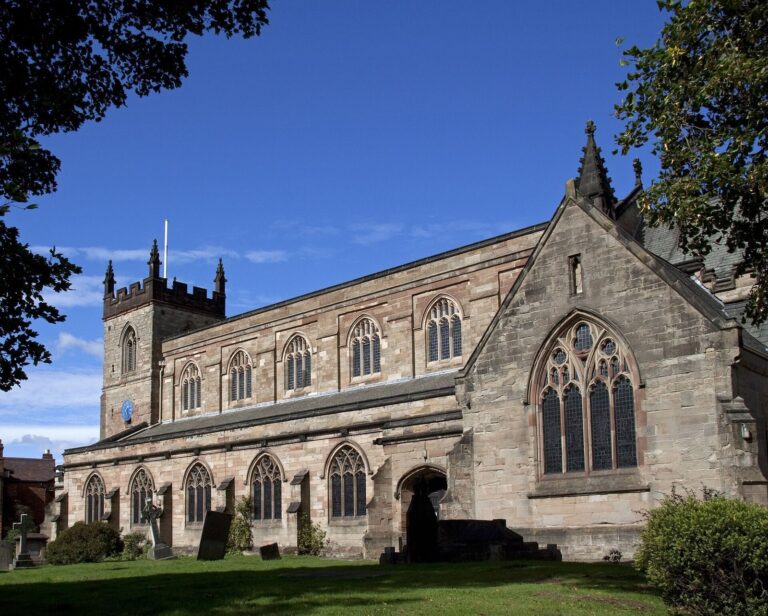
St Nicolas’ Church, Kings Norton, is an Anglican parish church in the United Kingdom. Dedicated to St Nicholas, an early Christian bishop traditionally associated with generosity and care for the poor, the present church dates from the early 13th century. A small rectangular chapel had stood here by the 11th century, built by the Normans, a people from Normandy whose rule in England began after the Norman Conquest of 1066. Whether it replaced an earlier church is uncertain. A church at the site is recorded in 1213.
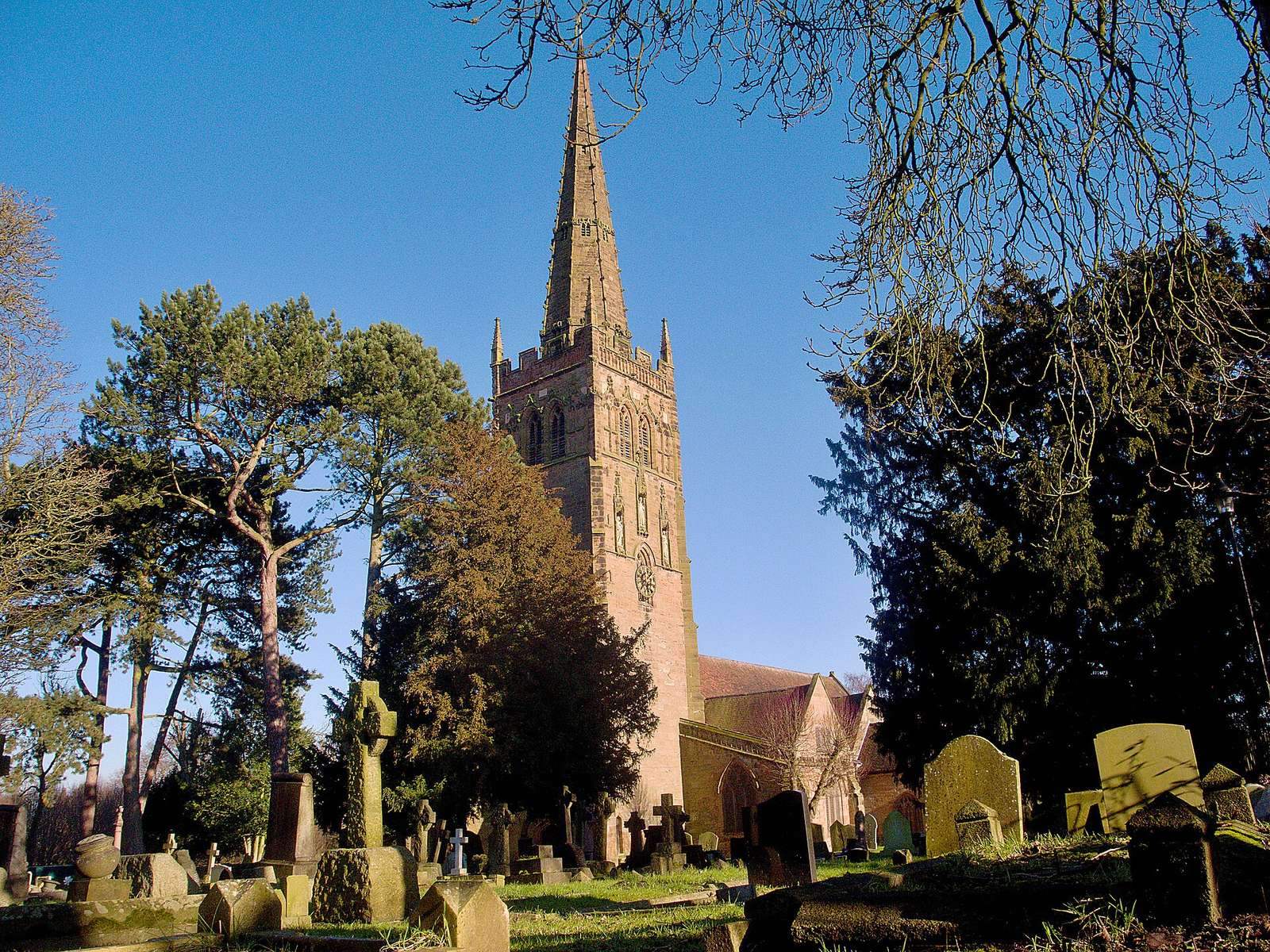
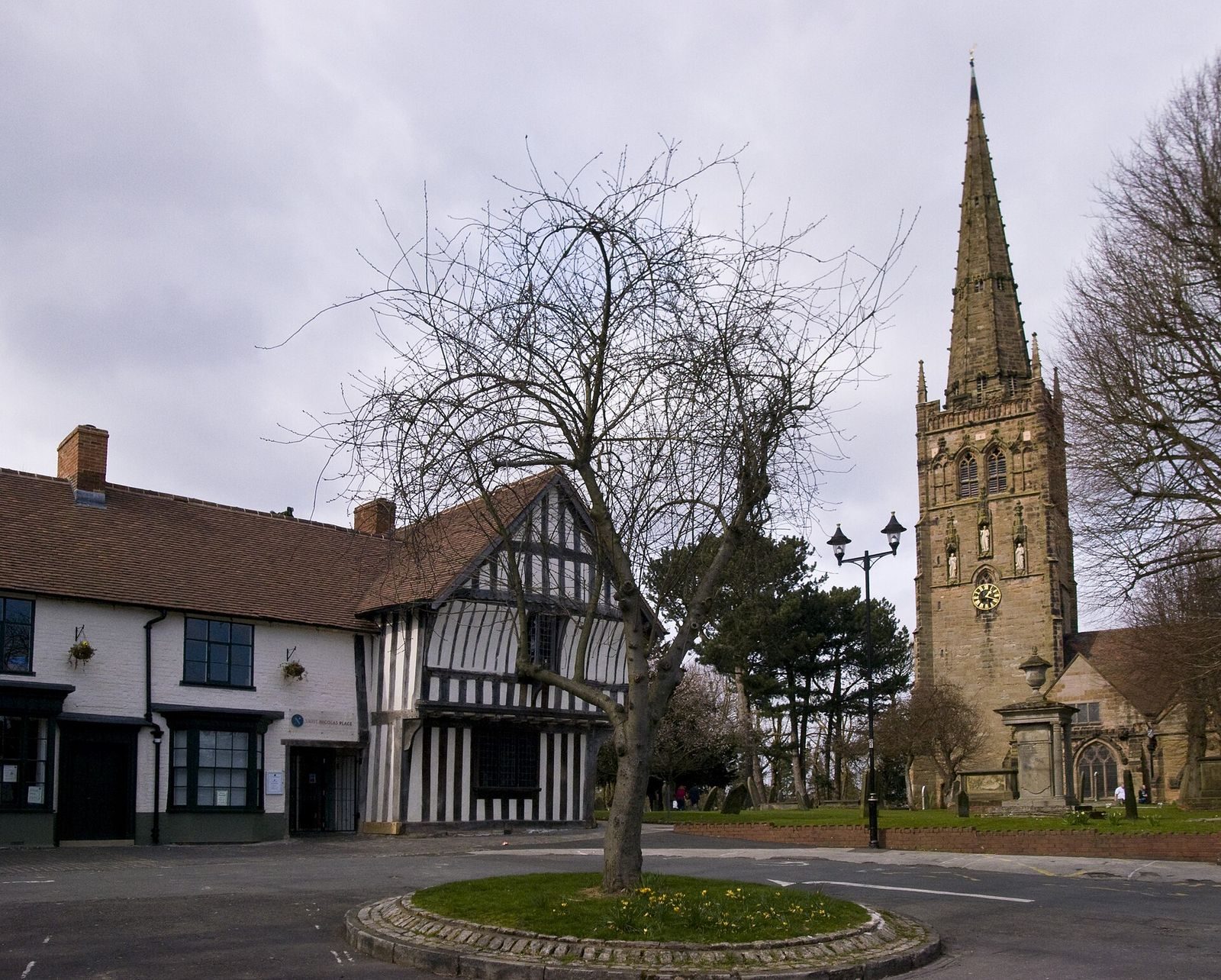
In the 14th century, the Norman building was demolished as a new nave, two aisles and a chancel arch were constructed. The church’s spire was added later, between 1446 and 1475.
Parish life and later changes
During the 17th century, almost all of the south aisle was rebuilt and the chancel was re-roofed. The church received a parish in 1846. Its churchmanship is Broad Church, an Anglican tradition that accommodates a wide range of theological views. It belongs to the Diocese of Birmingham, a church district overseen by a bishop, within the Province of Canterbury, a grouping of dioceses.
Restoration work took place in 1863 and again in 1871. The church is a Grade I listed building, the highest category in England for buildings of special architectural or historic interest. In 1898, it began a mission in Cotteridge that later became St Agnes’ Church. W. V. Awdry, an Anglican clergyman and author of The Railway Series, which features Thomas the Tank Engine, served as curate from 1940 to 1946. A plaque engraved with Thomas was unveiled inside the church in 2021.
Remains
Church structure and roofs
The church’s layout includes a nave, the main area for the congregation, with north and south aisles, the side sections. A chancel, the area near the altar, is separated from the nave by a chancel arch. The spire, a tall pointed structure, was built between 1446 and 1475. The nave’s low-pitched 15th-century roof was replaced in the 17th century by a much steeper one. The two aisles have four separate high-pitched roofs arranged side by side.
Bells and organ
The church has ten bells. Its tenor, the largest bell in the set, weighs 17 long hundredweight, 1 quarter and 6 pounds, equivalent to 1,938 pounds or 879 kilograms. A wooden staircase of 54 steps leads to the ringing chamber. Parts of the organ date to 1857 and were made by J. Halmshaw; the instrument has since been enlarged and restored several times.
Churchyard and neighboring buildings
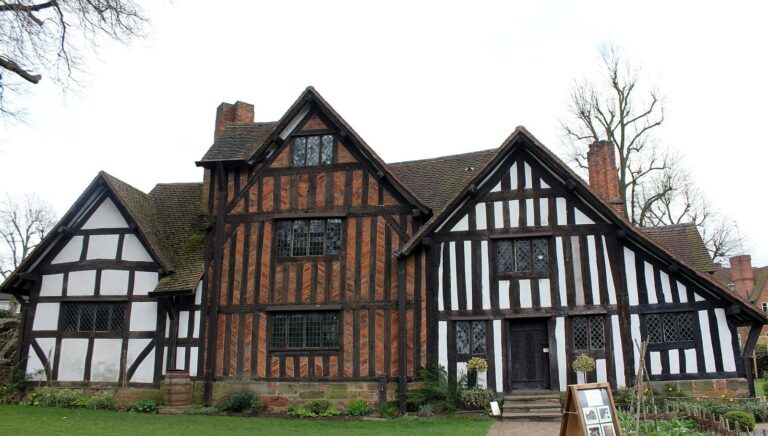
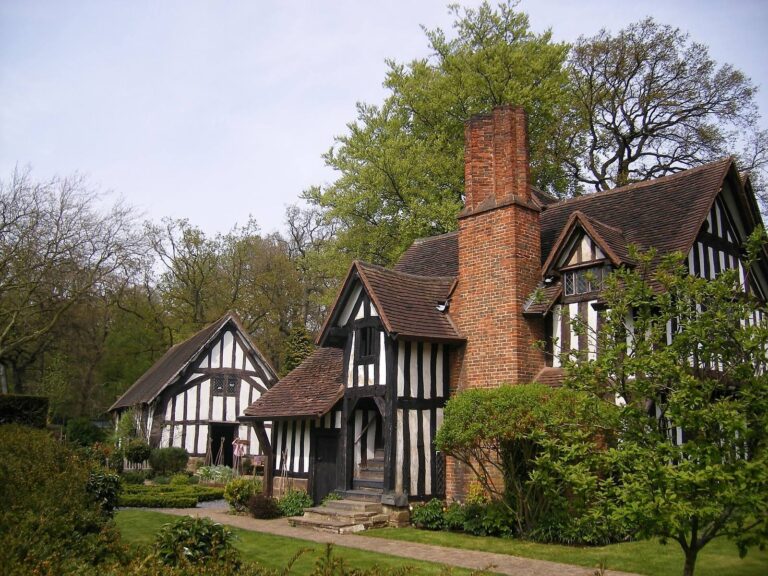
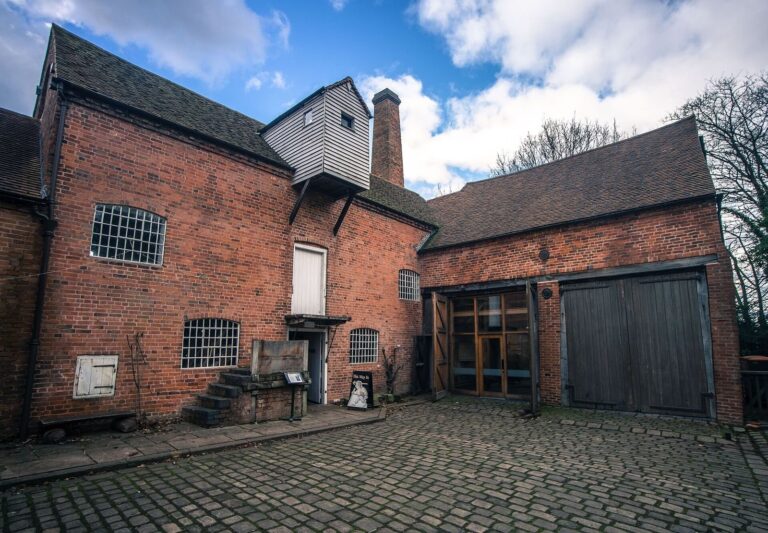
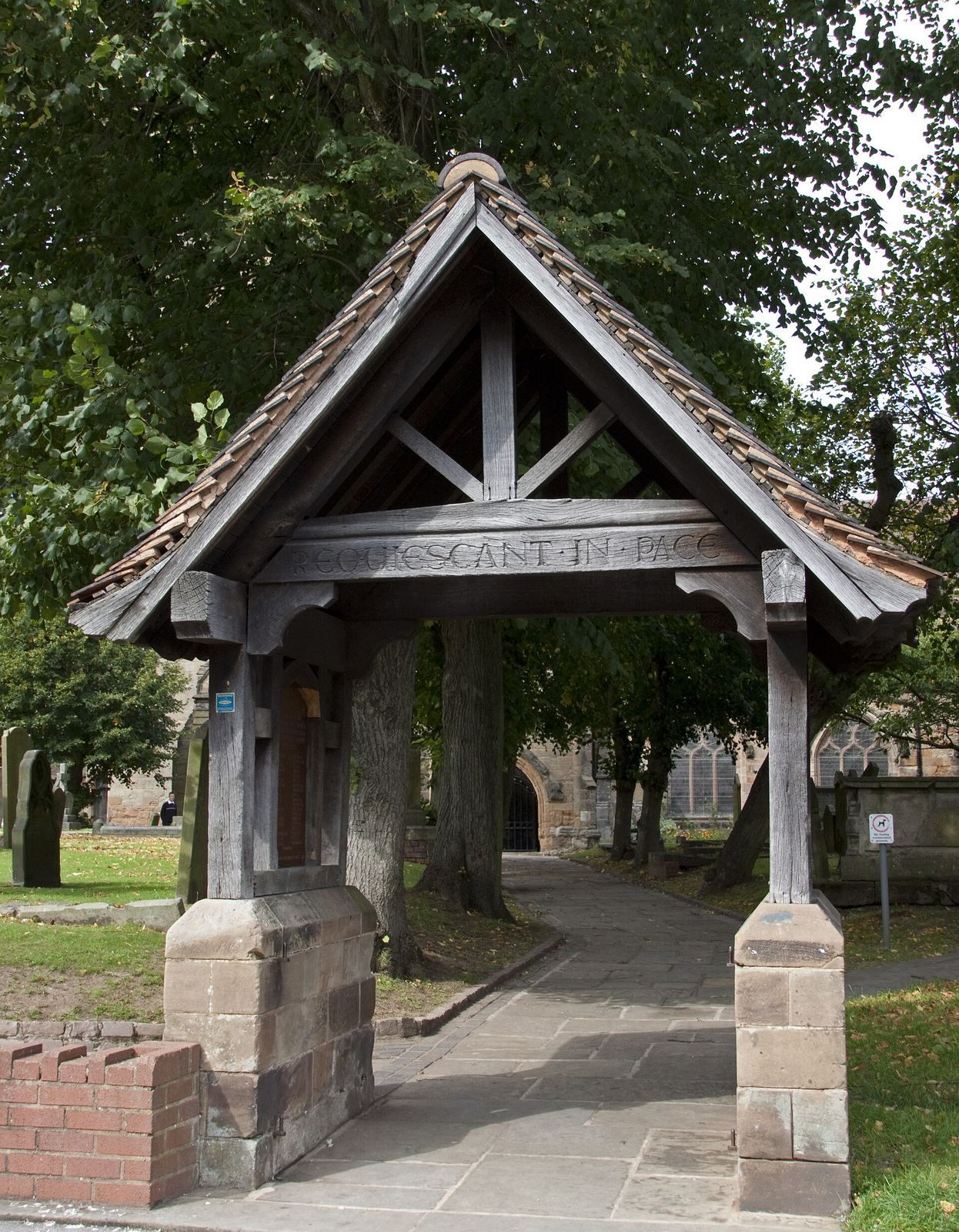
The churchyard extends west and north across a private road. It contains the graves of eleven service personnel who died in the First World War and seven who died in the Second World War. The church stands next to the historic Saracen’s Head buildings, which have been restored and given the name Saint Nicolas Place.