Cholapandiyapuram: A Historic Jain Centre in India
Site at a Glance
- Popularity
- Medium
- Country
- India
- Primary era
- Medieval
- Eras represented
- Medieval
- Civilizations
- Chola
- Site type
- Religious
- Remains
- Sanctuary
On this page10 sections
History
Cholapandiyapuram is a historic village and Jain heritage site in India, known as a Jain centre in the 10th century. Its name is explained as “the city of the Cholas and Pandyas,” reflecting the village’s position on the boundary of their ancient kingdoms. The Cholas and Pandyas were major Tamil ruling dynasties.
The Jain centre and its patrons
The village has a heritage extending back more than 1,000 years. Inscriptions connect its Jain past with local patrons and religious worship. An inscription beneath the Parshvanatha carving names Sriveli Konkaraiyar Puddhadigal as the patron who commissioned the carvings.
A separate poetic inscription records that the local chieftain Siddhavadavan, also known as Sethirayan, donated Panaipadi village in 952 to support worship of the Jain Tirthankaras, teachers believed to attain liberation and guide others. The donation took place in the second year of the reign of the Chola king Gandaraditya. The village has no Jain residents today.
Remains
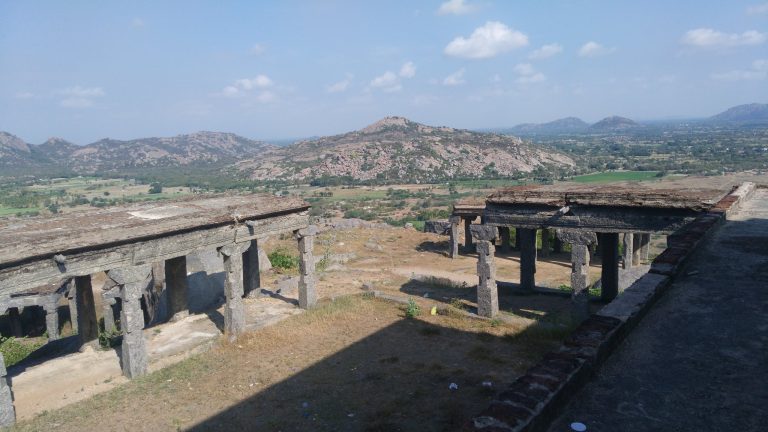
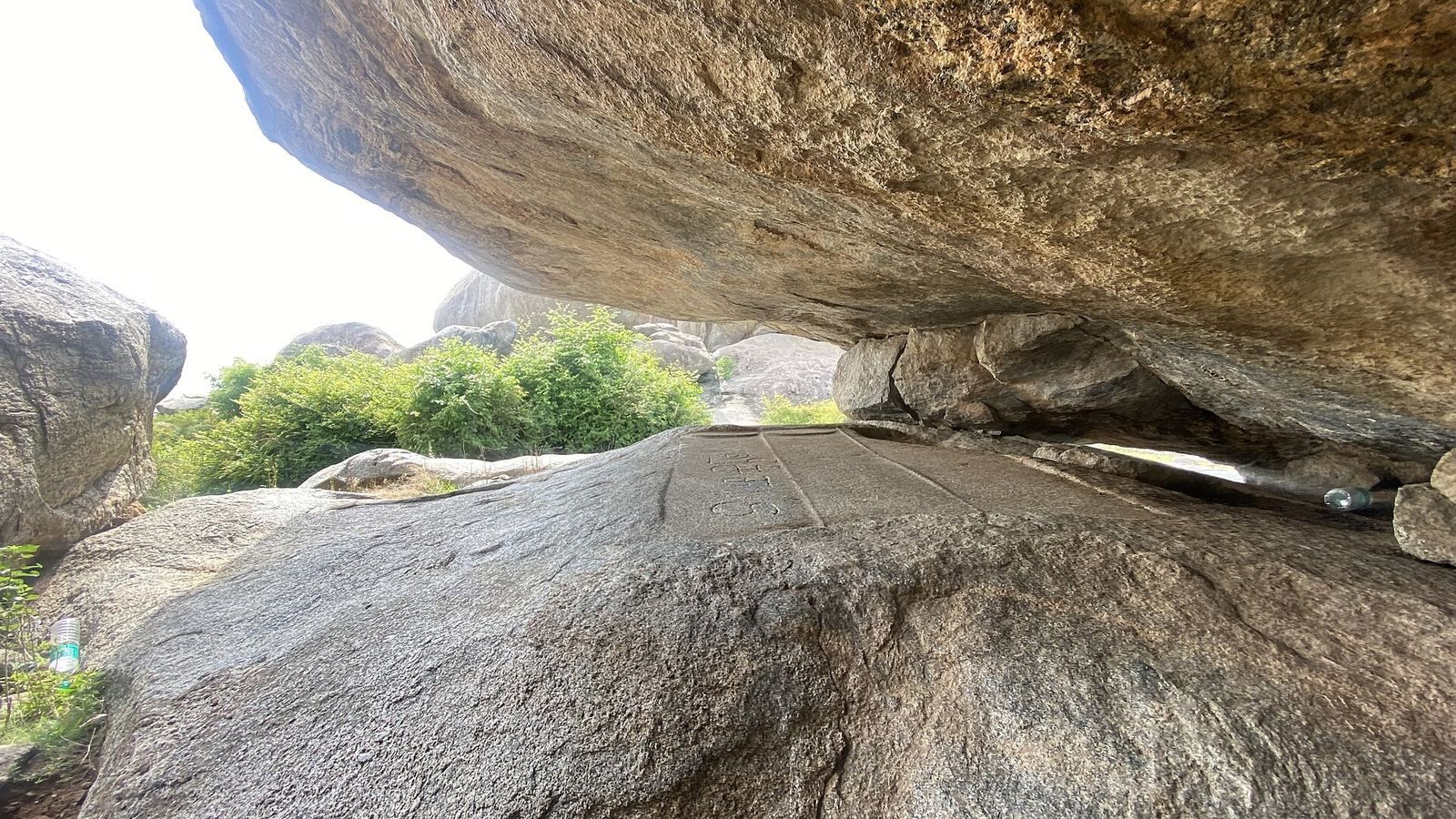
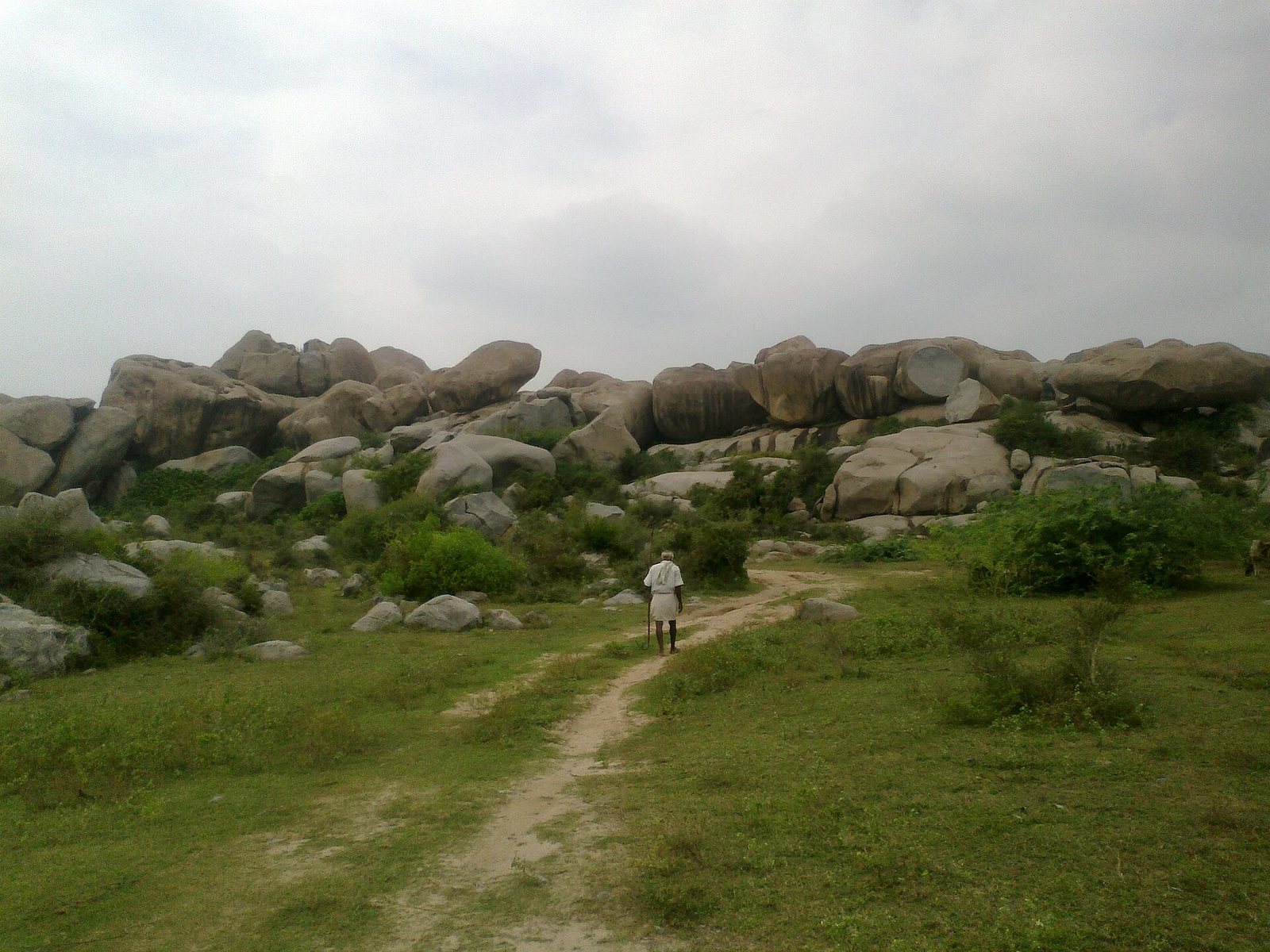
The remains are spread across Andimalai, also called Panchapandavar Hill, north of the village. Small steps are cut into a steep part of its eastern slope. Two rocks joined at their upper edges form a broad, cave-like space, with Jain carvings also found on a nearby boulder and in a separate cave at the hill’s western corner.
Jain carvings on Andimalai
Reliefs in the main cave
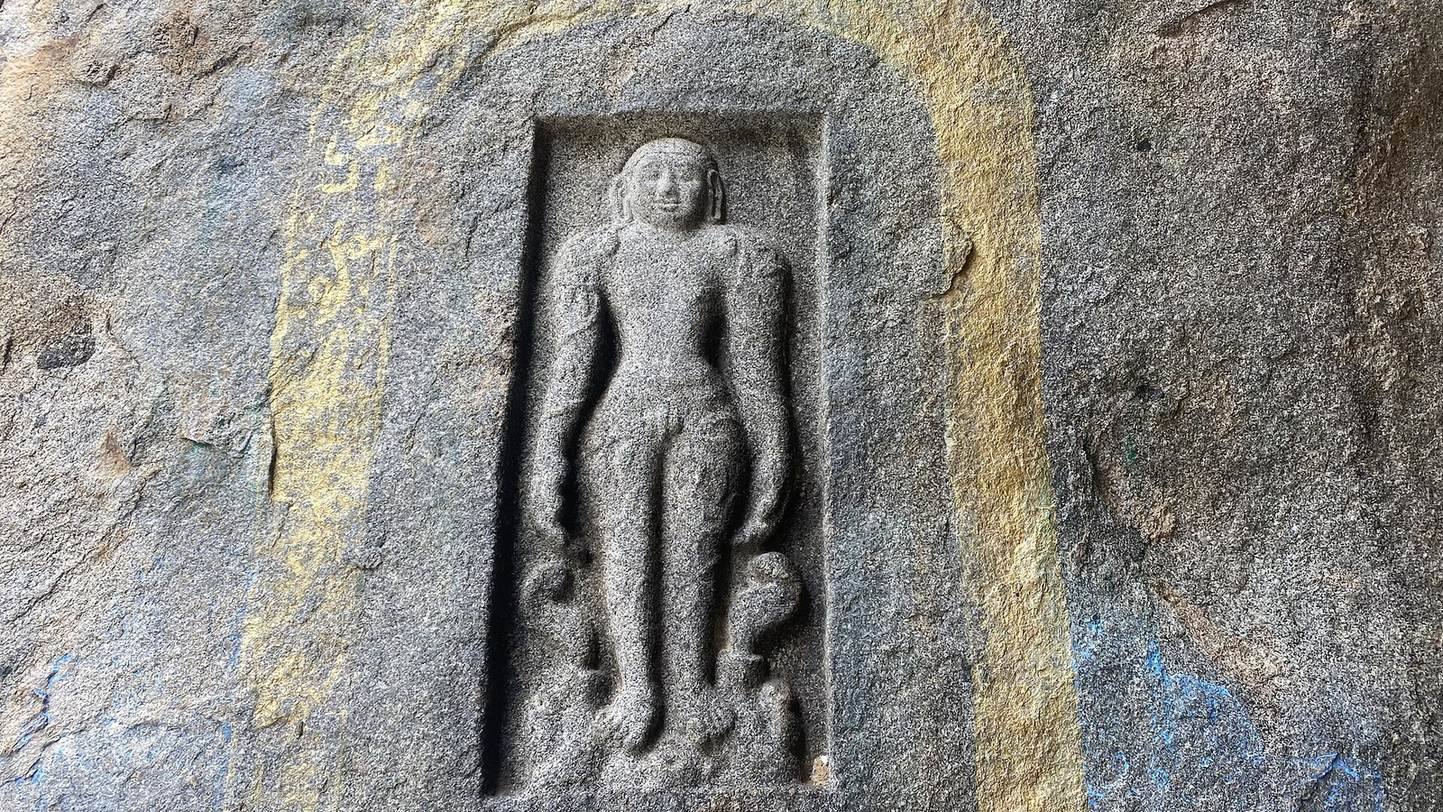
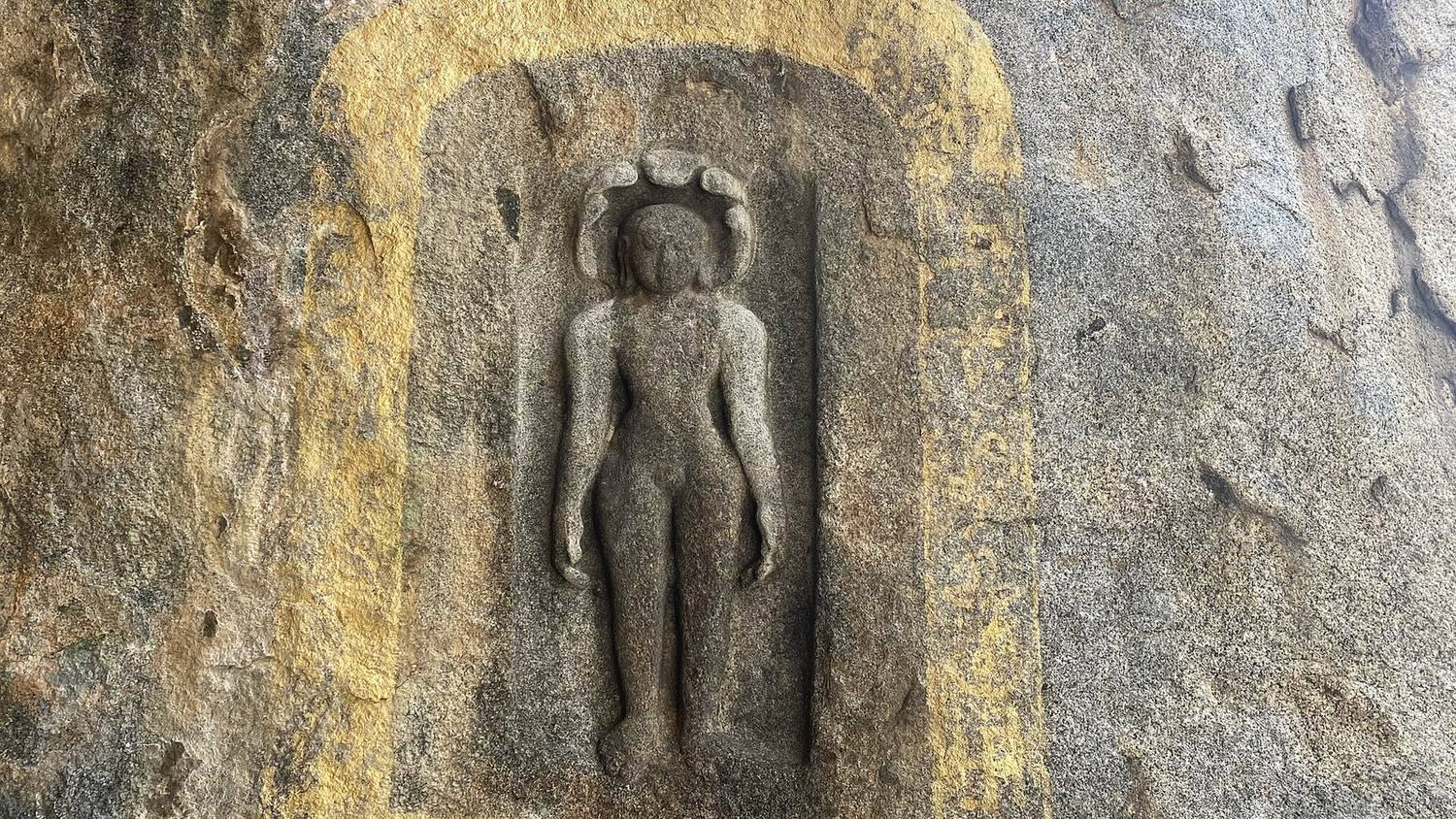
The northern rock inside the cave bears a standing relief of Gomateshwara, also known as Bahubali, about eight feet tall. Snakes appear below him on either side, while vines wind around his arms and legs. He is shown without ornaments, with a robust body and a calm, faintly smiling face. Opposite him, the southern rock bears a Parshvanatha relief with a five-headed serpent spreading above the figure. The hill’s Jain sculptures are dated to the 10th century.
Dharmadevi carving
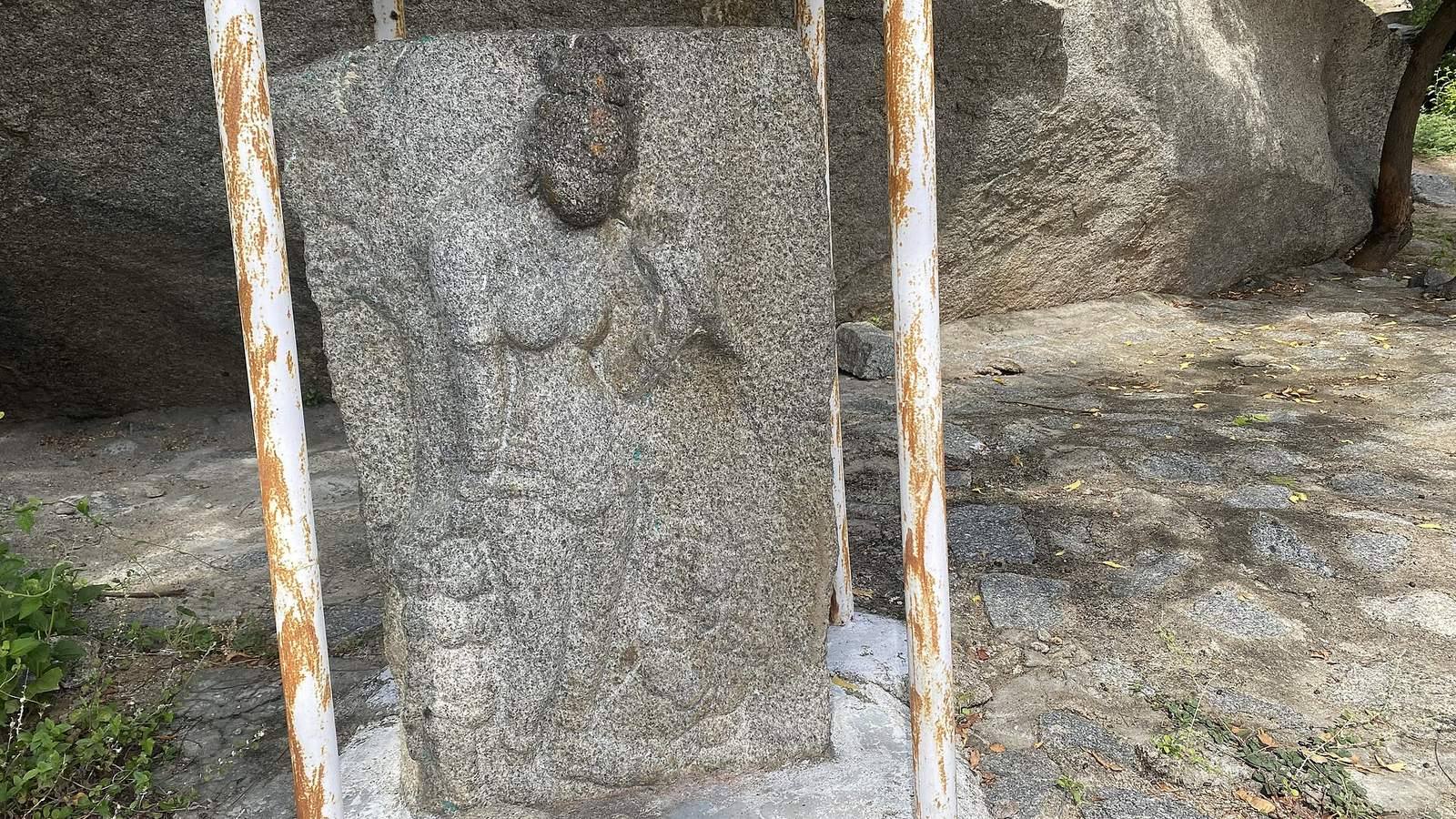
Another carving in the cave depicts Dharmadevi, a Jain yakshi (female attendant deity). Her right hand rests on an attendant’s head, and her left is near a parrot by her shoulder. A tree appears to her right and a lion beneath her feet. Villagers worship the figure as Kaliamman, a Tamil name for a form of the Hindu goddess Kali.
Mahavira sculptures
A Mahavira carving is cut into a boulder southeast of the cave. Another occupies a separate cave at the hill’s western corner. This figure sits in meditation in the lotus posture, a cross-legged pose, with one hand resting over the other. Two attendants holding fly-whisks, or ceremonial fans, flank him. A semicircular halo stands behind his head, beneath a three-tiered umbrella.
Other hill statues
The hill also holds separate statues of Dharmadevi and a yakshi, as well as two statues of Adinathar, also known as Rishabha, the first Jain Tirthankara. The Adinathar statues were brought from nearby villages.
Stone beds and painted cave ceiling
A natural cave contains 25 stone beds arranged in six locations. Some are finished and others remain unfinished; several have semicircular stone pillows. A large stone seat in a cave may have served a Jain monk teaching students. Above the beds in the cave’s northern part, a ceiling coating of stucco, a plaster-like material used as a painting surface, once carried paintings. Most have disappeared, leaving traces. Brick-wall remains around the hill indicate that walls once enclosed the area containing the beds.
Padiyendhal rock art
Padiyendhal, named after a nearby village, is a rock-art site in a small cave behind Andimalai. Local people call the cave Irulan Kal. Ancient paintings of a horse and a bow and arrow appear on its ceiling. Other ceiling and wall symbols resemble those of the Indus Valley Civilization, an ancient urban civilization of South Asia.