Réaux Castle: A Medieval Castle in Renaissance Style
Site at a Glance
- Popularity
- High
- Country
- France
- Primary era
- Medieval
- Eras represented
- Medieval
- Civilizations
- French
- Site type
- Domestic
- Remains
- Castle
On this page7 sections
History
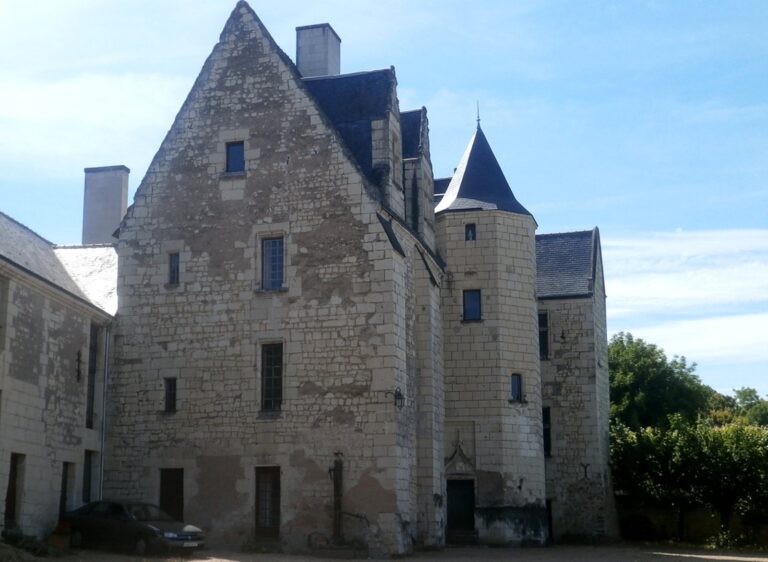
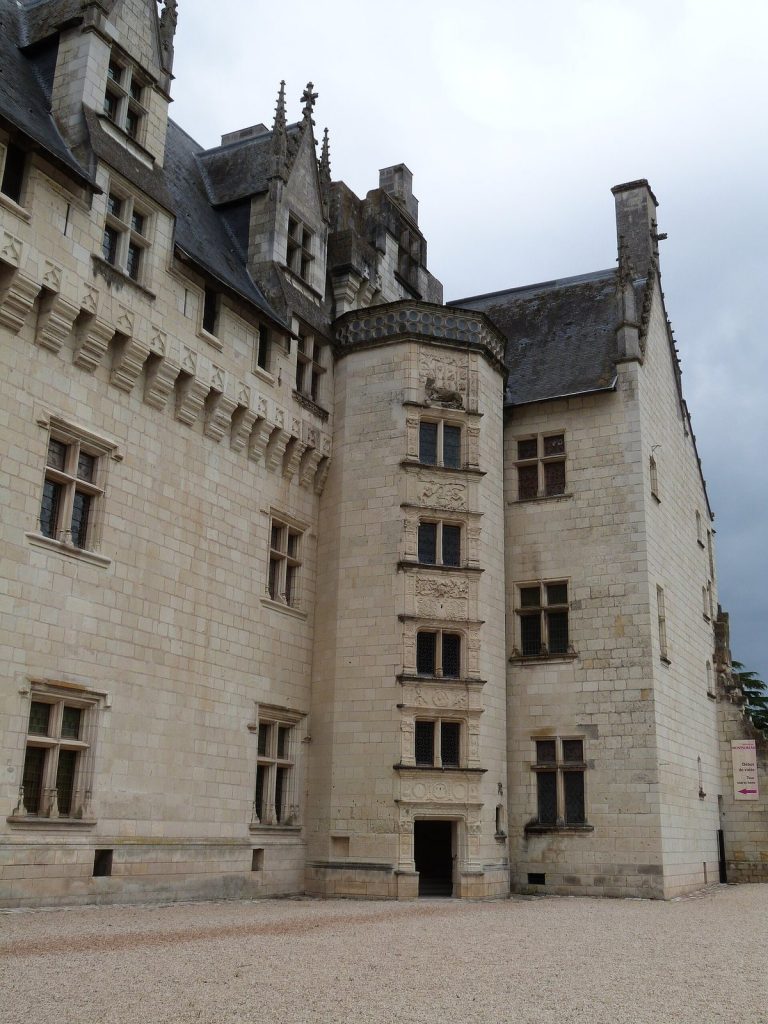
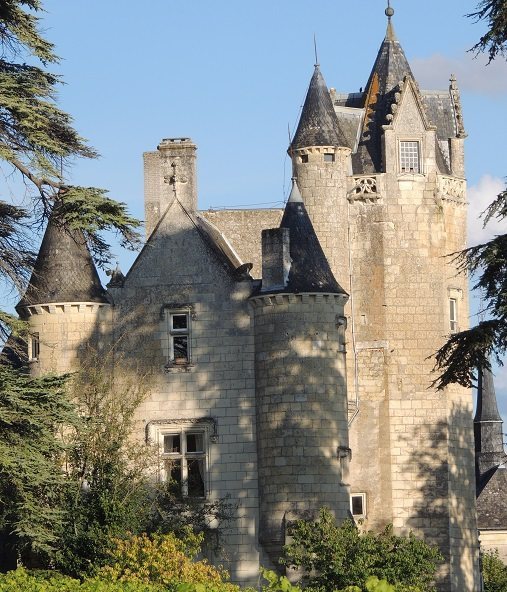
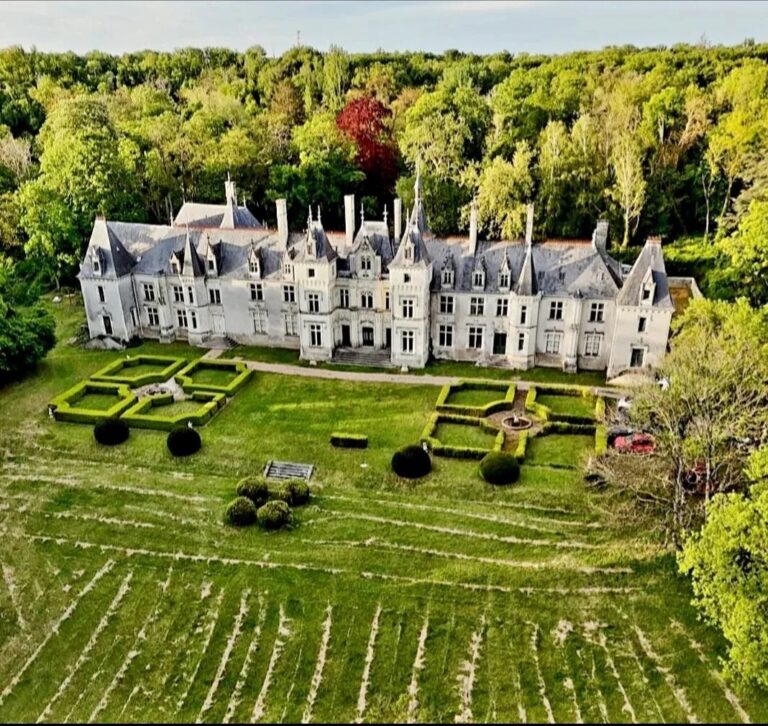
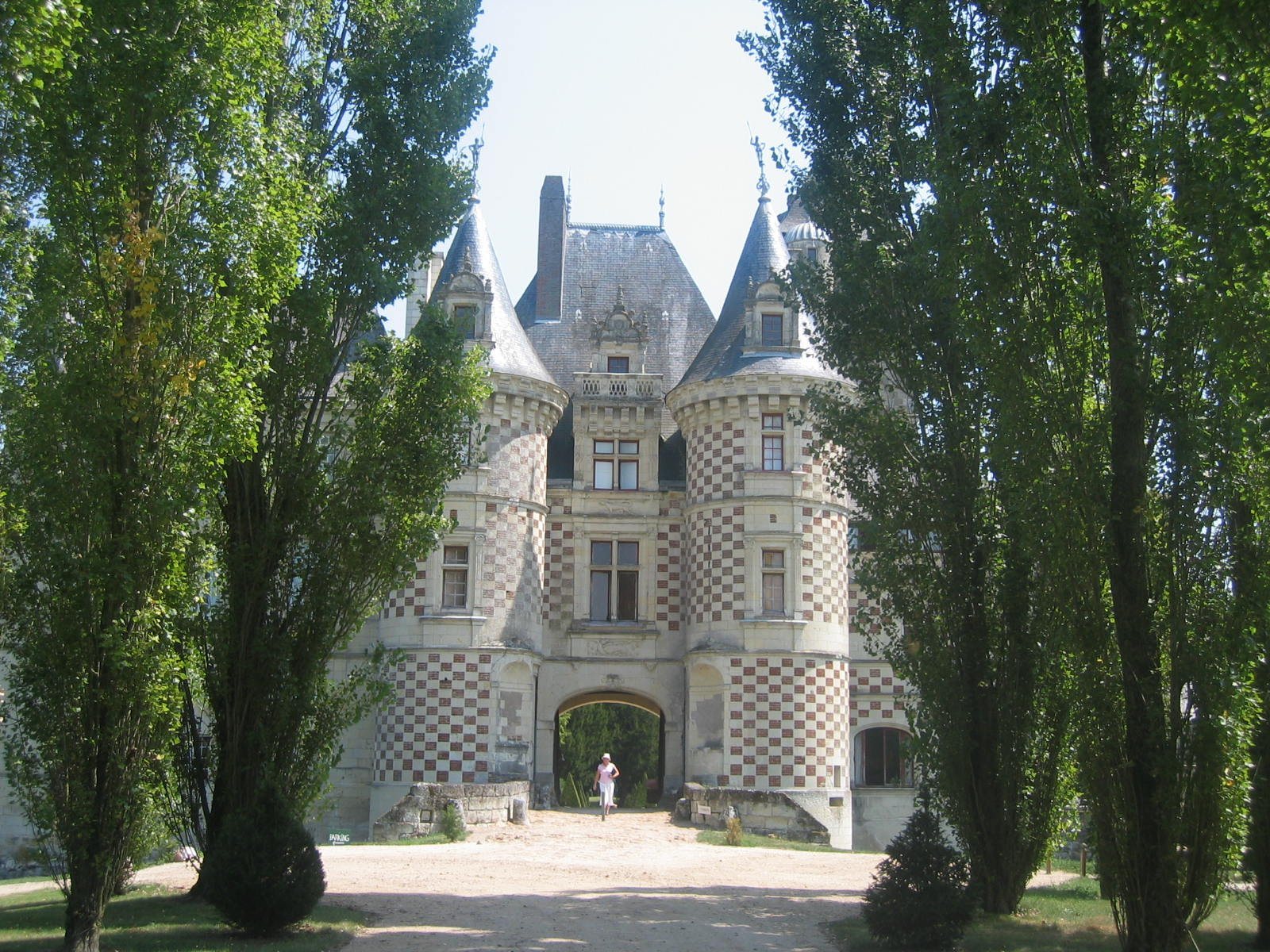
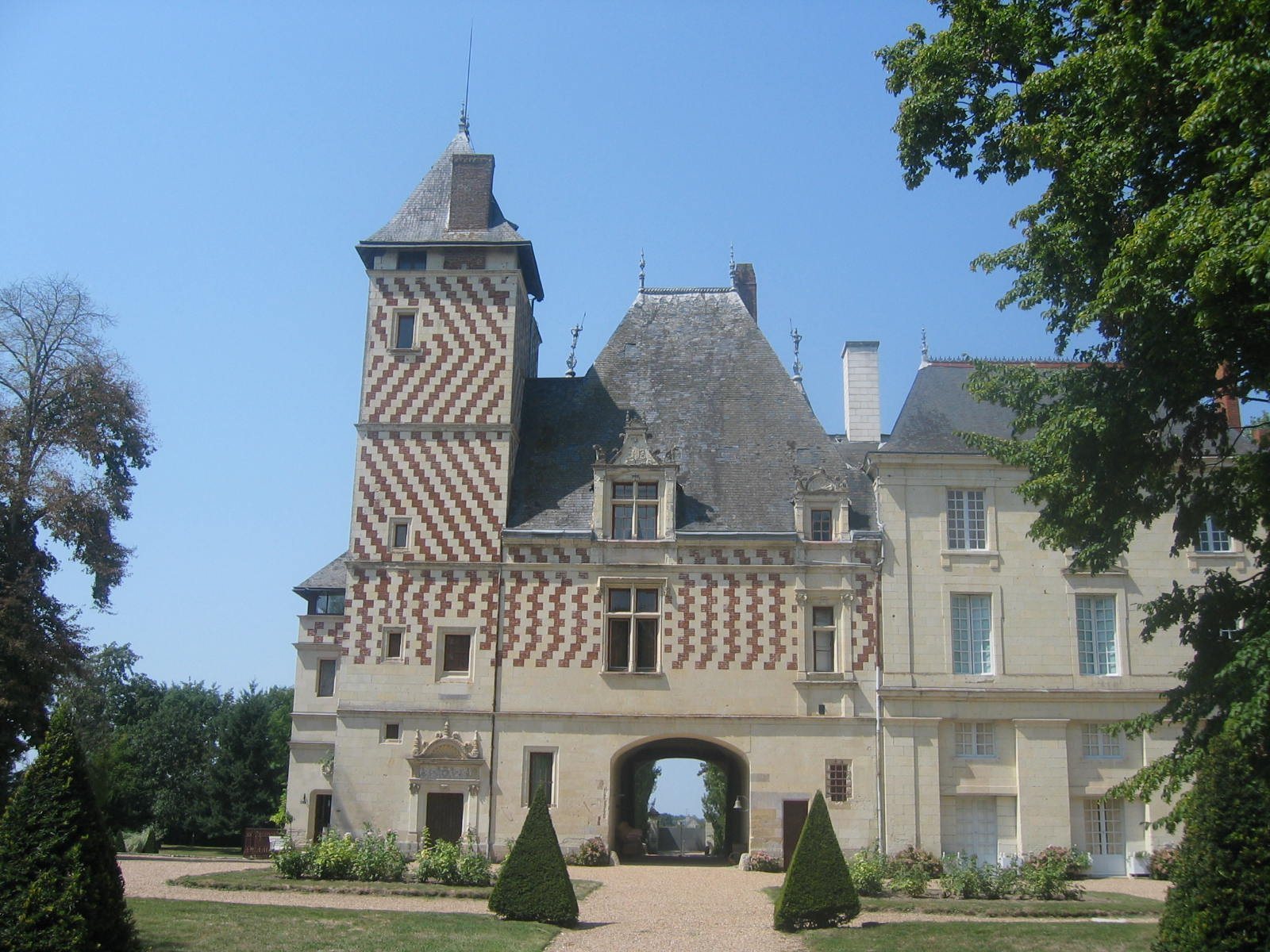
Réaux Castle, known in French as Château des Réaux, is a medieval castle in Chouzé-sur-Loire, France, built on an earlier fortress site. Its present form dates to 1435–1485 and is in the Renaissance style, associated with renewed interest in classical forms. The first stone was laid in 1435.
The earlier castle and reconstruction
During the fourteenth century, owners included Amaury Péau, Jeanne de Montejean, Countess of Sancerre, and Antoine de Breuil. Gilles de Brye owned the castle in 1455. The earlier castle fell into ruin during the fifteenth century, after which the estate was acquired by the grandfather of Jean Briçonnet, the first mayor of Tours.
Jean Briçonnet’s grandson, a son of Guillaume Briçonnet, built the present castle on the earlier site. The castle is first mentioned in 1462.
Later owners and the name Les Réaux
Thibaut de Longuejoue later lived at the château, followed by his descendants, the Taveau family. A marriage in 1595 transferred the property to the de La Béraudière family. François de La Béraudière inherited it and sold it around 1650 for 115,000 livres, a pre-decimal French currency unit, to writer and memoirist Gédéon Tallemant des Réaux, who made the château his home.
At Tallemant des Réaux’s request, the name changed from Château de Chouzé to Les Réaux on 30 July 1653. Royal letters patent, formal instruments issued under royal authority, authorized the change.
Heritage recognition
The château was listed as a French historic monument in 1930. It is also part of the Loire Valley property inscribed on the UNESCO World Heritage List in 2000. World Heritage status recognizes places considered to have outstanding universal value.
Remains
Fortress layout and park
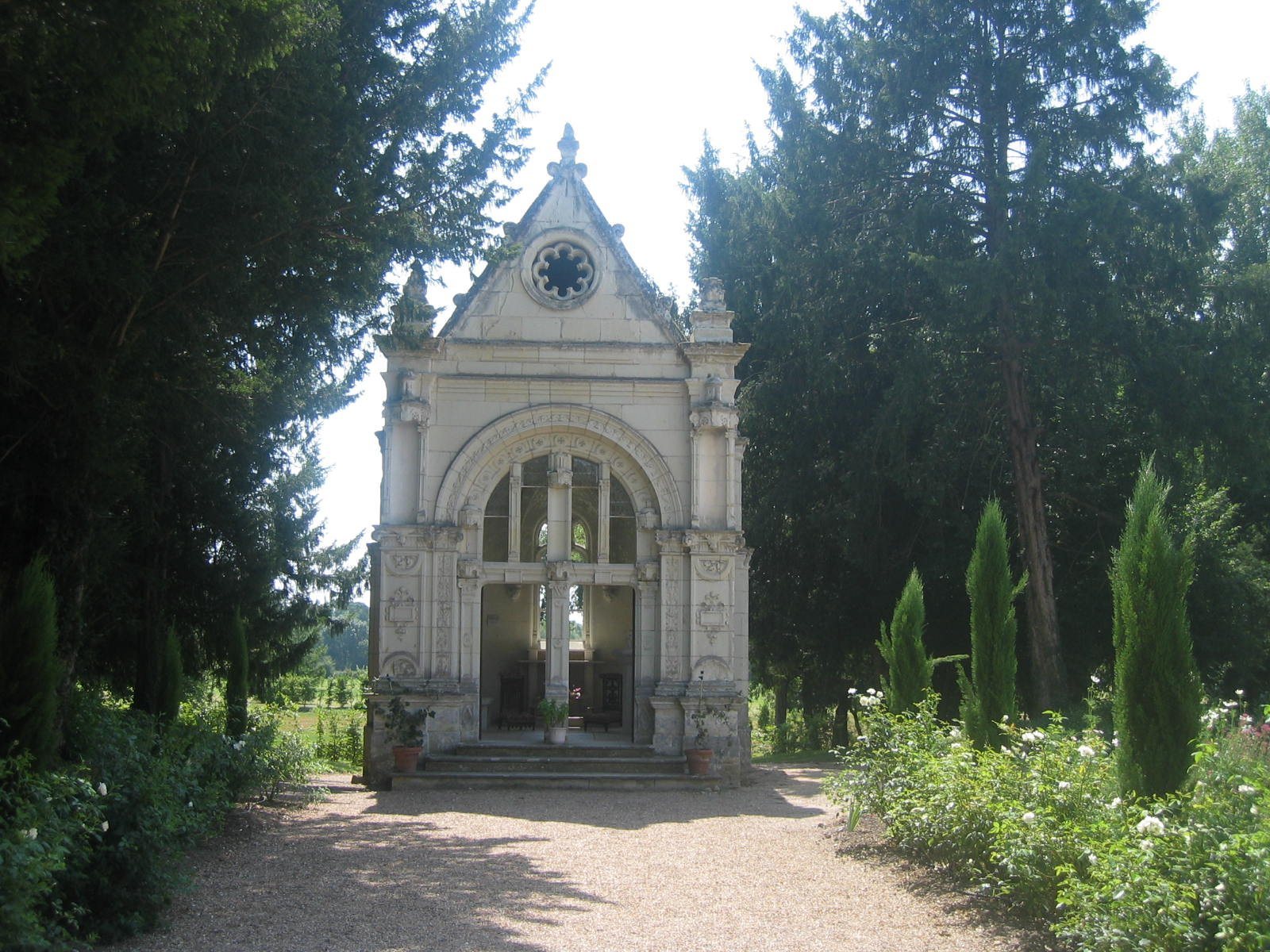
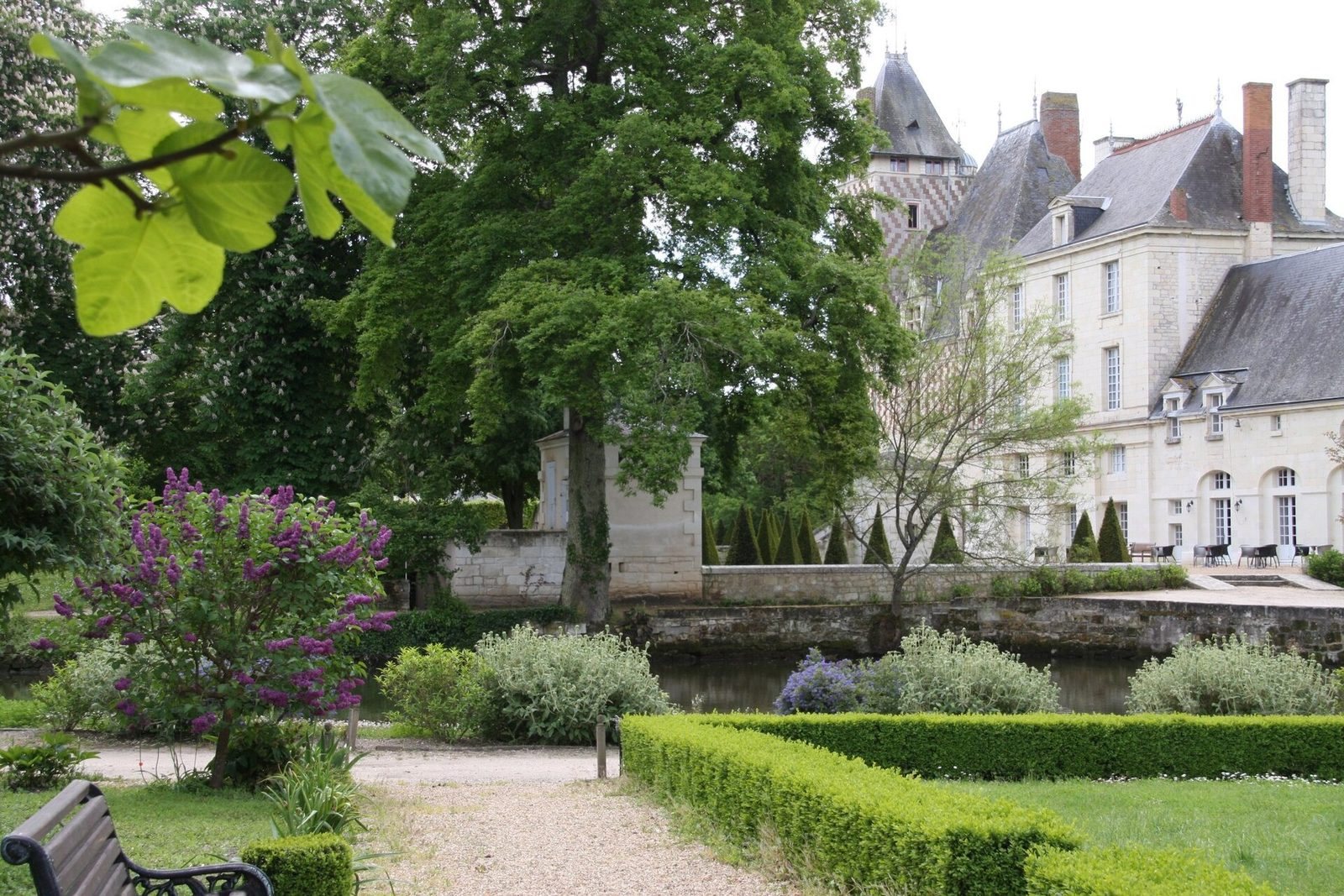
The restored château retains the earlier fortress’s island layout, enclosed by a large moat filled with water and intended to provide security. A landscaped park surrounds the buildings, with varied trees and greenery including lilac and willow, as well as a pond and a bench. The moat holds crucian carp and carp, and attracts black swans and wild ducks.
Contemporary art gallery
A permanent contemporary art gallery inside the château was established in preparation for a celebration of its 600th anniversary; an international competition to select works was announced in 2007. The gallery contains 760 paintings by 530 artists from more than 40 countries. Its subject is the human leg in art at the beginning of the third millennium. The works address classically styled and charming legs, humorous or satirical views of contemporary legs, the evolution of men’s legs to the present, and four legs belonging to two people in a single work.